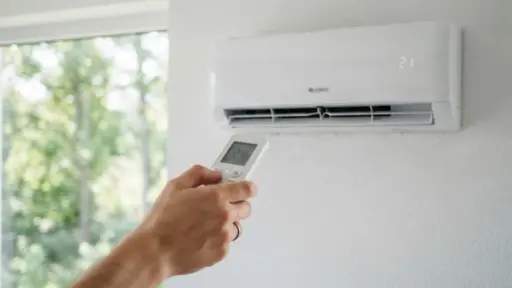

Your AC is working, the fan is blowing, yet the house still feels hot.
That can turn a comfortable day into a frustrating one fast. Isn’t it? Well, the problem isn’t always a major breakdown, though.
A clogged filter, a frozen coil, a thermostat setting issue, or an outdoor unit issue can all stop your AC from cooling properly.
This blog walks you through the most common causes and simple fixes you can safely try yourself.
By the end, you’ll have a clear idea of the warning signs that mean it’s time to call a technician and what to do next.
Quick Checks that Solve Many Cooling Problems
Before assuming a major fault, rule out simple oversights.
Check that interior doors stay open; closed doors restrict return airflow and starve the system.
Then, just confirm furniture or curtains aren’t blocking return grilles. Look at the air handler closet door; if it’s open, hot attic or garage air can mix in. Verify the outdoor unit sits level; tilting strains the compressor over time.
Check whether a recently installed filter has a MERV rating; a too-high MERV rating can instantly restrict airflow.
These small oversights mimic major failures but cost nothing to fix.
Step-by-Step Troubleshooting Checklist
Follow these steps in order to identify the cause without guesswork.
- Check the thermostat: Confirm it’s set to “Cool” and below room temperature
- Check the breaker: Look for a tripped switch or a blown fuse
- Inspect the air filter: Replace it if clogged or hard to see through
- Check the outdoor unit: Confirm it’s running, free of ice or debris
- Listen for sounds: Hissing, humming, or clicking can signal a specific failure
- Check airflow: Ensure vents aren’t blocked or covered by furniture
- Note the pattern: Track if cooling is constant, occasional, or worse at times
If the issue persists, match your symptoms to earlier causes or call a technician.
Most Common Reasons an AC Runs but Doesn’t Cool
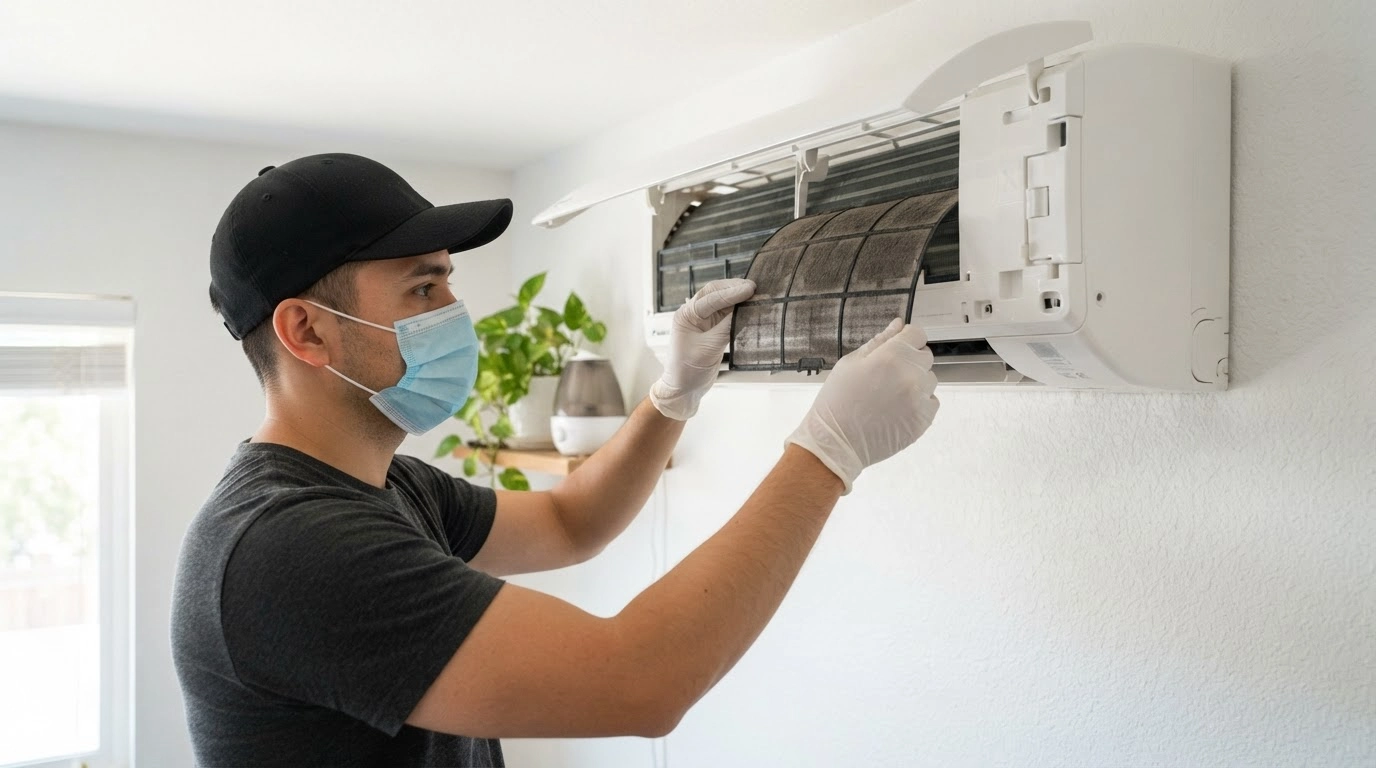
Most cooling problems trace back to one of eleven common causes, ranked roughly by how often they occur.
Some are simple fixes you can handle yourself, while others need a licensed technician.
1. Dirty or Clogged Air Filter
A clogged filter restricts airflow across the evaporator coil, reducing the system’s ability to cool air properly.
Over time, this restriction can cause the coil itself to freeze completely. Check the filter by holding it up to a light source. If you can’t see through it clearly, replace it right away.
Most filters need replacement every 60 to 90 days.
2. Low Refrigerant (Freon) Levels
Low refrigerant often shows up as hissing sounds near the lines or ice on the tubing.
Air may also feel only slightly cool instead of properly cold.
This is not something you should attempt to fix on your own. Refrigerant handling requires a licensed technician and is subject to strict EPA regulations. It involves specialized equipment and controlled chemicals.
3. Frozen Evaporator Coil
A frozen coil is usually caused by restricted airflow, low refrigerant, or dirt buildup on the coil.
So, just turn off the system completely and let it thaw fully before running it again.
This process may take several hours, depending on ice buildup. Afterward, check the filter and airflow to prevent the issue from repeating.
4. Dirty Condenser Coil (Outdoor Unit)
Dirt and debris on the outdoor unit block heat from dissipating properly.
This causes the system to work harder while producing less cooling output overall. Turn off the power to the unit at the breaker before cleaning.
Gently hose off the coils, then clear leaves and grass clippings to improve airflow.
5. Thermostat Issues
A miscalibrated thermostat, dead batteries, or an incorrect mode setting can prevent proper cooling. Even a small setting error can stop the system from running correctly.
Placement near a heat source, like sunlight or a lamp, can cause inaccurate readings.
Double-checking these settings takes only a minute but can save a service call.
6. Faulty Capacitor or Compressor
A humming sound with no actual cooling often indicates a failed capacitor or compressor.
If the outdoor fan isn’t spinning at all, this is likely the cause.
These repairs typically require a professional technician to diagnose and fix safely. They involve electrical components and specialized parts needing precise handling.
7. Ductwork Problems (Leaks, Blockages, or Sizing Issues)
Leaky or blocked ducts cause uneven cooling between rooms and noticeably higher energy bills.
This is a common reason cold air seems to disappear before reaching certain vents.
Sizing issues within the ductwork can also directly cause weak or warm airflow.
This specific symptom is often searched for as “blowing but not cold.”
8. Blocked or Closed Vents/Registers
Furniture, rugs, or curtains placed over vents significantly restrict airflow into a room. This reduces the amount of cool air that actually circulates throughout that space.
Closed registers in unused rooms can also affect pressure throughout the entire system.
Walking through the home to check every vent takes just a few minutes.
9. Undersized or Oversized AC Unit
A unit that’s the wrong size for the space often short-cycles, turning on and off repeatedly.
This happens before the system finishes a full cooling cycle each time.
It leads to inconsistent indoor temperatures and higher wear on internal components.
Correct sizing is typically determined during installation, based on square footage.
10. Dirty Blower Motor or Fan Issues
A dirty or failing blower motor reduces the overall volume of air being pushed through the ductwork.
Even if the air itself is properly cooled, weak airflow makes rooms feel warmer than expected. This is especially noticeable in rooms located farther from the unit.
Cleaning or replacing the motor usually resolves this complaint.
11. Age of the System / Wear and Tear
Older systems naturally lose efficiency as internal components wear down over many years of use. Seasonal strain from repeated summer use accelerates this gradual decline in performance.
If your unit is 10 to 15 years old and problems keep recurring, consider replacement.
It may cost less in the long term than continuing repeated repairs.
How to Identify Whether the Problem is Indoors or Outdoors?
Stand near the outdoor unit while the system runs.
If it’s silent, the fault likely sits outside a failed motor or bad capacitor. If it’s running but the air inside stays warm, walk back inside and feel the return grille to see how it compares to the supply vent.
A wide temperature gap usually indicates a struggling compressor.
Little to no gap suggests the fault lies indoors, often within the air handler or ductwork feeding that specific room.
Troubleshooting Issues by Different AC Types
Not every system fails the same way. Check based on what you have.
| AC Type | First Thing to Check | Likely Culprit |
|---|---|---|
| Central Split System | Compare supply vs. return temperature | Compressor strain or duct leak |
| Window Unit | Feel grille edges for warm leaks | Loose mount or gapped panels |
| Portable Unit | Check exhaust hose length and bends | Long hose cuts venting power |
| Single Zone | Inspect line insulation outside | Torn insulation causes capacity loss |
| Packaged Rooftop Unit | Check the condensate pan for standing water | Clog triggers safety shutoff |
AC Blowing Air but Not Cold: Cause, Signs, and Fix at a Glance
This is the most commonly searched version of the problem the system runs: air comes out, but it isn’t cold.
Here’s a fast summary of the likely causes before going into detail:
- Dirty air filter: shows up as weak, warm airflow; fix by replacing or cleaning the filter
- Low refrigerant: often paired with hissing sounds or ice on the lines; requires a technician
- Frozen evaporator coil: visible ice buildup with weak air; turn off the unit and let it thaw
- Dirty condenser coil: reduced cooling and higher energy bills; clean the outdoor unit
- Faulty capacitor: humming sound with no cold air; requires a technician
- Thermostat issue: inconsistent cooling; check settings or replace batteries
If your symptoms match multiple causes, try the simplest fix first before seeking professional help.
DIY Fixes that are Safe for Homeowners
Several common AC problems can be resolved without calling a technician, using basic household tools.
1. Cleaning or Replacing the Air Filter
Turn off the AC before accessing the filter, usually located near the return air duct.
Slide out the old filter and check it against a light source. If you can’t see light through it, replace it with a new one of the same size. Insert the new filter with airflow arrows pointing toward the unit, then restore power.
2. Cleaning the Outdoor Condenser Unit
Turn off the power to the outdoor unit at the breaker before starting any cleaning.
Remove leaves, grass, and debris from around the unit, keeping at least two feet of clearance. Use a garden hose to gently rinse dirt from the condenser coils, avoiding high pressure.
Let the unit dry fully before restoring power and testing it.
3. Thawing a Frozen Coil Safely
Turn off the AC completely and set the thermostat fan to “On” to improve airflow.
Avoid using sharp tools to remove ice, since this can damage the coil.
Let the system thaw for several hours, or overnight for heavier ice buildup. Once thawed, check the filter and airflow before running the system again.
4. Resetting Your Thermostat or Breaker
Locate your electrical panel and check for a tripped breaker connected to the AC unit. Switch it fully off, then back on, to reset it properly. For thermostat issues, remove the batteries for 30 seconds, then reinsert them.
Wait a few minutes before testing the system again to confirm the reset worked.
Common Mistakes that Make the Problem Worse
Certain habits and reactions can turn a minor, fixable issue into a costly repair.
Avoid these common AC mistakes to prevent costly damage, boost efficiency, and keep your cooling system safe.
- Running the AC continuously while the coil is frozen stresses the compressor and can cause lasting damage.
- Adding refrigerant yourself: refrigerant handling involves legal and safety risks under EPA regulations.
- Ignoring strange noises or smells often signals early-stage problems that worsen if left unchecked.
- Delaying filter changes over the long term: buildup restricts airflow and accelerates wear on other components.
- Setting the thermostat extremely low: this doesn’t speed up cooling and can strain the system unnecessarily.
Avoiding these habits protects your system while the actual cause gets identified and properly fixed.
Real Experiences: What Forum and Community Threads Say
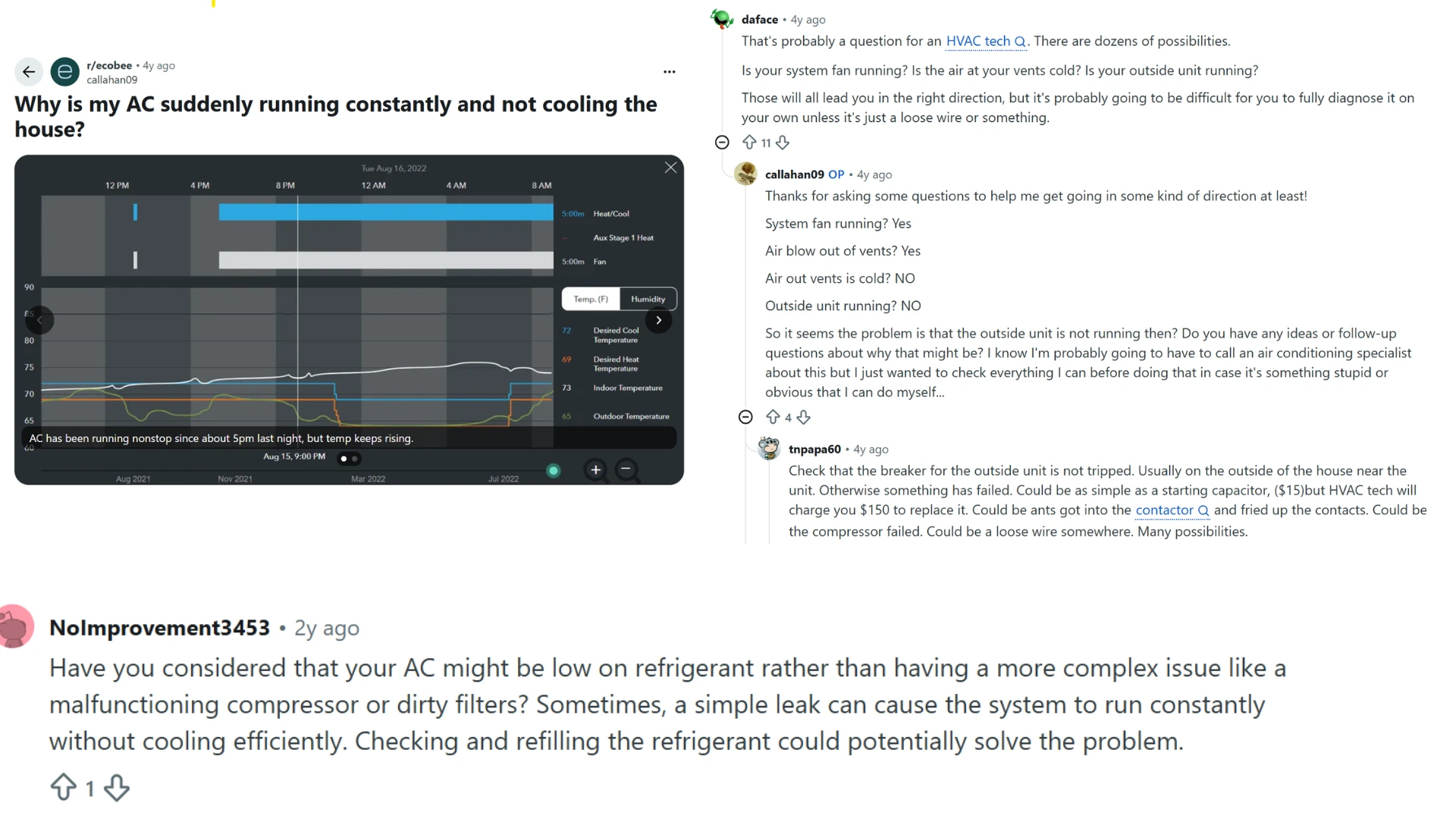
The Reddit discussion points to one key lesson: an AC that runs continuously but doesn’t cool can have many causes, so start with simple checks before assuming the worst.
Verify the thermostat settings, air filter, circuit breaker, and whether the outdoor unit is running.
Community people often mentioned failed capacitors, dirty condenser coils, refrigerant leaks, faulty contactors, and compressor problems. In the original case, the outdoor unit wasn’t running due to a failed start capacitor.
Although the part was inexpensive, labor and diagnostic fees made the repair costly.
The takeaway is to rule out basic issues first, then call an HVAC technician for electrical or refrigerant-related faults.
Seasonal Problems That Affect Cooling Performance
Certain times of year put more strain on an AC system, making existing weaknesses more noticeable.
Peak summer heat causes the system to run longer, revealing weak cooling, worn parts, or low refrigerant.
High humidity can also make your home feel warmer even when the AC is working normally. The first startup after winter may reveal issues like clogged filters, stuck components, or blocked airflow.
Storms, lightning, and power surges can damage electrical parts without obvious signs.
A quick inspection and seasonal maintenance can often prevent these issues from turning into expensive repairs.
Typical AC Repair Costs for Cooling Problems
Repair costs range from a few dollars for simple fixes to thousands for full replacements, depending on the cause.
- Air filter replacement: $10–$30
- Condenser coil cleaning: $75–$250
- Capacitor replacement: $150–$400
- Refrigerant recharge (leak repair): $200–$1,500+
- Compressor replacement: $1,200–$2,500+
- Ductwork repair: $300–$1,500+
- Thermostat replacement: $100–$300
- Full system replacement; $3,000–$7,000+
AC Not Cooling: DIY Fix vs. Call a Professional
The table below breaks down common symptoms by risk, cost, and urgency.
| Symptom | DIY? | Cost | Risk |
|---|---|---|---|
| Dirty filter/coil (indoor or outdoor) | Yes | $0–$30 | Reduced airflow, higher bills |
| Frozen evaporator coil | Partial | $0–$300+ | Compressor damage |
| Low refrigerant/leak | No | $200–$1,500+ | Cooling failure |
| Faulty capacitor/compressor | No | $150–$1,000+ | Compressor burnout |
| Thermostat malfunction | Yes | $0–$50 | Inconsistent cooling |
| Ductwork or vent issues | Yes/No* | $0–$1,500+ | Uneven cooling, energy waste |
| Wrong-sized or aging system | No | $3,000–$7,000+ | Short-cycling, breakdowns |
As a general rule, anything involving refrigerant, electrical components, or system sizing calls for a professional. Airflow and basic maintenance issues are usually safe to handle yourself.
How to Prevent Your AC from Losing Cooling Performance
Follow these simple care tips to improve performance, prevent breakdowns, and extend your system’s lifespan.
- Replace or clean the air filter every 60 to 90 days.
- Clean the outdoor condenser coil at the start of each cooling season.
- Schedule an annual professional tune-up to check the refrigerant and electrical parts.
- Clear debris and vegetation around the outdoor unit regularly.
- Use thermostat scheduling instead of frequent, drastic temperature changes.
- Set a consistent, moderate temperature rather than adjusting it often.
- Watch for repair costs nearing half the price of a new unit.
- Consider replacement if the system is 10–15+ years old and needs frequent repairs.
Consistent care and timely repairs help your AC remain efficient and prevent costly problems in the future.
Frequently Asked Questions
How Do I Know if My AC is Low on Refrigerant?
Watch for hissing sounds, ice on refrigerant lines, and weak airflow. A licensed technician is needed to diagnose and refill safely.
How Long Can I Run My AC if It’s Not Cooling?
A few hours is generally fine, but running it continuously with a frozen coil can seriously damage the compressor.
Why Does My AC Cool at Night but Not During the Day?
This often stems from system capacity struggling to handle peak daytime heat, with undersized units or dirty coils.
Can a Dirty Filter Really Stop an AC from Cooling?
Yes, a clogged filter significantly restricts airflow and can cause the evaporator coil to freeze over time.
Bottom Line
Most AC not cooling issues come down to airflow, refrigerant, or a failed component, not a completely dying system.
Simple fixes like filter changes, vent checks, and thermostat resets solve many cases on their own.
Frozen coils, low refrigerant, and compressor problems are the exceptions, since these need a licensed professional to handle safely.
Regular maintenance, such as seasonal filter changes and annual tune-ups, prevents most of these issues from occurring in the first place.
If the self-checks and DIY fixes above don’t restore cooling within 24 hours, it’s worth scheduling a professional inspection rather than waiting longer.

Tommy Hardy, an alumnus of the Georgia Institute of Technology with a degree in Mechanical Engineering, has been a go-to figure in residential upkeep and innovation for over 18 years. His career commenced in a leading home appliance manufacturing company, where he mastered the intricacies of household systems. Joining our platform in 2020, Tommy quickly became a reader favorite for his practical and easy-to-follow guides. He took the helm of our DIY section in 2019, consistently delivering content that empowers homeowners. Beyond his professional pursuits, Tommy is a passionate gardener and enjoys woodworking, skills enhancing his hands-on approach to home care.