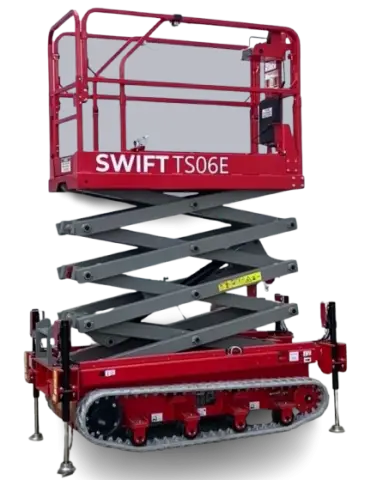

Working safely at height is one of the most important considerations on any construction site, warehouse, or maintenance job. While ladders and makeshift platforms might seem like a quick solution for smaller jobs, they come with genuine safety risks and simply aren’t practical for sustained work at height across a larger area.
This is exactly why so many tradespeople and businesses across the city turn to scissor lift hire melbourne equipment suppliers offer, rather than investing in the significant upfront cost of purchasing their own machinery. This guide covers what to consider when hiring a scissor lift for your next project.
Getting the Right Equipment for the Job
Choosing the right scissor lift isn’t just about height capacity, it also involves considering the terrain, indoor or outdoor use, and the specific nature of the work being carried out.
Understanding Different Scissor Lift Types
Scissor lifts generally fall into two broad categories, each suited to different environments:
- Electric scissor lifts: Quiet and emission-free, making them ideal for indoor use in warehouses, retail fit-outs, and office maintenance work.
- Rough terrain scissor lifts: Built with more robust tyres and suspension, designed for outdoor construction sites with uneven ground.
Assessing Height and Platform Capacity Requirements
Before hiring, it’s essential to accurately assess the working height required for your project, factoring in not just the height of the platform itself but the reach needed to comfortably and safely complete the task. Overestimating slightly is generally safer than underestimating, as constantly repositioning a lift that’s too short wastes time and increases risk.
Platform capacity is equally important, particularly if multiple workers or heavy materials and tools need to be on the platform simultaneously.
Site Access and Ground Conditions
Consider how the scissor lift will actually get to the work area. Narrow doorways, tight indoor spaces, or soft, uneven outdoor ground can all impact which model is suitable. Reputable hire companies can advise on the best option once they understand your site conditions, helping avoid the frustration of a delivered machine that can’t actually access the required area.
Safety Training and Certification Requirements
Operating a scissor lift safely requires proper training, and in many cases, a valid high-risk work licence or equivalent certification depending on the equipment and height involved. Reputable hire companies will always confirm operator certification requirements and can often point customers toward accredited training providers if needed.
The Benefits of Hiring Over Buying
For most businesses and tradespeople, hiring makes considerably more financial sense than purchasing equipment outright. Benefits include:
- No maintenance costs: Hire companies are responsible for servicing and upkeep.
- Access to the latest models: Ensuring you’re always working with modern, well-maintained equipment.
- Flexibility: Hire the right lift for each specific job, rather than being limited to a single owned machine.
Delivery, Pickup, and On-Site Logistics
Beyond simply selecting the right machine, it’s worth discussing delivery and pickup logistics with your hire company well ahead of time, particularly for busy construction sites with limited access windows. Confirming exact delivery times, site contact details, and any specific access requirements upfront helps avoid delays that could hold up your broader project schedule.
Insurance and Damage Waiver Considerations
Most hire companies offer an optional damage waiver, which can provide valuable peace of mind against the cost of accidental damage during the hire period. It’s worth understanding exactly what is and isn’t covered under your hire agreement, including any excess that may apply, so there are no surprises if an incident does occur during your project.
Environmental Considerations of Hiring vs Buying
Beyond the financial case for hiring, there’s also a genuine environmental argument worth considering. Manufacturing heavy machinery like scissor lifts carries a significant environmental footprint, and equipment that sits idle for much of its life represents an inefficient use of those resources. By hiring, businesses effectively share access to a smaller pool of well-utilised machinery, reducing the overall environmental impact per job compared to every business purchasing and underutilising their own equipment. For businesses increasingly conscious of their broader sustainability commitments, this shared-use model aligns well with a more responsible approach to resource consumption across the construction and maintenance sectors.
Planning Ahead for Multi-Day Projects
For projects spanning several days or weeks, it’s worth discussing extended hire rates and equipment servicing arrangements with your provider in advance. Many hire companies offer discounted weekly or monthly rates compared to daily hire, along with scheduled maintenance visits to ensure equipment continues operating safely and efficiently throughout a longer project.
Comparing Rental Providers Before Booking
Not all equipment hire companies offer the same level of service, equipment condition, or support. It’s worth comparing a couple of providers, checking factors like equipment age, included safety documentation, and customer reviews, rather than simply choosing based on price alone, particularly for larger or safety-critical equipment like scissor lifts.
Considering Fuel and Battery-Powered Options
Beyond electric and rough terrain models, some scissor lifts are also available in hybrid or battery-powered configurations designed to offer greater flexibility across both indoor and light outdoor use. Discussing your specific site requirements with your hire provider ensures you’re matched with a model that genuinely suits both the terrain and any emissions restrictions on site.
Final Thoughts
Choosing the right scissor lift for your project comes down to understanding your specific height, terrain, and access requirements, then partnering with a hire company that can guide you toward the safest, most efficient option.
With the right equipment and proper safety precautions in place, working at height becomes significantly safer and more productive, whether you’re completing a small maintenance job or a large-scale construction project.

Holding a Master’s in Construction Management from Purdue University, William Ray has dedicated more than two decades to studying and applying construction principles. His professional journey includes a tenure with a prominent construction firm, where he specialized in project management and building technologies. William brought his knowledge to our team, providing in-depth insights into practical construction techniques. As the leader of our beginner’s guide to building since 2019, he has a knack for breaking down intricate processes into easily digestible content. When not involved in writing or onsite consultations, William enjoys woodworking and volunteering in community building projects, which aligns with his passion for hands-on construction and community service.