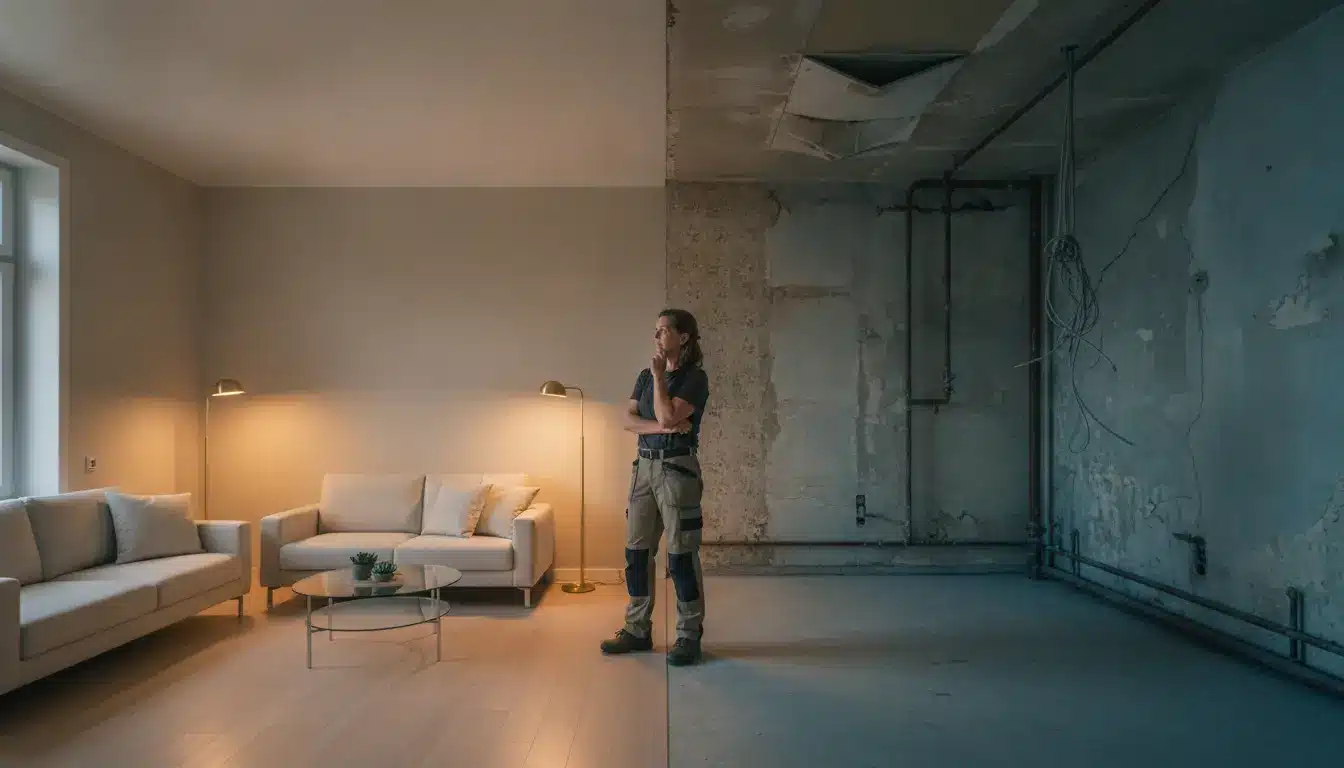

A few small updates can make a house feel fresh again. New paint, better lighting, cleaner storage, updated hardware, or a handful of smart repairs can change how a space looks and feels. Sometimes, though, those improvements only make the bigger issues stand out more. A room still feels cramped. The same repair keeps coming back. The house no longer works for your routine, your budget, or the way you want to live.
That’s when the question shifts. Instead of asking what you can fix next, it may be time to ask what the house actually needs and whether another project is the best use of your time, money, and energy.
Start With the Problem You’re Actually Trying to Solve
Before you spend money on another project, take a moment to name the real problem. A dated room and a damaged room need different plans. So do a cluttered entryway, a leaky ceiling, a kitchen that no longer fits your family’s rhythm, and a house that feels expensive to maintain.
Ask what’s really driving the urge to change the space. Is the house uncomfortable, unsafe, outdated, hard to keep up with, or simply no longer your style? A cosmetic issue might be solved with paint, lighting, or better furniture placement. A functional issue may need repairs, layout changes, or professional help. Another weekend project might not solve a bigger lifestyle issue.
This step matters because it’s easy to spend money on visible updates when the real frustration runs deeper. New flooring won’t fix a moisture problem. Fresh cabinets won’t solve a layout that no longer works. Better decor won’t make the house feel manageable if the repair list keeps growing. Once you know what problem you’re trying to solve, the next step becomes much easier to choose.
When Simple Improvements Still Make Sense
Simple improvements are worth doing when the house is generally in good shape, and the frustration is mostly about comfort, style, or daily flow. If the roof is sound, the plumbing works, the layout still suits your life, and the house feels manageable, small updates can make a real difference.
Paint is often the easiest reset, especially in rooms that feel dark, dated, or visually busy. Better lighting can make a kitchen feel cleaner, a hallway feel wider, or a living room feel more intentional. New hardware, updated faucets, organized storage, and lighter window treatments can also make a home feel more current without turning the project into a full renovation.
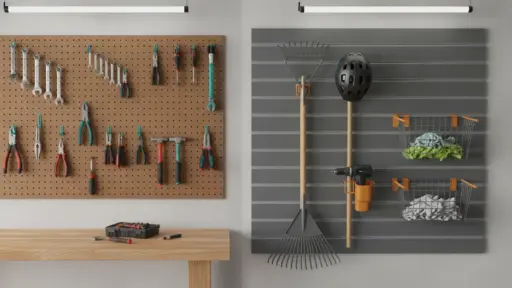
These updates work best when they solve a clear, contained problem. A cluttered mudroom may need hooks, baskets, and better shelving. A flat-looking bedroom may need softer lighting and a calmer color palette. A tired entryway may need fresh paint, a cleaner console, and a place for shoes and bags. When the issue is mostly surface-level, simple improvements can make the house easier to enjoy again.
When Repairs Should Come Before Upgrades
Some problems need to move to the front of the list, even if they’re not the most exciting things to spend money on. A beautiful light fixture won’t matter much if there’s a leak behind the wall. New flooring can quickly become a wasted investment if moisture, shifting, or poor ventilation is still affecting the room.
Pay attention to anything that threatens the structure, safety, or basic function of the house. Water stains, recurring roof leaks, flickering lights, slow drains, soft spots in the floor, moldy smells, and cracks that keep widening are all signs that the house may need attention before any cosmetic upgrade makes sense. These are the kinds of home repairs you don’t want to ignore because small warning signs can turn into expensive problems when they sit too long.
Repairs may not deliver the instant satisfaction of a room makeover, but they protect the work you do later. Once the house is dry, safe, stable, and functioning properly, the more visible improvements have a much better chance of lasting.
When a Small Project Turns Into a Bigger Renovation
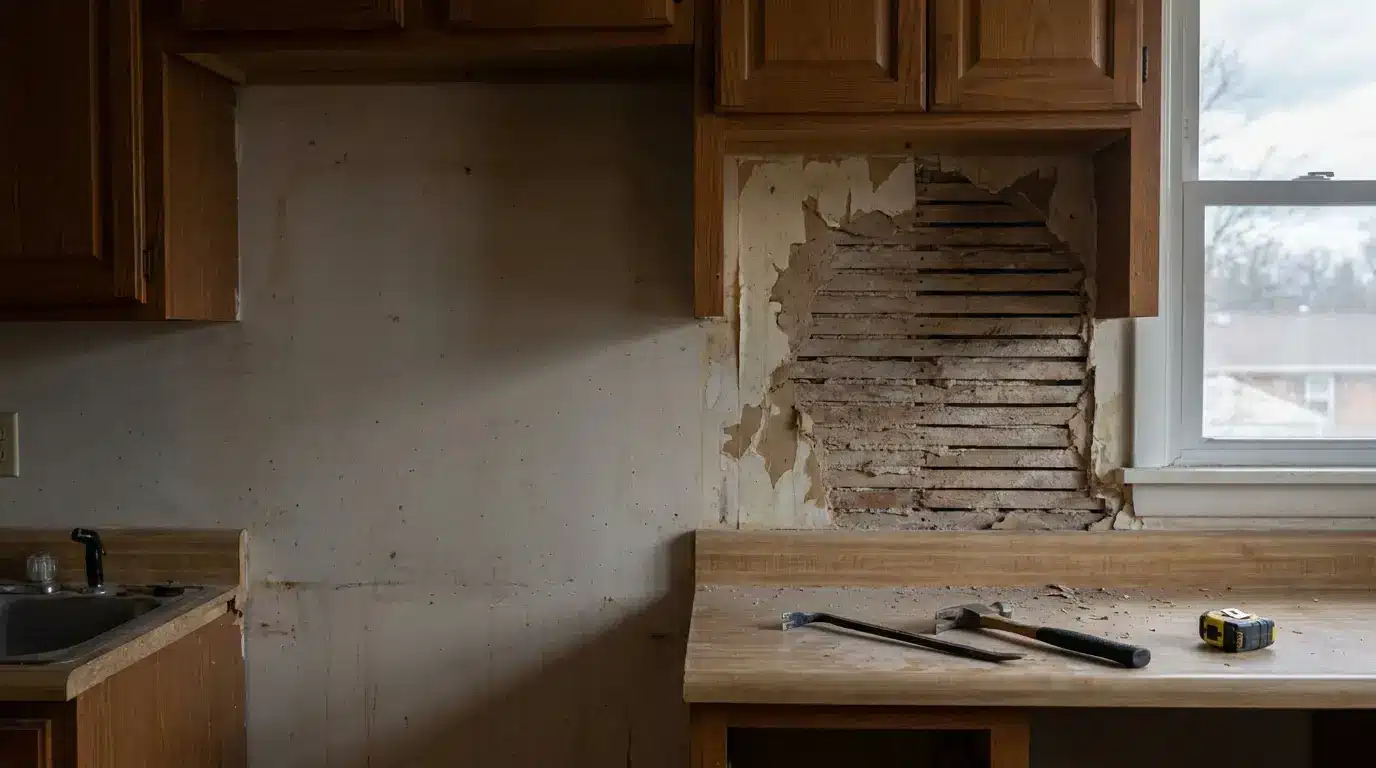
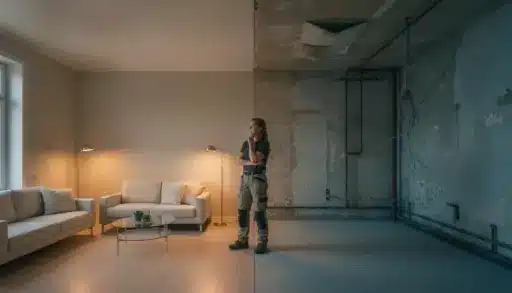
Some home projects start with a simple plan and grow the moment you look closer. You replace one damaged cabinet and realize the layout is the real problem. You pull up old flooring and find uneven subflooring underneath. You plan to update a bathroom vanity, then notice plumbing, ventilation, or tile issues that can’t be ignored.
At that point, a small improvement becomes a renovation decision. The question is no longer whether the room could look better. It’s whether the room needs a larger investment to work properly. That could mean updating old systems, changing the layout, hiring licensed help, or accepting a longer timeline than you first expected.
A growing project isn’t always a bad sign. Sometimes it means you’ve found the right moment to fix problems that have been waiting under the surface. Still, it should change how you plan. Before committing to more work, step back and look at the full scope, the likely cost, and whether the finished result will solve the issue that started the project.
When the House Needs More Than Simple Improvements
At some point, the issue may be less about choosing the next project and more about whether the house needs more work than the owner can reasonably take on. A few updates can improve comfort, but they won’t always solve bigger problems like deferred maintenance, repeated repairs, or a timeline that leaves little room for a drawn-out renovation.
In Oklahoma, storm wear and older roofing can make a small exterior project feel more urgent than expected. In Florida, moisture and year-round exterior upkeep can change how homeowners think about repairs before selling.
In Texas, large distances between markets and varied property conditions can make timing just as important as the repair budget. For an owner trying to avoid months of prep, a buyer’s quick “we buy houses in Texas” offer can put a faster as-is sale in direct comparison with a traditional listing, a smaller repair plan, or holding the property longer.
That kind of comparison keeps the decision grounded. If the house needs more work than the owner has the time, money, or energy to manage, the smartest next step may be the one that solves the larger problem instead of adding another project to the list.
Compare Cost, Time, and Long-Term Value
Once a project moves beyond simple improvements, the decision has to be measured against more than the repair estimate. Time matters, especially if the work involves multiple contractors, permits, inspections, or weeks of disruption. The owner’s long-term plan matters as well, because a project that makes sense for someone staying ten years may not make sense for someone hoping to sell soon.
A project can look worthwhile on paper, but renovating is not always the smarter move when the house, budget, or timeline is already stretched. That doesn’t mean every major project should be avoided. It means the expected benefit should be weighed against the cost, the disruption, and the chance that the finished result will actually solve the real problem.
The best next step is usually the one that fixes the issue without creating a bigger burden. A necessary repair may protect the home from further damage. A modest upgrade may make daily life easier. A major renovation may be worthwhile if the owner plans to stay. But when the numbers, timing, and stress no longer line up, stepping back can be just as practical as moving forward.
Choose the Next Step That Matches the House and Your Life
Once you’ve looked at the condition of the house, the cost of the work, and how long you plan to stay, the right path usually becomes easier to see. If the problem is mostly cosmetic, a simple refresh may be enough. If the issue affects safety, comfort, or function, repairs should come first. If the layout, systems, or overall condition no longer support daily life, a bigger renovation or a different housing decision may be worth considering.
The key is to match the solution to the situation, not the pressure to do what homeowners are “supposed” to do. Some houses need a weekend of focused updates. Some need professional repairs before anything else makes sense. Some need a full project plan with a realistic budget and timeline.
Others may not be worth pouring more energy into, especially if the work keeps expanding or the owner is already ready for a change. The best choice is the one that respects the house’s condition, the owner’s budget, and the amount of time and effort they can realistically give.
Make the House Decision, Not Just the Project Decision
Simple improvements are useful when they solve the right problem. They can make a home brighter, easier to use, and more enjoyable day to day. But when the same issues keep returning, the repair list keeps growing, or the house no longer fits the owner’s plans, another small update may only delay the bigger decision.
The smartest next step is not always the most dramatic one. It might be a weekend refresh, a necessary repair, a carefully planned renovation, or a decision to stop putting more money into a house that no longer works. What matters is choosing the path that fits the home’s condition, the owner’s timeline, and the life they are trying to build next.
Interlinking suggestion:
From:https://enthrallinggumption.com/simple-home-improvements-to-upgrade-your-home/ to this article with anchor: when simple updates stop being enough

Holding a Master’s in Architecture from the University of Texas at Austin, Emily Rodriguez has dedicated more than two decades to the art and science of building renovation. Starting her journey in historic preservation, she developed a profound respect for blending old with new in building design. Emily became a vital part of our team in 2019, renowned for her insightful and innovative renovation tips. She has been leading our DIY home improvement series since ever since, where she shares her wealth of knowledge in turning outdated spaces into modern havens. When not engaged in writing or consulting, Emily is a passionate advocate for heritage conservation and enjoys exploring vintage architecture, a hobby that complements her professional expertise.