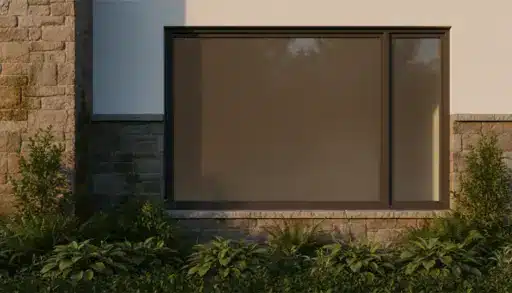
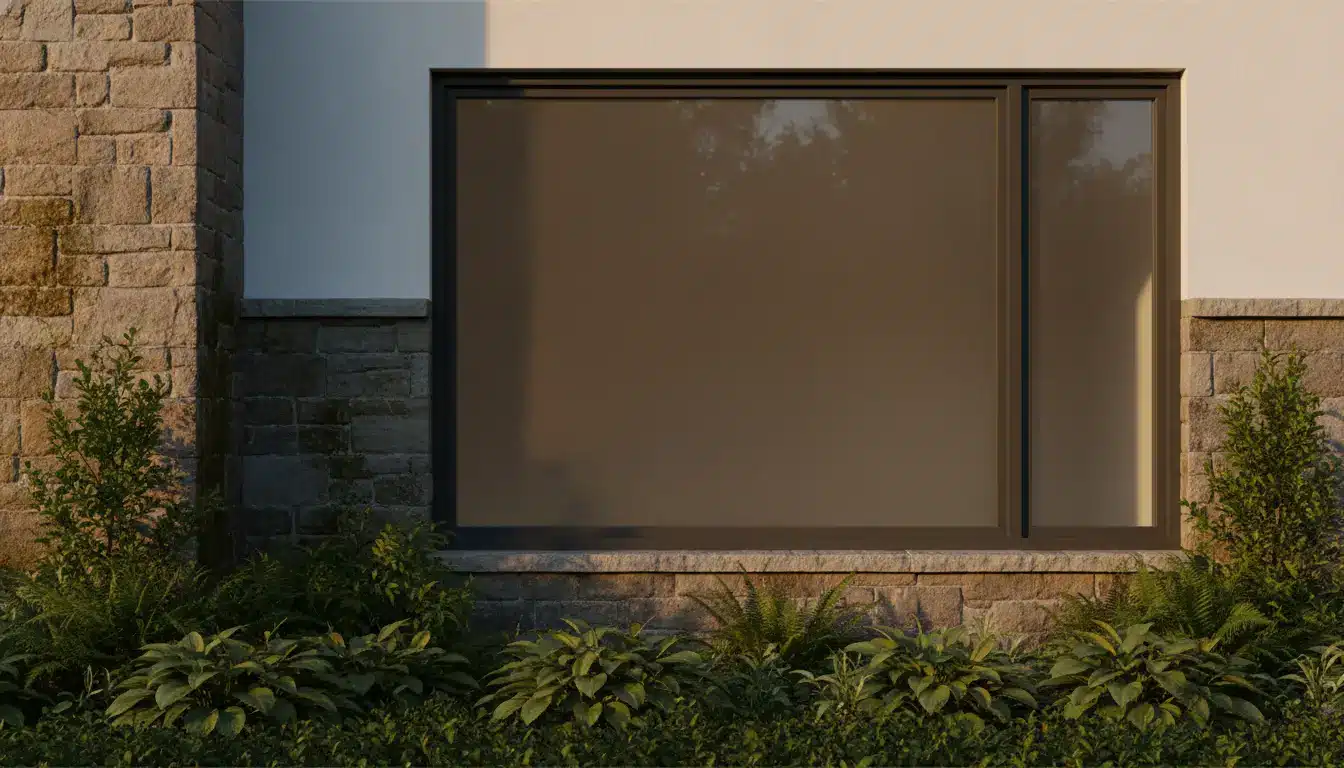

Windows affect comfort, moisture control, energy use, and the daily care a home requires. Fiberglass deserves close attention because its frame material remains stable in heat, cold, rain, and repeated use. That steadiness protects the glass package, weatherstripping, and hardware from avoidable stress. For homeowners planning replacement work or new construction, the result is a practical mix of long service life, cleaner appearance, and fewer maintenance demands.
Material Basics
Frame selection affects how well a window keeps its shape after years of seasonal movement. Fiberglass windows are made with glass fibers embedded in a stable resin, giving the frame expansion behavior similar to that of the glass itself. That matters because uneven movement can pull at seals, corners, and latches. A steadier fit helps preserve insulation, drainage, and smooth operation over time.
Built for All Weathers
Weather exposes weak frames quickly. Summer sun can soften some materials, while winter contraction may open small gaps around sashes. Fiberglass resists those shifts without frequent surface treatment. Rain, wind, and ultraviolet exposure still require sound installation, yet the frame itself stays firm. That consistency helps limit drafts and protects the window opening from avoidable strain.
Less Upkeep
Maintenance should be judged across years, not just after installation. Wood can need scraping, repainting, sealing, or repair where moisture collects. Some vinyl frames may discolor or distort when exposed to intense heat. Fiberglass usually needs routine washing with mild soap and water. That simple care schedule helps households keep windows clean without adding another demanding seasonal chore.
Shape Stability
A window performs best when the frame remains square. If a sash drops, twists, or bows, locks may catch, and weatherstripping can lose contact. Fiberglass has strong dimensional control, so moving parts stay better aligned. That stability also supports tighter installation tolerances. Over time, fewer shifts can mean less adjustment and more predictable operation.
Energy Control
Energy performance depends on more than glass ratings. The frame must keep the seals in consistent contact around the insulated unit. Fiberglass helps by limiting expansion and contraction that can weaken those contact points. Many products also accept double-pane or triple-pane glass packages. Together, these features reduce air leakage and help rooms feel steadier near exterior walls.
Moisture Resistance
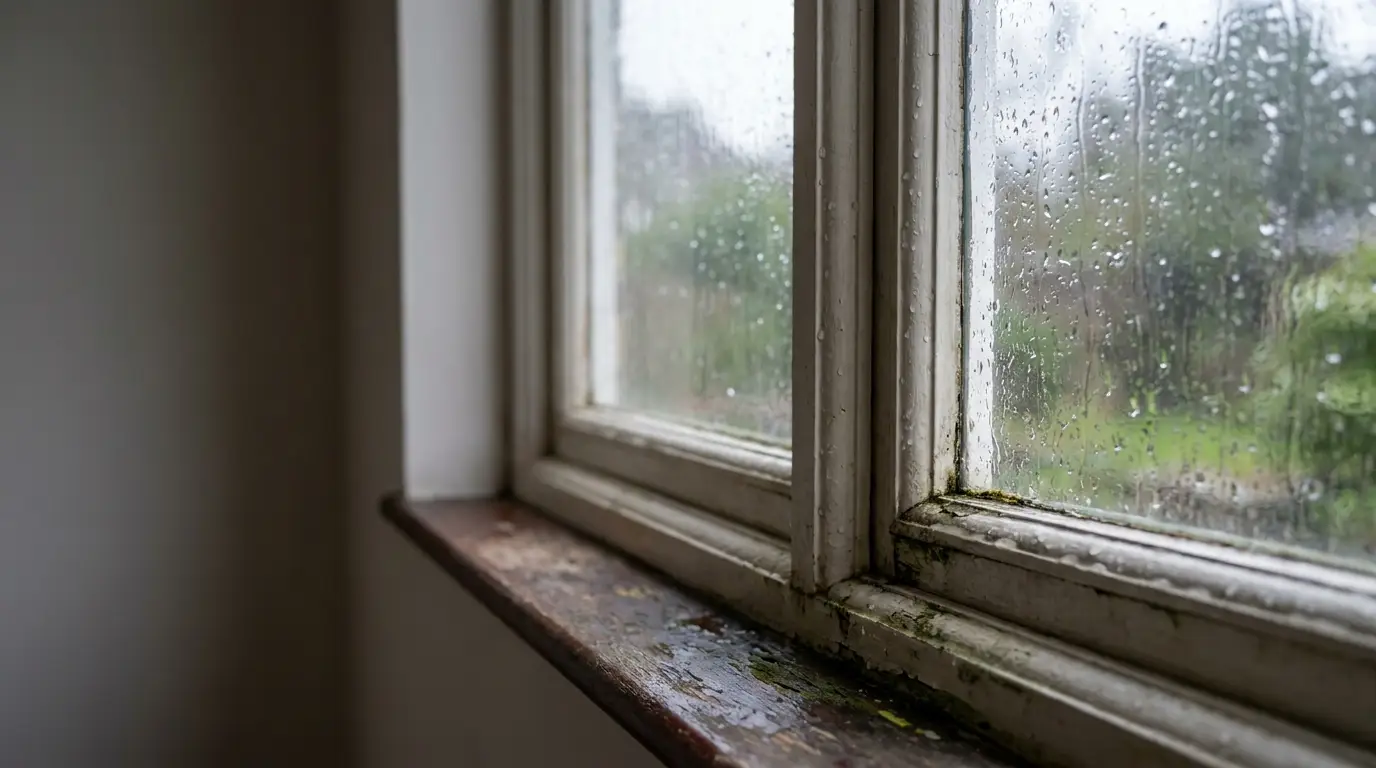
Moisture is one of the main causes of window deterioration. Wood can swell, peel, or decay when water reaches vulnerable areas. Fiberglass does not absorb water as readily, which helps in kitchens, bathrooms, shaded areas, and wet climates. Proper flashing remains essential. Still, the material provides our homes with a reliable barrier against damp conditions.
Finish Options
Durability should not force a plain design. Fiberglass frames come in a variety of colors, profiles, grille layouts, and exterior finishes. Slim sightlines can allow for more glass area, bringing daylight deeper into living spaces. Darker colors are also more practical than with some heat-sensitive materials. This range suits classic, transitional, and contemporary homes without excessive upkeep.
Structural Strength
Large openings place added pressure on frames. Fiberglass offers high strength for its size, so broad glass units can remain stable without bulky profiles. That helps picture windows, casement groups, and patio-facing rooms feel open and balanced. The material also resists dents from ordinary household activity. Strength matters most where windows are used regularly.
Long-Term Value
The purchase price tells only part of the cost story. A cheaper frame may require repainting, repair, or earlier replacement. Fiberglass often costs more than basic vinyl, but the added service life can offset that difference. Value comes from steady performance, fewer care tasks, and an appearance that holds up through changing seasons.
Installation Matters
Even a strong frame cannot compensate for poor fitting. Accurate measurements, level placement, flashing, insulation, and sealant work all shape final performance. Errors can lead to leaks, drafts, or difficult operation. Homeowners benefit from trained window professionals who know local weather patterns and product requirements. Careful installation lets the material perform as intended.
Room-Specific Requirements
Each room places different demands on a window. Casement units can provide tight closure and strong ventilation. Double-hung styles fit traditional architecture and make cleaning easier. Picture windows bring daylight into gathering areas without adding moving parts. Matching the style to the room’s function keeps each opening useful, efficient, and visually balanced.
Conclusion
Fiberglass windows offer a clear path for homeowners who want strength, moisture resistance, energy efficiency, and less maintenance. Their stable frames help protect seals, finishes, hardware, and smooth movement over many years. Product quality and installation still matter, but the material brings measurable advantages. For replacement projects and new builds, fiberglass is a sensible choice for comfort, appearance, and long-term dependability.

Holding a Master’s in Architecture from the University of Texas at Austin, Emily Rodriguez has dedicated more than two decades to the art and science of building renovation. Starting her journey in historic preservation, she developed a profound respect for blending old with new in building design. Emily became a vital part of our team in 2019, renowned for her insightful and innovative renovation tips. She has been leading our DIY home improvement series since ever since, where she shares her wealth of knowledge in turning outdated spaces into modern havens. When not engaged in writing or consulting, Emily is a passionate advocate for heritage conservation and enjoys exploring vintage architecture, a hobby that complements her professional expertise.