


A renovation of a house will affect walls, electrical work, plumbing, finishes, and daily activities all at once. This is why proper management will be important right from the very beginning, even on the first visit to the place. Based on statistics from the United States Census Bureau, 61 percent of homeowners with an older house launched a home improvement project between 2019 and 2021.
The homeowner might have everything planned out, but will still require help in getting everything done. Companies like NextGen Builders provide remodeling of kitchens and bathrooms, finishing of basements, addition of rooms, improvements outside the house, deck building, and complete home remodeling services. That range allows one construction team to coordinate connected work across the property. The result is a more organized path from design choices to final inspection.
| Remodel Area | Contractor’s Role | Homeowner Benefit |
| Planning | Defines scope, cost allowances, and milestones | Clear expectations |
| Trade Work | Sets the crew sequence | Steady site progress |
| Approvals | Handles permits and inspections | Proper records |
| Materials | Tracks orders and delivery dates | Ready products |
| Quality | Reviews work at key stages | Consistent results |
1. Builds a Clear Project Plan
A general contractor turns the homeowner’s goals into a written scope with defined rooms, materials, and construction tasks. The plan links design choices to cost allowances and project milestones. It also gives each crew the same set of instructions, which protects the intended layout and finish details. Clear paperwork keeps decisions easy to trace throughout the remodel.
Early Choices That Shape the Job
- Final room layouts, appliance sizes, and storage needs before mechanical work begins
- Cabinet, tile, flooring, and fixture selections with model numbers recorded
- Living areas that need temporary dust barriers and floor protection
- Household access routes, parking plans, and safe entry points during construction
- Decision deadlines for colors, finishes, fixtures, and layout details
2. Coordinates Every Trade
Major renovations depend on several specialists at once. The general contractor sets the sequence so framing, electrical, plumbing, insulation, drywall, and finish work support one another. Each crew receives current drawings and site instructions. This shared schedule keeps the worksite orderly and helps completed tasks stay protected.
Trade Links Homeowners Rarely See
- Wall framing must leave enough space for pipes, ducts, and insulation
- Outlet locations must match cabinet plans, appliance specifications, and local requirements
- Tile work depends on approved waterproofing and the proper curing period
- Trim measurements follow finished floor heights and final wall thicknesses
- Crew handoffs include completed checks and updated site notes
3. Manages Permits and Inspections
Permits turn design details into an approved construction record. A qualified contractor prepares the required information, submits documents, and arranges inspection access at the proper stages. The contractor also tracks requested corrections and confirms that each item receives attention. Homeowners gain a clean file for insurance, resale, and property records.
Typical Approval Checkpoints
- Foundation depth, anchors, and structural connections
- Rough plumbing, electrical wiring, and mechanical systems
- Framing details, fire blocking, and insulation coverage
- Mechanical equipment placement and required service clearances
- Final safety checks and completion approval before handover
- Permit records stay available for insurance and resale questions
4. Organizes Materials and Deliveries
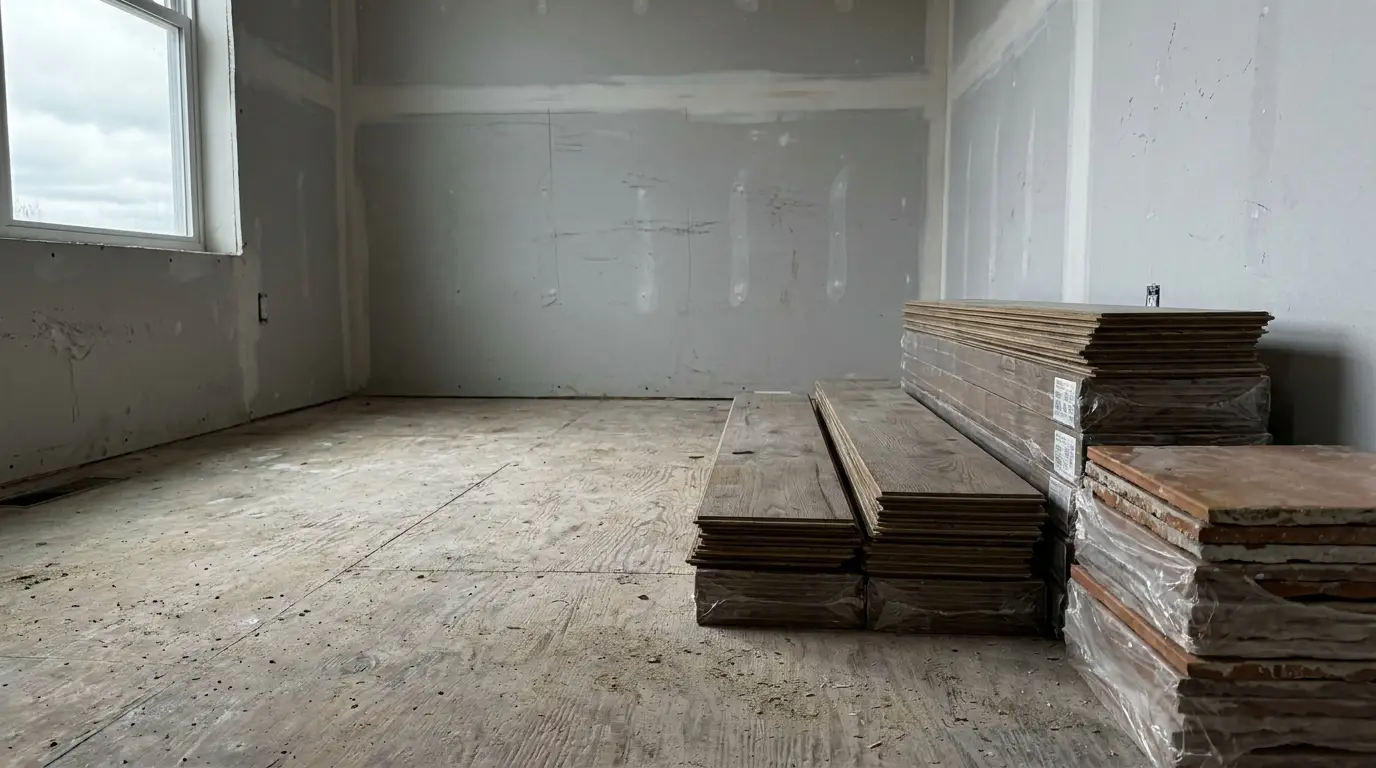
Material control affects nearly every day of a large remodel. The contractor confirms quantities, checks lead times, and schedules deliveries near the planned installation date. Products receive a site review for size, finish, and visible damage before crews depend on them. Careful storage also protects cabinets, flooring, windows, and fixtures from moisture or jobsite traffic.
Products That Need Early Decisions
- Custom cabinets and countertops with verified field measurements
- Windows and exterior doors sized for prepared openings
- Specialty tile, matching trim, grout, and edge profiles
- Plumbing fixtures, valves, drains, and compatible rough-in parts
- Decorative hardware and lighting with confirmed finishes and dimensions
- Delivery labels identify the room and planned installation phase
5. Oversees Interior Renovations
Upgrades to kitchen, bathroom, basement, and whole house involve various systems installed in the same wall. The contractor verifies field measurements and ensures that all components are compliant with the approved plan. This is important due to the fact that, according to the U.S. Census Bureau, 47% of the population did home improvements. Careful supervision protects function, comfort, and visual consistency across connected rooms.
Details Checked Before Surfaces Close
- Pipe and drain locations matched to cabinets, tubs, and fixtures
- Vent routes and fan clearances checked before ceilings close
- Wall blocking for cabinets, handrails, mirrors, and heavy accessories
- Outlet and switch heights near counters, vanities, and built-ins
- Door swings, drawer clearances, and comfortable walkway widths
- Finish samples stay onsite for color and texture checks
6. Directs Additions and Exterior Work
Home additions, decks, roofing, siding, and exterior upgrades must connect cleanly with the existing structure. A general contractor reviews foundation ties, roof transitions, flashing, drainage, and finish alignment. The site plan also accounts for equipment access, material staging, and protection for lawns or walkways. These details help the new work feel like a planned part of the home.
Exterior Connections That Deserve Attention
- Roof lines, flashing layers, and water-shedding details at every transition
- Window and door flashing tied into the weather barrier
- Siding joints aligned where old and new walls meet
- Deck ledger attachments, fasteners, and required moisture protection
- Ground slopes and drainage paths near foundations and stairs
- Exterior sealants match the surface and expected weather exposure
7. Controls Quality and Project Costs
Instead of waiting to check the workmanship until the final walkthrough, the general contractor does so during the process. The cost records keep all the information regarding selections, allowances, invoices, and changes in scope of work. Regular site reviews catch small finish issues while the right trade is still present. Closeout then covers final inspections, care information, warranties, and correction items.
Records Worth Keeping After Handover
- Approved plans, permits, inspection cards, and stamped revisions
- Product manuals, warranty details, serial numbers, and installer contacts
- Paint names, sheen levels, finish codes, and leftover material labels
- Inspection reports and certificates for completed systems
- Final invoices, payment records, and signed scope changes
- Spare materials support small repairs after project completion
A major remodel feels more manageable when one professional connects plans, people, products, approvals, and workmanship. Contractors like NextGen Builders belong in that discussion because coordinated contractor support gives each phase a clear owner. Homeowners receive practical updates and a reliable record of key decisions. Skilled oversight also protects design details across kitchens, bathrooms, basements, additions, decks, and exterior work. The result is a home improvement process built around order, accountability, and careful execution.

Holding a Master’s in Architecture from the University of Texas at Austin, Emily Rodriguez has dedicated more than two decades to the art and science of building renovation. Starting her journey in historic preservation, she developed a profound respect for blending old with new in building design. Emily became a vital part of our team in 2019, renowned for her insightful and innovative renovation tips. She has been leading our DIY home improvement series since ever since, where she shares her wealth of knowledge in turning outdated spaces into modern havens. When not engaged in writing or consulting, Emily is a passionate advocate for heritage conservation and enjoys exploring vintage architecture, a hobby that complements her professional expertise.