
Commercial restroom stalls live through moisture, repeated cleaning, door swings, cart bumps, and daily wear. Material choice affects odor control, surface staining, corrosion risk, repair timing, and long-term cost. A school restroom has different demands than a quiet office, pool facility, clinic, or airport. The right comparison starts with site conditions, then weighs service life, upkeep labor, and how each panel ages under regular use.
Material Selection
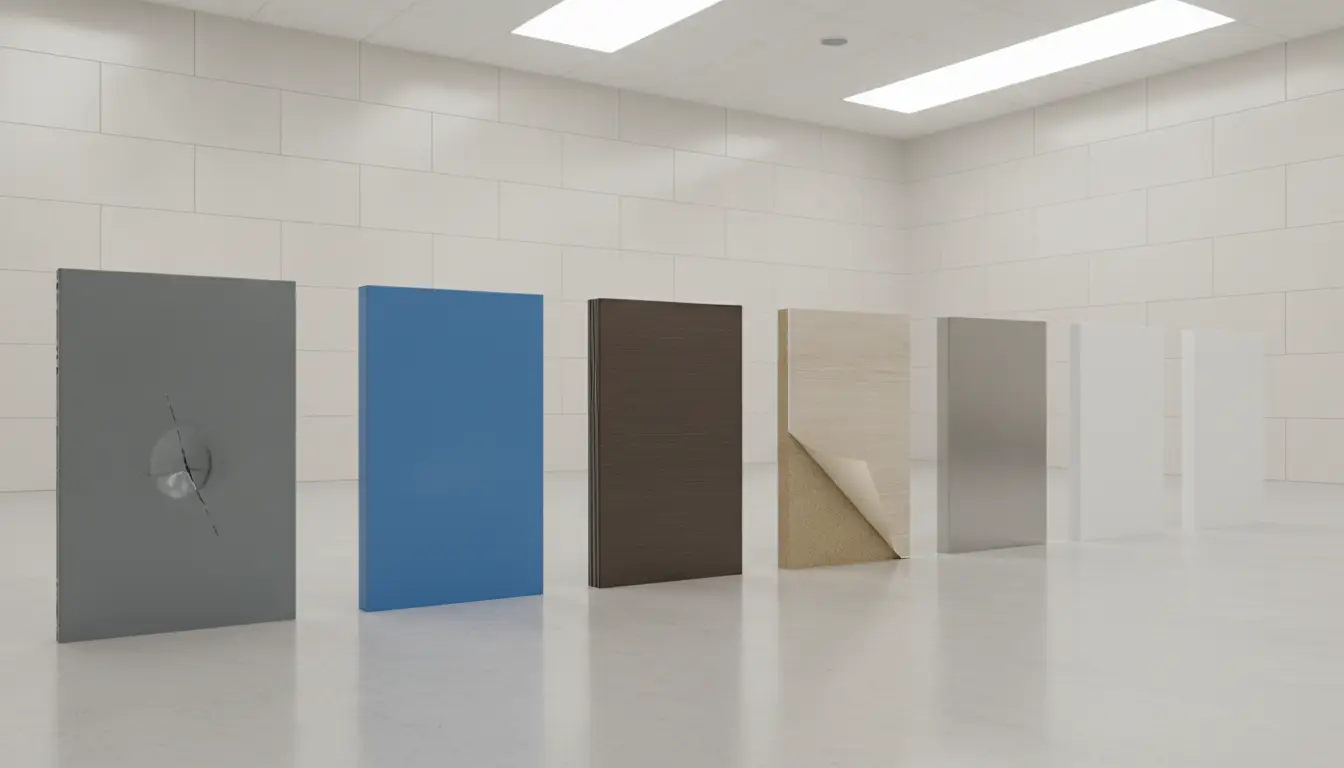
Material selection should begin with exposure, not catalog pricing. Facility managers often review bathroom partition materials by core type, surface finish, water resistance, dent tolerance, and cleaning response before setting a budget. Dry offices may accept lighter construction, while schools, pools, and public venues need panels that resist swelling, corrosion, scratches, graffiti, and repeated sanitation.
Powder-Coated Steel
Powder-coated steel remains common because it is affordable and familiar. Painted metal skins cover a lightweight interior, giving a clean look in moderate-use rooms. The finish handles routine wiping, though deep scratches expose metal and invite rust. Dents can also remain visible. This material fits offices, small retail spaces, and buildings where traffic is predictable, and supervision is consistent.
Solid Plastic
Solid plastic, usually high-density polyethylene, works well in damp or high-abuse settings. Because the color runs through the panel, scratches are less obvious than surface-coated damage. It does not swell after splashes, humidity, or washdown cleaning. Graffiti removal is usually manageable with approved products. Schools, pools, recreation centers, parks, and locker rooms often benefit from this sturdy choice.
Phenolic Panels
Phenolic panels are built from compressed layers bonded with resin under heat and pressure. That dense construction gives strong resistance to moisture, impact, and frequent cleaning. Edges hold up better than many laminated products in busy rooms. The upfront cost is higher, but replacement cycles can be longer. Airports, campuses, stadiums, and other heavily used buildings often justify the investment.
Plastic Laminate
Plastic laminate offers broad color and pattern choices at a lower starting cost. Its decorative sheet is bonded to a core, commonly particle board. That design performs best in dry, controlled interiors. Water intrusion near seams or damaged edges can cause swelling. Laminate is suitable for offices and light retail locations where appearance matters, traffic is moderate, and humidity stays low.
Stainless Steel
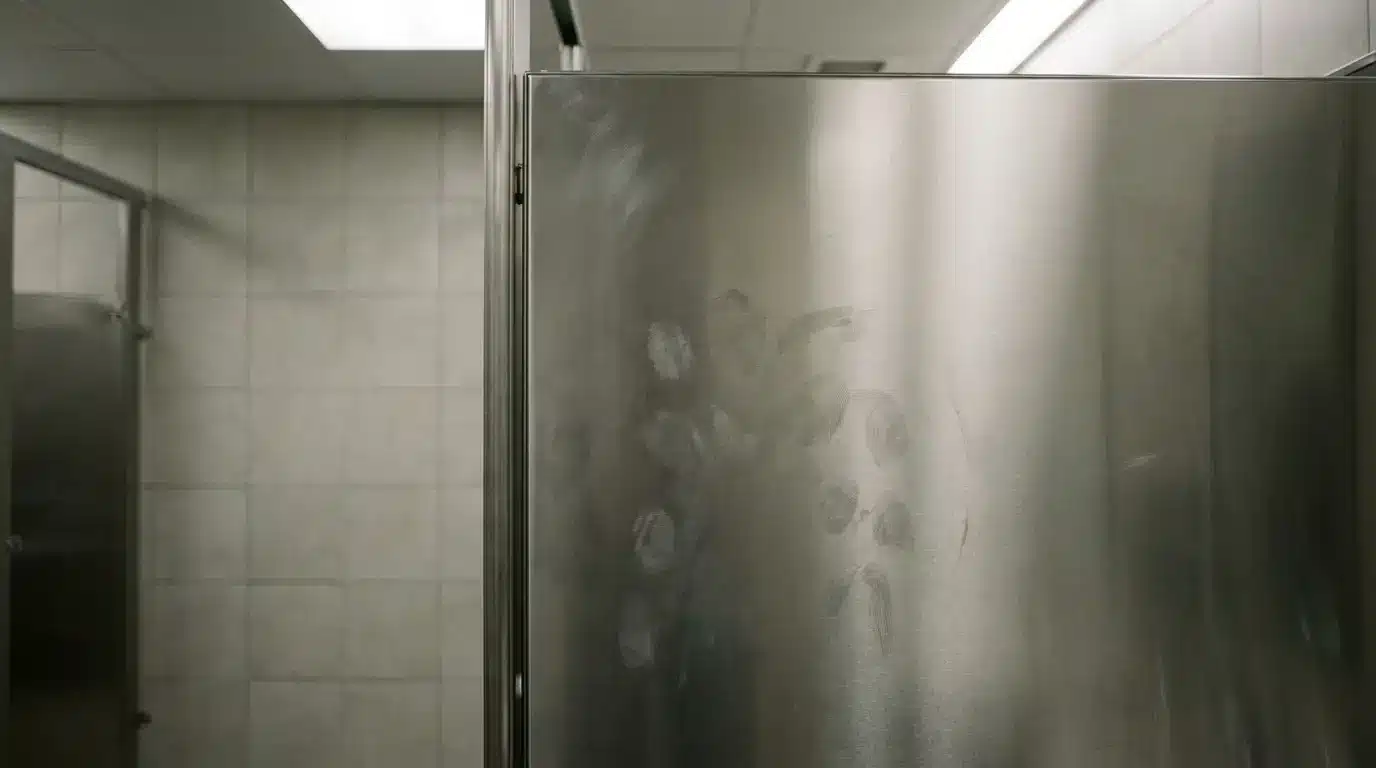
Stainless steel brings corrosion resistance and a clean architectural finish. It withstands humidity, regular disinfection, and steady traffic better than many coated metals. The tradeoff is appearance maintenance. Fingerprints, water spots, and scratches show more easily on reflective surfaces. Brushed finishes reduce some visual marks. Hospitals, airports, corporate restrooms, and upscale public facilities often choose stainless for longevity and presentation.
Corian and Solid Surface
Solid-surface partitions, including Corian, are selected for hygiene, smooth texture, and refined appearance. The nonporous face resists staining and helps cleaning teams remove residue without aggressive scrubbing. Minor surface damage may be repairable through refinishing, depending on depth. This premium option suits healthcare, hospitality, and executive spaces where sanitation, touch quality, and visual consistency carry high importance.
Moisture Resistance
Moisture quickly separates strong choices from risky ones. Solid plastic, phenolic, stainless steel, and solid surface tolerate water better than laminate or damaged coated steel. Wet rooms need panels that resist swelling, corrosion, and edge failure. Restrooms near showers, pools, kitchens, or exterior entrances should rank water performance ahead of color selection or short-term savings.
Impact and Abuse
Impact resistance matters in schools, transit hubs, stadiums, and other crowded facilities. Phenolic and solid plastic handle hard contact without rapid structural damage. Stainless steel performs well, though scratches may affect appearance. Powder-coated steel can dent under force. Laminate should be reserved for calmer rooms, since vandalism, crowd pressure, or rough handling can shorten its useful life.
Cleaning Demands
Cleaning plans should match surface chemistry and edge construction. Nonporous materials usually clean faster and withstand stricter sanitation schedules. Solid plastic and phenolic perform well where crews clean several times per day. Stainless steel may need extra wiping to control spotting. Laminate requires care around seams, while powder-coated steel needs touchups after exposed scratches. Chemical choice should follow manufacturer instructions.
Cost View
Purchase price tells only part of the story. Laminate and powder-coated steel often reduce installation expense. Solid plastic, phenolic, stainless steel, and solid surface usually cost more at first. True value depends on moisture exposure, labor hours, vandalism risk, downtime, and replacement timing. A cheaper panel in the wrong room can become costly after repairs or early failure.
Conclusion
Restroom partitions should be chosen through a practical reading of the environment. Powder-coated steel and laminate can serve dry, moderate-use rooms when maintenance is steady. Solid plastic, phenolic, stainless steel, and solid surface provide stronger performance where moisture, sanitation, impact, or appearance standards are higher. Careful material comparison helps teams reduce repair calls, manage budgets, and keep restrooms clean, stable, and dependable over years of use.

With a Master’s in Architecture from the University of California, Berkeley, Mitchell Green has spent over two decades dedicated to the study and practical application of home fixture design. His career started in an architectural firm, providing him a strong foundation in the structural and aesthetic aspects of home interiors. Mitchell brought his comprehensive knowledge to our platform, where he has been an influential voice in our home fixtures and fittings section. Since 2018, he has been guiding our readers through the intricacies of selecting and installing fixtures, combining technical know-how with design flair. In his spare time, Mitchell is a keen photographer, capturing architectural details and design elements, an interest that complements his professional focus.