
A flat roof doesn’t slope water away the way a shingled roof does.
Instead, it holds water in place until a drain, seam, or membrane deals with it directly.
That’s the whole reason flat roof maintenance looks different from typical roof care advice: it’s less about shedding water and more about managing where it sits.
A clogged scupper or a lifted seam can go unnoticed for months, since nothing about a flat roof forces the problem into view the way a dripping gutter would.
This blog covers what to check, how often, and what actually prevents that slow, quiet kind of damage
Why Does Flat Roof Maintenance Matter More?
A flat roof sits closer to the living space below it. And there’s no attic buffer between the membrane and your ceiling.
And a small leak can quickly reach the insulation and wiring. Insurance claims and warranties often depend on documented upkeep. Skip it, and coverage can lapse right when you need it. Structural stress builds quietly too.
Water and debris add real weight over time, and a strained roof deck can fail with little warning.
Pitched roofs shed problems on their own. Flat roofs need you to catch them first. That’s the real difference.
Know Your Flat Roof Before You Maintain It
Before you can properly maintain your flat roof, you need to know what it’s actually made of. Using the wrong materials or techniques for your specific roof type can sometimes turn a simple fix into a bigger problem.
Flat roofs come in several systems, each with its own care requirements, lifespan, and repair methods.
| Material | Key Features |
|---|---|
| EPDM (Rubber Roofing) | Flexible, durable, long lifespan; needs specific adhesives and seam treatments |
| TPO (Thermoplastic Polyolefin) | Energy-efficient, heat-welded seams, reflective surface |
| PVC (Polyvinyl Chloride) | Chemical- and grease-resistant, durable seams |
| Modified Bitumen | Asphalt-based, installed in layers, strong durability |
| Built-Up Roofing (BUR) | Multi-layer system with asphalt and reinforcing fabric |
Community Insights and Perspectives: Flat Roof Maintenance
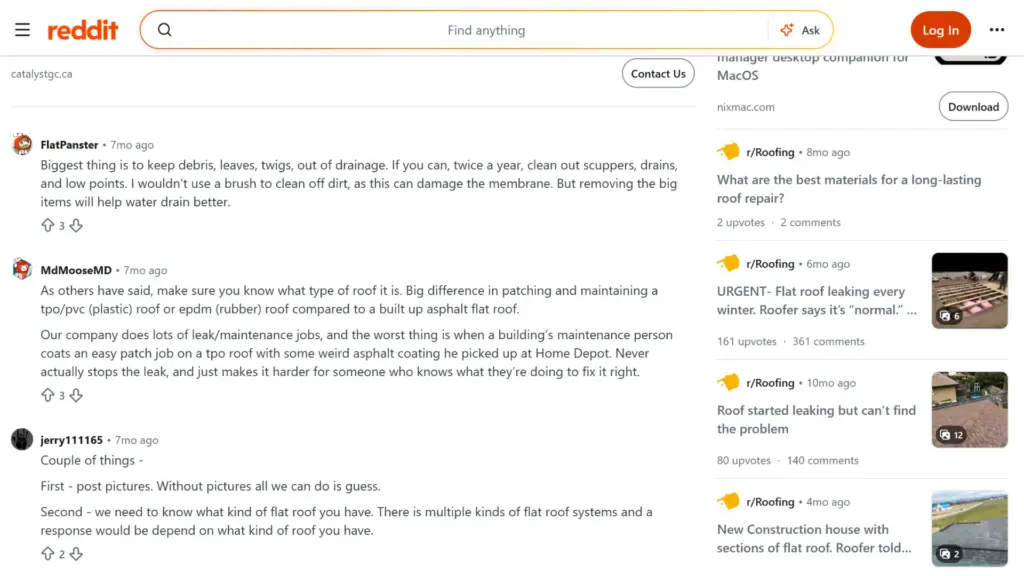
Homeowners on Reddit ask the same questions you have.
A new homeowner asked how to keep a flat roof leak-free. The replies gave a clear picture of what actually works.
Experienced roofers weighed in. Clear drains and scuppers twice a year, without scrubbing the membrane. Know your exact roof type before any repair. Mismatched materials turn small fixes into bigger leaks.
A few also flagged ponding water as the fastest way to void a warranty.
One homeowner skipped maintenance entirely. A full roof replacement followed, sooner than expected.
Others in the thread said the same story, just with different roofs.
Your Flat Roof Maintenance Checklist: Seasonal and Annual
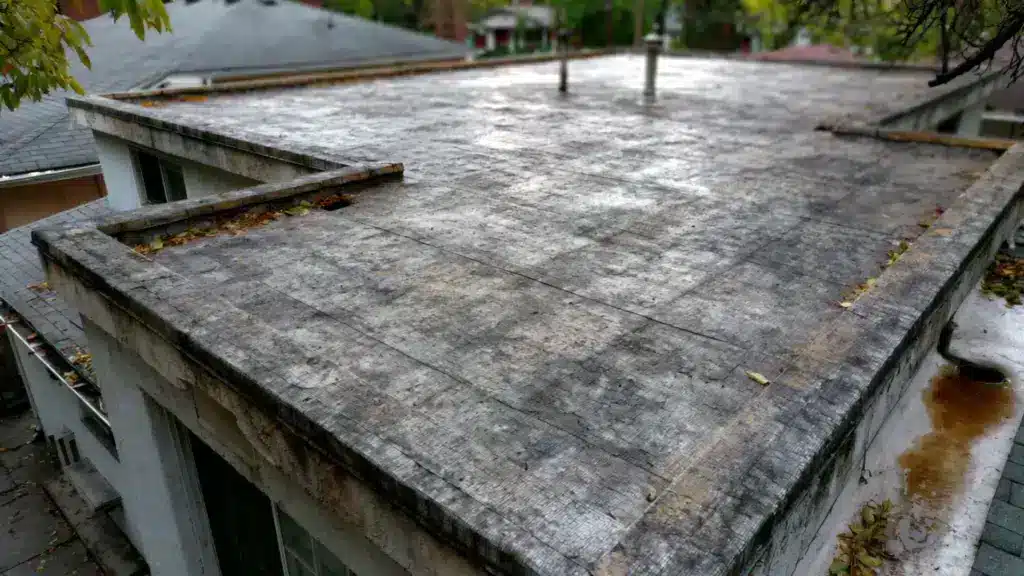
Breaking up care into a simple cadence makes it far easier to stick with than a vague “check it sometimes” plan.
- Run a hose over the drains to confirm water flows freely, not just visibly clear.
- Scan shaded areas of the membrane for algae, moss, or fungal growth.
- Check parapet wall caps and coping joints for cracked or shrinking caulk.
- Confirm downspout extensions carry water away from the foundation, not just off the roof edge.
- Check rooftop equipment mounts (HVAC units, vent stacks, solar anchors) for loosened bolts or shifting.
- Note any musty odor or ceiling discoloration near the roofline, even if there is no visible ponding.
- Review your insurance policy or manufacturer warranty to confirm your upkeep still meets its requirements.
- Ask your inspector whether a protective coating is due; most need reapplication every 5 to 10 years.
- Set aside a small repair fund based on the roof’s age and remaining expected lifespan.
Essential Tools and Safety Gear for Flat Roof Maintenance
A few basic tools and safety items make roof checks faster and far less risky.
| Tool or Gear | Purpose |
|---|---|
| Fall-arrest harness and anchor point | Prevents falls on roofs with low or no parapet edge |
| Rubber-soled work boots | Grips wet or dusty membrane surfaces |
| Moisture meter | Detects trapped water under the membrane before it surfaces as a leak |
| Seam roller | Presses down, lifts, or loosens seam edges during a quick fix |
| Utility knife | Trims damaged membrane sections cleanly before patching |
| Roof rake with padded head | Clears heavy snow load without gouging the surface |
| Waterproof tarp | Covers an active leak temporarily until a proper repair happens |
| Knee pads | Reduces strain during long inspection or patching sessions |
| Binoculars | Spots visible damage from the ground when climbing isn’t safe |
How to Safely Inspect a Flat Roof Yourself
Check the weather first. Skip cloudy-turned-windy days.
Tell someone you’re going up, and set a time to check back in. Keep both hands free; carry tools in a waist pouch, not in your hands. Move slowly along the perimeter before crossing the open field.
Test soft-looking spots with light pressure from your foot, not full weight.
Photograph anything unusual for later comparison.
Skip the inspection entirely if you feel unsteady at any point, and call a professional instead.
How to Clean a Flat Roof Without Damaging It
A pressure washer can tear or lift the membrane, so stick to a garden hose on a low, steady flow.
Work in one direction, toward the drains, so loosened grit doesn’t resettle elsewhere.
- Use a pH-neutral cleaner; never use bleach or ammonia-based products.
- Clean in the early morning or evening, not full midday heat.
- Rinse thoroughly; leftover soap residue attracts more dirt over time.
- Avoid pressure on seams and flashing edges entirely.
Let cleaning solutions sit briefly before rinsing, but never let them dry on the surface.
A soft mop works better than a stiff-bristled one for stubborn stains.
Practical Tips to Keep Your Flat Roof in Good Condition
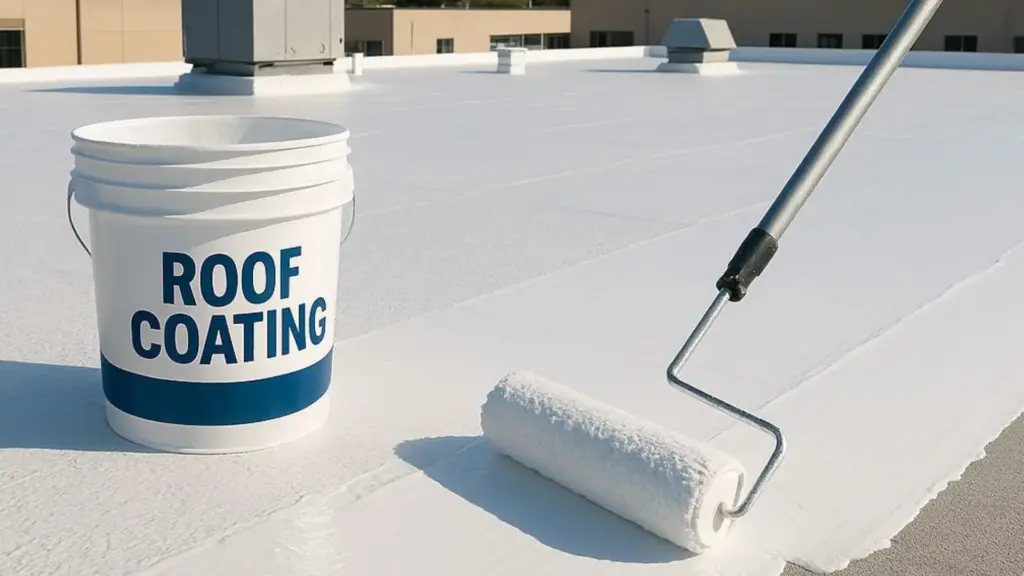
Keeping a flat roof in good shape doesn’t require major effort, just consistency.
However, a few simple habits done regularly can prevent the most common issues before they turn into costly repairs.
1. Keep Drains and Scuppers Clear
Clogged drains are the leading cause of standing water on flat roofs. Check and clear leaves, twigs, and dirt from drains, scuppers, and gutters at least twice a year, especially in fall and after storms.
Use your hands or a soft brush rather than stiff bristles, which can scratch or damage the membrane.
Proper drainage directs water off the roof, preventing pooling that can weaken the surface and shorten the roof’s lifespan.
2. Inspect the Roof Surface Regularly
Walk your roof safely every few months to catch small issues before they escalate into costly repairs.
Look closely for cracks, blisters, bubbling, or areas where the membrane appears lifted or worn thin. Pay extra attention to seams, edges, and flashing points, since these areas are more prone to damage.
Catching a small tear early usually means a quick, inexpensive fix instead of a major roofing project later on.
3. Address Ponding Water Quickly
Water sitting on your roof for more than 48 hours can weaken the membrane, even without an immediate visible leak. Identify and fix the cause, like a clogged drain or blocked pathway, instead of waiting for it to evaporate.
Ignoring ponding water shortens your roof’s lifespan; treat it as a priority.
4. Know Your Roofing Material
Understanding whether your roof is EPDM, TPO, PVC, modified bitumen, or built-up roofing determines which cleaning products, sealants, and repair methods are safe to use.
Applying the wrong material, like asphalt-based products on a TPO roof, can worsen leaks instead of fixing them.
Confirm your roof type in your home records or with a professional before any DIY repairs, coatings, or maintenance.
5. Limit Foot Traffic
Flat roofs aren’t built to handle constant walking, and repeated pressure gradually wears down the membrane.
Every step adds strain that can cause cracks, punctures, or loosened seams, especially near edges and flashing.
If you need to access the roof, use designated walk pads where available and avoid dragging tools or equipment across the surface to preserve the protective layer and extend its lifespan.
6. Trim Overhanging Branches
Trees over your roof can drop leaves, twigs, and sap, clogging drains and damaging the membrane in strong winds.
Trimming branches once or twice a year reduces debris and the risk of falling limbs, preventing punctures during storms. It also reduces moisture buildup from trapped leaves, which can accelerate membrane wear if left unchecked.
7. Schedule Yearly Professional Inspections
Even with regular DIY checks, having a professional inspect your flat roof annually provides extra protection.
Professionals spot subtle issues such as seam separation, flashing damage, or membrane thinning that aren’t always obvious to the untrained eye. This is especially crucial for older roofs or after severe weather, often costing less than fixing undetected issues.
8. Apply Reflective or Protective Coatings
Reflective coatings reduce UV damage and help control surface temperature, preventing the membrane from drying out, cracking, or becoming brittle over time.
These coatings are especially valuable in regions with intense sun exposure.
Not every roofing material is compatible with every coating type, so confirm compatibility with your specific roof before applying one, ideally with guidance from a roofing professional or manufacturer.
9. Check Flashing Around Vents and Skylights
Flashing seals the edges around vents, skylights, and pipes on the roof, and it often causes leaks if it cracks or deteriorates.
Inspect for gaps, rust, or loose sealant during each roof check. Catching flashing issues early prevents water seepage beneath the membrane, avoiding hidden damage before indoor leaks occur.
10. Clear Debris After Storms
Heavy storms often leave behind leaves, branches, and dirt that can block drainage and trap moisture against the roof surface.
After any significant weather event, do a quick sweep to remove debris before it has a chance to settle into low points or damage the membrane.
This habit prevents small storms from causing long-term drainage or moisture issues.
11. Watch for Blisters and Bubbling
Blisters or bubbles on the membrane often indicate trapped air or moisture beneath the surface, which can worsen over time if left unaddressed.
During regular inspections, gently check any raised areas for softness or cracking.
Catching this early allows for a simple patch repair, while ignoring it can lead to larger membrane failures that require more extensive and costly professional repair work.
12. Avoid DIY Repairs Without Proper Knowledge
While some maintenance tasks are safe for homeowners, repairs involving sealants, patches, or coatings should only be attempted with a clear understanding of your roof’s material.
Using incompatible products can worsen leaks or void manufacturer warranties. If you’re unsure about a repair, it’s safer to consult a roofing professional rather than risk turning a minor issue into a major, expensive problem.
13. Keep an Eye on Seams and Edges
Seams and roof edges are common weak points where membranes can separate or lift over time due to exposure to weather and temperature changes.
Regularly check these areas for gaps, loose edges, or visible wear during your inspections.
Addressing small separations early with proper sealant prevents water infiltration, which can otherwise travel beneath the membrane and cause hidden structural damage over time.
14. Monitor Roof Load During Winter
Heavy snow accumulation can add significant weight to a flat roof, increasing the risk of structural stress or drainage blockages from ice.
If you live in a snow-prone area, check your roof periodically during winter and safely remove excess snow buildup if needed.
Preventing ice dams and excess weight protects both the membrane and the underlying structure from long-term damage.
15. Keep Records of Inspections and Repairs
Maintaining a simple log of inspection dates, repairs, and any issues noticed helps track your roof’s condition over time.
This record becomes valuable when scheduling professional inspections, filing warranty claims, or deciding when a full replacement might be necessary.
Consistent documentation also helps you notice patterns, like recurring problem areas, that might need a more permanent solution.
16. Choose Manufacturer-Approved Products for Repairs
When patching or sealing any part of your flat roof, always use products specifically approved for your roofing material.
Mismatched products can compromise the membrane’s integrity and lead to bigger leaks down the line.
Manufacturer guidelines exist for a reason, and following them ensures repairs actually hold up rather than creating new vulnerabilities in your roof’s protective barrier.
17. Don’t Delay Repairs Once Issues Are Found
Even small cracks, minor leaks, or slight membrane wear should be addressed as soon as they’re noticed rather than postponed.
Delaying repairs often allows minor issues to expand into larger, more expensive problems, including structural damage or full roof replacement.
Treating early warning signs seriously is one of the simplest ways to significantly extend your flat roof’s lifespan.
Common Flat Roof Problems and How to Prevent Them
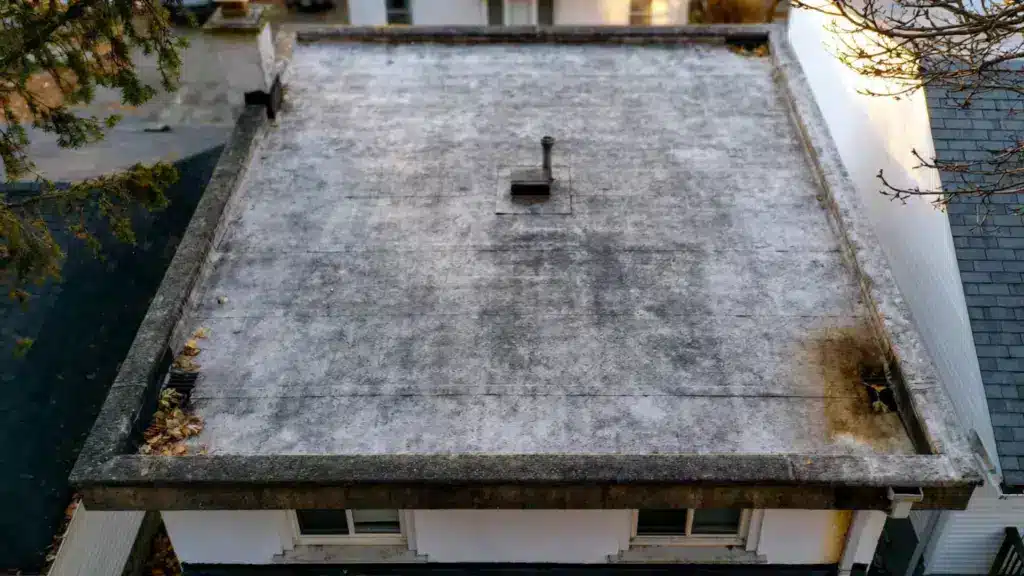
Different failures happen on flat and pitched roofs, and early detection prevents minor fixes from becoming major repairs.
Membrane Shrinkage
Repeated heat and cold cycles pull the membrane tight at corners and edges.
Seams separate slowly, often unnoticed until a leak appears. Regular corner checks catch this before it spreads.
Rusted or Corroded Metal Flashing
Exposed metal edges and drip strips corrode faster in humid or coastal climates. Rust weakens the seal beneath it. Swap corroded flashing before it fails completely.
Fastener Back-Out
In mechanically attached systems, screws and plates gradually work loose due to thermal movement.
Raised fasteners puncture the membrane above them. A magnet sweep during inspection finds these fast.
Ice Damming Behind Parapet Walls
Snowmelt refreezes against parapet walls, blocking drainage paths.
Trapped water backs up under the membrane. Clear drainage channels before freezing temperatures set in.
Pest Nesting Under Lifted Edges
Small gaps at the edges or in the flashing invite birds and insects to nest underneath. Their activity lifts the membrane further, trapping moisture. Seal lifted edges as soon as they’re spotted
Roof Drain and Gutter Upcare that Prevents Ponding Water
Install a strainer basket or dome guard over every drain opening; it stops leaves and grit before they reach the pipe.
Check that the roof surface still slopes toward each drain bowl, not away from it, since settling can flatten that slope over years. Overflow scuppers exist as a backup path, so confirm they aren’t sealed shut or painted over.
Flush the interior drain runs occasionally, since sediment builds up in the pipes even when the surface looks clear.
In cold climates, fit scuppers with small heat cables to stop ice blockages before they form.
Trees, Traffic, and Rooftop: Hidden Sources of Roof Damage
Damage often comes from sources homeowners never think to check.
- Sap and pollen from nearby trees create a sticky film that traps fine grit against the membrane.
- Wind can fling branches from a neighbor’s yard, not just your own trees.
- Cable or satellite installers often walk the roof without using walk pads.
- Ladders leaned directly against the roof edge can crush flashing on contact.
Service crews add up over time. A single HVAC repair visit, a satellite install, a painter’s ladder none of it feels significant alone. Together, that unmanaged traffic wears down edges and seams faster than weather ever could
DIY vs. Professionals: Flat Roof Maintenance
A few basic tools and safety items make roof checks faster and far less risky.
| DIY | Professional |
|---|---|
| Clearing surface debris and leaves | Applying a seam adhesive patch |
| Checking parapet caulk from ground level with binoculars | Heat-welding a TPO membrane seam |
| Photographing suspected damage for records | Diagnosing hidden moisture under the membrane |
| Trimming low-hanging branches near the roofline | Applying a full reflective coating system |
| Testing drain flow with a garden hose | Structural assessment of a sagging deck |
Flat Roof Maintenance Mistakes People Make Again and Again
Storing planters, furniture, or bins on the membrane traps moisture and adds unsupported weight.
Assuming a fresh coating fixes structural or membrane damage, not just surface wear, is another one.
Small blisters get ignored too, in the hope they’ll self-seal; they rarely do. Homeowners skip before-storm photos, then struggle to prove damage for an insurance claim later.
A repaired spot often gets forgotten entirely, with no follow-up check to confirm the fix held.
Each mistake looks minor alone, but together, they shorten a roof’s life fast
How Much Does Flat Roof Maintenance Cost?
Basic drain clearing and a visual check often cost $150 to $300, less than a typical plumbing service call.
Annual professional inspections typically cost $200 to $600, though pricing varies by region and roof size.
Small patch repairs cost $250 to $800. Full membrane replacement runs far higher, often $4,000 to $12,000 for an average home. Reflective coatings add $2 to $5 per square foot, but stretch the roof’s remaining life.
How to Extend the Lifespan of a Flat Roof
A few consistent habits do more for a flat roof’s lifespan than any single repair ever will.
- Inspect the roof regularly to identify cracks, leaks, damaged seams, or drainage issues before they worsen.
- Remove leaves, dirt, and debris from the roof surface to prevent moisture buildup and blocked drainage.
- Keep gutters, drains, and scuppers clear so rainwater can flow properly and avoid ponding.
- Use repair materials that are compatible with the existing roofing system to prevent further damage.
- Keep records of inspections, repairs, and maintenance work to track the roof’s condition over time.
End Note!
Flat roof maintenance isn’t glamorous work, but it’s the difference between a roof that lasts fifteen years and one that lasts thirty.
Every habit in this piece, clearing drains, checking seams, catching blisters early, adds up to fewer surprises and smaller bills.
A roof deck doesn’t sag overnight; it gets there through years of skipped inspections and postponed patches.
So, treat your flat roof the way you’d treat anything else holding your house together: with attention before there’s a problem, not after.
What’s the strangest flat roof issue you’ve run into? Tell us below.
Frequently Asked Questions (FAQ’s)
1. How Long Do Flat Roofs Typically Last?
Most flat roofs last between 10 and 25 years, depending on the material and how well they’re maintained.
2. Can I Walk on My Flat Roof Safely?
Yes, but only occasionally and carefully, since frequent foot traffic can wear down the membrane over time.
3. What’s the Biggest Mistake Homeowners Make?
Ignoring regular maintenance until a leak or visible damage appears, which often leads to costlier repairs.
4. How Often Should a Flat Roof Be Inspected?
A visual check every few months is ideal, along with at least one professional inspection every year.
5. Why Does Water Pool on Flat Roofs?
Pooling usually occurs due to clogged drains, low spots, or poor drainage slope on the roof.

Tommy Hardy, an alumnus of the Georgia Institute of Technology with a degree in Mechanical Engineering, has been a go-to figure in residential upkeep and innovation for over 18 years. His career commenced in a leading home appliance manufacturing company, where he mastered the intricacies of household systems. Joining our platform in 2020, Tommy quickly became a reader favorite for his practical and easy-to-follow guides. He took the helm of our DIY section in 2019, consistently delivering content that empowers homeowners. Beyond his professional pursuits, Tommy is a passionate gardener and enjoys woodworking, skills enhancing his hands-on approach to home care.