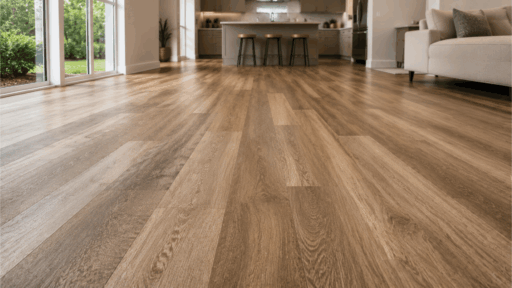
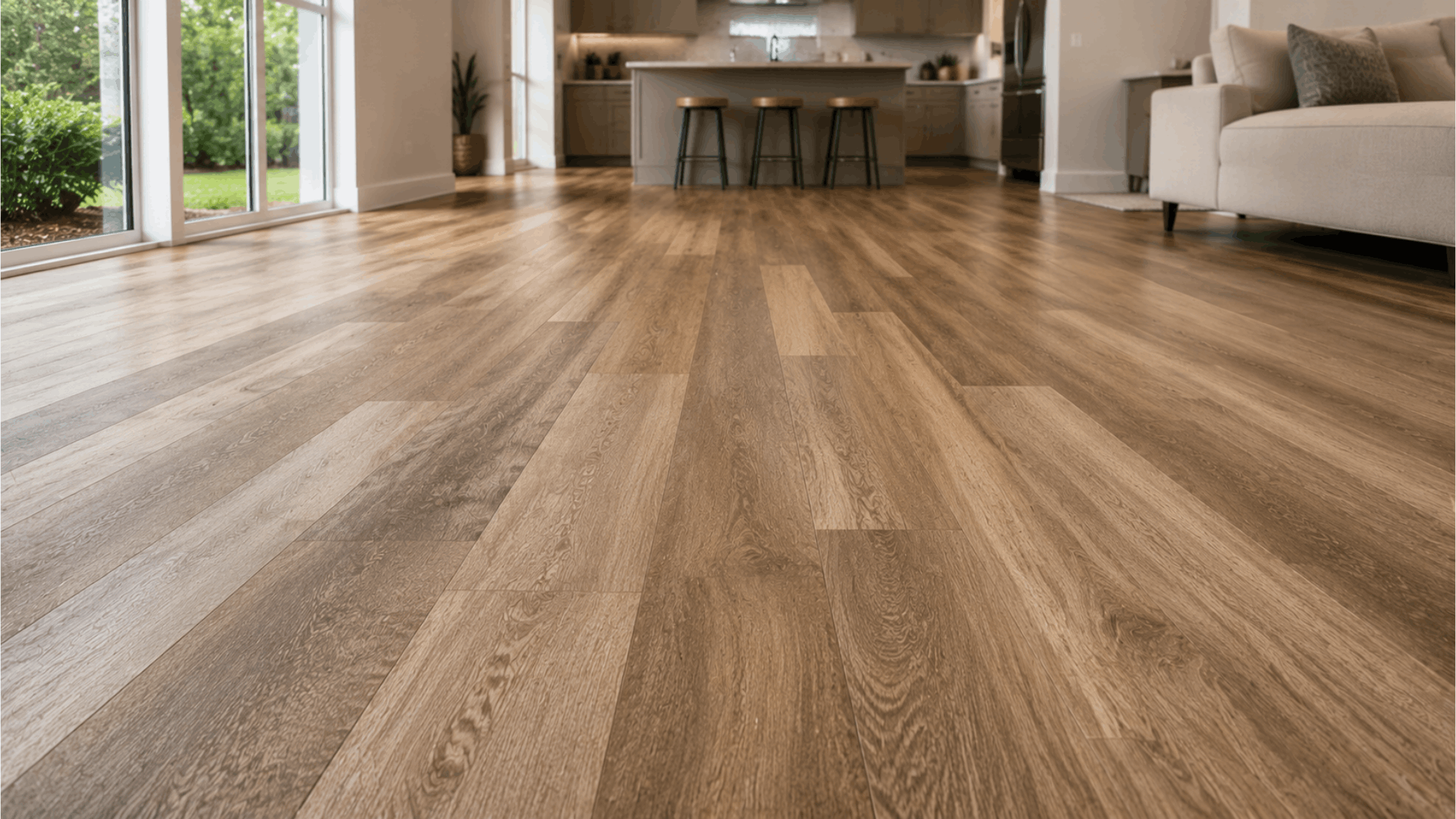

Luxury vinyl plank flooring is popular because it looks great, handles daily wear, and is easier to maintain than many other flooring types.
Still, many homeowners wonder about the best way to clean LVP flooring without leaving streaks, dull spots, or damage behind.
The good news is that keeping these floors clean does not require expensive products or complicated routines. A few simple habits can help your floors stay fresh and attractive for years.
In this guide, you’ll learn how to clean luxury vinyl flooring, which tools work best, which products to avoid, and what real homeowners commonly recommend.
Before You Mop, Understand What Makes LVP Flooring Different
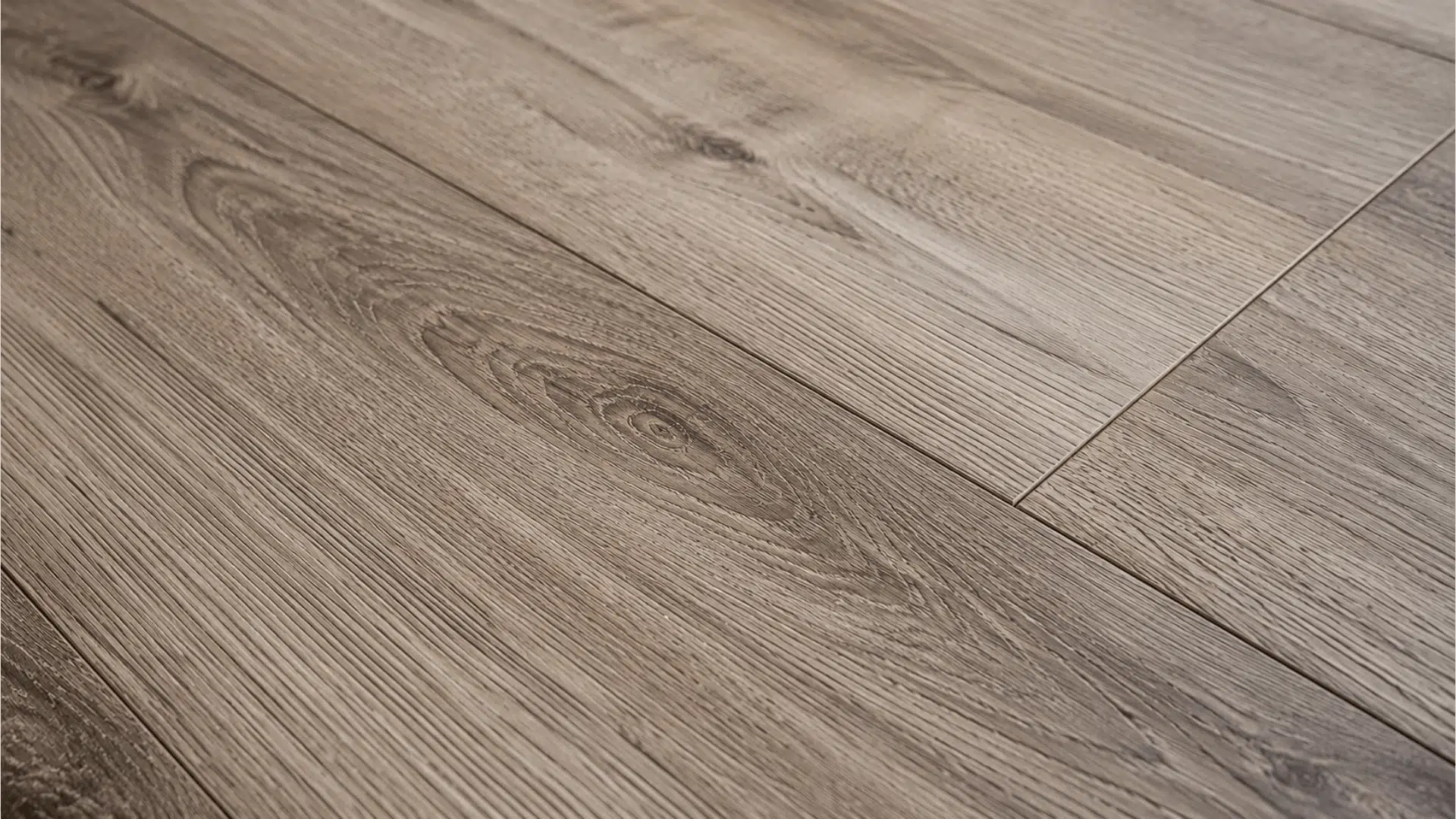
Before choosing a cleaner, it helps to know why LVP flooring needs gentle care. Luxury vinyl plank is made to look like wood, but it is not cleaned the same way as hardwood or tile.
It usually has several layers, including a backing layer, image layer, and protective wear layer. That top layer is what helps protect the floor from daily scratches, stains, and foot traffic.
However, too much water, steam, harsh cleaners, or rough scrubbers can dull or damage that surface over time.
Why Proper Cleaning Matters
Proper cleaning matters because LVP flooring can lose its shine if it is treated too roughly. Harsh cleaners, steam mops, and too much water can damage the protective surface or leave a dull film behind.
Gentle cleaning helps the floor stay fresh, smooth, and attractive for longer. A simple routine with a microfiber mop and safe cleaner is usually enough for most homes.
How Dirt Can Affect Floor Appearance
Dirt may seem harmless, but it can make LVP floors look dull over time. Small grit, sand, and dust can act like tiny scratches when people walk across the floor.
This is especially common near entryways, kitchens, and high-traffic areas. Sweeping or vacuuming regularly helps remove that debris before it spreads. Clean floors reflect light better and look newer.
What Manufacturers Usually Recommend
Most LVP flooring manufacturers recommend simple, gentle cleaning methods.
They usually suggest sweeping or vacuuming first, then mopping with a damp microfiber mop and a pH-neutral cleaner.
Many also warn against steam mops, wax, abrasive pads, ammonia, and soaking the floor with water. Since products can vary by brand, it is always smart to check the care guide that came with your flooring.
Here are the Best Tools to Use to Clean LVP Flooring
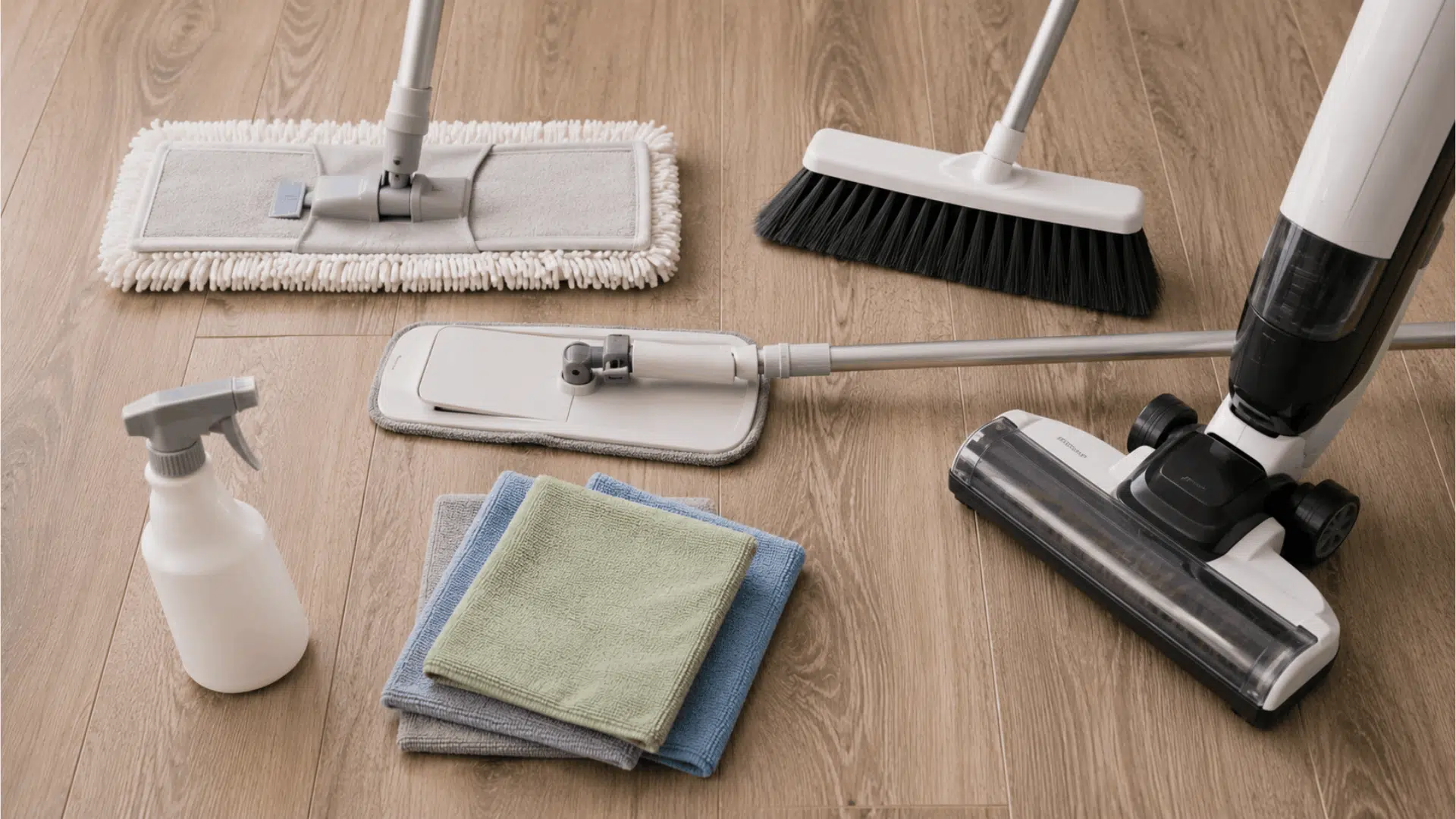
Once you understand how LVP flooring is made, choosing the right cleaning tools becomes much easier.
The goal is to remove dust, dirt, and spills without scratching the surface or using too much water. In most homes, you do not need fancy equipment.
A microfiber dust mop, soft broom, hard-floor-safe vacuum, spray mop, and soft cloth can handle most cleaning jobs.
These tools are gentle enough for the wear layer but strong enough for daily messes.
I always think of LVP cleaning as “light but regular.” The less dirt sits on the floor, the easier it is to keep the surface looking clean, smooth, and streak-free.
1. Microfiber Dust Mops
Microfiber dust mops are one of the best tools for daily LVP cleaning.
They pick up dust, pet hair, crumbs, and fine dirt without scratching the floor. Since microfiber is soft, it is safer than rough pads or stiff scrubbers.
Use it dry for quick daily cleaning or slightly damp for light touch-ups. It works especially well in kitchens, hallways, and busy living areas.
2. Soft Bristle Brooms
A soft bristle broom is helpful when you need a quick sweep. It removes loose dirt without dragging harsh fibers across the floor.
This is useful near entryways where grit, sand, or outdoor debris can collect. Avoid stiff outdoor brooms because they may leave marks over time.
A gentle indoor broom is a simple, budget-friendly tool for keeping LVP floors clean between deeper mops.
3. Vacuums Safe for Hard Floors
A vacuum can make cleaning LVP flooring faster, especially if you have pets, kids, or high-traffic rooms.
Choose a vacuum made for hard floors or one with the brush roll turned off. Spinning brushes can sometimes scratch or dull the surface.
A soft floor head works best. Vacuuming regularly helps remove tiny dirt particles before they spread or create a cloudy look.
4. Spray Mops and Microfiber Pads
Spray mops with microfiber pads are great for weekly cleaning because they use controlled moisture.
This matters because LVP flooring should be damp mopped, not soaked. A spray mop lets you clean small sections without leaving too much liquid behind.
Use a gentle cleaner that is safe for luxury vinyl flooring. After mopping, the floor should dry quickly without sticky residue or streaks.
5. Soft Cleaning Cloths
Soft cleaning cloths are perfect for spills, sticky spots, and small messes. Instead of mopping the whole room, you can treat one area quickly and gently.
A damp microfiber cloth works well for food spills, scuffs, or dirt near corners. Keep a few cloths nearby if you have pets or children. Fast cleanup helps prevent residue from drying onto the floor.
Here’s How to Clean Luxury Vinyl Flooring
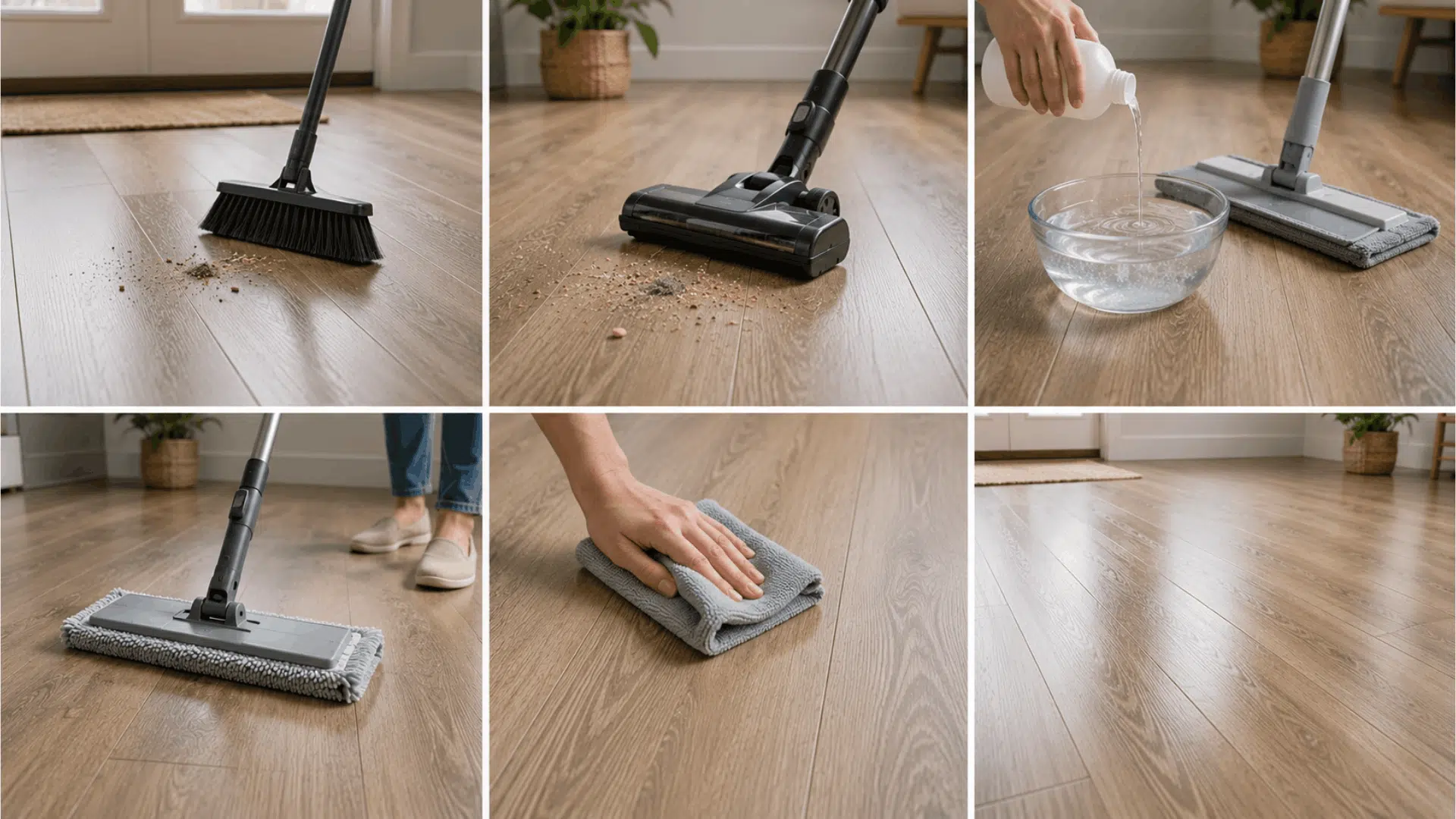
Once your tools are ready, cleaning luxury vinyl flooring becomes simple. The main goal is to remove loose dirt first, then clean with light moisture instead of soaking the floor.
LVP can handle everyday messes, but too much water or harsh cleaner can leave streaks, dullness, or damage over time.
A steady routine works better than deep scrubbing once in a while. Start with sweeping or vacuuming, mix a safe cleaner, and mop in small sections.
After that, dry busy areas and check for sticky spots. This method is easy, safe, and works well for homes with kids, pets, and daily foot traffic.
Step 1. Remove Loose Dirt and Dust
Start by removing loose dirt, dust, crumbs, and pet hair before mopping. This step matters because small grit can scratch or dull the floor when dragged around with a mop.
Use a microfiber dust mop, soft broom, or hard-floor-safe vacuum. Pay extra attention to entryways, kitchens, and corners where dirt collects.
Once the surface is clear, the mop can clean more evenly and leave fewer streaks behind.
Step 2. Prepare a Safe Cleaning Solution
Choose a cleaner made for luxury vinyl flooring or mix a small amount of mild dish soap with warm water.
The solution should be gentle, not harsh or heavily scented. Avoid bleach, ammonia, wax, and abrasive cleaners because they can damage or dull the protective layer.
If you are unsure, check your flooring manufacturer’s care guide first. A safe solution helps clean dirt without leaving sticky residue or cloudy marks.
Step 3. Mop With a Damp, Not Wet Mop
Use a damp microfiber mop, not a soaking wet one. Too much water can seep into seams and edges, especially if the floor was not installed tightly.
Mop in small sections and rinse or replace the pad when it gets dirty. The floor should dry quickly after each pass.
This simple habit helps prevent streaks, water spots, and moisture-related problems while keeping the surface clean and fresh.
Step 4. Dry High Traffic Areas
After mopping, dry high-traffic areas with a clean microfiber cloth or dry mop pad. This is especially helpful near doors, kitchens, hallways, and places where people walk often.
Drying these spots reduces streaks and prevents moisture from sitting on the floor. It also helps the surface look cleaner and brighter.
This quick step is useful if your floor tends to show footprints or water marks.
Step 5. Check for Remaining Spots
Once the floor is dry, look for sticky spots, scuffs, or missed dirt. Use a damp microfiber cloth to clean small areas instead of mopping the whole room again.
For scuffs, gentle rubbing is usually enough. Avoid rough scrubbers because they can scratch the wear layer.
A final check helps your LVP flooring look polished and keeps small messes from becoming harder to clean later.
While Cleaning Works Best, Prevention Makes the Biggest Difference
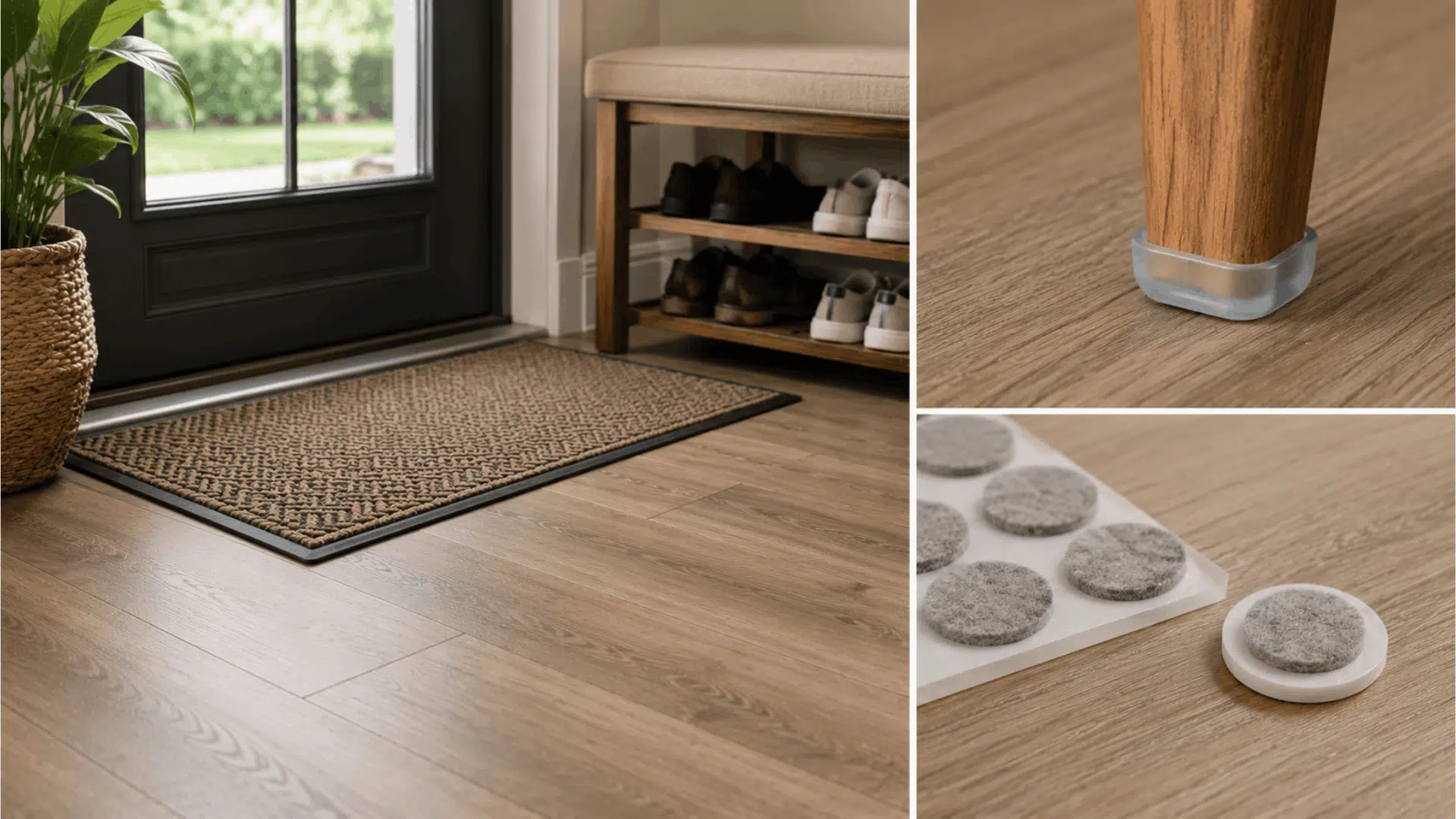
Cleaning LVP flooring is important, but prevention is what keeps it looking good longer. Daily dirt, furniture movement, pet nails, and spills can slowly dull the surface if they are ignored.
The good news is that small habits can prevent many common problems before they start. Entry mats catch grit before it spreads, furniture pads reduce scratches, and quick spill cleanup helps avoid sticky residue.
Sweeping often also keeps tiny particles from being dragged across the floor. These steps do not take much time, but they make a big difference.
When prevention becomes part of your routine, your LVP floors stay cleaner, smoother, and easier to maintain.
- Use Entry Mats – Entry mats are one of the easiest ways to protect LVP flooring. They catch dirt, sand, and small stones before they reach the floor. Place mats near front doors, back doors, garages, and patio entrances. Choose mats with a safe backing that will not stain or trap moisture against the vinyl surface.
- Clean Spills Quickly – Spills are easier to handle when cleaned right away. Wipe up water, juice, coffee, pet messes, or food spills with a soft cloth before they dry. This helps prevent sticky spots, stains, and dull patches. Avoid letting liquid sit near seams or edges because moisture can sometimes cause problems over time.
- Add Furniture Pads – Furniture pads help prevent scratches, dents, and drag marks on LVP flooring. Place felt pads under chair legs, tables, sofas, and heavy furniture. This is especially helpful in dining rooms and living rooms where furniture moves often. Check the pads occasionally because dirt can stick to them and scratch the floor.
- Trim Pet Nails – Pet nails can leave small marks on LVP flooring, especially when dogs run or slide across the room. Keeping nails trimmed helps reduce scratching and keeps the floor looking smoother. Rugs or runners can also help in areas where pets play often. This simple habit protects both your floors and your pet’s comfort.
- Sweep Frequently – Frequent sweeping keeps dust, grit, crumbs, and pet hair from building up. Tiny particles may seem harmless, but they can dull the floor when walked on repeatedly. Use a soft broom, microfiber dust mop, or hard-floor-safe vacuum. A quick sweep in busy areas can make weekly mopping easier and more effective.
Even the Best Floors Face Messes Here is How to Handle Common Problems
No matter how careful you are, LVP flooring will eventually face muddy shoes, pet messes, food spills, and everyday scuffs.
The key is knowing how to handle these problems without damaging the floor’s protective surface. Many homeowners make the mistake of using harsh cleaners or scrubbing too aggressively, which can do more harm than good.
In most cases, simple cleaning methods work best. Acting quickly also makes cleanup easier and helps prevent stains or residue from building up.
If you are dealing with a muddy entryway after a rainy day or a sticky kitchen spill, the right approach can keep your floors looking clean and well-maintained.
Problem | Quick Fix |
Muddy Footprints | Let the mud dry completely, then sweep or vacuum before damp mopping |
Sticky Residue | Wipe with a damp microfiber cloth and a mild LVP-safe cleaner |
Pet Accidents | Clean immediately with a soft cloth and dry the area thoroughly |
Food and Drink Spills | Blot spills right away and clean with warm water if needed |
Scuff Marks | Gently rub with a microfiber cloth or a clean tennis ball |
Final Take on the Best Way to Clean LVP Flooring
From what I have seen, the best way to clean LVP flooring is to keep things simple and consistent. In busy homes, regular sweeping and quick spill cleanup make a bigger difference than occasional deep cleaning.
If kids or pets are part of the household, dirt, crumbs, muddy footprints, and accidents are bound to happen, so I find that a microfiber mop and hard-floor vacuum are worth having on hand.
I also prefer using gentle cleaners instead of strong chemicals because they help maintain the floor’s finish without leaving residue.
One budget-friendly routine that works well is sweeping a few times a week, spot-cleaning spills as they happen, and damp mopping weekly.
In my experience, prevention and routine care are the easiest ways to keep LVP floors looking clean and attractive for years.
Final Thoughts
The best way to clean LVP flooring is usually the simplest. Regular dust removal, a microfiber mop, and a gentle cleaning solution can handle most everyday messes without risking damage.
Knowing how to clean luxury vinyl flooring properly helps preserve its appearance and extend its lifespan.
Small habits such as using entry mats, wiping spills quickly, and avoiding harsh products can make a noticeable difference over time.
While many cleaning products promise amazing results, consistency often matters more than expensive solutions. Focus on safe tools, light moisture, and routine care.
With just a little attention each week, your floors can stay clean, attractive, and ready for everyday life.
Start with a simple cleaning routine today and enjoy beautiful LVP floors for years to come.
Frequently Asked Questions
What is the best way to clean LVP flooring?
Sweep or vacuum first, then use a damp microfiber mop with a gentle cleaner. Avoid soaking the floor with too much water.
Can you use a steam mop on LVP flooring?
No, steam mops are not recommended because heat and moisture can damage the wear layer, seams, or adhesive over time.
What cleaner is safe for luxury vinyl flooring?
Use a pH-neutral cleaner, manufacturer-approved product, or mild dish soap solution. Avoid bleach, ammonia, wax, and abrasive cleaners.
How often should LVP flooring be cleaned?
Sweep high-traffic areas several times weekly and damp mop once a week, or more often if you have kids or pets.

Tommy Hardy, an alumnus of the Georgia Institute of Technology with a degree in Mechanical Engineering, has been a go-to figure in residential upkeep and innovation for over 18 years. His career commenced in a leading home appliance manufacturing company, where he mastered the intricacies of household systems. Joining our platform in 2020, Tommy quickly became a reader favorite for his practical and easy-to-follow guides. He took the helm of our DIY section in 2019, consistently delivering content that empowers homeowners. Beyond his professional pursuits, Tommy is a passionate gardener and enjoys woodworking, skills enhancing his hands-on approach to home care.