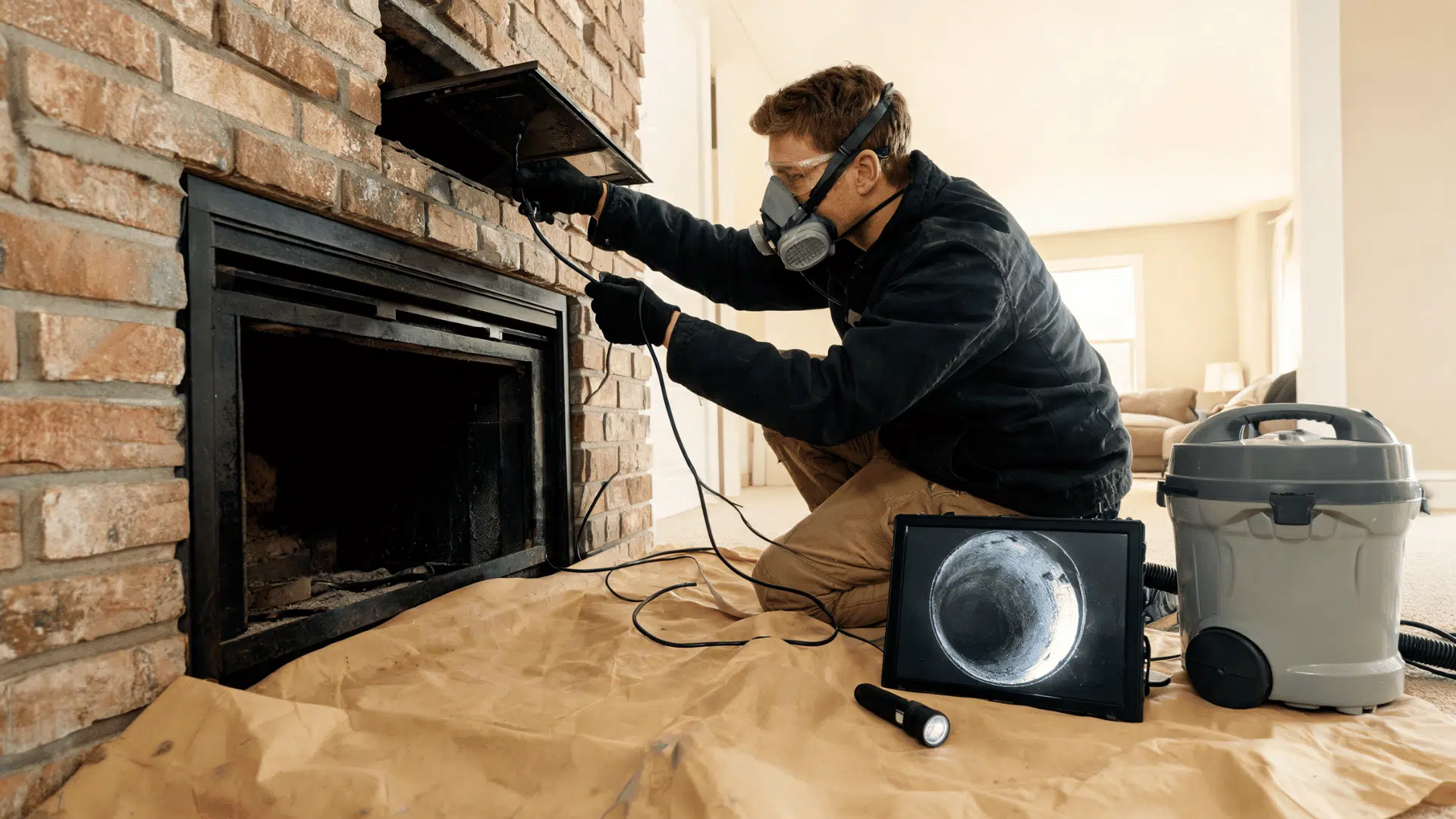

A chimney service quote can be confusing because the total rarely explains what the technician will do. One company may include an inspection and cleanup, while another may charge extra for the work.
That is why chimney cleaning cost should be judged by the service scope, not the number alone. Roof access, buildup, fireplace type, flue count, and inspection level can change the final price.
I have learned that a home service estimate means little until every task is listed. In this guide, you will see how charges are built, what basic service should include, and how to compare quotes.
You will also learn when higher totals may be reasonable and which questions can help you avoid add-ons before booking.
Chimney Cleaning Cost at a Glance
Most U.S. homeowners pay about $129 to $390 for routine professional chimney sweeping. The final bill depends on the appliance, buildup, access, inspection scope, and number of flues.
A maintained chimney with light deposits usually stays near the lower or middle part of the range. Wood-burning systems, difficult roofs, camera work, or heavy creosote can move the total higher.
The table below gives a practical starting point for common U.S. services:
| Service | Typical Price | Common Situation |
| Routine sweep | $129 to $381 | Maintained residential chimney |
| Gas fireplace chimney | $80 to $150 | Light debris and visual checking |
| Wood-burning system | $200 to $465 | Soot and creosote removal |
| Pellet stove chimney | $150 to $270 | Vent and ash cleaning |
| Sweep with Level 2 inspection | $200 to $1,000 | Camera work or changed conditions |
| Heavy creosote treatment | Above routine pricing | Thick or glazed deposits |
| Multiple flues | Added per flue | More than one venting passage |
What Quotes are Normal?
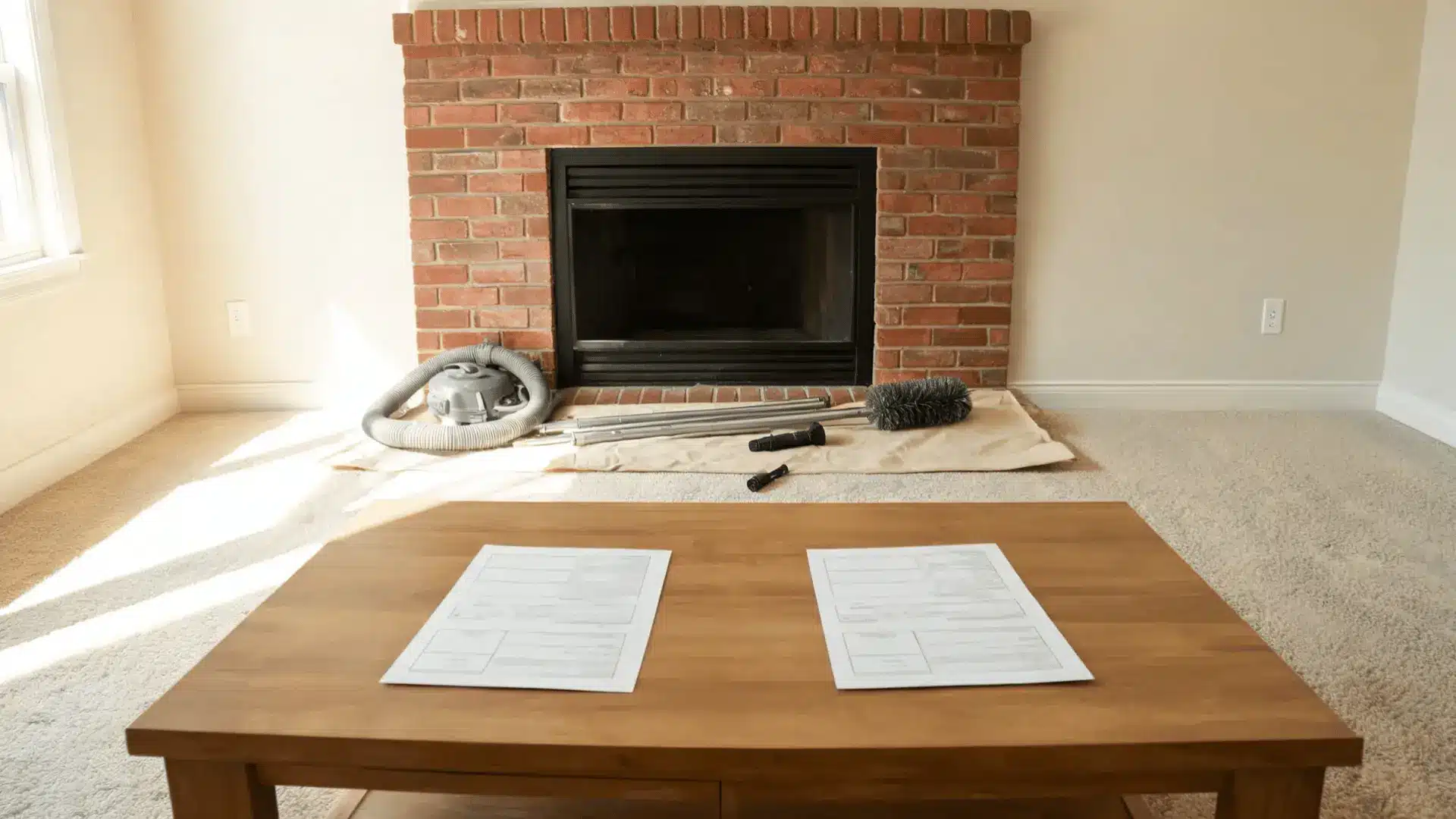
A chimney service quote is usually normal when the listed work matches the system’s condition, access needs, and inspection scope.
A higher chimney cleaning cost may be fair for wood-burning systems, multiple flues, moderate buildup, or difficult roof access.
Location also matters because labor rates and travel charges differ across the United States. A lower estimate may cover only basic sweeping, while a higher package could include inspection, floor protection, cleanup, photos, and written findings.
Do not judge an estimate by the final number alone. Review each included task, exclusion, and possible added charge before booking.
The points below can help you decide when to accept a quote or request more details.
1. When the Price Makes Sense
A higher quote may be reasonable when it includes a Level 1 inspection, interior protection, debris removal, and complete cleanup. Extra charges may also apply when the technician needs roof safety equipment or must clean more than one flue.
Wood-burning fireplaces often require more deposit removal than gas systems. The estimate should clearly identify each included service so you know what the total covers.
2. When to Question the Quote
Ask for clarification when the estimate says only “basic cleaning” or “complete chimney service” without explaining the work. The company should identify the flues, inspection level, access charges, and cleanup duties.
Open-ended fees for camera scans, buildup treatment, or roof access can make comparison difficult. A high estimate is not automatically unfair, but an unclear estimate deserves more questions before approval.
3. Questions to Ask Before Booking
Use these questions to understand the quote before setting an appointment:
- Does the price include an inspection?
- Which inspection level will be completed?
- How many flues are covered?
- Are roof-access charges included?
- Does camera work cost extra?
- How is heavy buildup priced?
- Will I receive photos or a written report?
Clear answers make it easier to compare companies offering similar services.
What Changes the Price?
Chimney companies do not set prices only by the visible size of the fireplace. The quote also reflects technician time, system design, buildup level, safety needs, and the work included during the visit.
Giving the company accurate details before booking can lead to a clearer estimate. Mention the appliance type, last cleaning date, roof conditions, and any smoke or odor problems you have noticed.
The following factors explain most differences between lower and higher chimney service quotes:
1. Fireplace and Fuel Type: Wood-burning fireplaces and stoves usually create more soot and creosote than gas systems. Removing these deposits may require stronger brushes, added preparation, and more cleaning time.
Pellet appliances create fine ash and often have angled or horizontal vent sections. Tell the company exactly which fireplace, stove, or heating appliance connects to the chimney so it can select the correct tools and service scope.
2. Buildup Condition: Loose soot and light creosote are generally easier to remove during routine sweeping. Thick, hardened, or glazed deposits require more labor and may need special products or repeated treatment.
Not every company includes difficult deposit removal in its standard price. Ask how the technician identifies heavy buildup and whether additional work will require your approval before it begins.
3. Roof Access: A steep roof, tall chimney, limited ladder space, or fragile roofing can make the job more difficult. Snow, wet surfaces, and nearby structures may also affect safe access.
Some chimneys can be brushed from inside the home. However, roof access may still be needed for inspection, equipment setup, or checking the chimney cap. Share access concerns before the visit.
4. Chimney Height and Shape: Long flues, narrow passages, bends, and offsets can increase the time needed to clean and inspect a chimney. Inserts and unusual appliance connections may also limit access.
A tall chimney does not always cost more. The price usually rises when its design requires longer rods, several brush sizes, camera equipment, or extra entry points to complete the work properly.
5. Number of Flues: One chimney structure can contain two or more separate flues. Each passage may serve a fireplace, boiler, furnace, stove, or another heating appliance.
Cleaning one flue does not mean every passage inside the structure is covered. Ask the company to identify each flue in writing and state which ones will be cleaned or inspected under the quoted total.
6. Location and Season: Local labor rates, travel distance, service demand, and roof conditions vary across the United States. These differences can cause homeowners with similar chimney systems to receive different quotes.
Appointments may also become harder to schedule before and during the main fireplace season. Booking earlier can provide more scheduling choices, although discounts and seasonal rates depend on each company’s pricing policy.
Level of Inspection

Chimney sweeping removes soot and deposits, while an inspection checks the system’s condition and identifies possible venting or safety concerns.
These services are often sold together, which is why online price estimates can differ.
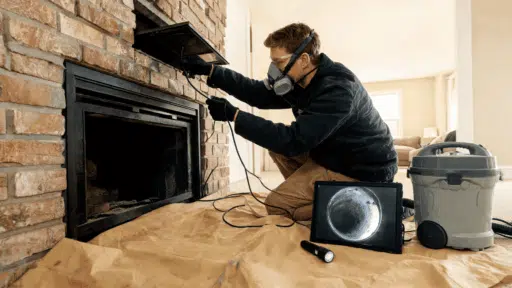
The chimney cleaning cost may rise when the visit includes camera work, access to additional areas, or a detailed written report.
NFPA 211 recognizes three inspection levels, with each level requiring a different amount of access and evaluation.
Before comparing estimates, ask the company to name the inspection level and explain whether it is included in the sweeping fee.
The sections below explain what homeowners can generally expect from each inspection level.
Level 1: Inspection
A Level 1 inspection is commonly used when the chimney and connected appliance are in regular service with no known changes or problems. The technician checks readily accessible parts of the fireplace, flue, and venting system.
Some companies include this basic visual inspection with routine sweeping. Others list it as a separate service, so the estimate should clearly explain what is covered.
Level 2: Inspection
A Level 2 inspection is more detailed and usually includes an internal video scan. The technician may also check accessible roof areas, attics, crawl spaces, basements, and appliance connections.
This level may be recommended after a property sale, chimney fire, fuel change, liner replacement, or major system alteration. Ask whether camera images and a written report are included in the quoted price.
Level 3: Inspection
A Level 3 inspection is used when serious concealed damage is suspected, and lower inspection levels cannot confirm the problem. Reaching hidden areas may require removing parts of the chimney or surrounding building materials.
This service is uncommon during routine maintenance. Any opening, demolition, or repair work should be explained and priced separately before the homeowner approves it.
Add-Ons and Extra Charges
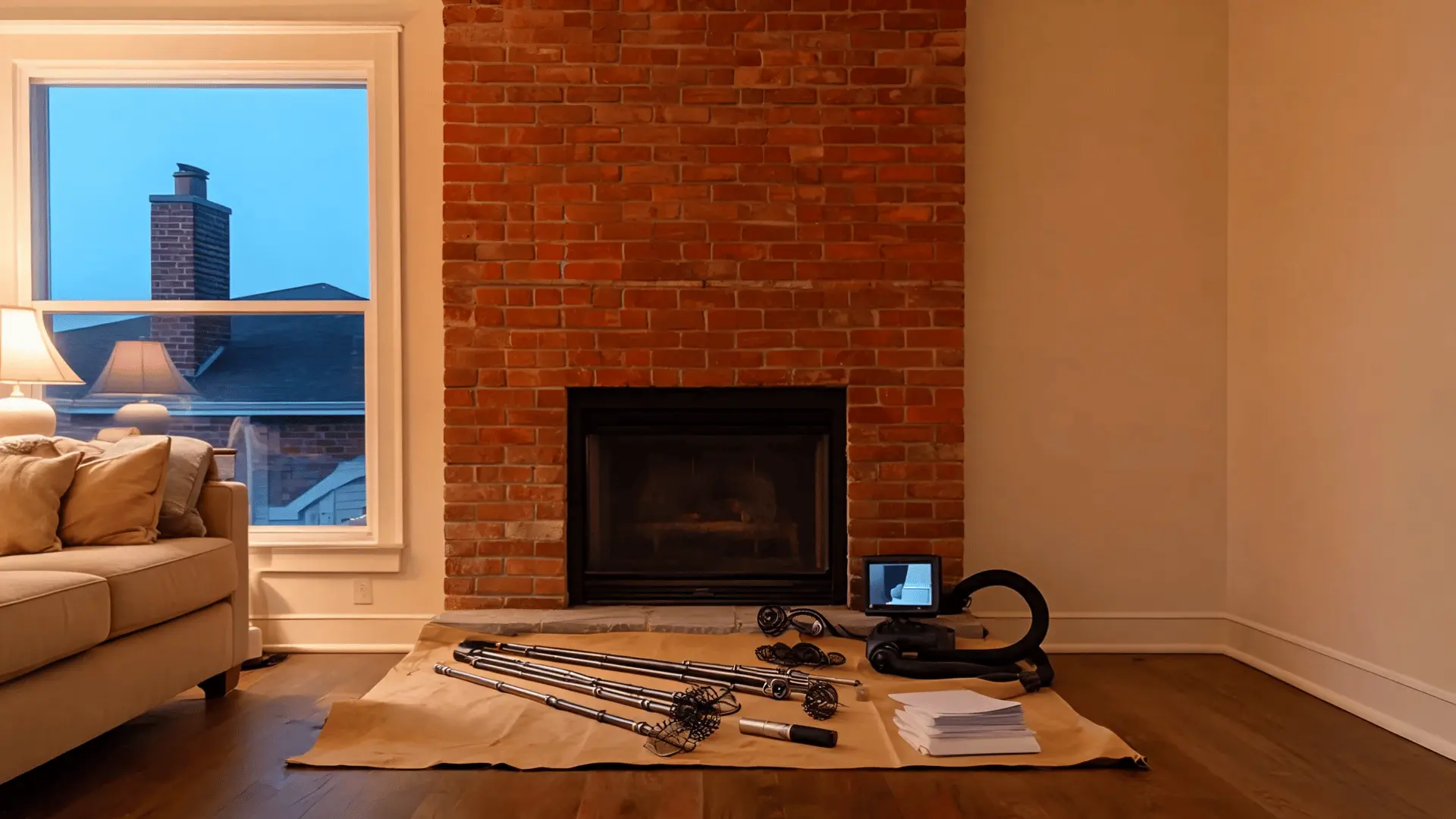
Extra charges are not always unnecessary. Some chimney conditions cannot be confirmed until the technician inspects the flue, roof access, and buildup during the appointment.
The company should explain why added work is needed and provide the price before starting it. Written approval helps prevent unexpected charges and gives you the option to decline non-urgent services.
The table below shows common add-ons that may increase the final service bill:
| Add-On | Why It May Be Needed |
| Heavy creosote treatment | Removes thick, hardened, or glazed deposits |
| Animal or nest removal | Clears birds, rodents, nesting material, or blockage |
| Camera scanning | Checks the inside of the flue for hidden damage |
| Smoke chamber cleaning | Removes deposits from the area above the firebox |
| Chimney cap work | Covers cap removal, cleaning, or replacement |
| Extra flues | Adds cleaning or inspection for separate passages |
| Travel charge | Applies when the property is outside the service area |
| Difficult roof setup | Covers added equipment or access preparation |
| Rush scheduling | Applies to urgent or same-day appointments |
| Written property report | Provides detailed records for a sale or inspection |
| Return treatment visit | Completes cleaning after chemical deposit treatment |
Liner replacement, masonry repairs, flashing work, and crown rebuilding should appear as separate repair charges, not chimney cleaning fees.
Hiring a Chimney Sweep
The right chimney sweep is not always the company with the lowest or highest quote. Look for clear pricing, a written scope, and direct answers about inspection and cleaning.
Credentials can support your decision, but they should not replace insurance checks, recent references, and written approval rules. Ask what documentation you will receive after the service.
Use the checks below before booking an appointment.
- Training: Ask about chimney inspection and venting qualifications.
- Insurance: Confirm current liability and business coverage.
- Scope: Get the flue count and inspection level in writing.
- Documentation: Ask whether photos or reports are included.
- Add-Ons: Require approval before extra work begins.
- Payment: Avoid unclear deposits or cash-only pressure.
- References: Review recent feedback from local homeowners.
Chimney Cleaning Companies
This list is not a ranking or endorsement. Service areas, appointment times, pricing, and credentials can change. Contact each provider directly and confirm that it serves your building type and exact address.
Request the same cleaning scope from each company before comparing estimates. Ask about the number of flues, inspection level, roof access, cleanup, written findings, and possible added charges.
The following companies are useful starting points when requesting local quotes.
| Company | Service Area | Main Services |
| Chimney Doctors NY | Specialists in Manhattan and other NYC areas | Sweeping, inspections, creosote removal, camera checks, and repairs |
| Manhattan Fireplace & Chimney Inc. | Based in Manhattan | Chimney sweeping, video inspections, fireplace work, maintenance, and repairs |
| Chimney Experts LLC | Serves Manhattan and the five NYC boroughs | Cleaning, sweeping, inspections, clog removal, lining, and repairs |
| Sweeps Chimney Services | Serves Manhattan and Brooklyn | Chimney cleaning, inspections, liners, boiler chimney work, and repairs |
| Guaranteed Home Improvement | Provides service across New York, including NYC | Chimney cleaning, inspections, masonry work, liners, and caps |
Before booking, verify the company’s current license or insurance details and request a written, itemized estimate.
Final Cost Checklist
A chimney service quote is likely reasonable when every flue is identified, the inspection level is clear, and roof access is included.
The estimate should also explain cleanup, documentation, taxes, and the approval process for added work.
Ask more questions when the scope uses vague terms or leaves likely extras without prices. Comparing two totals is only useful when both companies are offering the same services.
Before booking, confirm these details:
- Areas that will be cleaned
- Flues included in the price
- Inspection level provided
- Roof and travel charges
- Heavy buildup policy
- Photos or written report
- Approval required for extra work
- Final price and payment terms
Before booking, confirm: What will be cleaned, what will be inspected, which charges may change, and what records you will receive.
Frequently Asked Questions
Who Pays for Cleaning in a Rental Home?
Responsibility depends on the lease, local rules, and who controls the fireplace. Tenants and landlords should confirm payment duties in writing before scheduling service.
Can I Use the Fireplace Immediately After Cleaning?
You can often use it after routine service, but only when the technician reports no blockage, damage, wet treatment, or other condition requiring further work.
Should I Move Furniture Before the Appointment?
Clear the area around the fireplace and remove fragile items from nearby surfaces. Ask the company how much working space its equipment and floor protection require.
What Happens if Cleaning Cannot be Completed?
The technician should explain the reason, show supporting findings, and provide a revised scope. Confirm whether the original visit fee applies before approving another appointment.

Holding a Master’s in Architecture from the University of Texas at Austin, Emily Rodriguez has dedicated more than two decades to the art and science of building renovation. Starting her journey in historic preservation, she developed a profound respect for blending old with new in building design. Emily became a vital part of our team in 2019, renowned for her insightful and innovative renovation tips. She has been leading our DIY home improvement series since ever since, where she shares her wealth of knowledge in turning outdated spaces into modern havens. When not engaged in writing or consulting, Emily is a passionate advocate for heritage conservation and enjoys exploring vintage architecture, a hobby that complements her professional expertise.