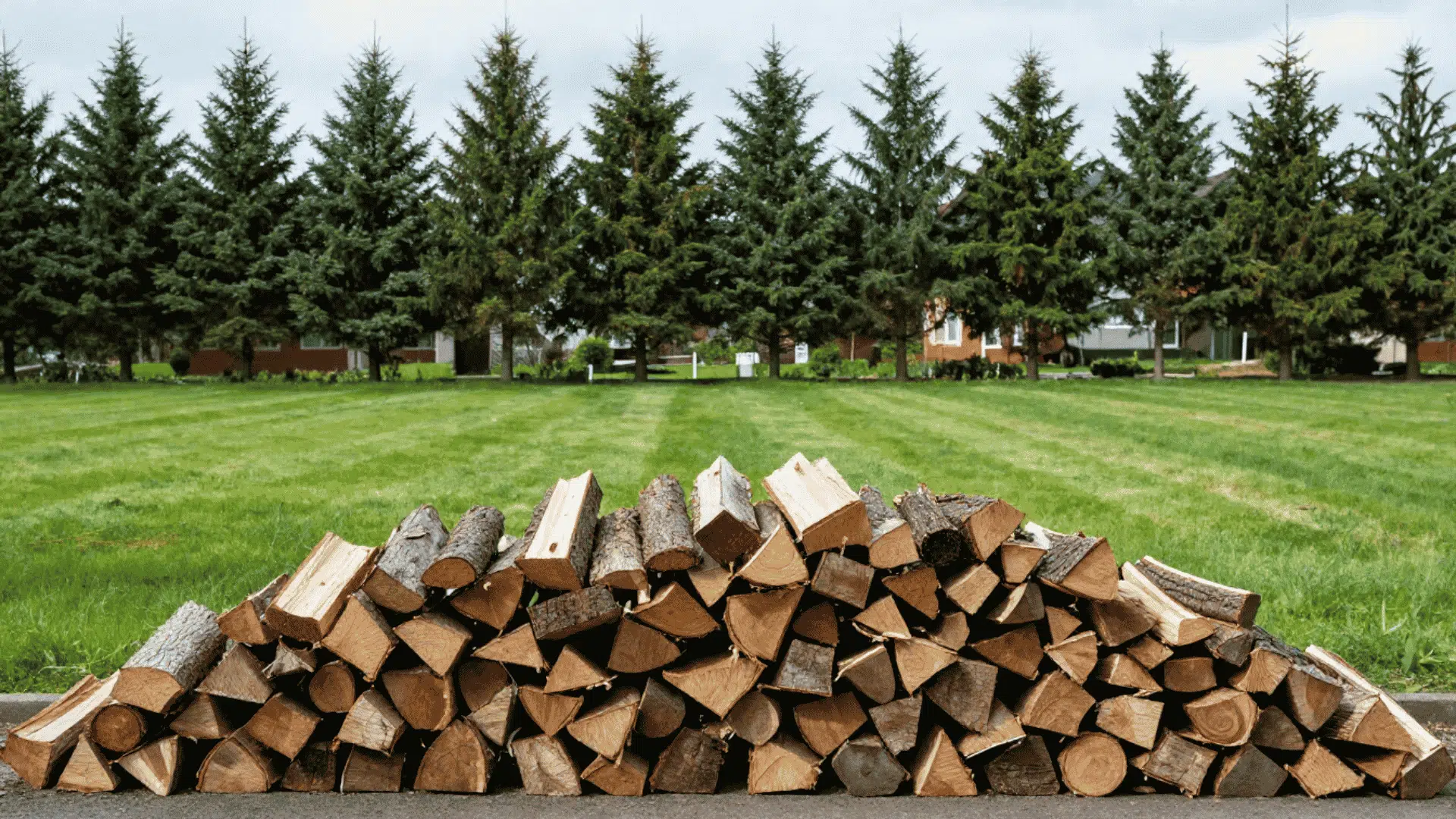

If you’re wondering how much a cord of wood costs in 2026, you’re not alone. Firewood prices vary widely depending on wood species, seasoning, location, quantity, and delivery fees, making it difficult to know if you’re getting a fair deal.
While a full cord typically costs $150 to $500, factors like hardwood versus softwood, kiln-dried versus seasoned wood, and seasonal demand can significantly affect the final price.
From this blog, you’ll learn current cord of wood prices, compare different firewood types, understand what influences costs, and discover practical tips to avoid overpaying.
If you’re heating your home or stocking up for outdoor fires, this guide will help you buy confidently. Let’s find the right firewood at the best possible price.
What is a Cord of Wood
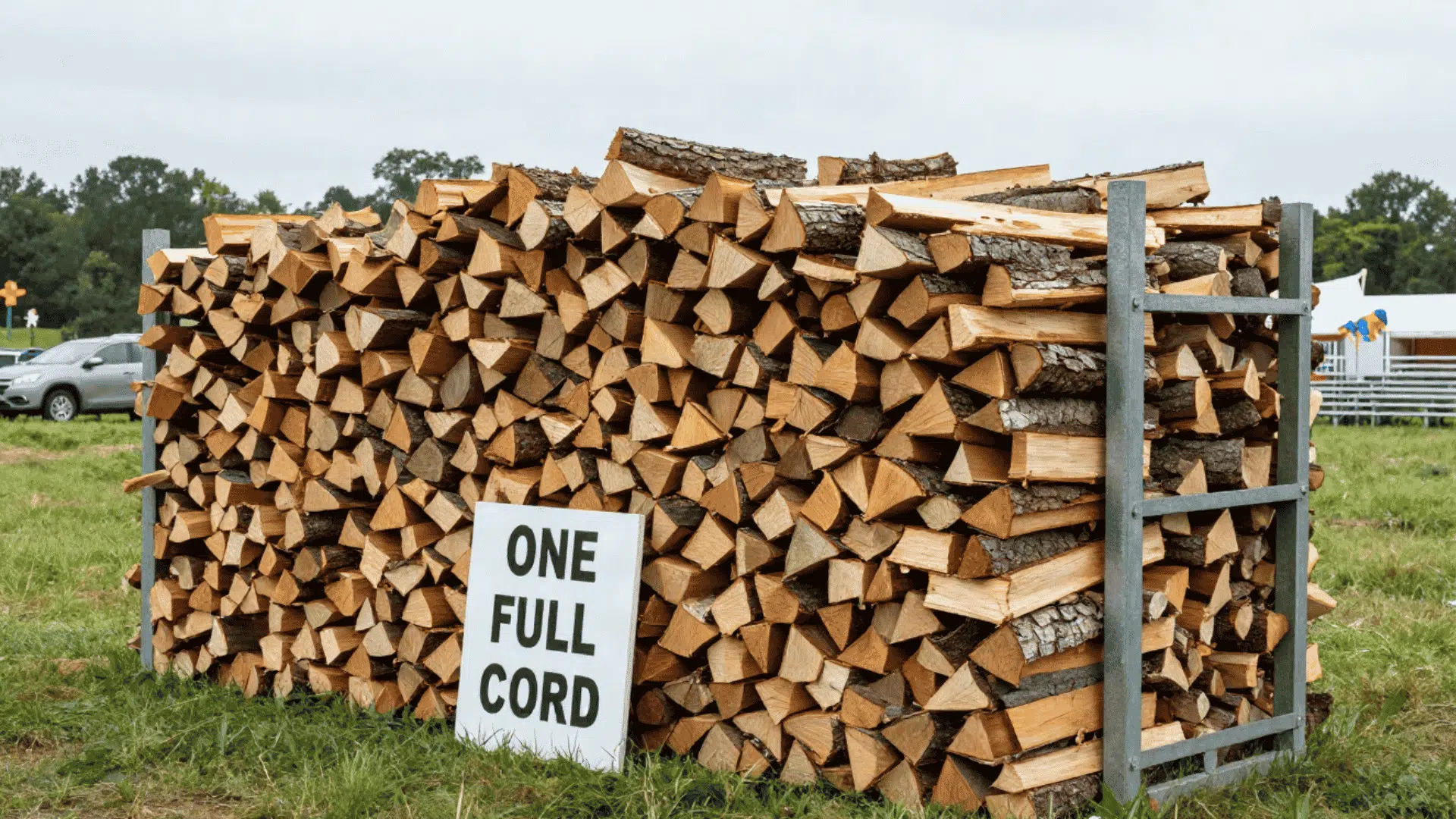
A cord of wood is the standard unit used to measure firewood, equal to 128 cubic feet of tightly stacked logs measuring 4 feet high, 4 feet deep, and 8 feet long.
Knowing this measurement helps you compare prices accurately and avoid paying for less wood than expected.
Some sellers use terms like face cord, rick, or truckload, which often contain much less wood than a full cord.
Before buying, always ask for the exact stacked dimensions and confirm the quantity in writing. This simple step protects you from overpaying and ensures you receive the amount you ordered.
Now, let’s explore the average price of a cord of wood and the factors that influence its cost.
How Much is a Cord of Wood
Most homeowners pay $150–$500 for a full cord of wood, with the average around $300. Prices depend on wood species, seasoning, location, delivery distance, and seasonal demand.
Hardwood and kiln-dried wood cost more than softwood, while off-season purchases often offer better value. Always request a full price breakdown before ordering. Next, compare prices per cord of wood.
Types of Cord of Wood and their Prices
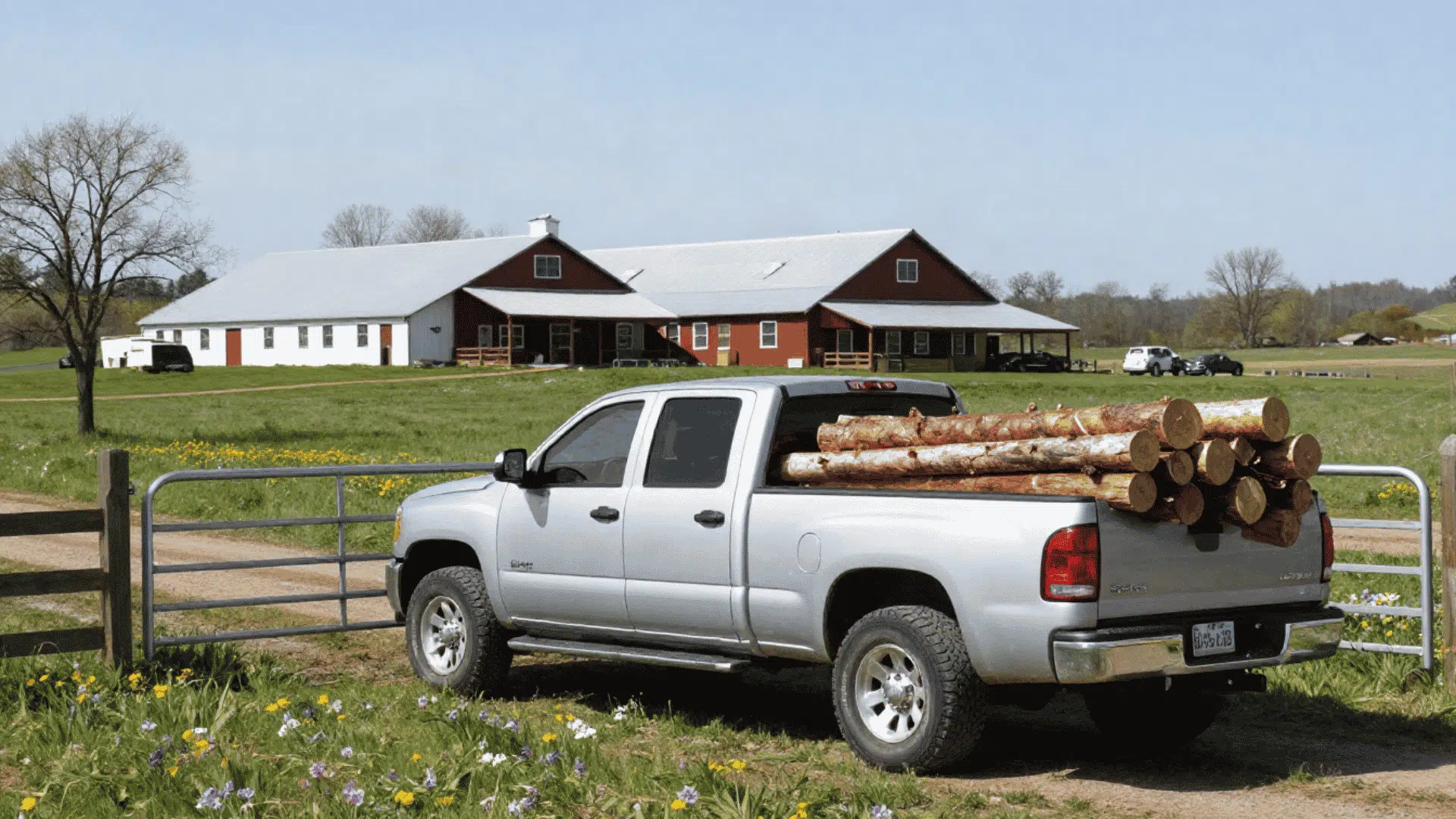
Firewood is sold in several sizes and wood types, each designed for different heating needs and budgets.
From a standard full cord to smaller quantities and premium kiln-dried wood, understanding these options makes it easier to compare prices, estimate how much wood you need, and choose the best value for your home.
1. Full Cord
A full cord contains 128 cubic feet of stacked firewood and serves as the standard unit for pricing. Most full cords cost $150–$500, depending on wood species, seasoning, location, and delivery.
Buying a full cord usually offers the lowest cost per piece, making it the best value for frequent firewood users.
- Dimensions: 4 feet high × 4 feet deep × 8 feet long (128 cubic feet).
- Best For: Full-home heating, wood stoves, and long winter seasons.
- Price: $150–$500 per cord.
- Product Links: Hawkings Landscape Supply
2. Hardwood Cord
Hardwood cords typically cost $250–$500 because dense woods like oak, maple, and hickory burn hotter and last longer than softwoods.
Although the upfront price is higher, they provide better heat output and improved long-term value, making them a preferred option for regular home heating.
- Appearance: Heavy, dense logs with thick bark, darker colors, and tightly packed wood fibers.
- Best For: Home heating, fireplaces, wood stoves, and cold climates.
- Price: $250–$500 per cord.
3. Softwood Cord
Softwood cords generally cost $150–$300, making them one of the most affordable firewood options.
Species such as pine, fir, and spruce ignite quickly but burn faster than hardwood, making them better suited for occasional fires rather than long heating sessions.
- Appearance: Light-colored logs with thinner bark, softer wood, and visible resin.
- Best For: Campfires, fire pits, weekend fires, and occasional heating.
- Price: $150–$300 per cord.
4. Face Cord
A face cord usually costs $75–$200 depending on log length, wood species, and moisture content.
Since it contains roughly one-third of a full cord, it offers a lower upfront cost and works well for buyers who only need a small amount of firewood.
- Dimensions: 4 feet high × 8 feet long, with varying depth based on log length.
- Best For: Small fireplaces, weekend fires, and limited storage spaces.
- Price: $75–$200.
- Product Link: One Log Fire
5. Half Cord
A half cord contains 64 cubic feet of firewood and generally costs $100–$300. It provides a balance between affordability and heating capacity, making it a practical choice for households that need more wood than a face cord but less than a full cord.
- Dimensions: 4 feet high × 4 feet deep × 4 feet long (64 cubic feet).
- Best For: Medium-sized homes, fireplaces, and shorter winter seasons.
- Price: $100–$300.
- Product Links: Golden Pinestraw
6. Quarter Cord
A quarter cord typically costs $40–$135 and contains approximately 32 cubic feet of stacked firewood.
While it has the lowest upfront cost, it usually carries a higher price per piece than larger quantities, making it ideal for occasional rather than regular use.
- Dimensions: 4 feet high × 2 feet deep × 4 feet long (32 cubic feet).
- Best For: Campfires, fire pits, cabins, and occasional fireplace use.
- Price: $40–$135.
- Product Links: Triple R Landscaping
7. Kiln-Dried Cord
Kiln-dried cords often start near $400 or more because controlled drying removes excess moisture, producing cleaner, hotter, and more efficient fires.
The premium price reflects its superior burn quality, immediate usability, and lower smoke production compared with naturally seasoned firewood.
- Appearance: Light, dry logs with visible cracks, loose bark, and very low moisture content.
- Best For: Indoor fireplaces, wood stoves, pizza ovens, and immediate burning.
- Price: $400+ per cord.
- Product Links: One Log Fire Shop
Cord of Wood Price Comparison Table
Firewood prices can vary significantly depending on the type, quantity, and drying method. The table below compares the average costs of different firewood options, helping you find the best choice for your budget and heating needs.
| Firewood Type | Price Range | Notes |
|---|---|---|
| Full Cord (Mixed Market) | $150–$500 | Average price is around $300. |
| Seasoned Hardwood Cord | $250–$500 | Can cost more during peak winter months. |
| Seasoned Softwood Cord | $150–$300 | Cheaper but burns faster than hardwood. |
| Face Cord | $75–$200 | Contains about one-third of a full cord. |
| Half Cord | $100–$300 | Contains 64 cubic feet of wood. |
| Quarter Cord | $40–$135 | Best for occasional fires and small spaces. |
| Kiln-Dried Hardwood | $400+ | Common in high-demand urban areas. |
What Affects the Price of a Cord of Wood?
Several factors influence the final price of a cord of wood. Understanding these factors can help you compare quotes and avoid overpaying.
- Wood Species: Hardwoods cost more than softwoods because they take longer to grow and produce more heat.
- Moisture Level: Seasoned and kiln-dried wood costs more due to extra drying time and equipment.
- Local Demand: Prices increase in colder regions where firewood is a primary heat source.
- Delivery Costs: Fuel prices and transportation distance affect the final cost.
- Labor Costs: Labor shortages during peak seasons can drive prices higher.
- Season: Firewood is usually more expensive in late fall and winter.
- Additional Expenses: Insurance, equipment maintenance, and land access fees also impact pricing.
Choosing Between Online and Local Firewood Sellers

After selecting where to buy, it’s helpful to see how firewood compares with other heating fuels in terms of overall cost.
| Local Sellers | Online Sellers |
|---|---|
| Usually offer lower prices because there are fewer shipping and service fees. | Prices may be higher due to delivery, handling, or platform charges. |
| Faster delivery, especially for nearby customers. | Delivery times vary depending on the seller and location. |
| Easier to inspect wood quality before purchasing. | You usually rely on photos, descriptions, and customer reviews. |
| Better opportunities to negotiate prices or request custom orders. | Pricing is generally fixed with limited room for negotiation. |
| Ideal for bulk purchases and regular firewood deliveries. | Best for comparing multiple suppliers and finding specialty firewood. |
How to Avoid Overpaying for Firewood
Start by confirming the exact stacked dimensions the seller is quoting for your specific order and delivery date.
Ask whether the wood is hardwood or softwood, since this can significantly affect fair pricing across different regions and sellers.
Confirm the seasoning level and how long the wood has dried before your scheduled delivery day.
Request a full breakdown covering the cord price, delivery fee, and any stacking charges before you pay. Compare several local sellers rather than accepting the first quote you receive.
Treat national price averages as a starting point only, then adjust for your specific region, season, and household heating needs. Once you know what to ask, the next step is finding a trustworthy place to buy.
Regional and Seasonal Price Differences
Firewood prices can vary significantly depending on where you live and when you buy. Regional demand, local supply, and seasonal changes all influence the final price, making timing and location important when shopping for firewood.
Urban Areas: Firewood prices are usually higher in cities because of stronger demand, higher transportation costs, and fewer nearby suppliers, making delivery and overall purchasing expenses more expensive.
Rural Areas: Rural areas often have lower firewood prices because local suppliers, shorter delivery distances, and greater wood availability reduce transportation costs and increase competition among sellers.
What Buyers are Saying About Cord of Wood Prices
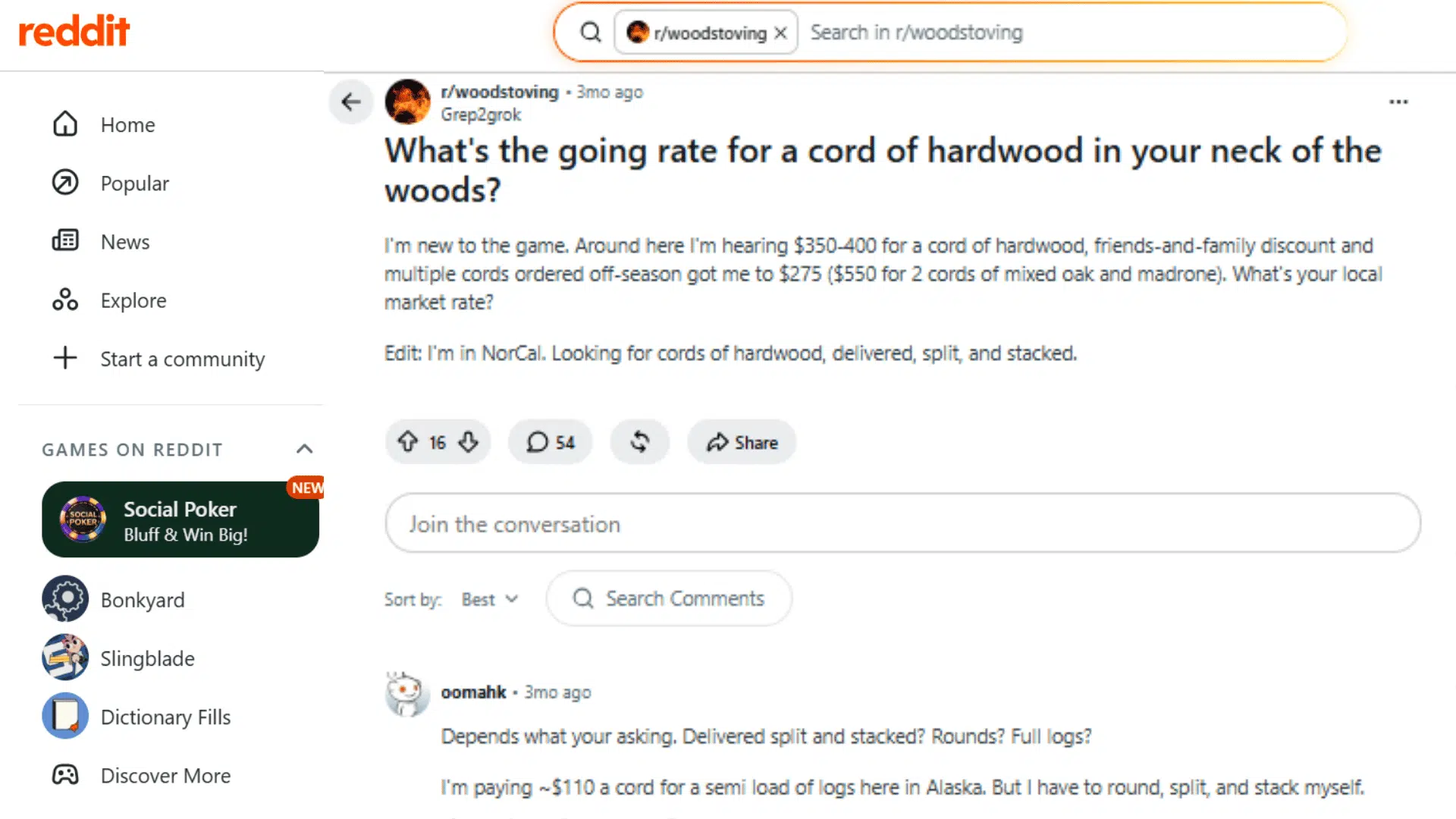
Reddit discussions show that cord of wood prices vary much more than many buyers expect.
People report paying anywhere from around $110 to over $400 per cord, depending on wood species, location, and whether the wood is delivered, split, stacked, or sold as raw logs.
Many experienced buyers recommend purchasing during the off-season to secure lower prices and better availability.
The discussion also highlights the importance of asking exactlywhat’ss included in the quoted price, as delivery and processing services can significantly increase the total cost.
Comparing multiple local quotes and confirming the amount of wood you’re receiving can help you avoid overpaying and get the best overall value.
Signs of Good Quality Firewood
Buying high-quality firewood improves heat output, reduces smoke, and helps your fireplace or wood stove burn more efficiently.
Use these simple checks before purchasing to ensure you’re getting dry, well-seasoned wood that offers the best value for your money.
- Choose light, dry logs that burn hotter, produce less smoke, and provide better heat than heavy, moisture-filled wood.
- Look for cracks on the cut ends, which indicate the wood has seasoned and is ready to burn efficiently.
- Knock two logs together and choose wood that produces a sharp, hollow sound instead of a dull thud.
- Pick logs with loose or peeling bark, as they usually have lower moisture content and burn more effectively.
- Use a moisture meter and buy firewood with less than 20% moisture for cleaner, hotter, and more efficient burning.
- Avoid moldy, rotten, soft, or insect-damaged logs, as they burn poorly and can introduce pests into storage.
Common Mistakes When Buying a Cord of Wood
Understanding these common mistakes can save you money and help you avoid poor-quality firewood. Here’s a quick look at the most frequent buying errors and the simple steps you can take to avoid them.
| Common Mistake | How to Avoid It |
|---|---|
| Assuming every “cord” equals 128 cubic feet | Ask for the exact dimensions before purchasing. |
| Buying a face cord or truckload instead of a full cord | Confirm whether the seller is offering a full cord, face cord, or another unit. |
| Paying hardwood prices for mixed or softwood | Ask about the wood species and request details in writing. |
| Ignoring the seasoning level | Confirm whether the wood is green, seasoned, or kiln-dried. |
| Not getting a written quote | Request a detailed invoice that includes all charges. |
| Paying before measuring the wood | Measure the stack before making the final payment. |
| Overlooking delivery and stacking fees | Ask for a complete price breakdown upfront. |
| Buying from the first seller you find | Compare quotes from multiple local suppliers before deciding. |
At the End
So, how much is a cord of wood this year? Most buyers pay between $150 and $500, with $300 as a common average price nationwide.
Hardwood costs more than softwood, seasoned wood costs more than green wood, and winter demand raises prices even further still.
Delivery and stacking fees add to your total, so always ask for a full breakdown before paying anything upfront. Compare several local sellers before you commit to any single quote or deposit today.
Use the price ranges and steps in this guide to buy with real, informed confidence.
Ready to order? Request quotes from three local firewood sellers today and compare their full pricing before your next delivery arrives.
Frequently Asked Questions
How Long does a Cord of Wood Last in a Wood Stove?
A cord can last three to eight weeks with regular burning, depending on climate, stove efficiency, and how often you use it.
Can I Stack a Cord of Wood Myself to Save Money?
Yes, many sellers offer a lower rate for dump-and-leave delivery, letting you stack the wood yourself instead of paying a stacking fee.
How Many Cords of Wood does an Average House Need for Winter?
Most Homes Using Wood as A Primary Heat Source Need Three to Five Cords for A Full Winter Heating Season.
Is it Cheaper to Buy Firewood in Bulk?
Ordering Two or More Cords at Once Often Lowers the Per-Cord Price and Can Reduce Delivery Fees Compared to Single Orders.

Holding a Master’s in Library and Information Science from the University of Illinois, Josh Clarke has dedicated more than 15 years to managing and disseminating information across various platforms. His professional journey includes significant experience as a research librarian, where he developed an expertise in sourcing and providing accurate and comprehensive answers to diverse questions. In 2018, Josh brought his rich experience to our platform, quickly establishing himself as a reliable source for general FAQs. He has been overseeing our information curation since then, combining his research skills with a flair for engaging content delivery. When not involved in information management, Josh enjoys exploring digital photography and participating in local quiz competitions, hobbies that complement his inquisitive nature and love for learning.