
A home’s exterior deals with constant exposure to sunlight, wind, rain, temperature changes, and everyday wear, so even durable materials eventually begin to show their age.
Homeowners who notice cracking, staining, bubbling, or other deterioration in stucco can visit Stucco repair company to learn about professional stucco repair and restoration services designed to address damaged exterior surfaces and restore their appearance.
Paying attention to these early warning signs can help homeowners address minor maintenance issues before they become more complicated repairs.
Cracks Are Starting to Appear
Small cracks in exterior walls can be easy to overlook, especially when they appear gradually and do not seem to change much from one month to the next. Some minor surface cracking may simply result from normal movement or aging, but larger or expanding cracks can indicate that the material needs closer attention. Regularly checking exterior walls makes it easier to notice when a previously insignificant crack begins to change.
Stucco deserves particular attention because damaged areas can become more difficult to repair if deterioration continues. Cracks can also allow moisture to reach areas beneath the finished surface, depending on their depth and location. Having questionable areas evaluated can help determine whether a simple repair is appropriate or whether more extensive restoration is needed.
Paint Is Peeling, Fading, or Bubbling
Exterior paint does more than provide color because it also helps protect underlying materials from everyday exposure to the elements. Peeling, flaking, bubbling, or noticeably faded paint can indicate that the existing finish is reaching the end of its useful condition. These changes often become especially noticeable on walls and trim that receive substantial sunlight or weather exposure.
Applying another coat immediately is not always the best solution when paint begins failing. Moisture, poor surface preparation, damaged underlying materials, or an aging coating can all contribute to visible deterioration. Identifying the reason for the problem before repainting usually produces a cleaner and more durable result.
Stains and Discoloration Keep Returning
Exterior staining can develop for many reasons, including dirt accumulation, water runoff, organic growth, rust, or moisture affecting the surface. Occasional dirt is generally easy to address, but stains that repeatedly return in the same location deserve closer investigation. The pattern and location of discoloration can sometimes provide clues about what is happening behind or above the affected area.
Dark marks beneath gutters, around windows, or near roof edges may suggest that water is repeatedly traveling across a particular surface. Discoloration on stucco can also indicate that moisture or weather exposure has affected the finish. Cleaning may improve appearances temporarily, but correcting the underlying cause is more important when staining continues to return.
Exterior Surfaces Feel Loose or Damaged
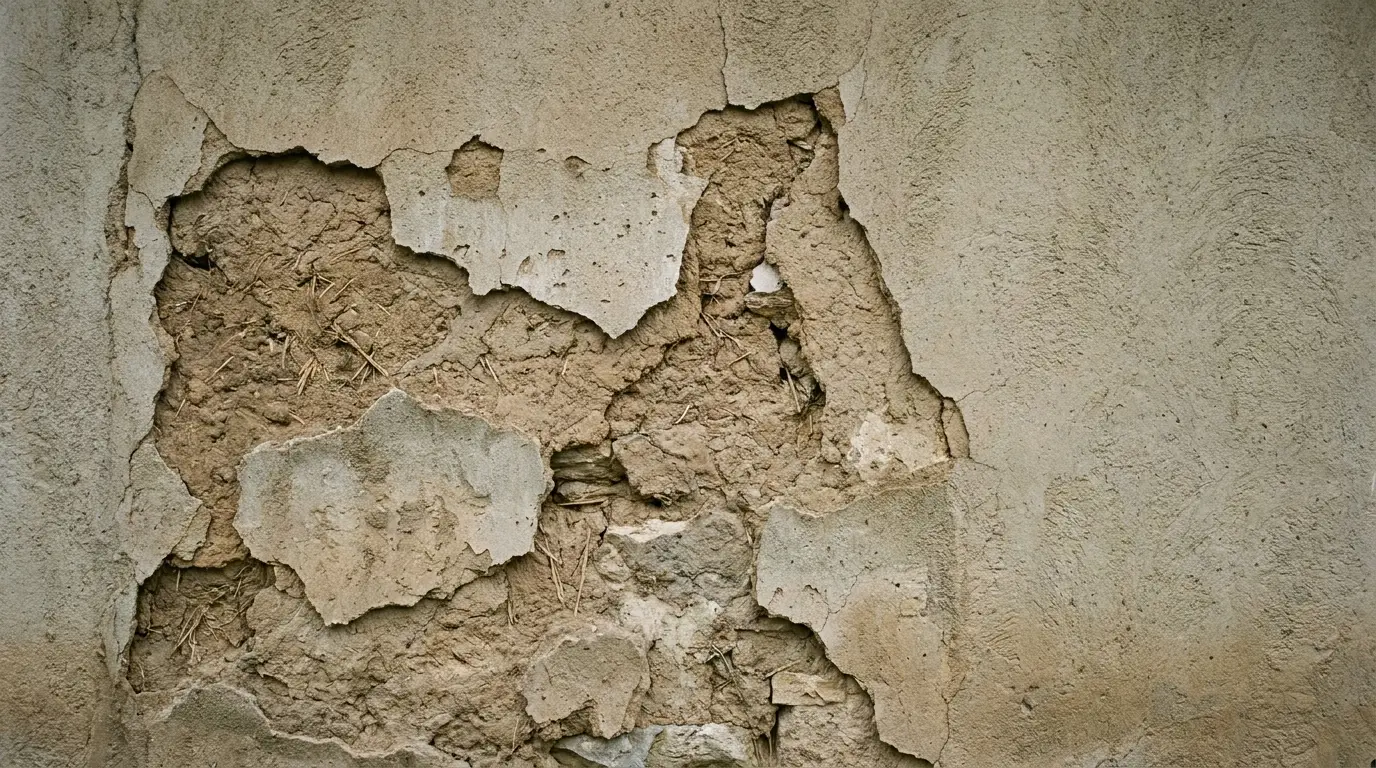
A healthy exterior finish should generally feel solid and securely attached to the structure beneath it. Areas that appear loose, crumbly, soft, bulging, or hollow may indicate deterioration that goes beyond a cosmetic blemish. Damage of this kind should be examined rather than simply covered with paint or another finishing product.
Loose material can gradually separate further as weather and normal building movement continue to affect the surface. Repairing the damaged section may require removing unstable material and preparing the area correctly before a new finish is applied. Addressing the problem properly can also make the repaired section blend more successfully with the surrounding exterior.
Windows and Doors Show Signs of Wear
Windows and doors create openings in the exterior envelope, making the areas around them particularly important during routine inspections. Cracked sealant, damaged trim, gaps, peeling finishes, and deterioration around frames can all indicate that maintenance is overdue. Homeowners may also notice drafts, difficulty opening or closing a window, or visible damage to surrounding materials.
Problems around these openings should not be viewed purely as appearance issues. Gaps and failed seals may allow unwanted air or moisture to enter areas where it can affect nearby finishes and building materials. Inspecting windows and doors along with the surrounding walls provides a more complete picture of the exterior’s condition.
The Roofline and Drainage Areas Look Neglected
Exterior maintenance should extend beyond the walls because roof edges, gutters, downspouts, and drainage areas influence how water moves around a property. Damaged gutters, blocked drainage paths, worn coatings, or water marks near the roofline can indicate that these areas require attention. Water that repeatedly runs down exterior walls can eventually contribute to staining and deterioration.
Homeowners should pay particular attention after storms or periods of unusual weather. Looking for pooling water, overflowing gutters, new stains, or damaged roof coatings can reveal problems that were not obvious during dry conditions. Early inspection gives homeowners an opportunity to correct drainage concerns before repeated exposure affects other exterior surfaces.
Your Home Simply Looks More Worn Than Before
Not every exterior maintenance project begins with obvious damage. Sometimes the clearest indication is that the property looks faded, uneven, dated, or less well maintained than it did several years earlier. Gradual changes can be difficult to notice when homeowners see the same exterior every day.
Taking a deliberate walk around the property can make subtle deterioration easier to spot. Comparing different walls, trim sections, doors, windows, and finished surfaces may reveal fading or wear that is concentrated in particular areas. A combination of cleaning, minor repairs, fresh coatings, and targeted restoration can often improve the exterior without requiring a major renovation.
Conclusion
A home’s exterior rarely deteriorates all at once, and the earliest warning signs are often small enough to dismiss during a busy week. Cracks, peeling paint, recurring stains, loose surfaces, worn openings, drainage problems, and general fading can all signal that maintenance is becoming necessary. Regular inspections and timely repairs can help preserve exterior materials, maintain curb appeal, and reduce the likelihood that manageable problems develop into larger projects.

With a Master’s in Architecture from the University of California, Berkeley, Alexander Martin has dedicated the last 18 years to enhancing outdoor living through thoughtful and robust structure design. His career kicked off in urban planning, giving him a unique perspective on integrating structures into diverse environments. In 2019, Alexander brought his expertise to our website, offering insights into creating versatile outdoor spaces. Since then, he has been the lead advisor for our outdoor design projects and is known for his ability to merge functionality with environmental consciousness. Alexander enjoys rock climbing outside of work and participates in community development projects, activities that reflect his passion for the outdoors and sustainable design.