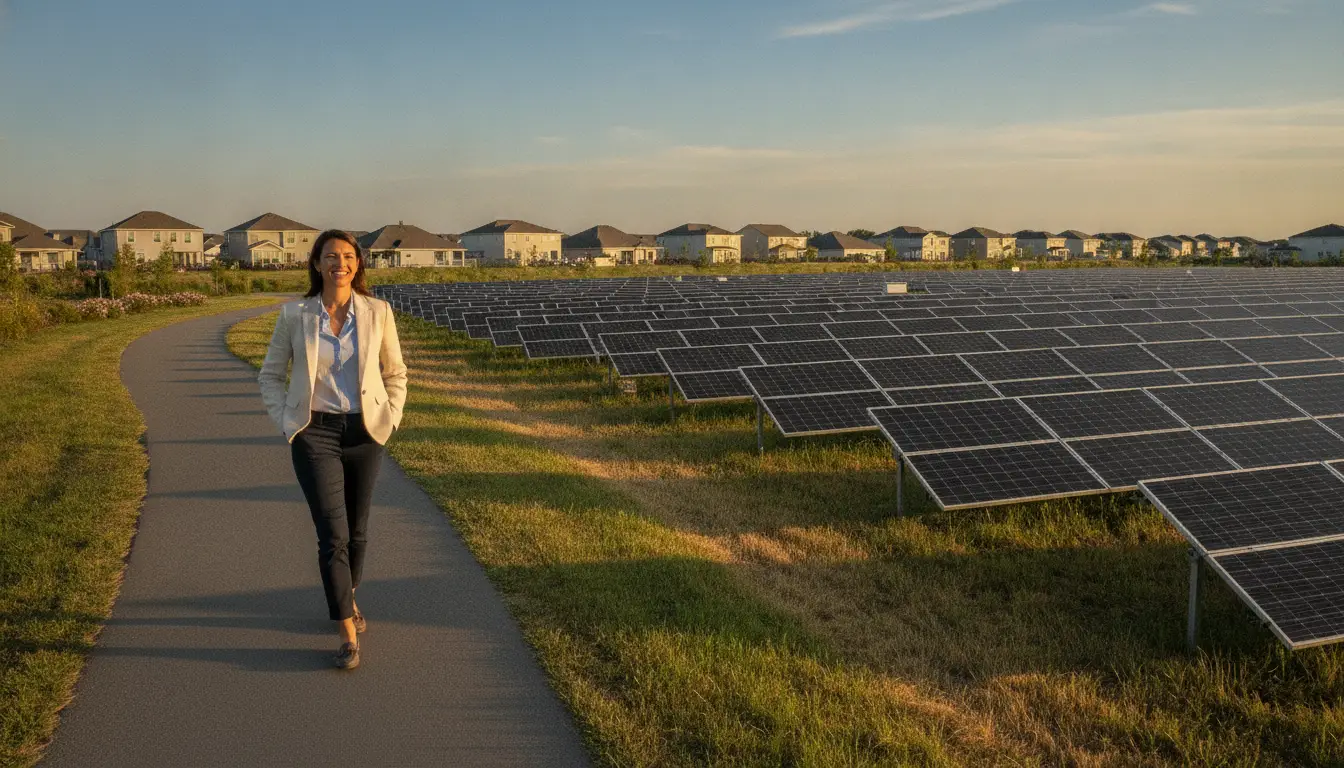
Community solar allows households to support renewable electricity without installing panels on private property. Renters, homeowners, and small businesses can join a shared project connected to the local utility.
Enrollment generally involves confirming eligibility, checking financial terms, choosing available generation, and submitting account information. Each step takes little time when you have a recent bill. A clear process helps residents participate confidently while avoiding construction work, roof changes, or major upfront expenses.
Start With Local Eligibility
Service territory determines whether an address qualifies. A utility bill can confirm the provider, account holder, property location, and typical monthly consumption. Those details matter because project credits must match an eligible account.
Residents can review the Oregon community solar program for project availability and participation requirements. Shared generation can serve renters whose leases prohibit equipment changes, homeowners with shaded roofs, and small firms lacking suitable installation space. Eligibility usually depends on the utility account rather than property ownership.
Review the Main Terms
Before signing up, applicants should examine the pricing method, anticipated credit, agreement length, cancellation policy, and project status. These provisions explain how payments and savings may appear over time.
Some subscriptions operate monthly, while others involve a longer commitment. A waiting period may apply before credits reach the utility statement. Applicants should confirm whether projected savings cover the subscription charge alone or include additional utility fees.
Prepare Account Details
Registration commonly requires the account number, service address, billing name, telephone number, and email address. A current statement keeps those entries accurate and reduces follow-up requests.
Names, unit numbers, and mailing information should match utility records. Even a minor mismatch can delay verification. Renters generally qualify when their name appears on the participating account, although property ownership may affect certain program requirements.
Complete the Enrollment Form
The application typically asks applicants to choose a project, review participation terms, authorize account verification, and submit contact information. Most forms can be completed quickly if you have a bill nearby.
A careful review before submission can catch an incorrect digit, missing apartment number, or outdated email address. Consent language also deserves attention. Applicants should know what information may be shared with the utility and how future notices will arrive.
Wait for Confirmation
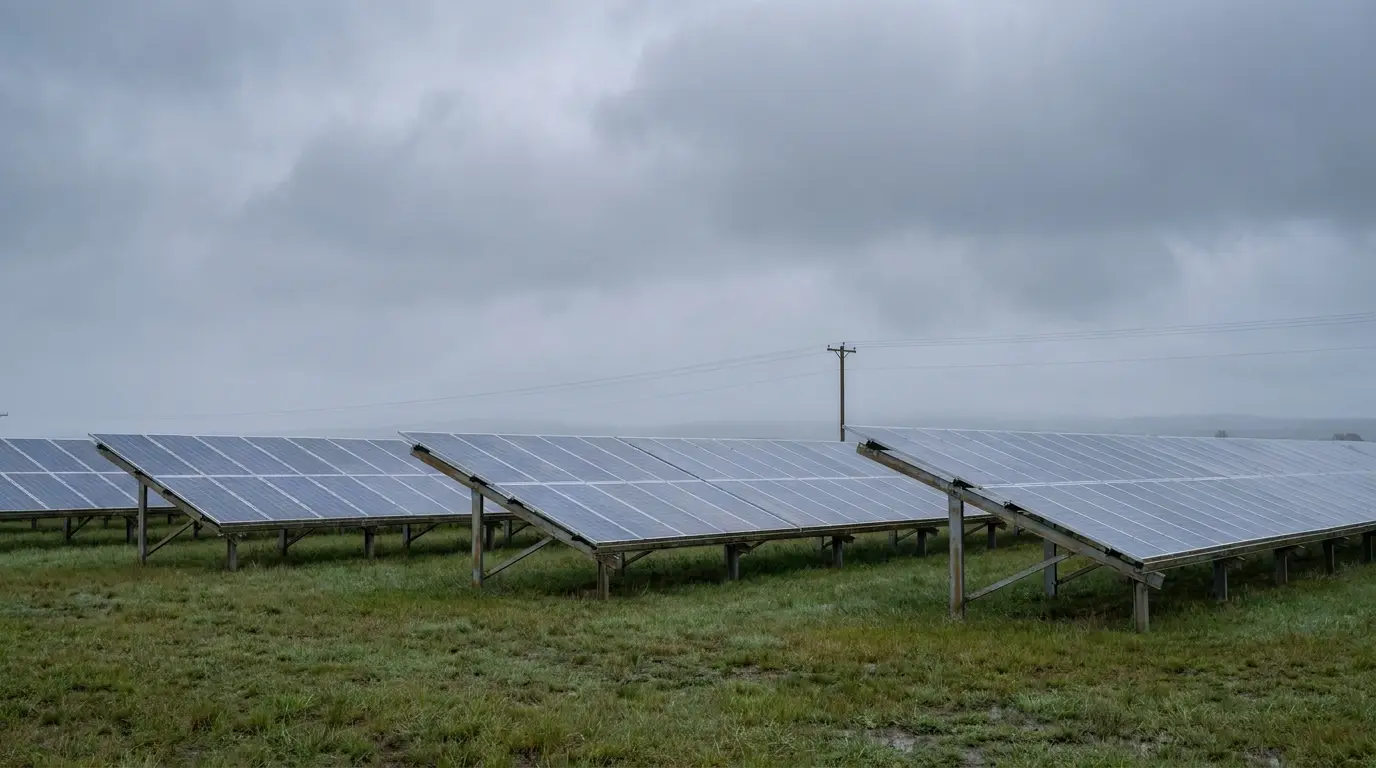
Following submission, the provider checks account status and confirms project placement. Timing varies according to available capacity, utility processing, and whether the facility already produces electricity.
Confirmation messages should identify the next step, expected credit date, and any missing document. Participants should retain those notices. Clear records make later billing questions easier to resolve and reduce confusion about enrollment status.
Understand Utility Bill Credits
Community solar usually supplements, rather than replaces, the existing utility relationship. The project sends electricity into the grid, while subscribed production creates a credit linked to the customer account. The utility continues to deliver power and issue regular statements.
The first bill may show a new line item for generation, subscription cost, or credited output. Delivery, distribution, and service charges remain separate. Comparing the initial statement with earlier bills helps explain the change.
Track Savings Over Time
Monthly results depend on sunlight, facility production, household consumption, and utility rates. Seasonal variation is normal, so one statement cannot represent annual performance.
A basic record can list the billing date, energy use, subscription charge, solar credit, and final balance. Reviewing several months reveals the actual financial pattern. If figures differ from enrollment estimates, the account holder can request an itemized explanation.
Consider the Environmental Benefit
Shared solar broadens access for properties affected by shading, roof orientation, rental restrictions, ownership limits, or installation expense. Participants can support additional renewable generation without managing panels, inverters, maintenance, or repairs.
The environmental effect comes from combining many customer subscriptions. Stable demand can help sustain regional facilities and increase renewable capacity. Household participation therefore connects personal energy choices with broader grid improvements.
Conclusion
Community solar enrollment follows a manageable sequence. A resident confirms service eligibility, studies the agreement, gathers account information, submits an application, and waits for placement confirmation. Utility statements then show the subscription charge and associated credit. Reviewing several billing cycles provides a more reliable picture than relying on one month.
For renters, homeowners, and businesses, shared generation offers renewable participation without rooftop construction or major upfront costs. Careful review supports informed decisions.

Liam Bennett holds a degree in Computer Science from the University of Edinburgh and has over 15 years of experience in technology and digital innovation. He began his career in software development, focusing on user-friendly systems and backend architecture. Liam joined our platform in 2025 to lead our Tech section, where he simplifies complex topics—from smart home devices and AI tools to cybersecurity and troubleshooting tips. Known for his clear, practical advice, he helps readers navigate today’s fast-evolving tech landscape. Outside of work, Liam enjoys building custom PCs and contributing to open-source projects.