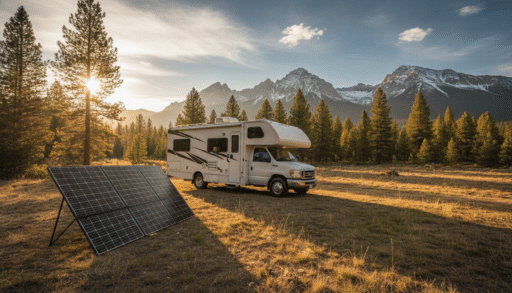
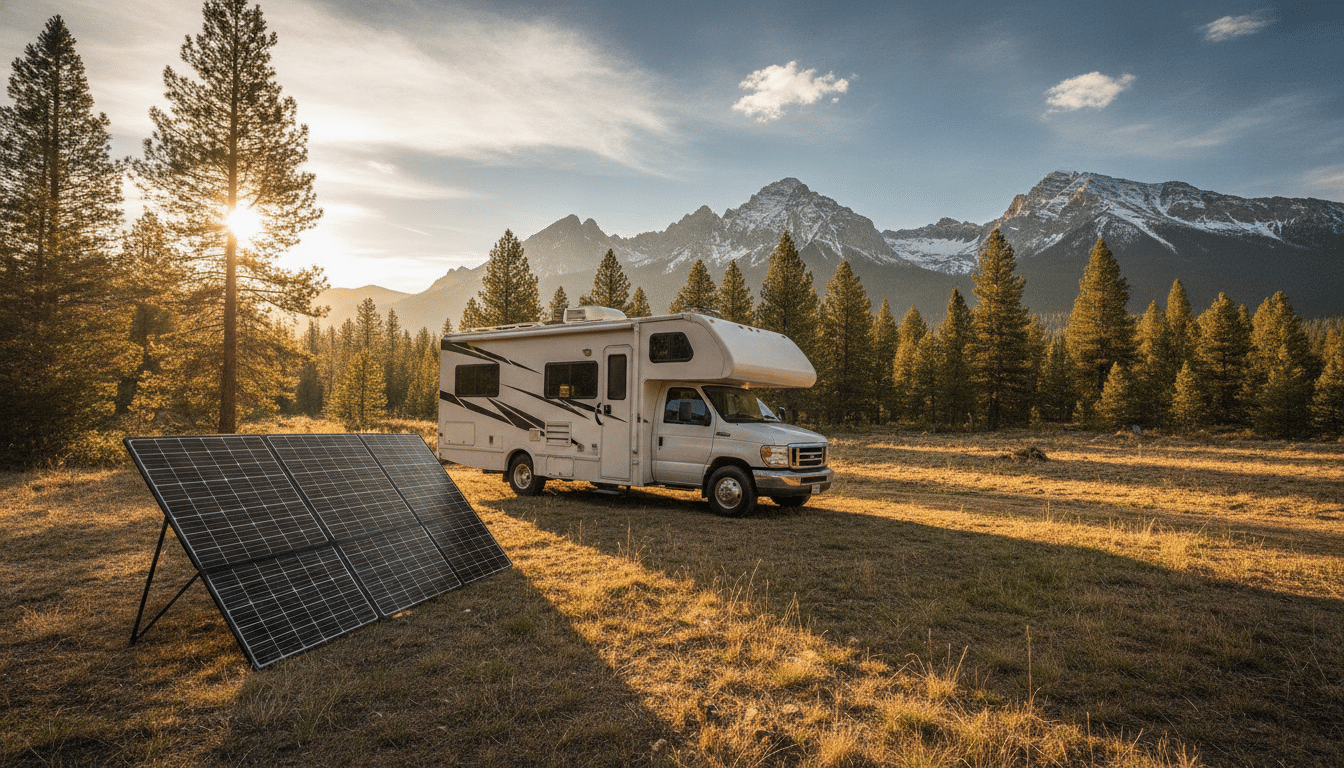
Outdoor travel gives you freedom, but access to electricity becomes harder when you leave campsites and traditional power sources behind. RV travelers, campers, hikers, and road trippers often need reliable energy for phones, lights, laptops, refrigerators, and other essential equipment.
Solar power offers a practical way to generate electricity while traveling. Modern foldable systems are easier to transport and set up than traditional rooftop installations, making them useful for people who want flexible energy without permanently modifying their vehicle.
Why Portable Solar Panels Are Useful for Travelers
A portable solar panel gives you a simple way to turn sunlight into usable electricity. You place the panel where it receives strong sunlight, connect it to a compatible power station or battery, and allow it to generate energy throughout the day.
Modern portable models come in different wattages, so you can match the system to your needs. Smaller panels work well for phones, tablets, cameras, and other low-power devices. Higher-output models support larger loads through suitable power stations and battery systems.
For travelers comparing different options, portable solar panel systems offer a range of sizes and configurations for camping, emergency backup, and outdoor use. Current options include foldable models from compact 100W units to higher-output systems designed for more demanding applications.
The Advantages of Foldable Solar Technology
Traditional rooftop solar systems require mounting, wiring, and permanent installation. Foldable panels take a different approach.
You can unfold the panel when you need power, position it toward the sun, and pack it away when your trip ends. This makes them especially useful for RV owners who do not want to drill into their vehicle or install a permanent solar array.
Key advantages include:
- Easy transportation and storage
- Flexible positioning throughout the day
- No permanent roof installation
- Compatibility with many portable power stations
- Useful for camping and emergency situations
- Simple setup compared with fixed solar systems
Positioning also matters. A portable panel lets you move the equipment as the sun changes position, helping you maintain better exposure throughout the day.
Building an Efficient RV Power Setup
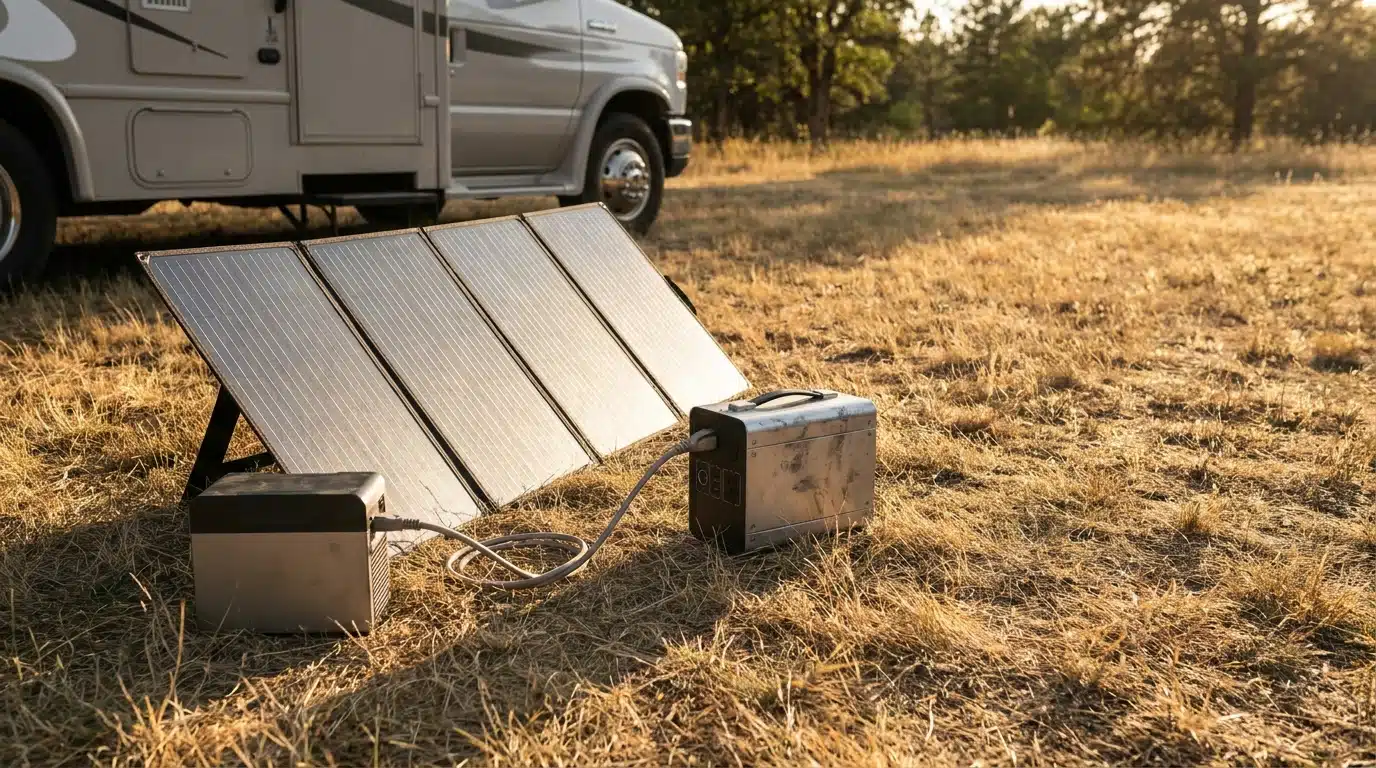
A good RV solar setup starts with your actual electricity requirements. Make a list of the devices you expect to use and estimate how much energy each one consumes.
For example, a phone charger requires little energy compared with an RV refrigerator. Lights and small electronics sit somewhere between these two extremes.
Your setup might include:
- A portable solar panel
- A compatible power station or battery
- Appropriate cables and connectors
- A suitable charge controller when required
- A secure location with good sunlight exposure
You should also check voltage, connector types, and input limits before connecting equipment. Matching the panel output with your power station helps prevent compatibility problems.
Solar Power for Longer RV Trips
Longer trips often require more careful energy planning. Travelers who spend several days away from electrical hookups need enough generation and storage capacity to cover daily consumption.
Higher-output foldable panels provide more generation capacity while remaining easier to store than permanent systems. RV-focused guidance also highlights the value of adjustable placement, compact storage, and compatibility with power stations.
You can also learn more about off-grid solar power solutions when planning an RV setup. This approach helps you consider panel size, storage requirements, and the types of appliances you expect to operate during your trip.
How to Get Better Solar Performance
Good positioning makes a noticeable difference. Place the panel in an open area away from trees, buildings, and other objects that create shade.
Clean the surface regularly, especially after dusty or muddy trips. Keep cables and connectors protected from unnecessary moisture and physical damage. When traveling, fold the equipment carefully and store it in a dry location.
You should also avoid assuming that a panel will produce its maximum rated output throughout the day. Real-world production depends on sunlight intensity, weather, temperature, positioning, and other conditions.
A Practical Choice for Modern Travelers
Portable solar technology gives outdoor travelers more control over their electricity supply. Instead of depending entirely on campground hookups or fuel-powered generators, you can generate energy from sunlight and store it for later use.
For RV owners and campers, the combination of portability, flexible positioning, and easy storage makes foldable solar panels a practical option. By choosing the right output for your equipment and managing your energy consumption carefully, you can enjoy longer trips while keeping essential devices powered.

Former airline pilot Marco Giannini has explored 80-plus countries and now designs immersive, budget-savvy itineraries. He joined us in 2024 to share packing lists, cultural etiquette, and eco-friendly lodging picks that turn dream trips into doable plans. Between flights, Marco mentors student aviators, maps coastal cycling routes, and brews Italian espresso for fellow travelers at community hostels during layovers worldwide.