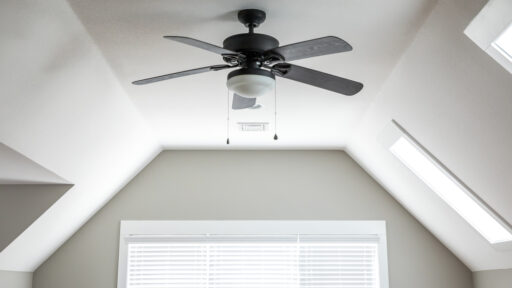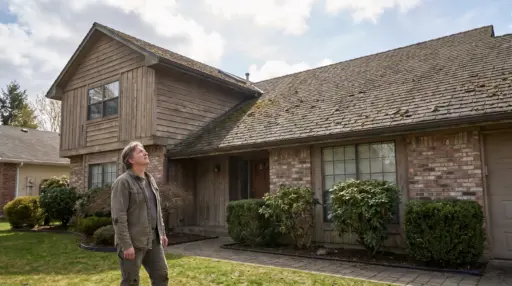
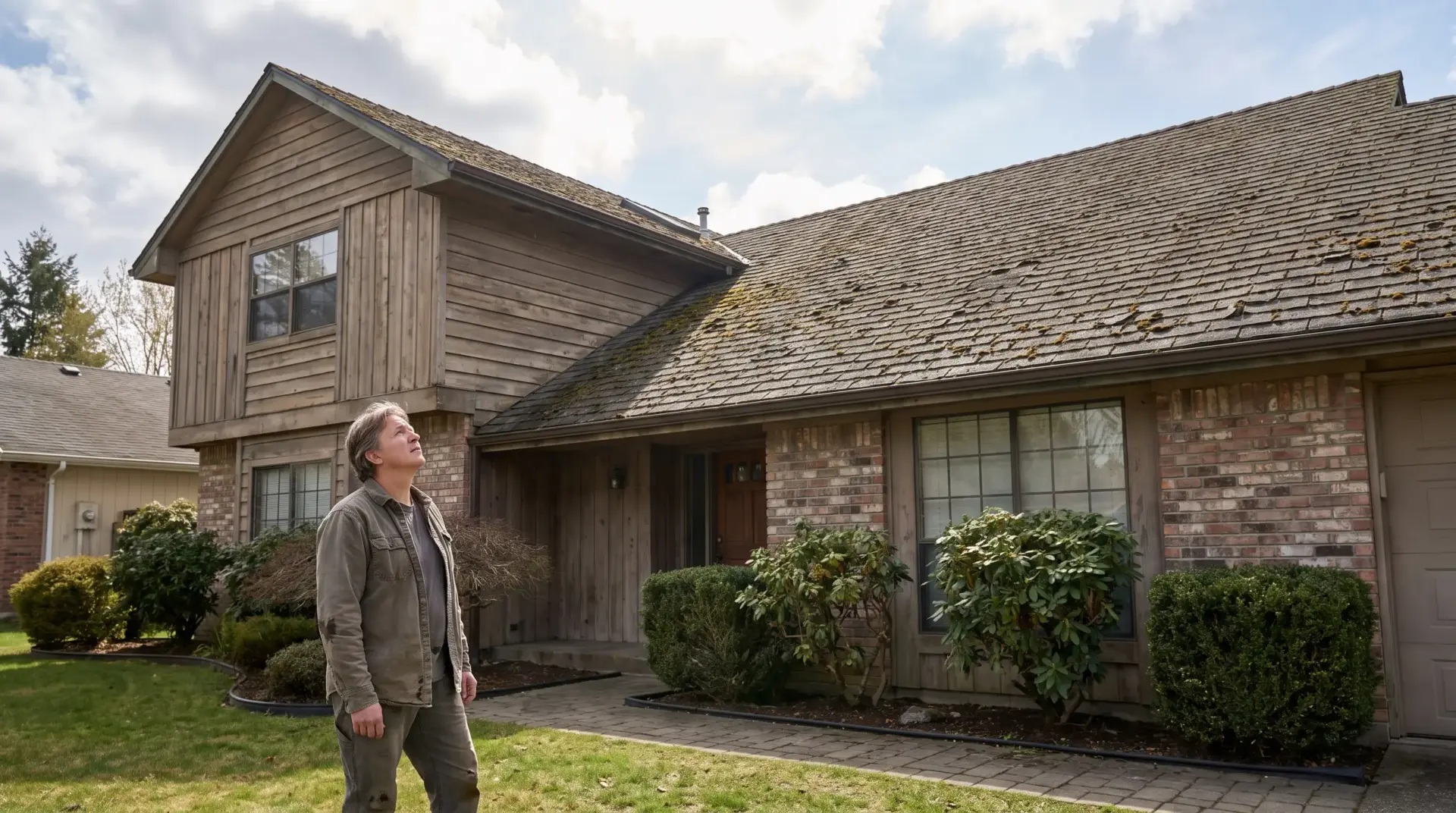

An aging roof does not always fail all at once. The signs often appear slowly through worn materials, moisture in the attic, or changes that are easy to overlook. By the time water starts dripping from the ceiling, the roof may have been deteriorating for years.
Replacing a roof is a major home project, so the decision should not be based on price alone. Homeowners also need to consider timing, materials, ventilation, warranties, and what may be found after the old roofing is removed.
Look at the Roof’s Age and Condition
The expected life of a roof depends on the material, weather, installation quality, and maintenance history. Asphalt shingles often have a shorter lifespan than tile, metal, or slate, but age alone does not determine whether a roof needs to be replaced.
A roof exposed to strong sun, high winds, falling branches, or poor drainage may wear out sooner. Installation problems can also shorten its life, especially if several roofing layers were placed over one another.
Signs that an aging roof may need closer attention include:
- Shingles that are curling, cracking, or losing granules
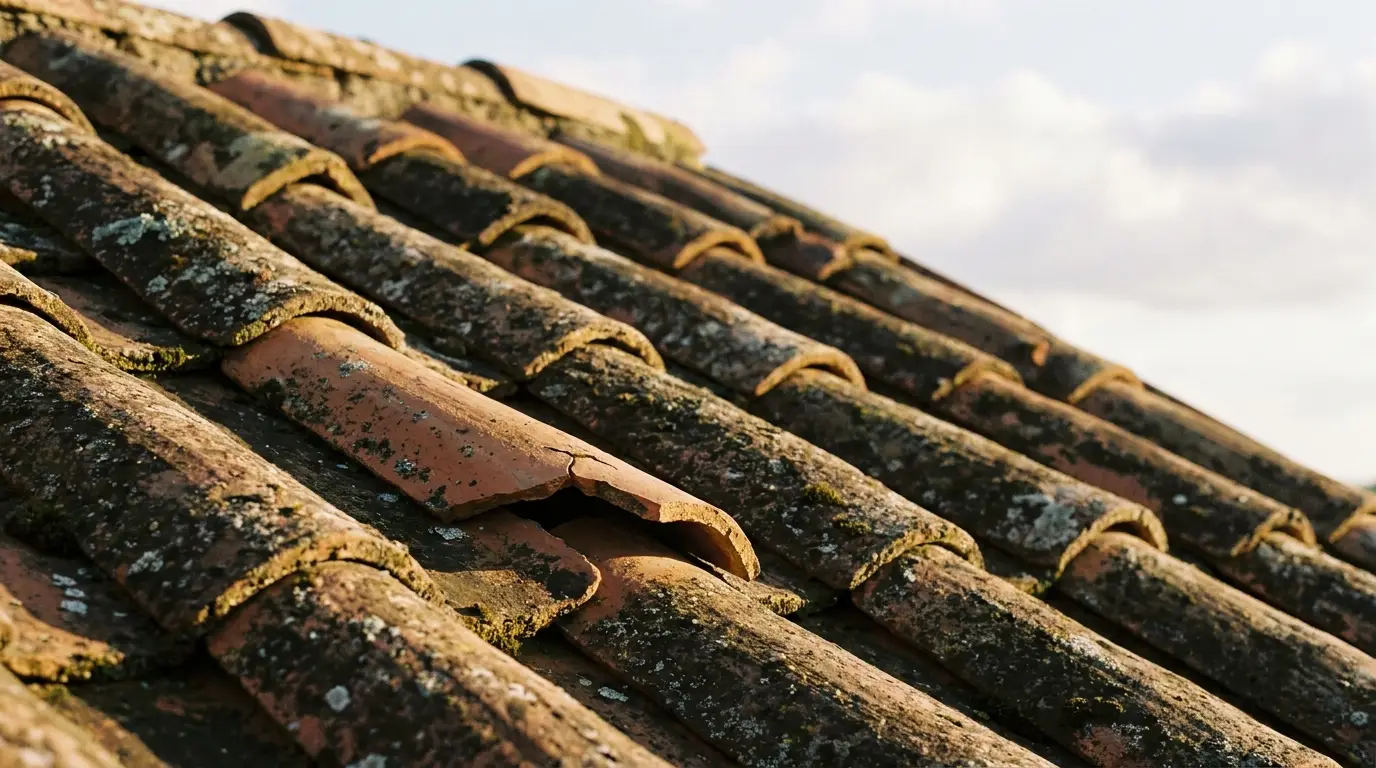
- Tiles that are broken, loose, or out of place
- Rust, open seams, or loose fasteners on metal roofing
- Sagging areas along the roofline
- Daylight visible through parts of the attic
- Damp insulation, dark stains, or musty odors
- Several roofing problems developing within a short time
One damaged area does not always mean the entire roof needs replacement. The concern becomes greater when wear is widespread, the roof is already old, or the materials beneath the surface are also deteriorating.
Choose the Right Time for the Project
It’s usually easier to plan a roof replacement before an urgent problem develops. Homeowners have more time to compare materials, review estimates, check contractor information, and prepare for the cost.
Weather and contractor availability can affect scheduling. Dry, predictable conditions are better for roofing work, but popular seasons may have longer wait times. Planning early provides more flexibility.
Other home projects should also be considered. If solar panels will be installed soon, it may make sense to replace an aging roof first. Otherwise, the panels may need to be removed and installed again when the roof is replaced.
Gutter replacement, skylight work, exterior painting, and attic insulation may also need to be coordinated with the roofing schedule. Completing projects in the right order can prevent repeated labor or damage to newly installed materials.
Understand What the Estimate Includes
Roofing estimates can appear similar while covering very different amounts of work. A lower price may leave out permits, disposal, new flashing, ventilation changes, or the cost of replacing damaged decking.
When comparing proposals for a professional roof replacement in Los Angeles, homeowners should ask each contractor to provide the full scope of work in writing. This makes it easier to compare the same materials, installation steps, and responsibilities.
The estimate should explain:
- Whether the old roofing will be removed
- Which material and product line will be installed
- What type of underlayment and flashing will be used
- How vents, skylights, pipes, and chimneys will be handled
- Who will obtain permits and schedule inspections
- How debris and old materials will be removed
- How damaged decking or other unexpected work will be priced
- The expected schedule, payment terms, and warranties
Some damage cannot be seen until the old roofing comes off. The contract should explain how additional work will be approved and priced before it is completed.
Compare Materials Based on the Home
There is no single roofing material that works best for every property. The right choice depends on the roof’s slope, the structure of the house, the local climate, the budget, and the desired appearance.
Asphalt shingles are widely used and usually have a lower upfront cost. They come in many colors and styles, but their expected lifespan may be shorter than tile or metal.
Clay and concrete tiles are common on Southern California homes. They can last a long time, but they are heavy. The structure must be able to support them, and individual tiles can break when walked on incorrectly.
Metal roofing is durable and available in several styles. Certain finishes can reflect more sunlight, which may help reduce heat gain. The coating and installation method affect how the roof looks and performs over time.
Slate has a long lifespan, but it is expensive and heavy. Wood shakes provide a natural appearance but may require more maintenance. Fire rules and insurance requirements can also limit where wood roofing is used.
Before choosing, homeowners should ask how long the material is expected to last, how it handles direct sunlight, what maintenance it needs, and what the warranty covers.
Check the Attic, Ventilation, and Decking
A roof replacement is a good time to inspect parts of the system that are normally hidden. Poor ventilation, damaged decking, and inadequate insulation can affect both the new roof and the comfort of the home.
The attic should be checked for moisture, compressed insulation, blocked vents, and bathroom fans that release air into the attic. These conditions may point to airflow or moisture problems that should be addressed during the project.
Ventilation should be planned according to the roof and attic. Intake and exhaust vents need to work together. Simply adding more vents does not guarantee better airflow.
Review the Contractor and Contract
Before hiring a contractor, verify the license, insurance, and experience with the selected roofing material. Ask for recent references and examples of similar projects.
The California Contractors State License Board recommends getting at least three written bids and comparing them using the same plans, specifications, and scope of work. It also advises homeowners not to choose automatically based on the lowest price.
The written contract should include product names, colors, warranties, payment dates, permits, cleanup, and any work that was promised. Homeowners should also ask:
- Who will supervise the project?
- Will employees or subcontractors perform the work?
- How will the property and landscaping be protected?
- What happens if it rains during the project?
- How will changes be documented and approved?
- What does the workmanship warranty cover?
Prepare the Property for the Work
Roof replacement can be noisy and may cause vibration inside the house. Homeowners should remove fragile items from walls and shelves, move vehicles away from the work area, and protect belongings stored in the attic.
Children and pets should be kept away from the work area. It is also helpful to let nearby neighbors know about the expected dates, noise, and temporary debris containers.
Conclusion
Before replacing an aging roof, homeowners should consider its condition, project timing, material choices, attic ventilation, contract details, and the contractor’s qualifications. Careful planning and a clear written estimate can reduce surprises once the old roofing is removed.

Holding a Master’s in Architecture from the University of Texas at Austin, Emily Rodriguez has dedicated more than two decades to the art and science of building renovation. Starting her journey in historic preservation, she developed a profound respect for blending old with new in building design. Emily became a vital part of our team in 2019, renowned for her insightful and innovative renovation tips. She has been leading our DIY home improvement series since ever since, where she shares her wealth of knowledge in turning outdated spaces into modern havens. When not engaged in writing or consulting, Emily is a passionate advocate for heritage conservation and enjoys exploring vintage architecture, a hobby that complements her professional expertise.