
Home improvement projects shape how well a house performs over time. Essential upgrades go beyond appearance and focus on protection, efficiency, and long-term value. Every system inside a home works together, so weak points in one area often affect another.
Strategic planning ensures each improvement supports durability and daily comfort. A future-ready home handles rising utility costs, evolving technology, and changing lifestyle needs without constant disruption. Clear priorities and timely upgrades create stability that lasts for decades. Let us take a closer look at the key improvements that make this possible.
Strengthen Structural Integrity
A strong structure forms the backbone of a reliable home. Small cracks in the foundation, subtle roof damage, or minor water intrusion may seem manageable at first. Over time, these issues expand and compromise safety. Early inspections help identify vulnerabilities before they turn into major structural repairs.
Roofing deserves careful attention since it shields the entire interior. High-quality shingles, proper ventilation, and secure flashing reduce the risk of leaks and temperature fluctuations. Stable framing and reinforced support beams maintain balance throughout the home. Drainage systems around the foundation also protect against soil erosion and moisture buildup. Solid structural investments protect every other upgrade that follows.
Modernize Plumbing Systems
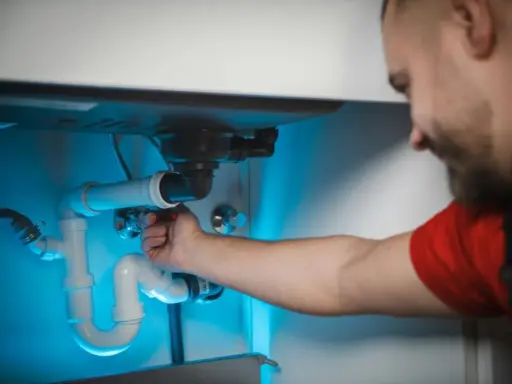
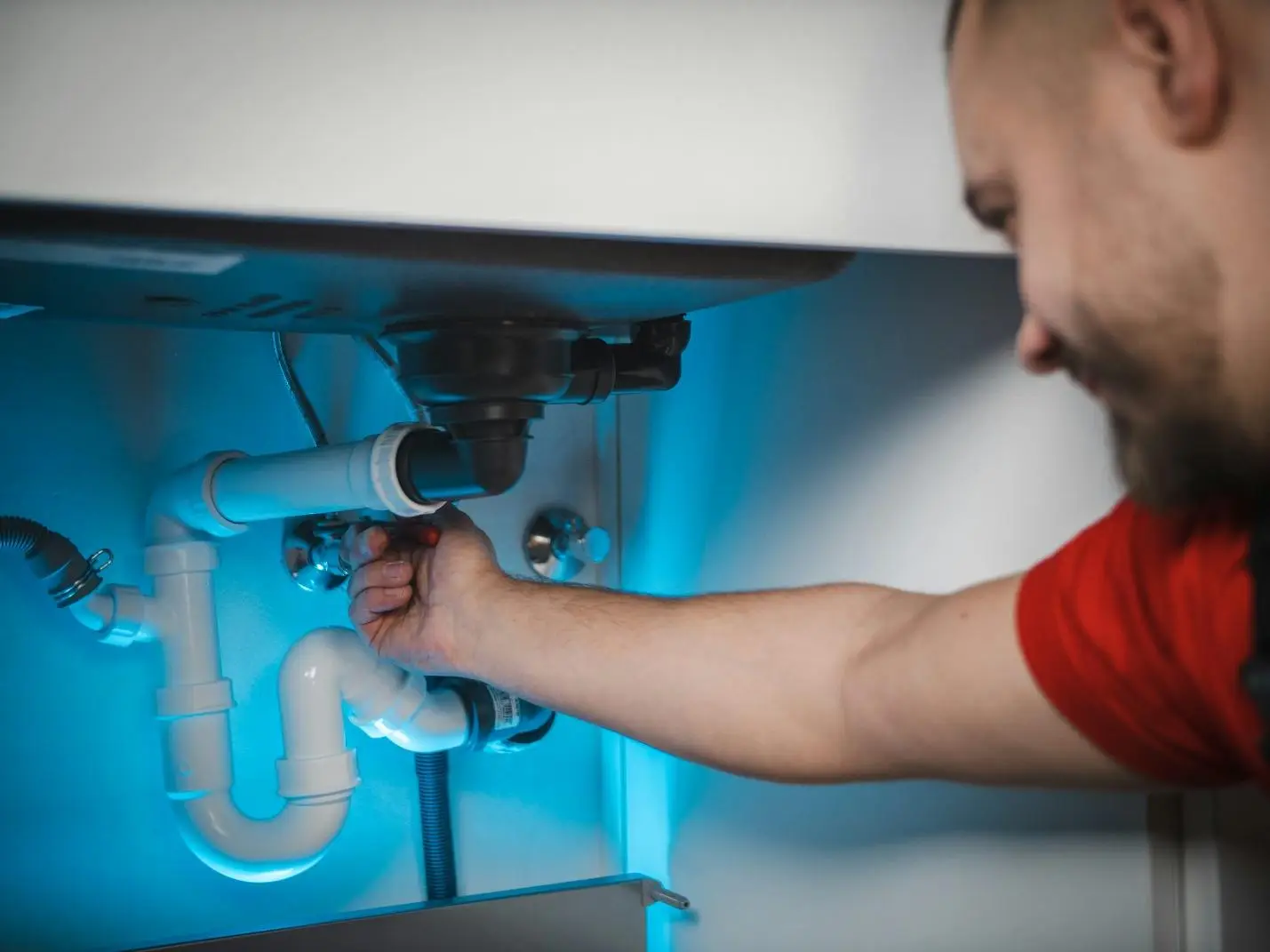
Plumbing systems directly influence comfort, efficiency, and long-term property protection. Aging supply lines and worn fixtures can reduce water pressure and increase the risk of hidden leaks. Replacing outdated pipes with durable materials improves reliability and supports consistent performance throughout the home. Updated fixtures also reduce water waste while maintaining a steady flow.
Professional expertise ensures every component operates safely and efficiently. The best plumbing services include thorough system inspections, precise diagnostics, efficient repairs, high-quality fixture installations, and long-term water efficiency solutions tailored to each home. Experienced technicians identify early warning signs such as pressure inconsistencies, minor leaks, or weakened connections before they escalate into structural damage.
Smart leak detection devices provide additional security and allow homeowners to respond quickly to unexpected issues. A modern plumbing system protects interior finishes, supports appliance efficiency, and strengthens the overall stability of the home.
Upgrade Electrical Infrastructure
Modern homes rely on a growing number of devices and appliances. Electrical systems designed decades ago often struggle to handle today’s energy demands. Panel upgrades increase capacity and reduce strain on circuits. Replacing outdated wiring improves safety and supports consistent power distribution.
Ground fault and arc fault protection reduce fire risks in areas exposed to moisture or heavy usage. Whole-home surge protection safeguards electronics during unexpected power fluctuations. Planning for electric vehicle charging stations or renewable energy integration ensures flexibility as technology continues to evolve. A reliable electrical framework supports convenience and protects valuable equipment.
Improve Energy Efficiency
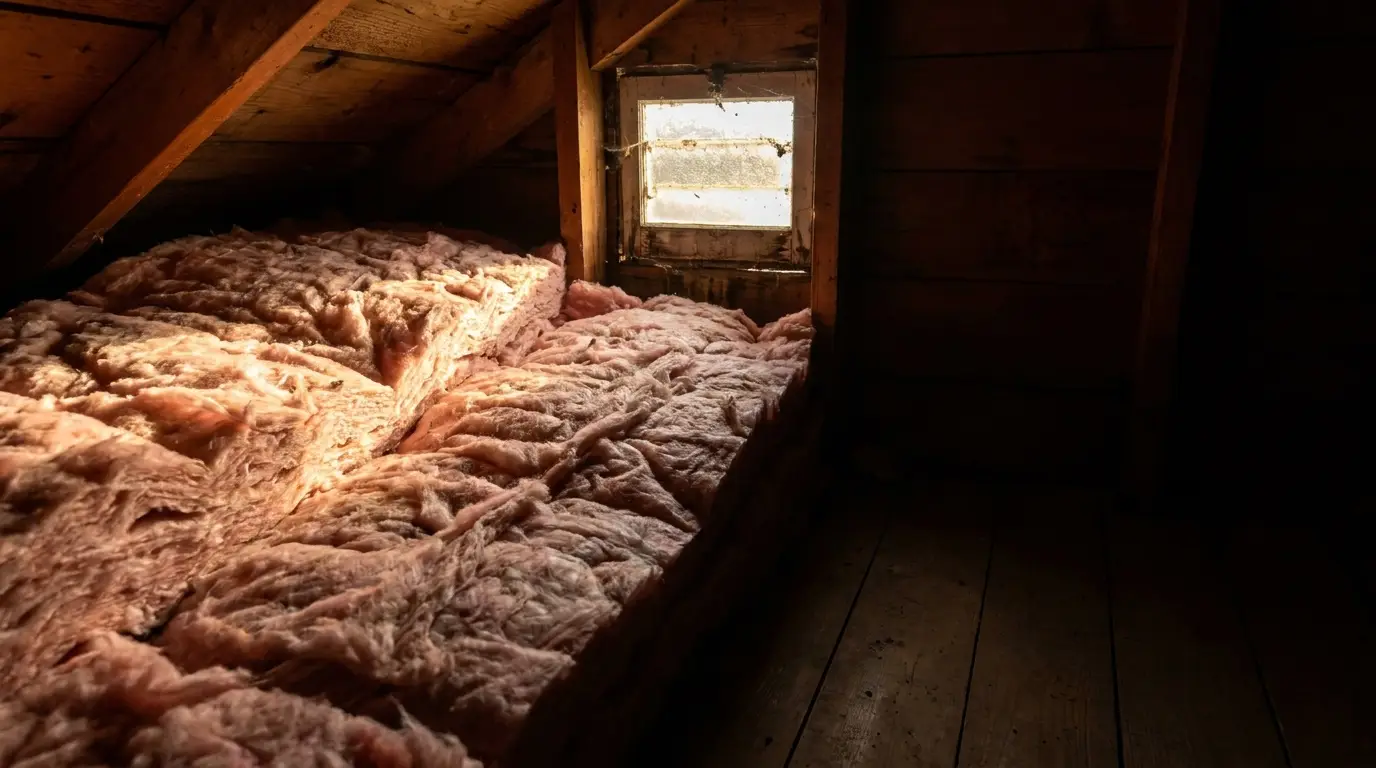
Energy efficiency strengthens long-term sustainability and comfort. Proper insulation stabilizes indoor temperatures and reduces heating and cooling costs. Attics, walls, and crawl spaces benefit from improved insulation that limits energy loss throughout the year.
Air sealing around windows, doors, and ductwork prevents drafts that strain HVAC systems. Energy-efficient windows enhance natural light while maintaining temperature control. Modern appliances use less electricity and water, lowering monthly expenses. Smart thermostats provide better control over heating and cooling schedules. Thoughtful efficiency upgrades create consistent comfort and free up resources for future improvements.
Invest in Smart Home Technology
Smart home systems add convenience while improving overall management of household functions. Integrated security cameras and motion sensors increase awareness and protection. Automated lighting and climate control improve efficiency and simplify daily routines.
Scalable technology platforms allow gradual expansion without complex rewiring. Centralized hubs streamline device management across rooms. Compatibility planning prevents future replacements and ensures seamless integration as new products enter the market. Strategic smart technology investments enhance daily living while keeping the home aligned with advancing innovations.
Enhance Climate Resilience
Climate resilience strengthens a home’s ability to handle unpredictable weather patterns. Storm damage, heavy rainfall, and extreme heat place consistent pressure on exterior materials and structural systems. Protective upgrades reduce the likelihood of costly repairs and interior damage.
Impact-resistant windows improve durability while maintaining energy efficiency. Reinforced garage doors provide added protection during high winds. Proper exterior drainage channels water away from the foundation and limit soil movement. Backup power systems for critical equipment offer reassurance during outages. Careful preparation protects both structural integrity and everyday comfort when severe conditions arise.
Design Flexible Living Spaces
Living needs evolve, and adaptable spaces allow a home to grow alongside those changes. Remote work, expanding families, and shifting routines require layouts that support multiple functions without feeling crowded. Thoughtful planning ensures rooms remain practical without sacrificing flow.
Open floor plans create natural transitions between living areas. Sliding partitions or movable dividers provide privacy when needed. Finished basements and attic conversions increase usable square footage while preserving the existing footprint. Built-in storage maintains organization and prevents clutter from overwhelming shared spaces. Flexible design keeps the home relevant and comfortable through every stage of life.
Prioritize Sustainable Materials
Material selection plays a direct role in long-term durability and indoor health. High-quality, responsibly sourced materials resist wear and reduce maintenance demands. Engineered wood, recycled metal, and low-VOC finishes contribute to cleaner indoor air while maintaining strength and visual appeal. Thoughtful material choices also improve overall efficiency and reduce the frequency of costly replacements.
Exterior materials also benefit from careful selection. Weather-resistant siding and durable roofing materials extend lifespan and limit replacement frequency. Water-efficient landscaping reduces strain on local resources while maintaining curb appeal. Sustainable choices support environmental responsibility while reinforcing the home’s long-term performance.
Future-proofing a home requires consistent attention to foundational systems and smart planning. Structural strength, modern plumbing, upgraded electrical infrastructure, energy efficiency, and integrated technology create a stable base. Climate resilience, flexible living spaces, and sustainable materials build upon that groundwork. Each improvement supports comfort, safety, and long-term value. Strategic investments today reduce future disruptions and ensure your home remains dependable for years to come.
Careful coordination between these upgrades prevents gaps that can weaken overall performance. A well-planned approach keeps every system working together efficiently, reinforcing lasting stability and peace of mind.

Holding a Master’s in Architecture from the University of Texas at Austin, Emily Rodriguez has dedicated more than two decades to the art and science of building renovation. Starting her journey in historic preservation, she developed a profound respect for blending old with new in building design. Emily became a vital part of our team in 2019, renowned for her insightful and innovative renovation tips. She has been leading our DIY home improvement series since ever since, where she shares her wealth of knowledge in turning outdated spaces into modern havens. When not engaged in writing or consulting, Emily is a passionate advocate for heritage conservation and enjoys exploring vintage architecture, a hobby that complements her professional expertise.