
When homeowners think about improving curb appeal, the focus usually lands on the obvious things first. Fresh paint, landscaping, new siding, or updated windows tend to get most of the attention. While those upgrades certainly matter, many exterior design features that shape the overall appearance of a home are often overlooked completely.
The truth is, exterior design works best when every visible detail feels connected. A beautiful front yard may lose its impact if outdated fixtures, worn materials, or neglected architectural elements pull attention away from the home itself. Small exterior features can influence how modern, welcoming, and well-maintained a property appears long before someone steps inside.
Homeowners are also paying closer attention to function now, not just appearance. Energy efficiency, durability, lighting, storage, and security have become important parts of exterior planning. That shift has changed the way people approach renovations. Instead of focusing only on decorative updates, more homeowners are looking at how exterior features contribute to long-term value and daily convenience.
Many of the most important exterior elements are the ones people barely notice until they become outdated, damaged, or visually disconnected from the rest of the home.
Garage Doors Often Define the Entire Exterior Look
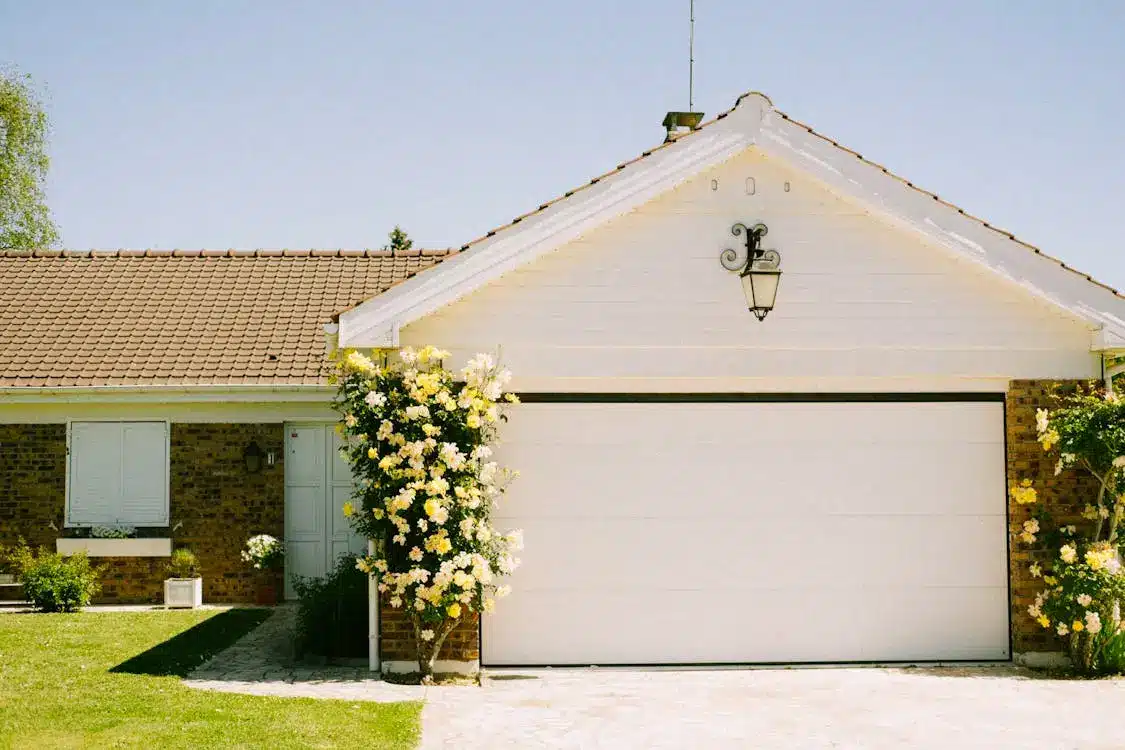
Garage doors are one of the largest visible features on many homes, especially in suburban neighborhoods where front-facing garages dominate the exterior layout. Despite that, homeowners often treat garage doors as purely functional instead of recognizing their impact on curb appeal.
An outdated garage door can make an otherwise attractive home look older and poorly maintained. Faded finishes, dented panels, outdated colors, or worn hardware immediately affect the overall appearance of the property. On the other hand, a modern garage door can completely change how the home feels from the street.
That is why many homeowners eventually begin exploring reliable garage doors replacement services when updating exterior features, especially after realizing how newer materials, insulation options, and design styles can improve both appearance and functionality. Professional guidance can also help homeowners choose styles that match the architecture of the home while improving energy efficiency and long-term durability.
Garage doors are no longer limited to basic white panels. Today’s options include wood-look finishes, carriage-style designs, glass accents, custom colors, decorative hardware, and insulated systems designed for better temperature control. These details help homeowners create a more polished and coordinated exterior appearance.
Security and convenience matter too. Modern garage systems often include quieter operation, improved safety features, and smart technology integration that allows homeowners to monitor and control access remotely.
When homeowners overlook garage doors during renovation planning, the exterior can end up feeling visually incomplete even after major upgrades elsewhere.
Exterior Lighting Is Commonly Undervalued
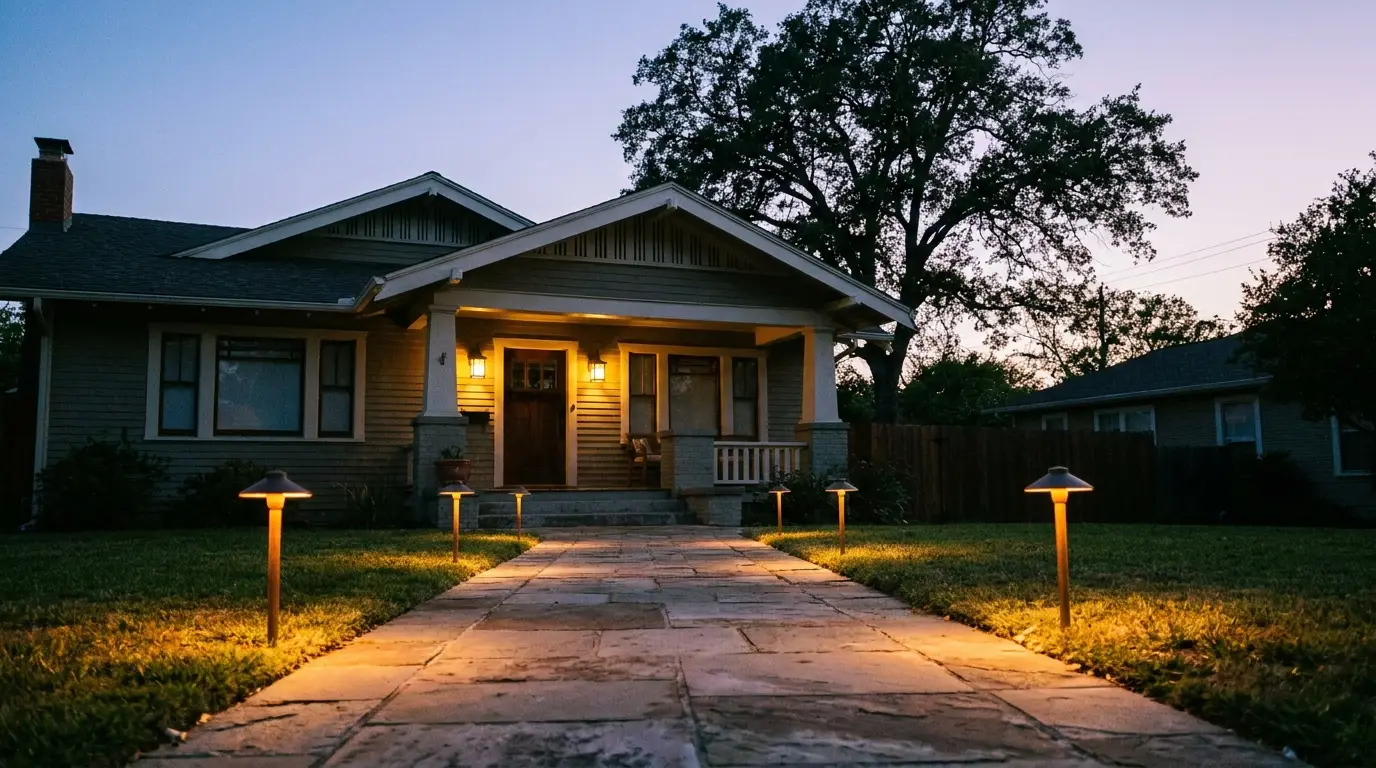
Lighting has a major effect on how a home looks and feels at night, yet it is often treated as an afterthought. Many homes rely on a single porch light without considering how layered lighting improves both safety and design.
Good exterior lighting creates depth and balance across the property. Walkways, driveways, landscaping, entryways, and garage areas all benefit from proper illumination. Well-placed lighting can make a home feel warmer, more welcoming, and easier to navigate after dark.
Poor lighting placement creates uneven shadows and may make homes feel less inviting. It can also reduce visibility around steps, pathways, and entrances.
Modern exterior lighting options include pathway lights, wall-mounted fixtures, uplighting for landscaping, and subtle accent lighting around architectural details. Even small updates can make a significant visual difference.
Energy-efficient LED systems have also made outdoor lighting easier to maintain while reducing long-term operating costs.
Gutters and Drainage Affect More Than Protection
Gutters rarely receive attention for their visual contribution to a home, but they influence exterior appearance more than most people realize. Sagging gutters, mismatched colors, visible rust, or poor drainage systems can make the property look neglected very quickly.
Beyond appearance, gutters play a critical role in protecting the home from water damage. Poor drainage can affect foundations, landscaping, siding, and even driveways over time.
Seamless gutter systems have become more popular because they provide a cleaner appearance while reducing maintenance issues caused by leaks or debris buildup. Coordinated gutter colors can also help exterior features blend together more naturally.
Homeowners sometimes invest heavily in landscaping while ignoring drainage issues that eventually damage the same outdoor areas they worked to improve.
Front Entry Design Shapes First Impressions
The front entry area strongly influences how welcoming a home feels. Surprisingly, many homeowners overlook smaller details around the entrance while focusing only on larger renovations.
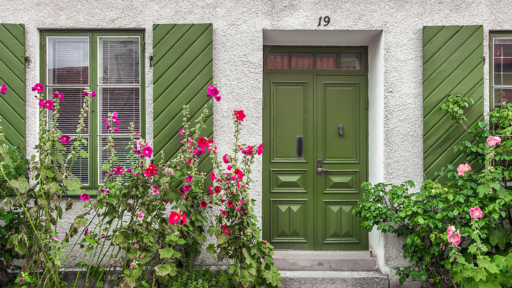
The front door itself matters, but so do the surrounding elements. Hardware, house numbers, lighting fixtures, porch railings, trim details, and pathways all contribute to the overall impression.
A simple front entry update can modernize the appearance of the entire property without requiring a full exterior renovation. Replacing outdated hardware, repainting the front door, improving lighting, or adding clean landscaping around the entrance can create a more balanced look immediately.
Symmetry also plays an important role in exterior design. Balanced lighting, coordinated materials, and uncluttered pathways help create a cleaner visual flow.
Window Trim and Shutters Add Architectural Character
Window trim and shutters are often treated like minor decorative details, but they help define the architectural style of the home. When these features are outdated, mismatched, or poorly maintained, the entire exterior can feel visually flat.
Faded trim paint, oversized shutters, or inconsistent styles create distractions that affect curb appeal. Coordinated trim colors and properly scaled shutters help tie exterior elements together more effectively.
Some homeowners remove shutters entirely for a cleaner appearance, while others use updated trim profiles to create stronger architectural definition.
The goal is not necessarily adding more decoration. It is creating consistency between windows, siding, roofing, and other visible features.
Driveways and Walkways Influence Curb Appeal
Driveways and walkways guide movement across the property, but they also shape visual flow. Cracked concrete, uneven pavers, stains, or poor edging can make even well-maintained homes feel less polished.
Material choice makes a difference here. Concrete, brick, stone, and pavers all create different visual styles depending on the home design. Clean edges, proper lighting, and landscaping integration help pathways feel intentional rather than purely functional.
Driveways also take up a large amount of visual space on many properties. Keeping them clean and well-maintained contributes more to curb appeal than many homeowners expect.
Simple improvements like pressure washing, resurfacing, or adding border accents can refresh the appearance significantly.
Great exterior design depends on much more than paint colors and landscaping alone. Some of the most important features affecting curb appeal are the ones homeowners often overlook during renovation planning.
Garage doors, lighting, gutters, entryways, walkways, trim details, and outdoor spaces all contribute to how a home looks and functions every day. When these elements work together, the entire property feels more balanced, modern, and welcoming.
Homeowners who focus on both appearance and functionality usually create stronger long-term value while improving the overall experience of living in the home. Exterior design is not just about decoration. It is about creating a complete, cohesive impression where every detail matters.

With a Master’s in Architecture from the University of California, Berkeley, Alexander Martin has dedicated the last 18 years to enhancing outdoor living through thoughtful and robust structure design. His career kicked off in urban planning, giving him a unique perspective on integrating structures into diverse environments. In 2019, Alexander brought his expertise to our website, offering insights into creating versatile outdoor spaces. Since then, he has been the lead advisor for our outdoor design projects and is known for his ability to merge functionality with environmental consciousness. Alexander enjoys rock climbing outside of work and participates in community development projects, activities that reflect his passion for the outdoors and sustainable design.