
Your air conditioner survives about 12 to 15 years on average, but that number assumes normal conditions. Texas summers and sudden spring storms aren’t normal conditions. They’re stress tests your system was never designed to pass year after year without help.
Here’s the uncomfortable truth: most AC breakdowns in San Antonio don’t happen randomly. They happen because weather pushed an already worn component past its limit. A capacitor that might have lasted two more years dies on the hottest afternoon of July. A coil that was merely dirty becomes a frozen block of ice after a humid front stalls overhead. Understanding exactly how heat, storms, and humidity attack your system is the first step to beating the pattern.
What Summer Heat Actually Does to Your AC
Your air conditioner moves heat from inside your home to outside. On a mild 80-degree day, that’s easy work. On a 102-degree afternoon, the outdoor unit has to push heat into air that’s already scorching, and the compressor has to work dramatically harder to make that happen.
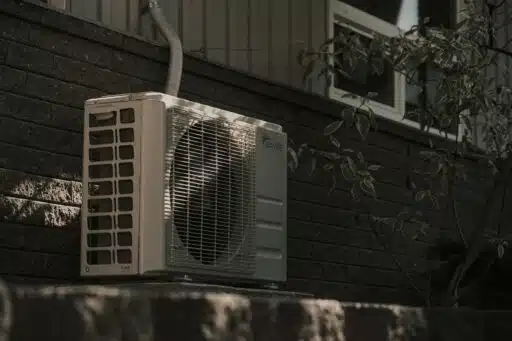
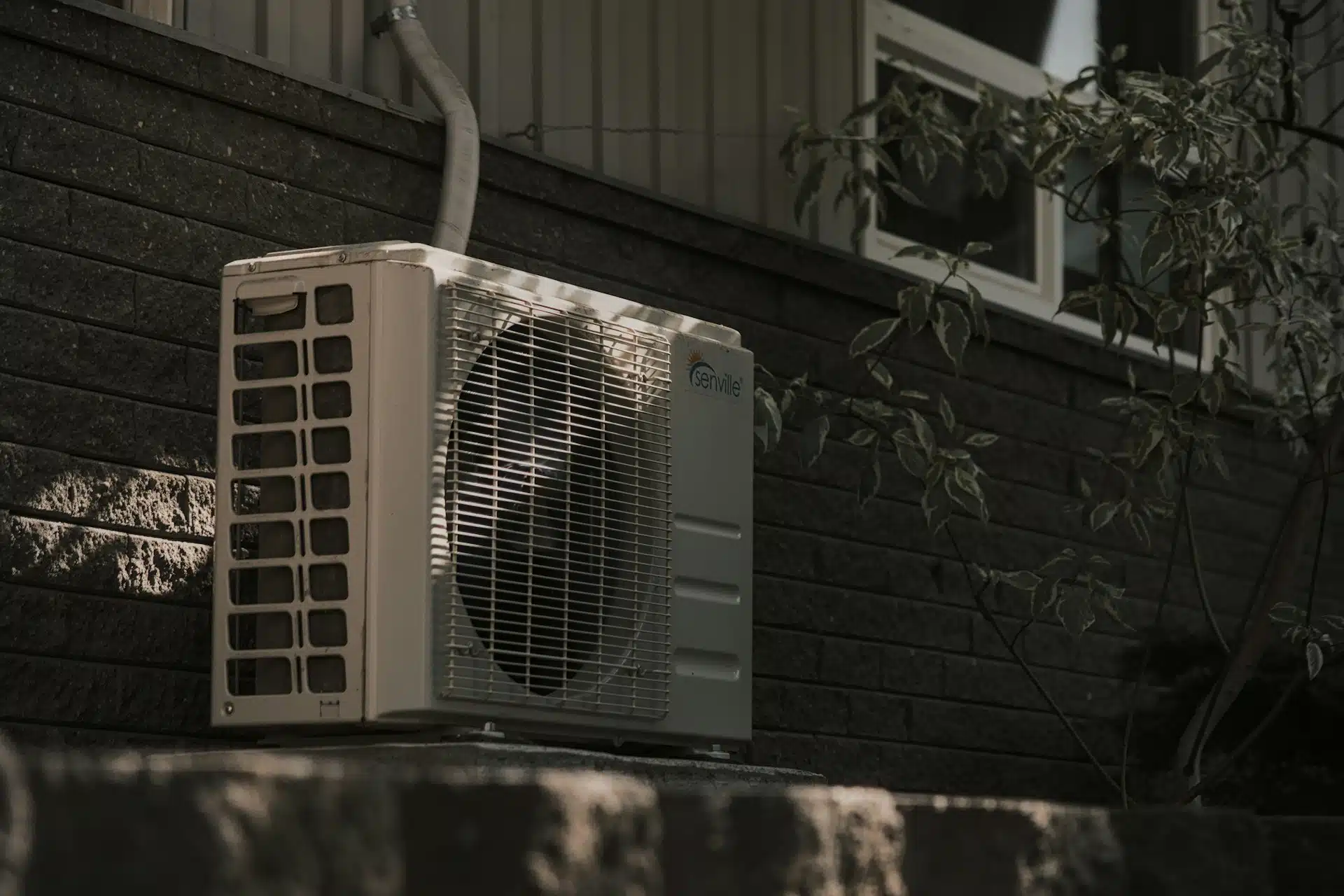
Here’s the part most homeowners never think about: condenser coils reject that heat, and they need airflow to do it. When temperatures climb, the refrigerant pressure rises, amperage spikes, and every electrical component runs hotter than its design spec. That combination is what kills capacitors, contactors, and compressors in the middle of summer.
The U.S. Department of Energy notes in their air conditioning guidance that systems lose efficiency as outdoor temperatures rise, partly because the condenser struggles to shed heat. They recommend shade for outdoor units, but they also stress that you should never block airflow around the unit to get that shade. A 3-foot clearance zone matters more than a few degrees of shade.
The 20-Degree Rule and Why It Fails in Extreme Heat
Homeowners hear that an AC should drop indoor temperature about 20 degrees below outdoor temperature. That rule stops being useful when it hits 105 outside, because no residential system is designed to hold 85 indoors while the sun bakes your roof at ground level.
What actually matters is the temperature split across the evaporator coil, something a technician measures with probes, not a rule of thumb. If your system delivers a 15 to 20 degree split between return air and supply air, it’s doing its job regardless of what the thermostat reads.
Why Spring Storms and Humidity Are Sneakier Than Heat
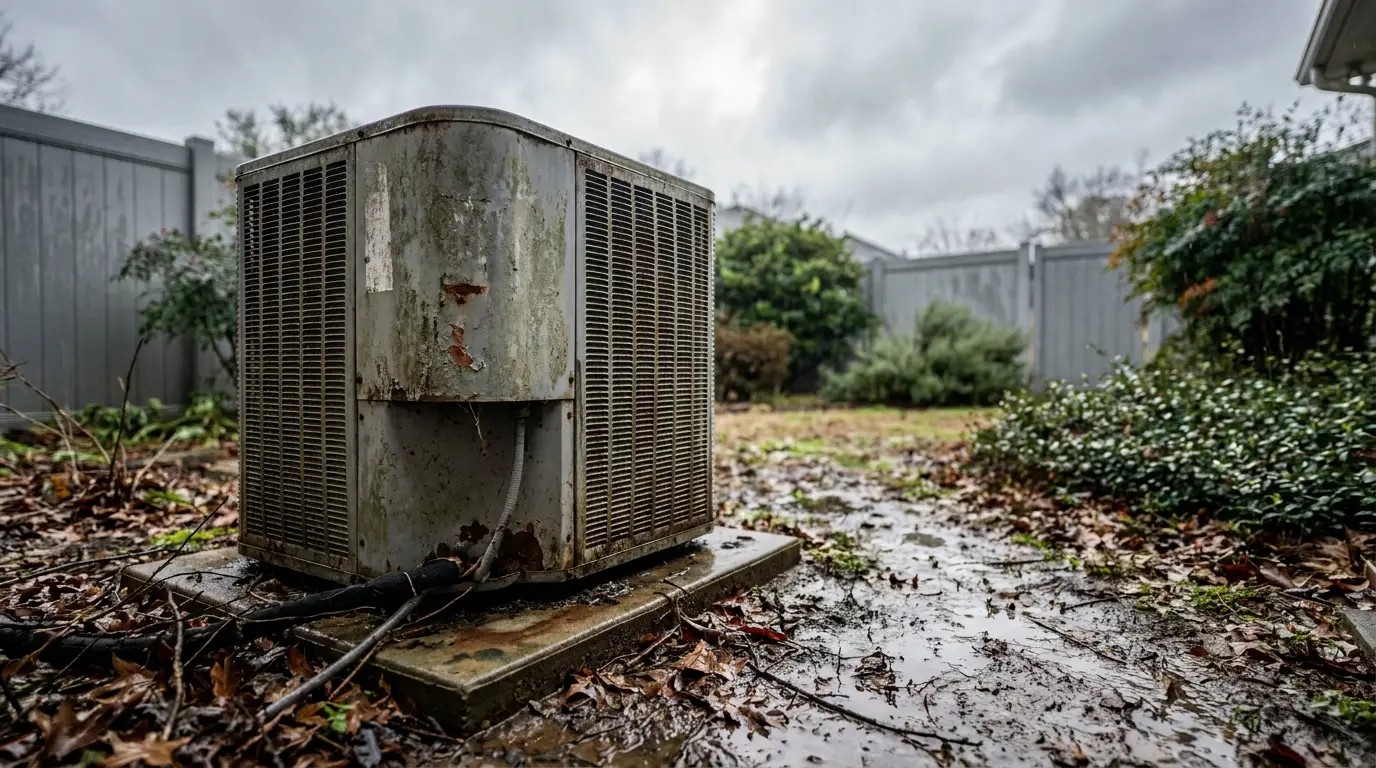
Heat gets the headlines, but humidity and storms might be harder on your equipment. San Antonio’s spring pattern brings humid air, sudden downpours, and power fluctuations, each of which hits the system differently.
High humidity makes your AC run longer to remove moisture from the air. That means more runtime, more wear on the compressor, and a condensate drain that works overtime. When that drain clogs, you get water damage, not just a warm house. Meanwhile, the Environmental Protection Agency points out that indoor moisture problems, including those from HVAC condensate issues, can create conditions for mold growth within 24 to 48 hours if left unaddressed. That’s a health issue layered on top of a comfort issue.
Thunderstorms bring their own special problems. Power surges from lightning strikes or grid fluctuations can fry control boards and capacitors even if the storm never touches your house directly. And after the storm passes, the debris that collects around an outdoor unit, leaves, twigs, and grass clippings, restricts airflow exactly when the system needs it most.
What Happens When the Condensate Drain Stops Working
Here’s a scenario that plays out every spring. The AC runs constantly during a humid stretch, the drain line gets clogged with algae or dust, and the safety float switch trips. The system shuts down entirely to prevent water from backing up into your home. To you, it looks like the AC died. To a technician, it’s a 20-minute fix with a wet vacuum and some bleach.
You can prevent the whole thing by pouring a cup of white vinegar down the drain access port every month during humid weather. It keeps the line clear and costs less than a dollar per treatment.
How to Map Maintenance to Your Local Weather Pattern
Different climates demand different maintenance schedules. A homeowner in Seattle worries about mold and mild temps. You’re dealing with 100-degree heat, rapid temperature swings, and humidity spikes that would make a Louisiana resident nod in sympathy. Your maintenance calendar should follow the weather, not a generic seasonal checklist.
Here’s a practical schedule that matches typical San Antonio weather cycles:
- Late February or early March: Schedule a pre-summer checkup before the first 90-degree day. This catches refrigerant leaks and capacitor issues while you still have time to shop around.
- After every heavy storm: Walk the outdoor unit and clear debris. Leaves and seed pods that collect around the condenser can drop airflow by 10 percent or more.
- Monthly during humid months: Pour vinegar down the condensate drain and check the air filter. A dirty filter makes the blower work harder and reduces the system’s ability to remove humidity.
- Before the holidays: If you have a heat pump, check that the reversing valve works. San Antonio winters rarely freeze pipes, but they’re cold enough to test your heating side.
The air filter deserves its own ritual. Set a reminder for the first of every month, not every three months. In a dusty climate with pets, the filter is often the single most neglected part of the system, and it’s the cheapest one to replace.
The One Decision That Saves You the Most Money
Here’s where I’ll give you a direct opinion: when a technician tells you that your system is low on refrigerant, don’t just pay for the recharge. Refrigerant doesn’t evaporate and leak on its own through healthy lines. A low charge means there’s a leak somewhere, and recharging without finding it means you’re paying to lose the same gas again in 12 months.
Ask for an electronic leak detector sweep and a bubble test on the service valves. It costs more upfront, but it prevents the most common money-wasting cycle in residential HVAC: paying for refrigerant you never actually got to use.
And when those repairs start stacking up on a system that’s pushing 12 years old, consider replacement economics honestly. A new high-efficiency unit typically cuts cooling costs by 20 to 40 percent compared to an aging system running on R-22 refrigerant that’s been phased out. The math rarely favors another $500 repair on a dying unit that’s also bleeding electricity every month.
Why Professional Eyes Beat Your Best DIY Effort
You can clean filters, clear debris, and keep the drain line flowing. Those tasks matter, and they prevent a solid portion of weather-related failures. But some problems only reveal themselves under load, when a technician puts gauges on the system and watches how it performs during a maximum-demand afternoon.
Superheat and subcooling readings, amperage draws on the compressor, and temperature splits across the coil tell a story that no amount of visual inspection can match. That’s why the pre-season checkup matters even when everything seems to be working fine. Your system can run inefficiently for months without you noticing anything but a higher electric bill.
Routine maintenance also catches the small problems that weather turns into emergencies. A contractor with pitted contacts fails during a heat wave, not during a mild spring day. A loose wire connection sparks and trips the breaker at 6 PM on the hottest evening of the year. The technician who visits in March prevents the panic call in July.
If you need san antonio air conditioning repair at 9 PM on a Sunday during a heat advisory, you’ll find companies that answer the phone and companies that route you to voicemail. The quality of that emergency service tells you a lot about how they treat scheduled maintenance customers too. Build the relationship before you need the rescue.
The pattern is always the same. A system that gets regular weather-aware maintenance handles a 105-degree July with minor strain. A neglected system fails at the worst possible moment, and you’re left paying emergency rates while your family sweats. The difference between those outcomes is roughly two hours of professional attention a year and a monthly reminder to change your filter.
So the question isn’t whether your AC can survive this summer. It’s whether you’ve done the work that gives it a fighting chance before the heat shows up.

Tommy Hardy, an alumnus of the Georgia Institute of Technology with a degree in Mechanical Engineering, has been a go-to figure in residential upkeep and innovation for over 18 years. His career commenced in a leading home appliance manufacturing company, where he mastered the intricacies of household systems. Joining our platform in 2020, Tommy quickly became a reader favorite for his practical and easy-to-follow guides. He took the helm of our DIY section in 2019, consistently delivering content that empowers homeowners. Beyond his professional pursuits, Tommy is a passionate gardener and enjoys woodworking, skills enhancing his hands-on approach to home care.