
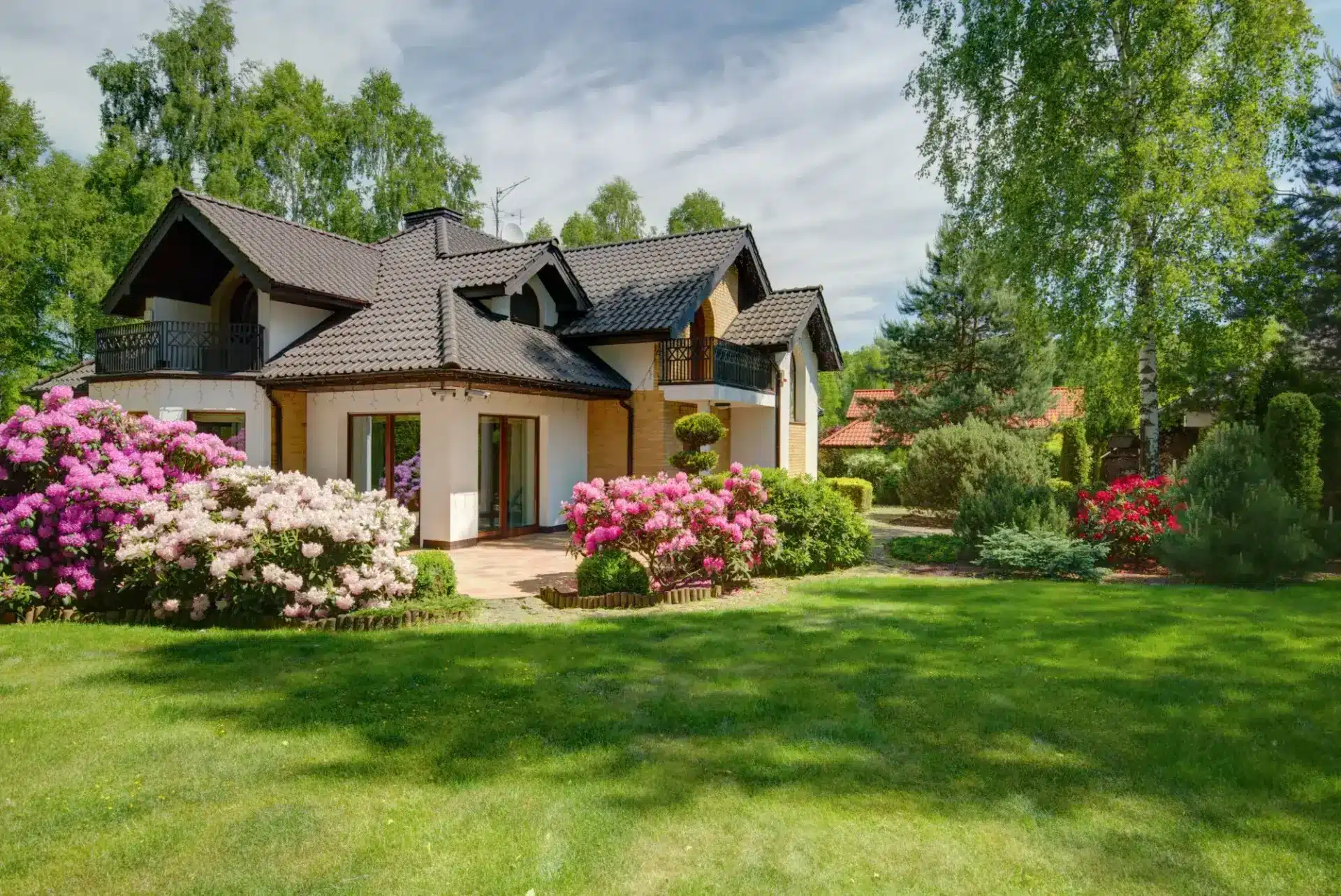

Is your garden going from being neat and trim to being overgrown almost overnight during the peak growing season? The University of Missouri Extension explains that a poorly designed landscape can leave homeowners spending more time removing weeds than they anticipated.
The good news is that an organized garden does not have to consume your entire weekend with weeding, mowing, and trimming. A few thoughtful design decisions can make your yard easier to maintain. Here are some backyard tips to help keep gardening from feeling like a second job.
Create Distinct Borders Around Garden Beds
The easiest way for a backyard to look untidy is to let grass spread into flower beds and other planted areas. You can create a simple border around a flower bed using a spade. It does not necessarily need to be anything fancy; stones and bricks are enough. The garden will look much neater once the borders are in place.
Edging can also help define planting areas and keep the garden looking organized. You don’t need to have an elaborate border. Usually, a simple curve or straight line is all you need.
Deal With Weeds Before They Take Over
Weeds are bound to crop up in any garden, regardless of how well it has been planned. Removing them early can prevent them from becoming a nuisance in flower beds and along pathways. Remove small weeds while they are easy to pull and apply mulch to help suppress future.
In case weeds become a major nuisance, it would be wise to shop professional weed control products and follow the label instructions carefully. Addressing weeds early can help prevent a more difficult maintenance problem later.
Substitute Challenging Lawn Sections with Groundcovers
Not every section of the backyard has to be covered in lawn. Grass can be difficult to maintain in shaded corners, on steep slopes, in narrow spaces, and around trees with extensive roots. Groundcovers can fill these difficult spaces while reducing maintenance.
Once established, groundcovers can help suppress weeds, reduce erosion, and retain soil moisture. Make your plant selection based on your yard’s sunlight, soil, drainage, and moisture conditions.
Allow Sufficient Space for Plants to Flourish
This is one of those mistakes that looks harmless when you’re planting but can become a headache later. You might be tempted to pack your garden bed with young plants so that they instantly fill the space. Remember that plants grow.
When plants are placed too close together, you may need to spend more time pruning and thinning them, while poor airflow can increase the risk of disease. Instead, consider each plant’s mature size and leave enough space for it to grow without crowding nearby plants.
Ensure Pathways Remain Straightforward and Accessible
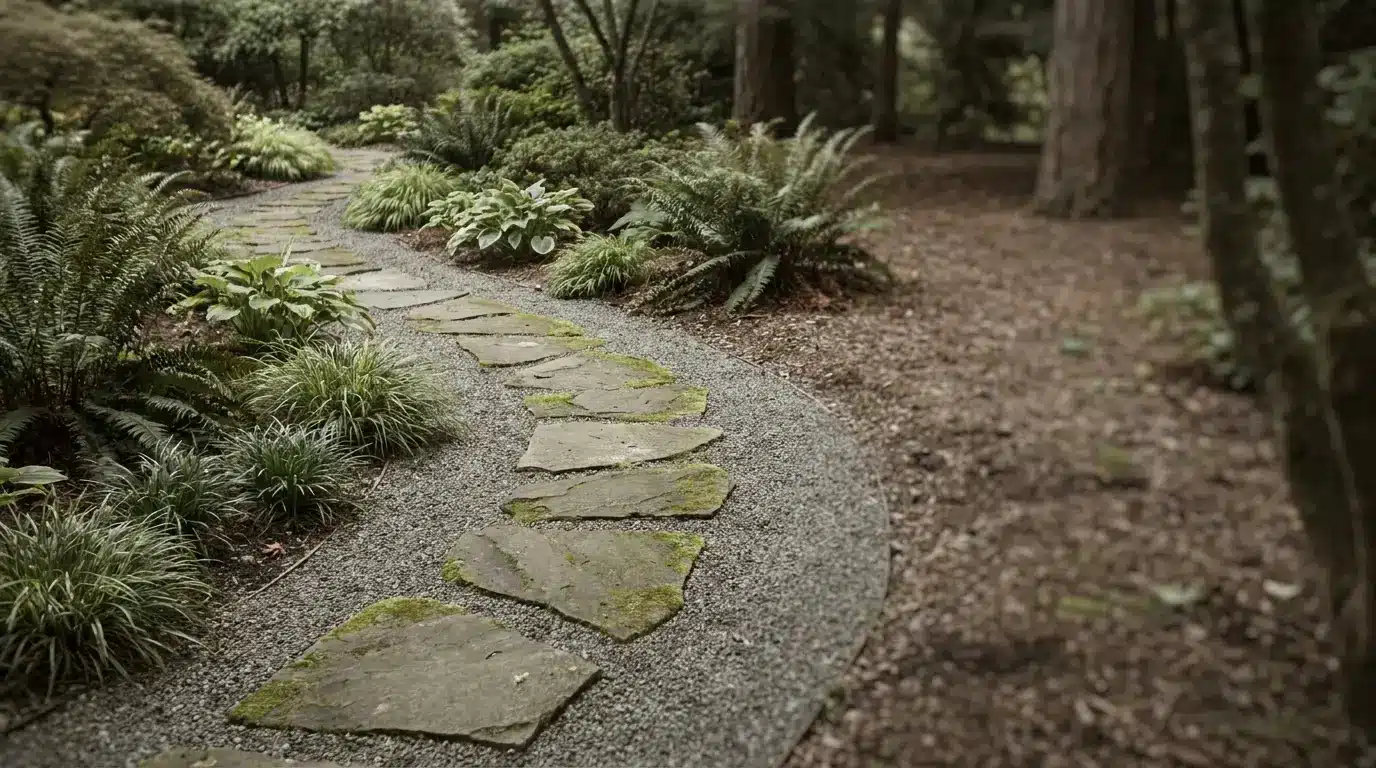
If you can access every section of the garden conveniently, it will be easier to maintain the garden. You do not have to fill every corner of the garden with plantings. Create pathways between the main areas of the garden.
There are many pathways, materials and designs to choose from. You may use paved paths, stepping stones, gravel, or even just mulch. These help you move through the garden when watering, weeding, and mowing the lawn. Pathways also create a more organized layout by separating planting areas and defining different sections of the yard.
Group Plants With Similar Needs Together
One easy principle you can follow to help with design is grouping plants that have similar needs. For instance, plants that love the sun can be placed all together, and plants that like shade can also be placed together.
This makes maintenance easier because you will not have to struggle with remembering which plants require lesser amounts of water or light. It also creates a more cohesive look because plants are arranged in deliberate groups rather than randomly scattered around the yard.
Don’t Make the Design Too Complex
Sometimes, the cleanest backyards are those that have the least going on. When there are too many plants, decorations, flower beds, and ornaments placed around the yard, it becomes cluttered. It also creates more places that need to be attended to regularly.
Instead, create a simple combination of lawn, flower beds, pathways, trees, shrubs, and a few focal points. Repeating the same plants or materials in different areas can also create a more cohesive look. However, a simple design shouldn’t look boring. You can use flowers, attractive planters, outdoor furniture, lighting, and an impressive tree to create a visual interest.
Transform Your Backyard Into a Functional Space
Maintaining your garden does not have to become an exhausting battle with weeds and overgrown plants. Often, simply changing the layout of your garden can make a significant difference.
Remember that any low-maintenance garden will still require effort on your part. The goal is not to eliminate gardening from your life, but to design a space that is easier to manage and less overwhelming.

With a Master’s in Landscape Architecture from the University of Virginia, Sophia Stephenson has dedicated the last 20 years to creating and maintaining vibrant outdoor spaces. Her professional journey started in landscape design, where she gained a reputation for innovative and sustainable approaches. Sophia became a part of our editorial team as a freelancer in 2019, offering a fresh perspective on outdoor living. Since 2020, she has been the chief for our outdoor design content, blending aesthetic appeal with environmental stewardship. In her leisure time, Sophia is a keen photographer, capturing the beauty of natural landscapes, a hobby that complements her professional expertise.



![20 front yard succulent garden ideas[P]](https://enthrallinggumption.com/wp-content/uploads/2023/12/20frontyardsucculentgardenideas-512x288.jpg)