
A flat and bare backyard can seem unoriginal and lacking depth. The key to changing an everyday outdoor area into something visually appealing is through layering. This is where vertical components, diverse plant heights, and architectural features are integrated to produce depth and intrigue. This article explores how to incorporate these features into your garden.
Creating Depth Through Strategic Zoning
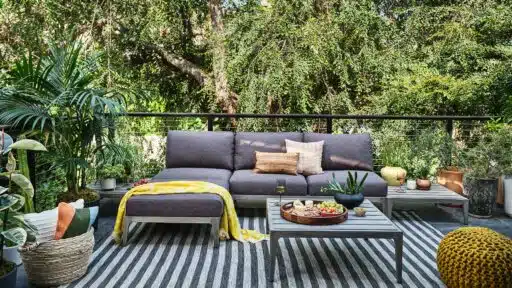
A layered garden starts by recognizing that borders are not barriers but frames, and that defining distinct zones lets you transition seamlessly from one element to another without getting visually overwhelmed.
This spatial planning allows each part of the yard to appear intentional. It leads the eye from the foreground to the background, while maintaining functional separation for different activities. Having specific spaces for lounging or gardening creates a narrative flow that encourages a sense of exploration over a single-view scene.
Zoning can also control scale and proportion in smaller or irregularly shaped outdoor areas. Using different levels and textures in an area helps to avoid a flat or dull landscape.
The defined areas generate pockets of intimacy and interest without distracting from the desired sense of flow. A specific zone of the landscape has its own ceiling, walls, and floor, making the space seem bigger and more usable throughout the year.
Integrating Vertical Structures Seamlessly
Vertical components are a crucial basis for any effective layered garden layout. Use trellises, screens, and structural fencing to complement greenery, not compete with it for attention. These vertical planes can provide the necessary height and privacy whilst providing support for climbing vines and espaliered trees that soften hard lines beautifully. This vertical integration transforms plain boundaries into living walls that enhance biodiversity and thermal comfort.
Professional fence installation services ensure that vertical structures are placed to maximize utility and visual harmony. Proper positioning accounts for sunlight patterns and soil conditions.
It also considers terrain, reducing maintenance issues and aesthetic mismatches. Leave a gap between fence and plantings for airflow and access. This precision lets hardscaping support living layers and strengthen plant health, while enforcing architectural style.
Building Living Layers With Diverse Plantings
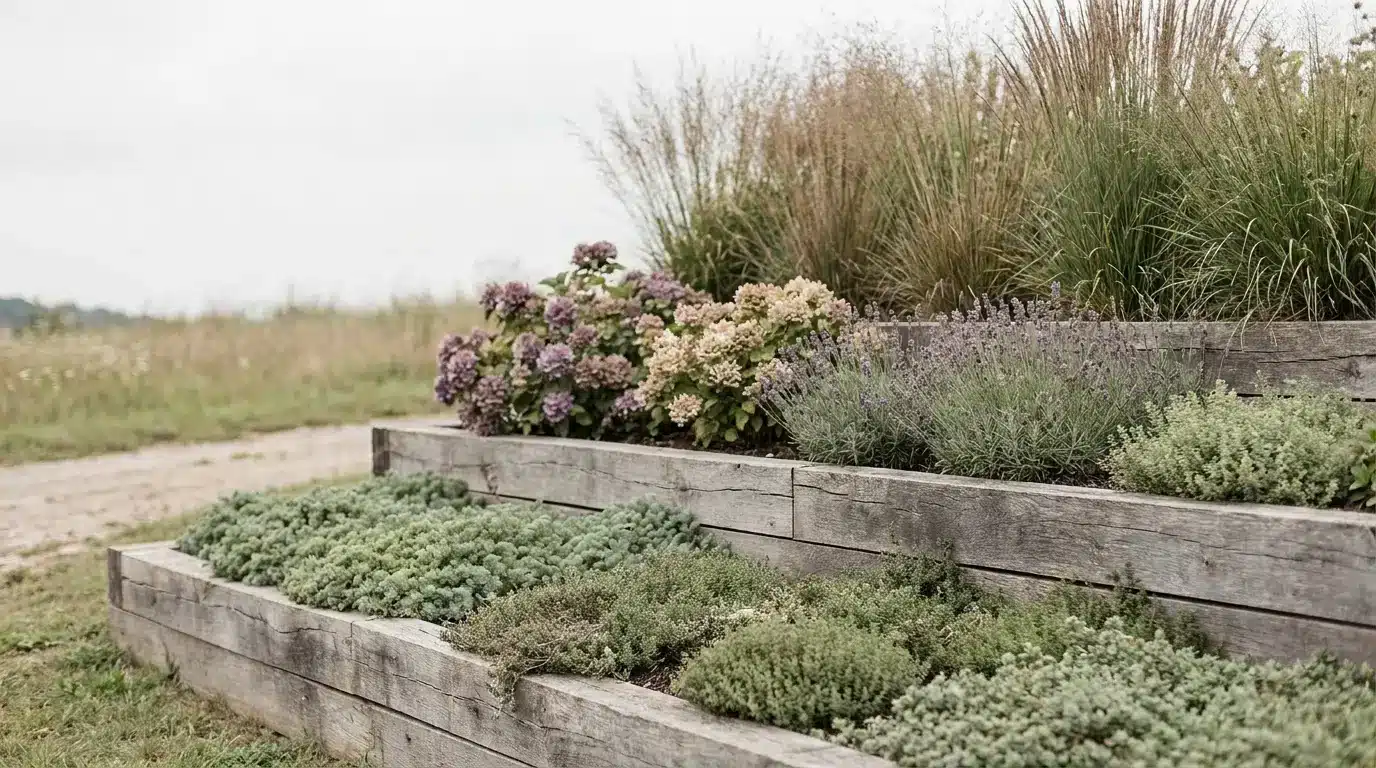
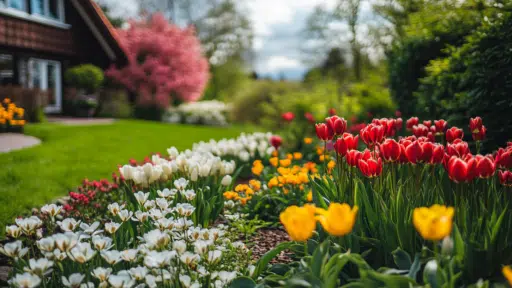
True depth in landscaping is achieved by varying plant heights and texture over different levels. Groundcovers create a foundational layer to unify the soil surface. Mid-height shrubs add substance and seasonal hues, whilst taller plants attract the eye upwards. A three-tier approach with low groundcovers, medium shrubs and perennials, and tall background plants creates natural overlap. The result is a dynamic and immersive landscape.
Form matters as much as height. Mounded plants add stability, while upright plants bring drama. Airy plants soften transitions. Repeating forms or colors build rhythm and prevent the thin, disconnected look of novice designs, instead creating a lush three-dimensional tapestry.
Foliage variety sustains interest even without blooms. Mix leaf shapes and sizes for balance. They use varying colors and textures to keep the garden lively.
Contrasts like fine grasses against broad evergreens add richness whilst seasonal interest ensures year-round appeal. Evergreens give structure, whereas flowering plants add color at different times. Ornamental grasses bring movement. This plant diversity turns your backyard into a thriving backyard.
Integrating Hardscaping With Lighting
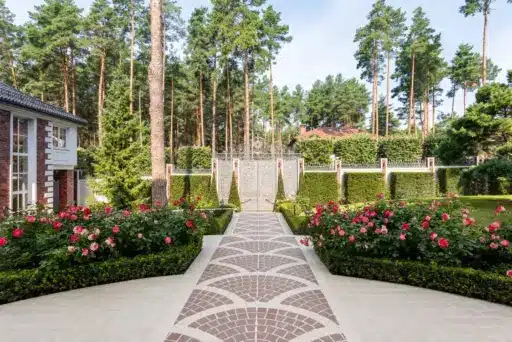
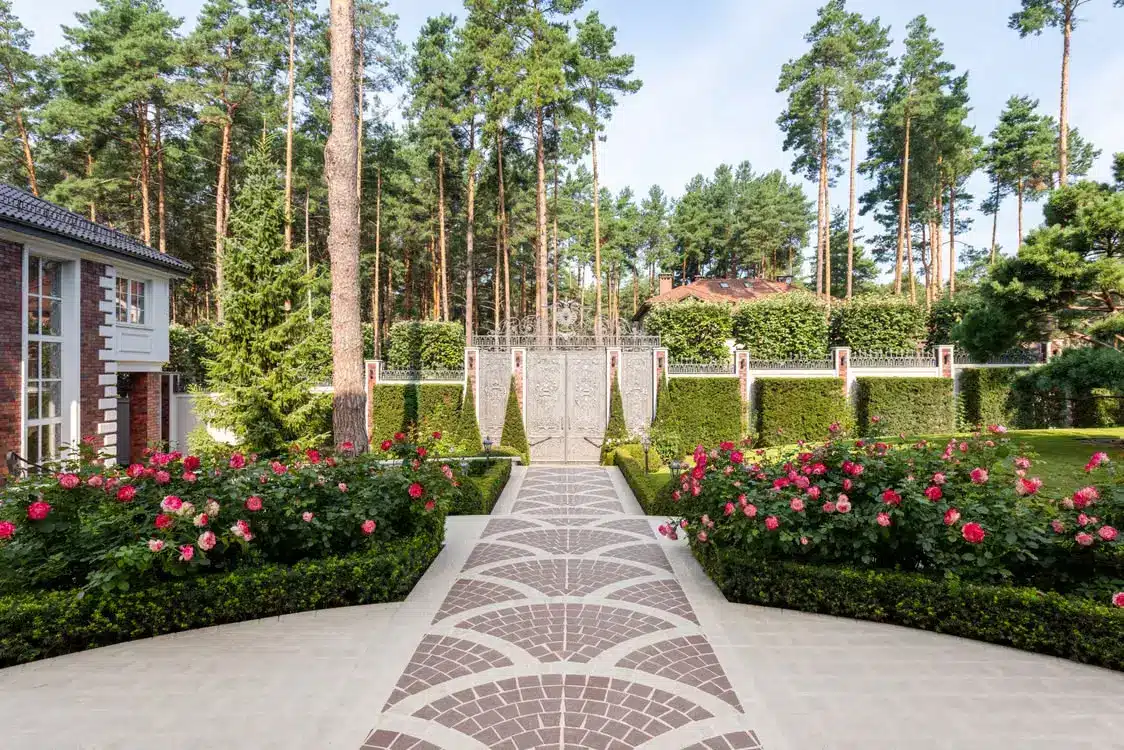
The hardscaping components provide the skeleton of the garden. They lend structure and address functional concerns such as drainage and accessibility. Examples are paths, patios, walls, steps, and edging.
Curved paths guide movement, whilst raised beds lift plants to eye level. Retaining walls also provide terracing for sloping areas as well as zone designation for relaxing and gardening.
True harmony is achieved by using hardscaping materials that complement the colors and textures of the nearby plant materials. Wooden borders complement the natural mulch and perennial plantings, for instance.
Cool stones or metal enhance geometric topiaries and contemporary grasses. This textured dialogue avoids making hard surfaces look sterile or isolated. Instead, it integrates them into the vibrant tapestry so that pathways and borders seem like natural extensions of the garden.
However, too much paving feels cold, and too much structure leaves the garden unfinished. Permeable surfaces and plants spilling over edges help soften boundaries. Durability and maintenance matter too. The garden feels timeless and organized when materials age gracefully, and edges are softened by plants.
Lighting additionally connects built environments and plant life after the sun goes down. Uplights and pathway fixtures positioned thoughtfully showcase the depth formed by daytime layering, producing shadows that highlight texture and shape.
Lighting turns functional boundaries into highlights, adding practicality while balancing structure with natural growth. Adjusting the angle and intensity enhances the layered look, creating depth and space at night. This blend of light and material keeps the garden engaging throughout.
Endnote
A layered backyard blends structure and nature through zoning, vertical boundaries, diverse plantings and material harmony. Fences and hardscaping work together to direct movement and enhance depth.
Overlapping tiers of plantings create visual depth. Consistent materials and strategic lighting harmonize the design and enhance usability after dark. These principles convert flat yards into vibrant and immersive environments that feel expansive and intentional throughout each season.

Veronica Lee holds a Master’s degree in Landscape Architecture from Cornell University and has dedicated more than 15 years to transforming outdoor areas into artistic and sustainable spaces. Her career took off in a renowned landscape design firm, where she excelled in creating visually stunning and environmentally responsible designs. In 2019, Veronica brought her expertise to our platform, quickly becoming a key contributor to our outdoor design and sustainability sections. As the lead of our landscape innovation series ever since joining, she has inspired readers with her forward-thinking and practical approach. When not drafting designs, Veronica enjoys pottery and participates in local conservation efforts, activities that complement her professional ethos of blending art with nature.
![20 front yard succulent garden ideas[P]](https://enthrallinggumption.com/wp-content/uploads/2023/12/20frontyardsucculentgardenideas-512x288.jpg.webp)