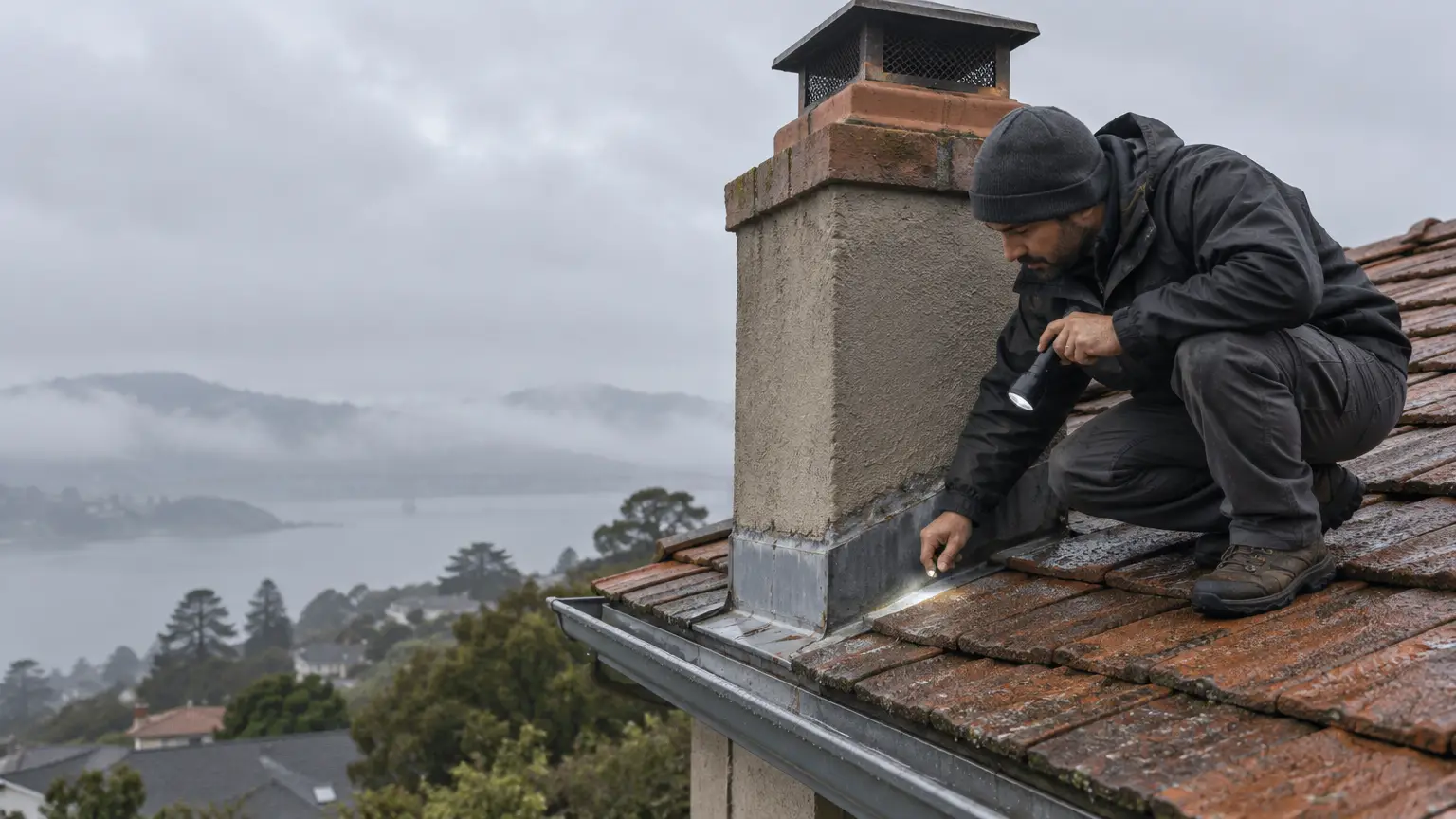

Roof deterioration often begins with a small opening around flashing, a blocked drain, a loosened shingle, or a failing seal. These defects may go unnoticed in dry weather and admit water during a storm.
By the time a ceiling stain appears, moisture may have reached insulation, roof decking, or wall finishes. Preventive maintenance identifies vulnerabilities before they become extensive.
A roof is a system: its covering, underlayment, flashing, drainage, and ventilation work together to protect the building. Maintenance must consider how these components interact and move rainwater away from the structure.
The Roof as a Water-Management System
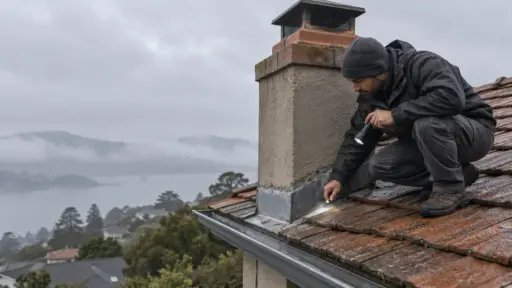
The roofing material sheds most rain, while underlayment provides a secondary barrier. Flashing protects openings and transitions around chimneys, skylights, vents, valleys, and roof-to-wall junctions. Gutters and downspouts direct runoff away from the building.
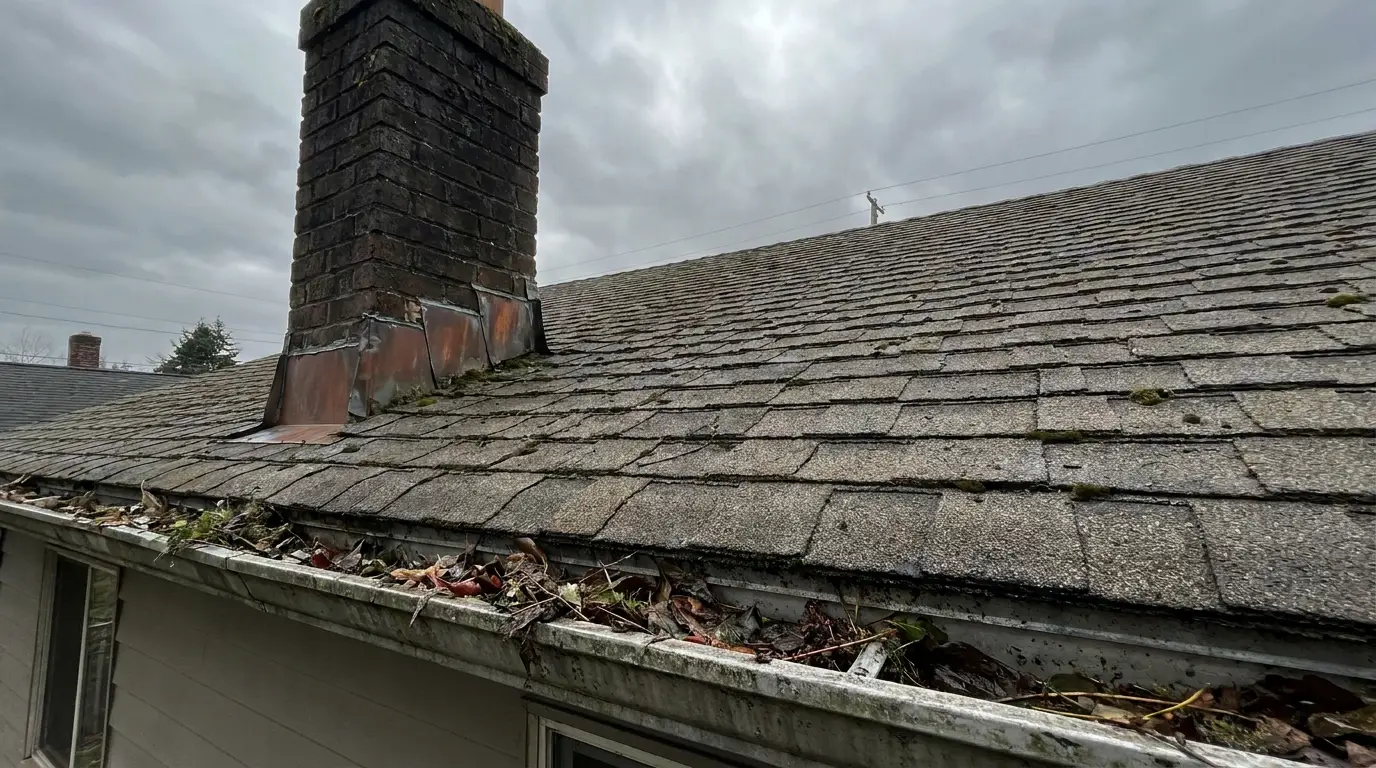
These elements depend on one another. Sound shingles cannot compensate for defective flashing, while blocked gutters can overflow toward fascia boards, siding, or foundations. Valleys also need attention because they concentrate runoff; debris or deterioration can slow drainage and expose vulnerable materials to prolonged moisture.
How Small Defects Become Building Problems
Water can travel along framing, insulation, or roof decking before appearing indoors, so a ceiling stain may be far from the entry point. Persistent moisture can reduce insulation performance, damage wood, corrode metal, and create conditions that support mold growth. Commercial leaks may also affect equipment, inventory, finishes, and operations.
Treating only the visible symptom leaves the cause unresolved. Replacing a stained ceiling panel will not correct deteriorated flashing. Effective maintenance traces the moisture path, identifies the defect, and checks nearby components for secondary damage.
Climate and Building Design Affect Maintenance
In the San Francisco Bay Area, roofs face seasonal rain, wind, fog, and airborne salt. Wind can displace roofing components, while moisture exposes weak joints; salt may accelerate corrosion in susceptible metals.
Design matters too. Low-slope roofs rely on effective drainage, while steep roofs still depend on sound valleys and flashing. Nearby trees add debris to gutters and may abrade surfaces. Roof age, material, slope, vegetation, and exposure should determine the maintenance schedule; no universal interval suits every property.
What a Professional Maintenance Visit Examines
A maintenance visit checks for cracked, loose, curled, displaced, or missing roofing elements; deteriorated flashing or sealant; and blocked or poorly attached gutters and drains.
Accessible attic spaces may reveal condensation, damp insulation, staining, odors, or damaged decking. These clues require context: a dark mark alone does not prove an active leak, and a dry ceiling does not guarantee that the roof is sound.
A simple maintenance record makes this process more useful. Note the inspection date, weather events, locations of defects, photographs, completed repairs, and any areas that need monitoring. When the same location is photographed over several visits, gradual movement, recurring moisture, or deterioration may become easier to recognize. Records help contractors understand previous work and avoid treating recurring symptoms as unrelated problems. They also support budgeting, follow-up, and informed long-term maintenance decisions for owners planning repairs, replacements, and annual budgets, with fewer unexpected costs.
Maintenance, Repair, and Replacement
Maintenance preserves a functioning roof; repair corrects a specific failure, such as damaged flashing or missing shingles. Replacement may be necessary when deterioration is widespread or repeated repairs no longer provide reliable protection. The decision should reflect actual condition, not age alone.
A documented inspection helps owners distinguish urgent water-entry risks from issues that can be monitored and budgeted for. For Bay Area property owners, Professional Roof Maintenance is a proactive option. Royal Roofing CA describes inspections, moisture checks, drainage cleaning, flashing attention, and ventilation review. A roofer can assess whether maintenance, repair, or a larger project is appropriate.
Effective maintenance is planned and documented. Keep inspection records, reassess the roof after major storms, and investigate signs of moisture promptly. Understanding the roof as an integrated water-management system helps owners prevent avoidable damage and make informed long-term decisions.
Final Words
Preventive roof maintenance helps protect homes from water damage by identifying small issues such as cracks, damaged flashing, blocked gutters, loose shingles, and failing seals before they become major problems.
A roof functions as an integrated system of roofing materials, underlayment, drainage, flashing, and ventilation, all of which require regular attention. Neglected defects can lead to leaks, mold, insulation damage, and structural deterioration.
Professional maintenance includes inspecting roof components, clearing drainage systems, checking for moisture, and documenting potential problems. Inspection frequency depends on roof age, materials, design, and climate. Regular checks and timely repairs extend roof lifespan, reduce unexpected expenses, and protect the property’s long-term value.

Tommy Hardy, an alumnus of the Georgia Institute of Technology with a degree in Mechanical Engineering, has been a go-to figure in residential upkeep and innovation for over 18 years. His career commenced in a leading home appliance manufacturing company, where he mastered the intricacies of household systems. Joining our platform in 2020, Tommy quickly became a reader favorite for his practical and easy-to-follow guides. He took the helm of our DIY section in 2019, consistently delivering content that empowers homeowners. Beyond his professional pursuits, Tommy is a passionate gardener and enjoys woodworking, skills enhancing his hands-on approach to home care.