

Are you a recent transplant to the Peach State or simply looking to review your current household budget in Georgia?
There are so many costs that come to mind when planning out your monthly budget – the cost of housing, utility deposits to get you started, your monthly grocery bill, and of course, the cost of transportation to and from work.
Here at RSC, we know that even though Georgia is a culturally rich state with wonderful weather and scenic landscapes, it can be a very expensive place to live.
Our goal here at RSC is to help you create a household budget and help you save costs wherever possible so that you can reap the many rewards of living in Georgia.
Most bills that you pay every month are for things that can cost a lot of money to maintain every month.
However, some things can cost more than others. When you add up the cost of all of the transport in your household, it can add up to a lot.
Of course, there are ways to save money on transportation in Georgia.
For example, if you are looking for the cheapest car insurance in Georgia, then you should look into this before you sign up for a policy.
If you do your research, you can find a policy that covers all your needs and won’t cost you too much each month.
This will mean you have more money to put into savings or spend on other household needs.
Prioritizing Monthly Fixed vs. Variable Costs
A successful household budget relies on knowing the difference between what stays constant and what fluctuates.
Fixed costs give your financial plan structure.
Rent or mortgage payments, basic streaming subscriptions, and fixed-rate loans stay predictable month after month.
On the other hand, your variable expenses must be monitored constantly.
For example, your utility payments (such as electricity, gas, or water) will vary depending on weather, such as during hot summer months when your air conditioning is running or during cold winter months when your heater is running.
The cost of groceries will vary based on the type of meals you are preparing, the cost of the food, and your shopping habits.
And, of course, your transportation costs will remain the same unless you make changes (i.e., the length of your commute will remain constant, but gas prices and insurance rates will change).
Review your current transportation costs and see if you can make changes to reduce your expenses.
It’s good to regularly review your bills for unexpected charges every quarter or so to identify any unexpected cost increases and put the brakes on them in time before they could turn into a big household financial problem.
It’s also important to take into consideration the different types of roadways that are found throughout Georgia and how that will affect your time spent behind the wheel.
For those who live in the metro, this typically consists of congested roadways and high volumes of traffic during rush hour.
For those living outside a metro area, the drive typically consists of long stretches of open road through rural areas of the state. And for those who fall somewhere in between, there is a mix of both.
The best way to balance transport costs relative to local roads is to weigh transport costs against other expenditures.
For example, a person living near work may save on fuel but may pay more for their house rent, or a person living further from work may save on their house rent but pay more for transport, wearing out their vehicle more.
To strike a balance between these expenditures, a person needs to get a grip on all their spending and work out where money is being spent.
Practical Ways to Reduce Household Outflows
In reducing the money spent by your household, you must reduce expenditure but not cut out all of the things that you like to do.
By cutting expenditure on many items within your household budget and making savings on those items, it should be possible to make significant savings within the space of a year.
1) Review your monthly payments for subscriptions to services such as streaming video, video on demand, music on demand, etc.
Just because something initially is free and then becomes a paid service after a trial period does not mean that you have to pay for it after the trial period has ended.
Many people forget to cancel such services. If you don’t use a service any longer, it makes sense to cancel it to save money on your household’s monthly spending.
Next, reduce your energy consumption for heating and cooling.
This can be accomplished by lowering your thermostat a few degrees in very hot weather.
When purchasing lighting for your home, always opt for the most energy-efficient bulbs available, as they can make a large difference in the amount you pay for electricity over time.
Third, review all your home services, such as your internet and cable.
Check to see if there are any promotions available and make sure that you are paying the lowest rate for the services to which you subscribe.
Periodically compare prices for similar services across different companies to make sure you are getting the best deal.
This can lead to significant savings in a very short period of time.
And that makes a big difference over time.
Providers update their plans regularly.
Sticking with an outdated package means you’re paying for less while others get more for similar prices.
This takes only an hour every 6 months to check for new and better offers.
Plan your meals around local sales and fresh seasonal produce found in your local market.
Impulse buying for fresh produce at the grocery store can be very expensive and generally of poor quality.
By reviewing your local store’s weekly circular, you can develop a list and then stick to it and buy the freshest produce found at local markets.
Navigating Transportation and Travel Budgets in Georgia
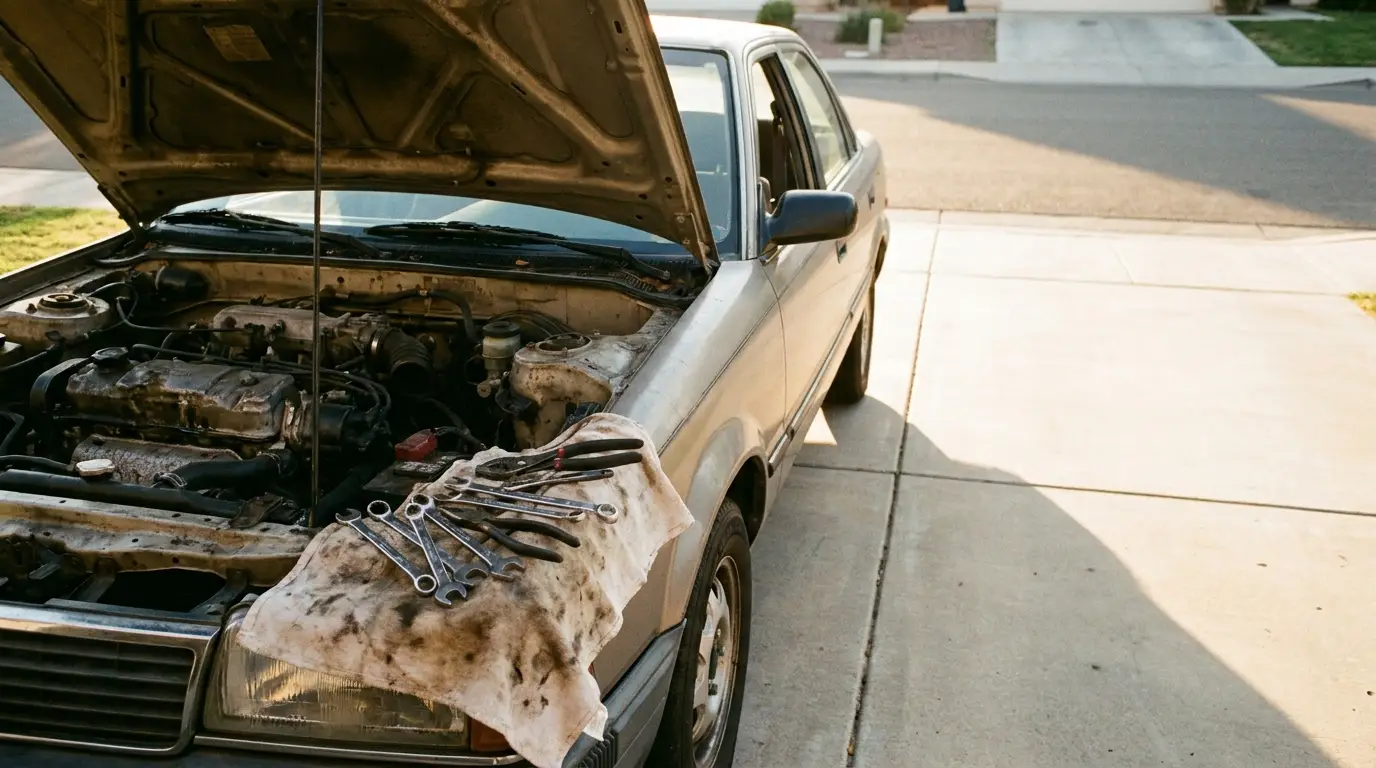
Operating costs for your vehicle are far more than just the purchase price.
There are maintenance costs for things like oil changes, tire rotations, and the occasional repair.
Then there are costs to register your vehicle, to pay for toll roads, and to fuel up for your daily commute.
Set aside a fund for vehicle maintenance.
That means a small amount of money every month for routine maintenance and repairs to the vehicle to prevent wear and tear.
And then there are unexpected repairs that can occur with a vehicle.
This would help to prevent those from derailing your budget as well.
Prevention is always cheaper than repair.
Preventive maintenance is always less expensive than repairing a failed part.
By regularly servicing your vehicle, you can help extend its lifespan and prevent costly repairs.
In addition to servicing your vehicle, you can help extend its life by following good driving habits.
Smooth acceleration, maintaining a constant speed on the highway, and avoiding idling can all help to extend the amount of time that you can travel on a tank of gas.
In addition, by planning your trips and combining errands, you can help extend the life of your vehicle by reducing the time you spend on the road.
Building a Cushioned Emergency Fund
Even with the best of budgets, unexpected expenses can arise and throw your household finances into disarray.
To maintain your long-term financial goals, it is wise to establish an emergency fund.
That is a sum of money set aside for unexpected expenses, and it should be kept in a separate savings account to prevent you from being tempted to spend it on non-essential goods and services.
Saving a little at first and working your way up is better than starting with an excessive amount and failing to reach it.
For instance, instead of shooting for $1,000 to get started, shoot for $500.
Then gradually work your way up to saving enough to cover 3-6 months of essential living expenses.
Having a separate account for emergency funds will also help you avoid spending the money on non-essential expenses while it is building up.
Automating the transfer of funds to a savings account each month on the day you are paid for work will become second nature.
It is easier to adjust to the reduced amount available for discretionary spending than to remember to make monthly transfers to a savings account.
Finding Balance and Staying Consistent
Managing your finances effectively to live a financially healthy life while maintaining your comfortable standard of living takes time and effort.
As your financial advisor, I want to make sure that you have a good handle on managing your finances.
The above information should give you a good starting point in managing your finances to reach your goals.
As you go through your financial statements regularly, you will see that there are many things that you can do to save money.
I encourage you to pick one area and start to make some positive changes.
You will be surprised at how a small change can make a big difference in your financial well-being over time.
By paying close attention to the fixed costs that you can’t change, keeping variable costs as consistent as possible, and getting the lowest rate possible for all of the money that you spend for living expenses, you can create a financial situation that will support you for the long term and help you to live very comfortably.
Take a close look at your monthly statements this week, pick one expense category to adjust first, and then make changes to improve your financial health.

Journalist Chloe Rivera studied at the University of Missouri and has covered mindful, stylish living since 2013. She joined us in 2025 to curate realistic routines, budget-friendly décor, and community stories that help readers craft balance without perfection pressure. When offline, Chloe volunteers at urban farms, photographs street style, and hosts weekend swap parties for preloved clothes and books in her neighborhood.