

A car that once carried one child and a diaper bag now hauls two car seats, a stroller, a week’s worth of groceries, and whatever gear the latest activity requires. The vehicle has not changed, but the demands on it have, and most families do not notice how much harder their car is working until something starts to wear out sooner than expected.
That added strain is real, and it does not have to mean a bigger repair budget. A handful of adjustments, most of them inexpensive, can keep a growing family’s car running smoothly through years of car seats, carpools, and cargo without turning routine maintenance into a financial burden.
Mechanics who work with a lot of family vehicles tend to notice the pattern in the shop before a customer even mentions it. Brake pads on a car with two or three kids often wear down faster than the mileage alone would predict, and tires show more uneven wear than on a similar car driven mostly by a single commuter. None of it is dramatic on its own, but it adds up in ways that catch families off guard if nobody is watching for it.
Why a Growing Family Puts More Strain on a Car
Weight is the most straightforward reason a family car ages faster than a single commuter’s vehicle. Every additional car seat, passenger, and load of gear adds to the total weight a car carries on a daily basis, and that added weight puts more strain on brakes, tires, and suspension components than the manufacturer’s baseline testing typically accounts for. The National Highway Traffic Safety Administration’s guidance on tires notes that a vehicle’s load index reflects the maximum weight its tires are rated to carry safely, and a consistently loaded family car runs closer to that limit far more often than a lightly used vehicle ever does.
Mileage climbs quickly once a family adds a second or third child to the mix as well. School drop-offs, sports practices, music lessons, and pediatrician visits all add up, and Kelley Blue Book’s data on average annual mileage shows that households with more frequent short trips often accumulate wear patterns that differ meaningfully from the highway-heavy driving a car’s maintenance schedule may have been designed around.
Short trips themselves compound the problem. A car doing multiple brief errands throughout the day rarely gets the sustained driving time an engine needs to fully reach operating temperature, which accelerates wear on the engine and exhaust system compared with longer, steadier drives. For a family running the same loop of school, practice, and grocery store multiple times a week, this pattern is nearly unavoidable, which makes the maintenance habits that offset it more important than they would be for a different kind of driver.
Interior wear rounds out the picture, even if it rarely shows up on a maintenance checklist. Car seats installed and removed repeatedly, spilled snacks, and the general wear of daily family life all take a toll that, left unaddressed, can affect resale value even when the mechanical side of the car is in good shape.
Battery strain is another factor families tend to overlook, particularly with the added electrical demand of car seat monitors, entertainment systems, and phone chargers running on nearly every trip. A battery working harder to support that additional load may not show obvious signs of struggle until it fails unexpectedly, which makes a periodic battery test worth adding to the list of things a growing family checks a little more often than a typical driver would.
Budget-Friendly Ways to Keep Up With the Added Wear
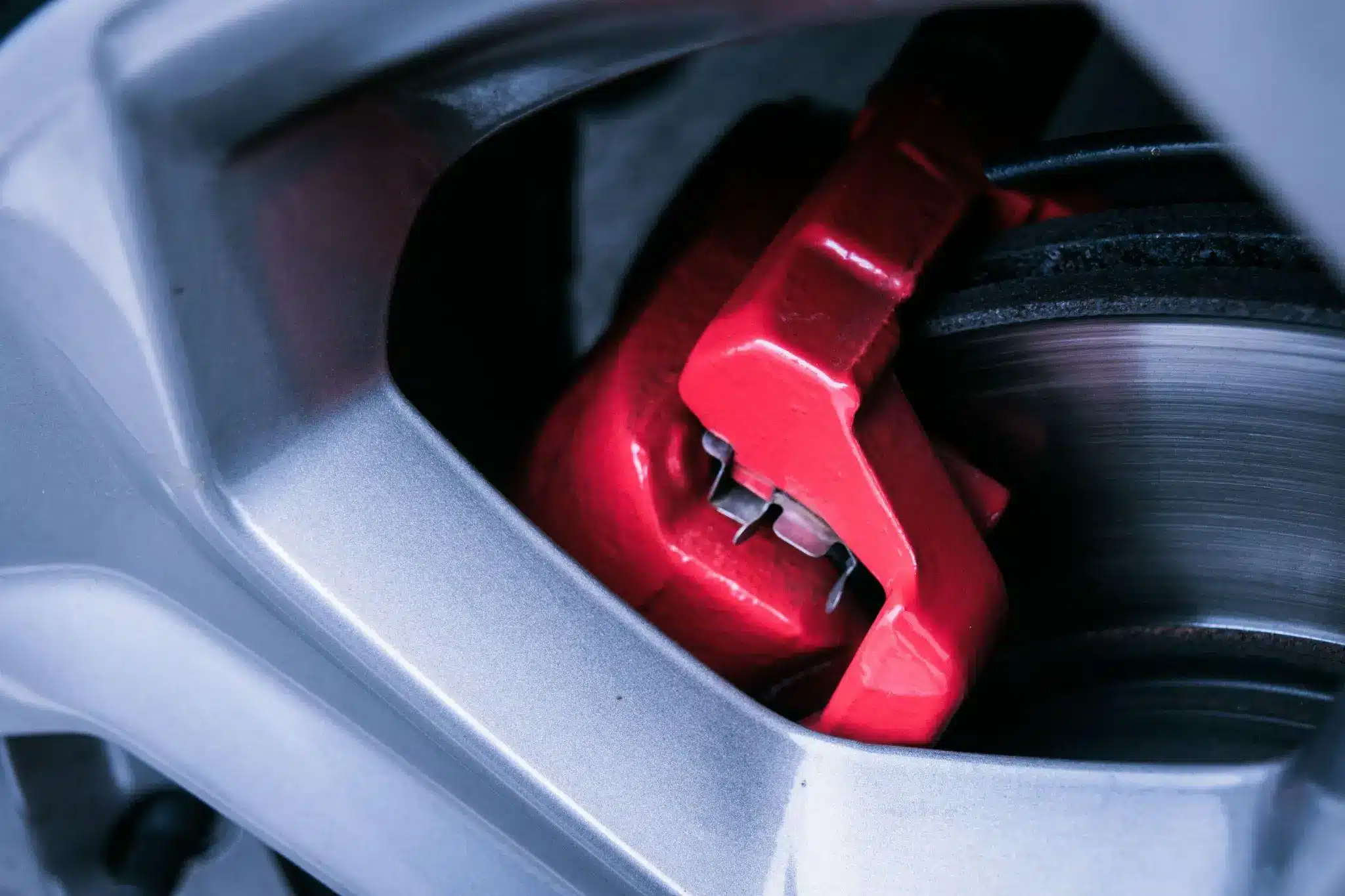 Prioritizing the systems that carry the extra load is the most efficient place to start. Brakes, tires, and suspension components deserve closer attention on a family car than the standard interval might suggest, since they absorb the brunt of the additional weight. A monthly glance at tread depth and a slightly more frequent brake inspection cost very little and catch the wear that heavier, more frequent use accelerates.
Batching errands into fewer, longer trips helps counteract the short-trip wear pattern that comes with a packed family schedule. Combining a grocery run with school pickup, or scheduling appointments back to back rather than as separate trips, reduces the number of cold starts an engine goes through in a week, which is both easier on the car and a modest fuel savings on top of it.
Car seat maintenance deserves its own line item as a family grows, both for safety and for protecting the seats underneath them. The National Highway Traffic Safety Administration’s guidance on keeping kids safe on the road recommends periodically checking that car seats remain properly installed and appropriately sized, since children outgrow seats faster than many parents expect, and a seat that no longer fits correctly can also put uneven strain on the same section of upholstery over time.
When a repair does come up, and eventually one will on a car carrying this much extra use, sourcing the replacement part thoughtfully keeps the bill manageable. For a bigger component like a transmission or gearbox that has simply worn out under the added strain of years of family driving, it is worth taking a moment to take a look at Ovoko for a well-documented used unit before assuming a costly new part is the only option, since a verified used component often costs a fraction of the price while offering comparable reliability.
Building a small, dedicated car repair fund, separate from the rest of the household budget, makes this approach sustainable over time. A family car under heavier use is statistically more likely to need an unplanned repair sooner than a lightly driven vehicle, and having even a modest cushion set aside removes the pressure to make a rushed, more expensive decision when that repair eventually comes up.
Simple interior care, wiping down seats regularly, using seat protectors under car seats, and vacuuming out crumbs and spills promptly, costs almost nothing but meaningfully slows the kind of wear that otherwise chips away at a car’s condition and resale value over years of family use.
Comparing quotes for larger jobs is worth the extra phone call, even for families already stretched for time. A brake job, a suspension repair, or a larger electrical fix can vary meaningfully in price between shops for the same work, and a quick second opinion before agreeing to anything substantial protects a family’s budget without adding much to an already busy week.
Conclusion: Small Adjustments Match the Bigger Job
A growing family asks more of its car than most vehicles were designed to handle as a matter of course, but keeping up with that added demand does not require a bigger maintenance budget, just a slightly more attentive one. Paying closer attention to brakes, tires, and suspension, batching errands to reduce short trips, and keeping car seats properly checked all cost little and directly offset the extra strain a family puts on its vehicle.
When bigger repairs do arise, sourcing parts wisely and having a small repair fund ready turns what could be a stressful, expensive moment into a manageable one. None of these habits ask for much, but together they keep a hardworking family car reliable for exactly as long as the family needs it to be.

Journalist Chloe Rivera studied at the University of Missouri and has covered mindful, stylish living since 2013. She joined us in 2025 to curate realistic routines, budget-friendly décor, and community stories that help readers craft balance without perfection pressure. When offline, Chloe volunteers at urban farms, photographs street style, and hosts weekend swap parties for preloved clothes and books in her neighborhood.