
A kitchen island can completely change how a kitchen looks and works.
With DIY kitchen island ideas, you can build something useful and stylish without spending too much. Simple materials like wood, old furniture, or carts can turn into a functional island.
Some designs focus on storage, while others add seating or fit small spaces. If you’re wondering how to build a kitchen island and need design inspiration, you’ve come to the right place.
Why a DIY Kitchen Island is Worth It
A DIY kitchen island is a smart way to upgrade a kitchen without spending too much. Store-bought islands can be expensive, but building one at home helps cut costs while still getting a functional setup.
It also gives full control over the design, so it can fit the exact space and match specific needs. Extra storage, seating, and prep space can be added based on daily use. This makes cooking and organizing much easier.
Another benefit is flexibility, as DIY islands can be built for both small and large kitchens. From compact rolling carts to larger fixed islands, there’s an option for every layout, making it a practical choice for any home.
DIY Kitchen Island Ideas to Try
These ideas cover everything from smart storage to seating solutions, making it easy to find a design that fits your space and daily needs.
1. Pallet Wood Kitchen Island

A pallet wood kitchen island is a great way to reuse materials and create a warm, natural look. Wooden pallets are easy to find and cost very little, making this option budget-friendly.
With a bit of sanding and assembly, they can be turned into a sturdy island for daily use. This style works especially well in farmhouse kitchens, adding texture and character.
It can also include shelves or a simple top for prep work. If you like simple builds with a touch of charm, this idea is worth trying.
2. Rolling Kitchen Cart Island

A rolling kitchen cart island offers flexibility and convenience. Adding wheels makes it easy to move the island wherever extra space is needed. This works especially well in small kitchens where space can feel limited.
It can be used as a prep station while cooking and then rolled aside when not in use. Many designs also include shelves or drawers for added storage.
3. Butcher Block Top Island

A butcher-block-top kitchen island offers a strong surface for food prep. The solid wood top is durable and can handle daily chopping and cutting tasks.
It also offers a clean, natural look that complements many kitchen styles. This type of island is long-lasting when properly maintained with oiling.
It can be paired with cabinets or open shelves underneath for added storage. If a sturdy work surface is a priority, this design is a practical choice.
4. Kitchen Island with Built-In Seating

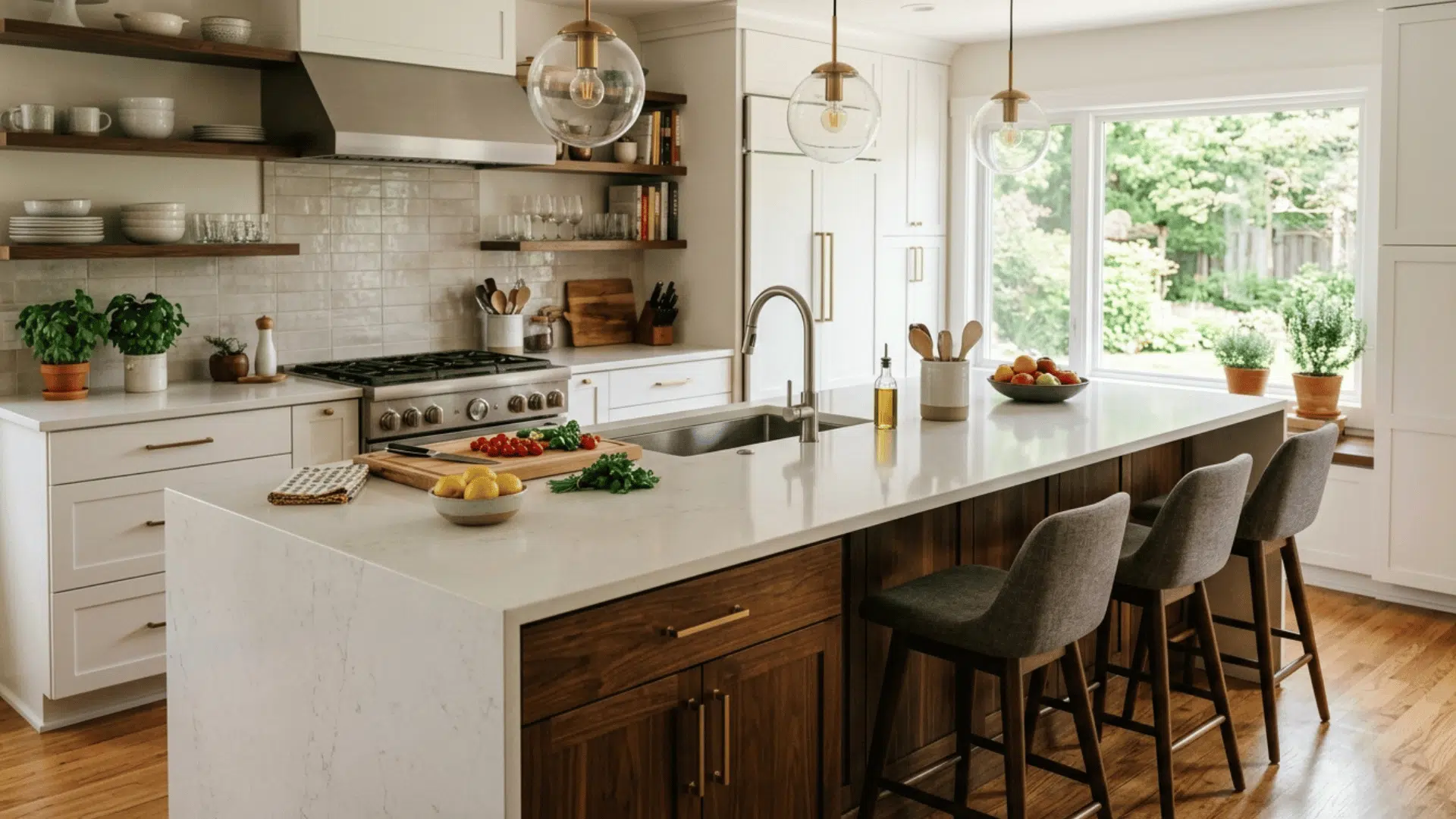
A kitchen island with built-in seating adds both comfort and function to the space. By placing stools or chairs along one side, the island becomes a casual dining spot. This setup works well for quick meals, morning coffee, or chatting while cooking.
It also helps save space by reducing the need for a separate dining table. The design can be adjusted based on the number of seats needed. It’s a smart way to make the kitchen more social and useful.
5. Repurposed Dresser Island

A repurposed dresser kitchen island is a creative way to reuse old furniture. By adding a countertop, an unused dresser can become a functional island with built-in storage.
The drawers are perfect for organizing utensils, linens, and small kitchen tools. This option adds character and saves money compared to buying new furniture.
It also allows for customization through paint or hardware changes. It’s a great mix of style and practicality for a unique kitchen setup.
6. Concrete Top Kitchen Island

A concrete top kitchen island is known for its strength and modern appeal. The surface is highly durable and can handle heavy use without damage.
It is also heat-resistant, making it suitable for placing hot cookware. This design gives the kitchen a bold and clean look that stands out. While it may take more effort to build, the result is long-lasting.
7. Open Shelf Kitchen Island

An open-shelf kitchen island keeps everything within easy reach. Instead of closed cabinets, it features open shelves for storing dishes, bowls, and kitchen tools. This makes it simple to grab items while cooking.
It also helps the kitchen feel less crowded, especially in smaller spaces. The design is easy to build and can be adjusted to fit different storage needs. If quick access and a clean layout are important, this style works well.
8. Farmhouse Style Kitchen Island

A farmhouse-style kitchen island adds a warm, cozy feel to the kitchen. Using distressed wood or painted finishes helps create a lived-in look.
This design pairs well with neutral tones and simple decor. It often includes shelves or cabinets for storage while keeping the design relaxed and inviting.
The focus is on comfort and charm rather than a polished finish. It’s a great option for those who enjoy a classic and welcoming kitchen space.
9. Small Space Kitchen Island

A small-space kitchen island is designed to fit into tight layouts without taking up too much room. It focuses on compact design and smart use of space. Vertical storage, such as shelves or hooks, helps maximize function.
This type of island can also double as a prep station or small dining area. Lightweight materials or wheels can add extra flexibility. It’s a practical solution for making the most out of limited kitchen space.
10. Kitchen Island with Storage Cabinets

A kitchen island with storage cabinets helps keep clutter out of sight. The closed cabinets provide space to store cookware, appliances, and other kitchen items.
This keeps the kitchen looking clean and organized. Shelf sizes can be adjusted based on storage needs, making it highly customizable. It also adds a solid and structured look to the island.
11. Two-Tier Kitchen Island

A two-tier kitchen island helps separate different tasks in one space. The lower level can be used for food prep, while the upper level works well for dining or serving.
This setup adds depth and structure to the kitchen layout. It also keeps cooking mess away from the eating area, which is helpful in busy homes.
The design works well for families or anyone who uses the kitchen often. It’s a smart way to combine function and comfort in one island.
12. Industrial Style Kitchen Island

An industrial-style kitchen island uses a mix of metal and wood for a bold look. Materials such as metal pipes and wooden tops create a strong, sturdy structure.
This design fits well in modern homes and adds a raw, clean feel to the kitchen. It’s also highly durable and can handle daily use with ease.
Open shelving is often included to add functionality. If a simple yet strong design is preferred, this style is a great option.
13. Kitchen Island with Sink

A kitchen island with a sink adds extra function to the space. It makes washing vegetables, dishes, and hands more convenient while cooking.
This setup can improve workflow by reducing movement between different areas of the kitchen. However, it does require proper plumbing planning during the build.
The added effort is worth it for the convenience it brings. It’s a useful option for those who spend a lot of time cooking and need an efficient layout.
14. Kitchen Island with Wine Rack

A kitchen island with a wine rack adds both storage and a fun feature. Built-in racks can hold bottles safely while keeping them easy to access.
This design works well for those who enjoy hosting or want a dedicated drinks space. It also helps free up cabinet space elsewhere in the kitchen.
The wine rack can be added to the side or underneath the island. It’s a simple way to make the island more functional and enjoyable.
15. Foldable Kitchen Island

A foldable kitchen island is perfect for saving space in smaller homes. It can be expanded when needed and folded away when not in use.
This makes it ideal for apartments or kitchens with limited space. Despite its compact design, it can still offer prep space and light storage.
The flexibility makes it very practical for everyday use. It’s a smart solution for keeping the kitchen functional without making it feel crowded.
16. Kitchen Island with Drawers

A kitchen island with drawers keeps tools and cutlery organized and within easy reach. Drawers are great for storing smaller items like utensils, knives, and kitchen gadgets.
This makes cooking more efficient since everything is close by. The design also keeps the surface clutter-free. Drawer sizes can be adjusted based on storage needs. It’s a clean and practical option for anyone who values easy organization in the kitchen.
17. Painted Kitchen Island

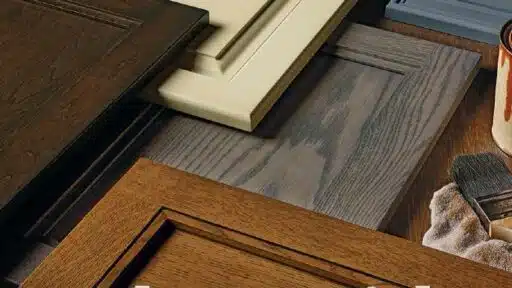
A painted kitchen island is an easy way to add color and refresh the space. Old furniture or basic wood islands can be updated with a fresh coat of paint.
This allows the island to match the kitchen’s style or stand out as a focal point. It’s a simple DIY upgrade that doesn’t require much effort.
Different colors can create different moods, from bright and lively to soft and calm. It’s a quick way to give the kitchen a new look.
18. Kitchen Island with Bookshelf

A kitchen island with a bookshelf makes good use of side space. It can hold cookbooks, decor, or even small storage baskets. This keeps favorite recipes and items within reach while cooking.
It also adds a personal touch to the kitchen. The design is simple and can be added to most island styles. It’s a great option for combining storage with a bit of character.
19. Baker’s Kitchen Island

A baker’s kitchen island is designed for those who enjoy baking at home. It usually includes a wide surface that makes rolling dough easier.
Storage is also planned for items like flour, trays, and baking tools. This keeps everything organized and ready to use.
The setup helps create a smooth workflow while baking. It’s a practical choice for anyone who regularly makes bread, cookies, or pastries.
How to Build a Kitchen Island
Building a DIY kitchen island is a great way to add extra workspace and storage to your kitchen. Follow these simple steps to create a functional and stylish island.
- Plan Your Design and Size: Decide the shape, size, and purpose of your island. Consider if you need storage, seating, or just a prep surface.
- Gather Materials and Tools: Collect materials such as wood, screws, and a countertop, along with tools like a drill, saw, and measuring tape.
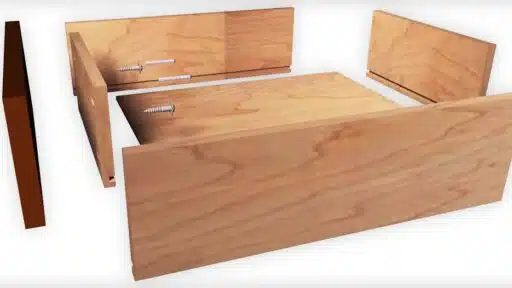
- Build the Base Frame: Construct a sturdy rectangular frame from wooden boards. This will serve as the main support for the island.
- Add Side Panels: Attach panels to the sides of the frame to give it structure and improve stability.
- Install Storage Features: Add shelves, drawers, or cabinets based on your storage needs and kitchen usage.
- Attach the Countertop: Secure the countertop to the base. Choose a material that suits your style and daily use.
- Sand and Finish: Smooth the surfaces, then apply paint, polish, or stain to protect and enhance the look.
- Place and Adjust the Island: Position the island in your kitchen and ensure it is level and stable.
- Add Final Touches: Install handles, hooks, or seating to complete the island and improve functionality.
Conclusion
A DIY kitchen island brings together both style and everyday function in a simple way. They help add extra workspace, storage, and even seating without needing a big budget.
With so many design options available, it’s easy to find something that fits a range of kitchen sizes and layouts. From small rolling carts to larger fixed islands, each idea can be adjusted based on personal needs.
Starting with a basic design is often the best approach, as it allows room for upgrades later.
Over time, additional features such as shelves, seating, or new finishes can be added, making the island more useful and better suited to the space.

James McLaren, with a rich background in architecture from the University of Manchester, has been contributing his expertise to the world of creative construction and home innovation for over 20 years. His journey began as a project manager for a leading construction firm, where he honed his skills in bringing complex designs to life. James joined our platform as a freelancer in 2019, quickly becoming a favorite for his insightful and practical advice. He has been a pivotal force to our wing ever since, bringing our readers a blend of technical know-how and creative flair. Beyond his professional life, James is an avid woodworker and enjoys restoring vintage furniture, a hobby that complements his professional insights beautifully.