
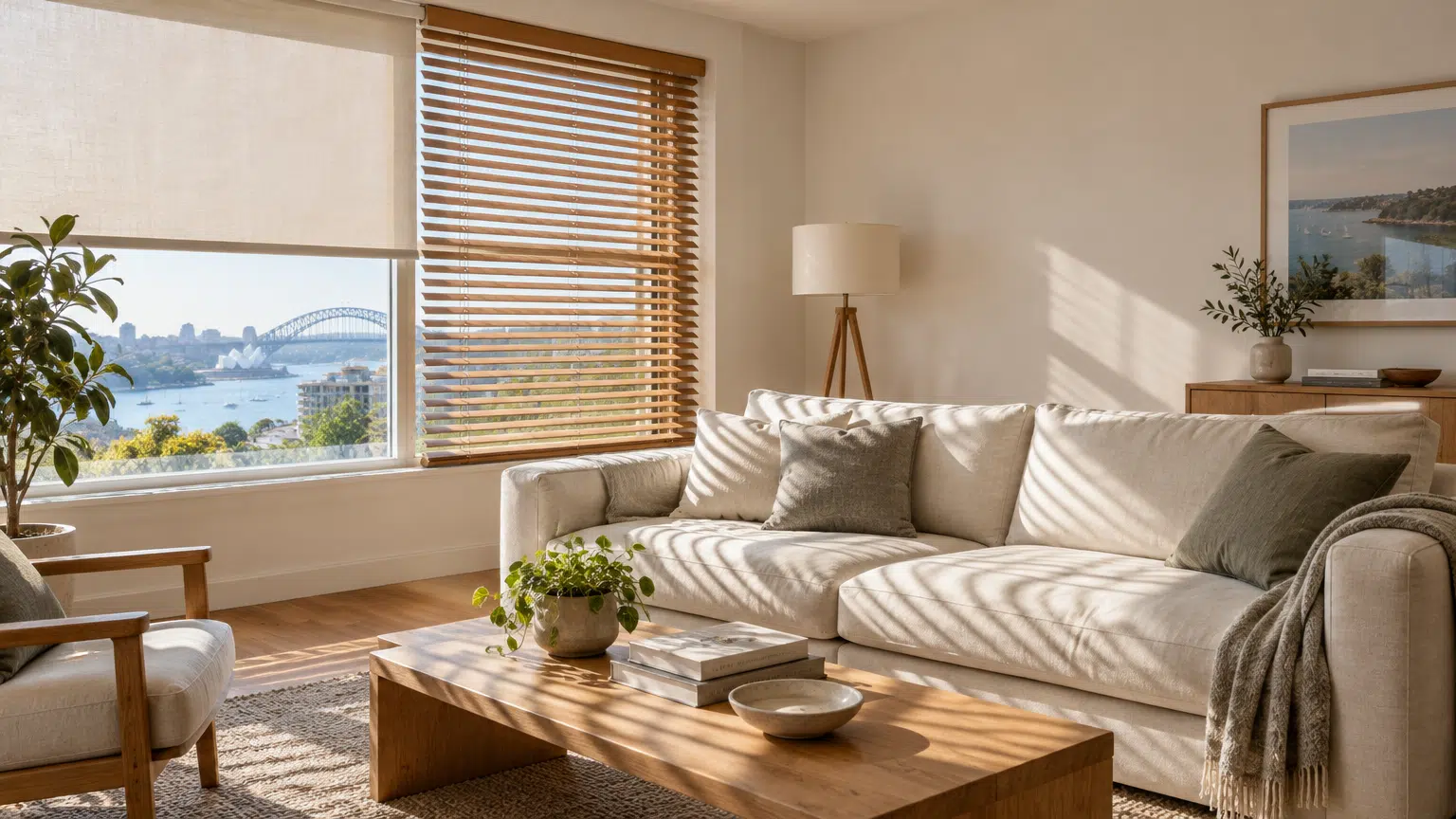

Choosing the right blinds can make a noticeable difference to how comfortable, private and functional your home feels. A room that becomes too bright in the afternoon, a bedroom that lets in unwanted morning light or a street-facing window with limited privacy can all benefit from suitable window coverings.
However, selecting blinds involves more than choosing a colour or fabric. Different styles offer different levels of light control, privacy, insulation and ease of operation. Materials, window dimensions and installation methods also influence how well the finished blinds perform.
For Sydney homeowners, strong sunlight, seasonal temperature changes and different architectural styles can make choosing the right window coverings particularly important.
Roller blinds may suit a contemporary living room, while Roman blinds can provide a softer decorative finish. Venetian blinds offer adjustable light control, and cellular blinds may help improve thermal comfort when properly fitted.
This guide explains the main types of blinds available in Sydney, popular materials, useful features, installation requirements and practical tips for choosing window coverings that suit your home.
What Are Window Blinds and How Do They Work?
Window blinds are coverings designed to control the amount of light entering a room, manage privacy and provide a decorative finish around windows.
Depending on their design, blinds may use fabric panels, horizontal slats, vertical vanes or cellular structures. They can be raised, lowered, tilted or adjusted using manual or motorised mechanisms.
Unlike fixed window coverings, many blinds allow occupants to change the level of light and privacy throughout the day.
Homeowners comparing blinds in Sydney can choose from different styles, materials and operating systems based on the room’s requirements.
How Do Different Blind Mechanisms Work?
Different types of blinds use different operating methods.
Roller blinds typically use a fabric panel that winds around a tube. Venetian blinds feature horizontal slats that can be tilted to adjust sunlight and visibility.
Vertical blinds use hanging vanes that rotate and move along a track, while Roman blinds fold into horizontal sections when raised.
Motorised blinds use powered mechanisms that operate through compatible controls.
The best mechanism depends on the window dimensions, accessibility and frequency of use.
What Are the Main Purposes of Window Blinds?
Blinds can serve several functions within a home, including:
- Reducing direct sunlight and glare.
- Improving privacy from neighbouring properties.
- Managing daylight in bedrooms and living areas.
- Supporting indoor temperature control.
- Providing a decorative window finish.
- Allowing easier adjustment of large or difficult-to-reach windows.
The effectiveness of these functions depends on the blind style, fabric or material, fit and installation.
For example, a light-filtering roller blind may soften sunlight while retaining natural brightness, whereas a blockout blind is designed to reduce light entering through its fabric.
Neither option is automatically suitable for every room.
What Are the Main Benefits of Installing Blinds?
Blinds provide a flexible way to manage natural light and privacy while contributing to the appearance of a room.
Their practical benefits depend on the chosen design and how closely the covering fits the window.
Some blinds prioritise light control, while others offer insulation, decorative appeal or convenient operation.
1. Better Control Over Natural Light
One of the main advantages of blinds is the ability to adjust the amount of daylight entering a room.
For example, a west-facing living room may experience strong afternoon sunlight that causes glare on televisions and computer screens.
Suitable blinds can reduce direct sunlight while allowing occupants to maintain a comfortable level of brightness.
Adjustable slat designs offer more precise directional control, while roller blinds generally manage light through their fabric and position.
2. Improved Privacy
Blinds can help limit visibility into a property.
This is particularly useful for ground-floor rooms, street-facing windows and homes located close to neighbouring buildings.
However, privacy performance varies.
Some light-filtering fabrics provide daytime screening but may allow silhouettes to be visible at night when indoor lights are switched on.
For bedrooms and other private spaces, a more opaque covering may be preferable.
3. Reduced Glare
Direct sunlight can make working, reading and watching television uncomfortable.
Blinds can help control glare by blocking or diffusing incoming light.
For example, a sunscreen roller blind may reduce glare while maintaining some outward visibility during suitable daytime lighting conditions.
The degree of glare reduction depends on the fabric’s openness, colour and position relative to the sun.
4. Support for Thermal Comfort
Window coverings can influence heat transfer through windows.
Some close-fitting blinds may help reduce unwanted heat gain during warmer weather and limit heat loss during cooler periods.
However, thermal performance varies between products.
Honeycomb blinds, lined coverings and designs that reduce air movement around the window may provide different results from loosely fitted decorative blinds.
Window size, glazing type and orientation also affect overall performance.
5. Flexible Interior Design
Blinds are available in different fabrics, colours, textures and finishes.
They can complement minimalist interiors, traditional rooms and contemporary architectural styles.
Homeowners may also combine blinds with curtains in Sydney to create a layered window treatment that balances light control, privacy and decorative appeal.
For example, a blockout roller blind can provide practical light reduction, while curtains add softness and texture around the window.
6. Convenient Operation
Many blinds are available with manual or motorised controls.
Motorised systems can be useful for large windows, high installations and frequently adjusted coverings.
However, electrical requirements, battery maintenance and compatibility vary between products.
The operating system should suit the location and the household’s needs.
Types of Blinds Available in Sydney
Different blind styles provide different combinations of appearance, light control and functionality.
Understanding how each type works can help narrow the available options before comparing fabrics and finishes.
Roller Blinds
Roller blinds use a single piece of fabric that moves vertically around a roller mechanism.
They are popular in contemporary homes because of their simple appearance and broad range of fabric options.
Depending on the material, roller blinds can provide light filtering, sunscreen properties or blockout performance.
They may suit bedrooms, living rooms, kitchens and home offices.
However, light may still enter around the sides of the blind, particularly with an inside-recess installation.
Roman Blinds
Roman blinds use fabric that folds into horizontal sections when raised.
They provide a softer appearance than many rigid blind designs and can complement both traditional and contemporary interiors.
Roman blinds are available in different fabrics and lining configurations.
They may be particularly suitable for bedrooms, dining rooms and living spaces where decorative appearance is a priority.
However, the folded fabric requires stacking space above the window when the blind is raised.
Venetian Blinds
Venetian blinds use horizontal slats that can be tilted to control sunlight and privacy.
The slats are commonly manufactured from aluminium, timber or suitable composite materials.
They allow occupants to adjust the direction of incoming light without fully raising the blind.
For example, tilting the slats can reduce direct glare while maintaining some daylight.
However, slats can collect dust and may require more detailed cleaning than a single fabric panel.
Vertical Blinds
Vertical blinds feature hanging vanes that rotate and move along a track.
They are often used for large windows and sliding glass doors.
Their operating design can provide flexible light control across wide openings.
They may also be practical where a conventional roller blind would require several separate panels.
However, the vanes need enough space to move without interference from furniture or nearby fixtures.
Panel Glide Blinds
Panel glide blinds use large fabric panels that slide horizontally along a track.
They may suit wide windows, sliding doors and selected room-divider applications.
Their simple lines can complement modern interiors.
However, the panels require adequate stacking space when opened.
The available wall area and door access should be reviewed before installation.
Honeycomb or Cellular Blinds
Honeycomb blinds use fabric cells that create enclosed air pockets within the covering.
These pockets can help reduce heat transfer when the blinds are appropriately fitted.
They are often selected where insulation and privacy are important.
Different fabrics provide varying levels of daylight control.
Close-fitting cellular blinds may be particularly useful for windows exposed to strong sunlight or cooler temperatures.
Double Roller Blinds
Double roller blinds combine two separate fabric layers on one window.
A common arrangement uses sunscreen or light-filtering fabric with a blockout layer.
This allows occupants to select different levels of light and privacy throughout the day.
However, the installation requires enough space to accommodate both roller mechanisms.
Which Blind Materials Are Best for Sydney Homes?
Blind materials influence appearance, cleaning requirements, durability and light control.
The most suitable choice depends on the room’s conditions and the desired function.
For example, a bedroom may benefit from a tightly woven blockout fabric, while a bathroom may need a material that tolerates humidity.
Polyester Fabrics
Polyester is widely used in roller and Roman blind fabrics.
It can be manufactured in different textures, colours and light-control configurations.
Some polyester fabrics are designed for easy cleaning or resistance to fading, although performance depends on the specific product.
Check the manufacturer’s care instructions before selecting a fabric.
Sunscreen Mesh
Sunscreen fabrics use an open-weave construction to reduce direct sunlight and glare while maintaining some visibility through the material.
They are commonly used in living rooms, offices and spaces where daylight is desirable.
The openness factor influences visibility and light transmission.
However, sunscreen fabrics generally provide less privacy at night when indoor lighting is brighter than outdoor light.
Blockout Fabrics
Blockout fabrics are designed to prevent light from passing through the fabric itself.
They can be useful for bedrooms, nurseries and rooms where reducing external light is a priority.
However, the overall installation may still allow light through gaps around the edges.
For greater room darkening, consider suitable installation methods and compatible side-channel systems.
Aluminium
Aluminium is commonly used for Venetian blind slats.
It provides a lightweight, rigid material that can be manufactured in different colours and finishes.
Aluminium blinds may suit kitchens, offices and contemporary interiors.
However, thin slats can bend if handled roughly, and the selected finish should suit the room’s conditions.
Timber
Timber Venetian blinds offer a natural appearance and can complement traditional or warm-toned interiors.
Different timber species and finishes provide varying visual characteristics.
However, timber can be affected by moisture and humidity.
It may not be the most suitable option for rooms with frequent condensation or direct water exposure.
PVC and Composite Materials
Some blinds use PVC or composite materials designed for particular moisture-resistant applications.
These may suit selected kitchens, bathrooms or laundries.
However, not every composite product performs the same way.
Check the manufacturer’s specifications for heat exposure, cleaning requirements and suitability for humid environments.
Comparing Popular Blind Types
Different blind styles offer different practical advantages.
The following comparison can help identify suitable options based on common household requirements.
Blind Type | Light Control | Privacy | Common Applications | Main Feature |
Roller blinds | Depends on fabric and position | Depends on fabric | Bedrooms, living rooms, offices | Simple design |
Roman blinds | Depends on fabric and lining | Generally good with suitable fabric | Living rooms, bedrooms | Soft folded appearance |
Venetian blinds | Adjustable through slats | Adjustable | Kitchens, offices, living rooms | Directional light control |
| Vertical blinds | Adjustable through rotating vanes | Adjustable | Sliding doors, large windows | Wide-opening coverage |
| Panel glide blinds | Controlled by sliding panels | Depends on fabric | Sliding doors, large openings | Large moving panels |
| Honeycomb blinds | Depends on fabric | Varies by material | Bedrooms, living areas | Cellular construction |
| Double roller blinds | Two selectable fabric layers | Flexible | Bedrooms, living rooms | Daytime and night-time options |
No single blind style is best for every room.
A practical approach is to identify the main requirement for each window before comparing appearance and price.
How to Choose Blinds in Sydney for Different Rooms
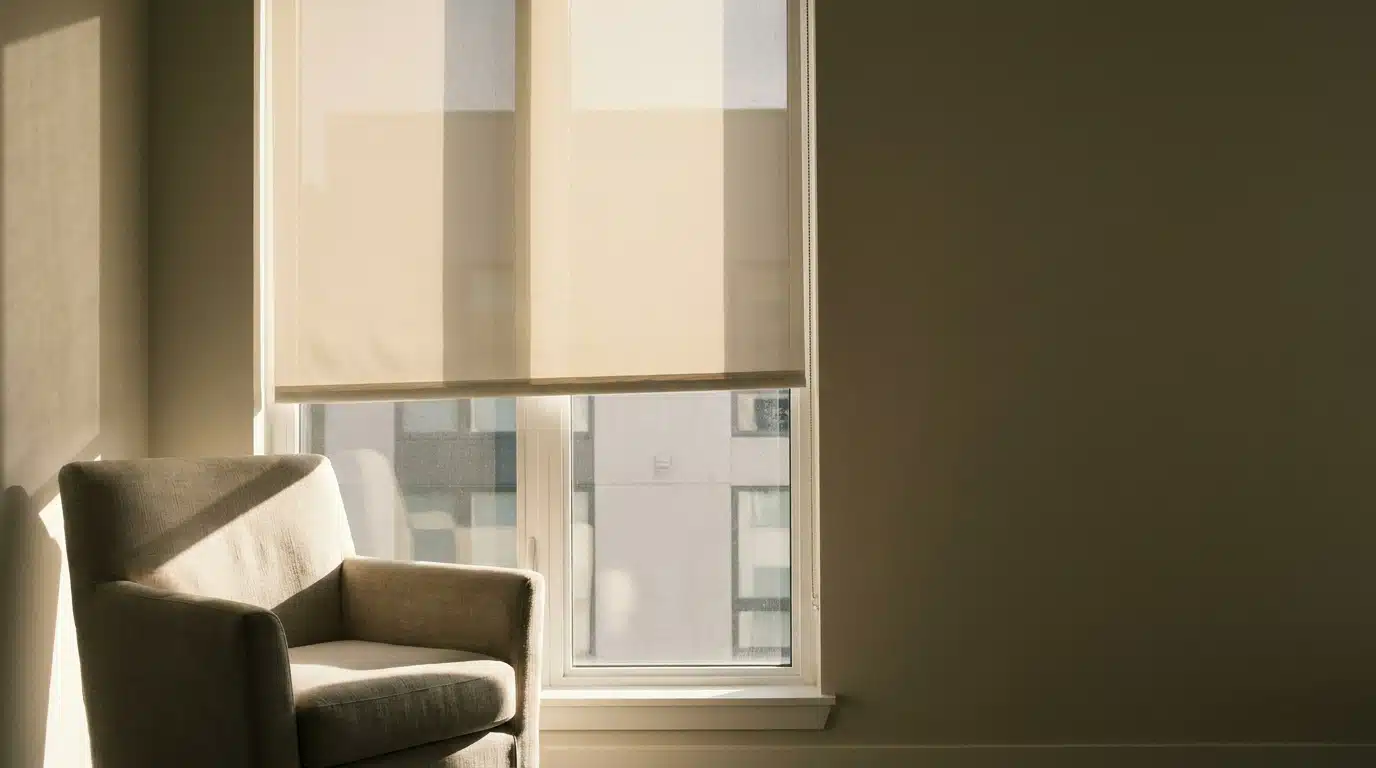
Different rooms have different lighting, privacy and maintenance requirements.
A covering suitable for a living room may not provide enough darkness for a bedroom or enough moisture resistance for a bathroom.
Choosing blinds room by room can help create a more practical result.
Blinds for Living Rooms
Living rooms often need a balance between natural light, privacy and glare control.
Sunscreen roller blinds may suit windows where maintaining daylight and outward visibility is desirable.
Venetian blinds can provide more adjustable directional light control.
For larger windows, consider whether multiple blinds or a wider system will be more practical.
Blinds for Bedrooms
Bedrooms generally benefit from greater privacy and light control.
Blockout roller blinds, lined Roman blinds and suitable honeycomb systems may be options.
However, a blockout fabric alone does not guarantee a completely dark room.
Light can still enter around the edges of the covering.
Where room darkening is a priority, the mounting method and available side channels should also be reviewed.
Blinds for Kitchens
Kitchen blinds should be easy to clean and suitable for the location.
Aluminium Venetian blinds and selected roller blind fabrics may be practical options.
Avoid positioning unsuitable fabrics or components close to cooking heat, steam or open flames.
The window covering should not interfere with ventilation or safe appliance operation.
Blinds for Bathrooms
Bathrooms can experience humidity and condensation.
Moisture-resistant materials may be more practical than untreated timber or delicate fabrics.
Privacy is also an important requirement.
Choose a covering that provides suitable screening while allowing practical cleaning and ventilation.
Blinds for Home Offices
Home offices often need glare control without making the room unnecessarily dark.
Sunscreen roller blinds, Venetian blinds and suitable light-filtering materials can help manage sunlight on computer screens.
Window orientation matters.
For example, an office facing west may need greater protection from strong afternoon sun than a shaded room.
Blinds for Sliding Doors
Sliding doors require coverings that allow convenient access.
Vertical blinds and panel glide systems may be useful for wide openings.
Some roller blind arrangements can also work, depending on the dimensions.
Check how the blind stacks or retracts so it does not obstruct regular movement through the doorway.
Blockout vs Light-Filtering vs Sunscreen Blinds
Fabric selection is one of the most important decisions when buying blinds.
Different fabrics allow different amounts of light to pass through, which affects privacy and room comfort.
Understanding the distinctions can help prevent choosing a fabric that does not match the intended purpose.
Blockout Blinds
Blockout fabrics are designed to stop light passing through the material.
They may suit bedrooms, media rooms and spaces where strong light reduction is required.
However, light leakage around the blind can still occur.
The complete installation should be evaluated when room darkening is important.
Light-Filtering Blinds
Light-filtering fabrics soften incoming daylight without fully blocking it.
They can create a bright but more comfortable interior.
These fabrics may suit living rooms and dining areas.
However, privacy varies according to fabric thickness, colour and lighting conditions.
Sunscreen Blinds
Sunscreen fabrics use a mesh construction to reduce glare and solar exposure.
They can maintain some outward visibility during suitable daytime conditions.
However, their privacy characteristics change when interior lighting becomes brighter than the outside environment.
They should not be assumed to provide reliable night-time privacy.
Which Fabric Should You Choose?
Main Requirement | Fabric Option Worth Exploring |
Bedroom light reduction | Blockout |
Soft natural daylight | Light-filtering |
| Daytime glare reduction | Sunscreen |
| Flexible daytime and night-time control | Double roller system |
| Decorative fabric appearance | Roman blind with suitable fabric |
| Thermal comfort | Suitable close-fitting honeycomb or lined covering |
The final choice should also account for window orientation, room use and surrounding lighting.
Do Blinds Help Keep Homes Cooler in Summer?
Window coverings can help manage heat entering and leaving a home.
Their performance depends on fabric properties, fit, window orientation and the existing glazing.
For Sydney homes exposed to strong summer sunlight, suitable blinds may help reduce direct solar heat gain.
Managing Solar Heat
Blinds can limit the amount of direct sunlight entering through windows.
Light-coloured or reflective fabrics may be useful in certain applications.
However, some solar energy may already have passed through the glazing before reaching an internal blind.
External shading can sometimes provide more effective protection from direct solar heat gain.
Improving Winter Comfort
Close-fitting window coverings can help reduce heat loss through windows.
Honeycomb blinds and suitable lined coverings may provide useful insulation benefits.
However, the result depends on how the blind fits and whether gaps allow air movement around the edges.
Does Blind Colour Matter?
Colour can influence how a fabric absorbs or reflects sunlight.
However, appearance alone does not determine thermal performance.
Fabric construction, reflective coatings and product specifications can have a greater influence than colour alone.
Homeowners should compare relevant performance information rather than assuming all white blinds provide the same benefits.
Manual vs Motorised Blinds
Blinds can be operated manually or through powered mechanisms.
The best option depends on window accessibility, convenience and household needs.
Motorisation can be particularly useful for large windows or coverings that are adjusted frequently.
Manual Blinds
Manual blinds use a chain, wand, spring or another operating mechanism.
They are commonly available across different blind styles.
Manual systems can be straightforward to use, but cord and chain safety requirements must be addressed.
Cordless designs may be worth exploring where available.
Motorised Blinds
Motorised blinds use powered mechanisms to raise, lower or adjust the covering.
Depending on the system, controls may include a remote, wall switch or compatible automation interface.
Some products use rechargeable batteries, while others require electrical connections.
Check the operating requirements and available features before purchasing.
Are Motorised Blinds Worth It?
Motorisation may be useful for high windows, wide openings and households that prefer powered operation.
However, it can increase the purchase price and introduce battery or electrical maintenance requirements.
For ordinary windows that are easy to reach, a suitable manual blind may provide all the functionality required.
How Much Do Blinds Cost in Sydney?
Blind prices in Sydney vary according to style, window dimensions, fabric selection, operating system and installation requirements.
A standard manual roller blind can have different costs from a custom Roman blind or a large motorised system.
Comparing products based on their complete specifications provides a clearer picture than comparing fabric prices alone.
Blind Type
Different blind styles use different mechanisms and construction methods.
Roller blinds generally have a simpler design than some custom Roman or motorised systems.
However, large dimensions, specialised fabrics and custom finishes can affect pricing across all styles.
Window Size
Larger windows generally require more material and may need stronger operating components.
Very wide openings may also require multiple blinds or specialised systems.
The dimensions should be confirmed before obtaining a final quotation.
Fabric and Material
Sunscreen, blockout, decorative and cellular materials have different construction characteristics.
Specialised coatings and fabrics may influence the purchase price.
The selected material should match the intended function rather than simply the lowest available cost.
Motorisation
Powered controls can add to the overall cost.
Depending on the system, additional expenses may involve electrical work, control accessories or batteries.
Ask whether motorisation is included in the quoted price.
Installation Requirements
Difficult access, unusual window shapes and specialised mounting arrangements may affect installation costs.
Some products can be installed within the window recess, while others require external mounting.
Professional measurement can help identify the correct approach.
What Should a Blind Quote Include?
Before accepting a quotation, check that it identifies:
- Blind type and operating system.
- Window dimensions.
- Fabric or material specification.
- Colour and finish.
- Mounting method.
- Motorisation, where applicable.
- Installation labour.
- Cord safety components.
- Warranty conditions.
- Any additional charges or exclusions.
A detailed written quote makes it easier to compare options and avoid unexpected expenses.
How to Measure Windows for Blinds
Accurate measurements are necessary for proper fit and operation.
Incorrect measurements can create light gaps, interfere with the operating mechanism or prevent the blind from fitting within the opening.
The required measurement method depends on whether the blind will sit inside or outside the window recess.
Inside-Recess Measurements
An inside-recess blind fits within the window opening.
Measure the width at the top, middle and bottom of the recess.
Also measure the height at several points.
Check whether handles, locks or other fixtures could interfere with operation.
Different manufacturers use different measurement deduction methods, so follow the supplier’s instructions.
Outside-Recess Measurements
An outside-recess blind is mounted over the window opening.
This method can provide greater overlap around the window and may help reduce light gaps.
However, sufficient wall space is required for the brackets and operating mechanism.
The mounting surface must also be suitable for the proposed fixings.
Why Professional Measurement Can Help
Professional measurement can be useful for large windows, unusual shapes and motorised systems.
An installer can identify potential obstructions and recommend suitable mounting arrangements.
This may reduce fitting problems and unexpected adjustments during installation.
Blind Installation and Child Safety Requirements in Australia
Blind installation should account for safe operation, suitable fixing methods and compliance with applicable Australian requirements.
Corded internal window coverings can present serious hazards to young children if loose cords or chains are accessible.
Australia has mandatory safety standards covering the supply and installation of corded internal window coverings.
Cord and Chain Safety
Loose cords and looped chains can create a strangulation hazard.
Corded blinds must be supplied and installed in accordance with the relevant mandatory safety standards.
This includes appropriate safety devices, warnings and installation requirements.
Homeowners should never leave loose operating cords within reach of children.
Choosing Safer Operating Systems
Cordless and motorised systems may reduce certain risks associated with exposed operating cords.
However, all products should be installed according to the manufacturer’s instructions.
Any remaining accessible cords or chains must comply with relevant safety requirements.
Keeping Furniture Away From Cords
Children may climb furniture to reach window coverings.
Avoid positioning cots, beds, chairs or other climbable furniture near accessible blind cords.
Existing blinds should also be inspected for loose chains, missing safety devices or damaged fittings.
Professional Installation
Professional installation can help ensure that blinds are correctly measured, securely mounted and fitted with required safety components.
Installers of corded internal window coverings must comply with applicable Australian installation requirements.
The mounting surface and fixings should also be appropriate for the blind’s weight and operation.
How to Maintain and Clean Different Types of Blinds
Regular cleaning helps preserve the appearance and function of window blinds.
The appropriate method depends on the material, construction and manufacturer’s care instructions.
Some fabrics can tolerate gentle spot cleaning, while others require specialised treatment.
Cleaning Roller Blinds
Dust can be removed from many roller blind fabrics using a suitable soft brush or vacuum attachment.
Where permitted, small marks may be treated using a mild cleaning method.
Avoid soaking fabrics or applying harsh chemicals without checking the manufacturer’s instructions.
Cleaning Venetian Blinds
Venetian blind slats can collect dust.
A soft cloth, duster or suitable vacuum attachment may help remove buildup.
When cleaning, support the slats carefully to avoid bending or damaging them.
Timber blinds should not be exposed to excessive moisture.
Cleaning Roman Blinds
Roman blinds use folded fabric that can trap dust.
Gentle vacuuming may be appropriate for some materials.
However, delicate fabrics and linings may require professional cleaning.
Always follow the fabric care instructions.
Maintaining Motorised Blinds
Motorised systems may require periodic checks of batteries, controls and operating components.
Unusual noises or uneven movement may indicate a problem.
Avoid forcing the mechanism if the blind becomes stuck.
Follow the manufacturer’s maintenance guidance or arrange professional inspection where necessary.
Common Mistakes to Avoid When Choosing Blinds
Selecting blinds without reviewing the practical requirements of each window can lead to poor light control, privacy problems or inconvenient operation.
Several common mistakes can be avoided through careful planning.
Choosing Fabric Based Only on Appearance
A fabric may look attractive in a sample but provide insufficient privacy or light reduction.
Check the product’s light-control characteristics before purchasing.
Where possible, review samples under different lighting conditions.
Ignoring Window Orientation
Windows facing different directions receive different levels of sunlight.
A west-facing room may need greater glare and heat management than a shaded room.
The blind specification should reflect the window’s actual exposure.
Overlooking Light Gaps
Blockout fabric does not guarantee complete room darkness.
Inside-recess blinds may leave gaps around the edges.
If room darkening is a priority, ask about mounting arrangements and compatible light-control accessories.
Choosing the Wrong Operating System
Large or difficult-to-reach blinds may be inconvenient to adjust manually.
Conversely, motorisation may be unnecessary for smaller windows that are easily accessible.
Select an operating system suited to everyday use.
Ignoring Child Safety
Corded blinds must comply with applicable safety requirements.
Do not overlook safety devices or assume that an existing blind is safe simply because it has been installed for many years.
Inspect accessible cords and replace damaged components.
Forgetting Cleaning Requirements
Textured fabrics, horizontal slats and layered coverings may have different maintenance needs.
Choose materials that match the room’s exposure to dust, moisture and everyday use.
How to Choose the Right Blinds for Your Sydney Home
The best blinds are those that match the practical needs of each room while complementing the home’s interior design.
A consistent style throughout the property can create visual harmony, but different rooms may still require different fabrics or operating systems.
Step 1: Identify the Main Requirement
Decide whether light reduction, privacy, glare management, insulation or decorative appearance is the priority.
This helps narrow the available blind types.
Step 2: Review the Window Location
Check the direction of sunlight, surrounding buildings and privacy requirements.
Consider how the room is used during the day and at night.
Step 3: Compare Materials and Fabrics
Review sunscreen, light-filtering and blockout options.
For Venetian blinds, compare suitable aluminium, timber and composite materials.
Ask about cleaning requirements and environmental suitability.
Step 4: Choose the Operating Method
Decide whether manual or motorised operation is more practical.
Confirm safety requirements, particularly in homes with children.
Step 5: Arrange Accurate Measurement
Measure windows according to the selected installation method.
For complex or large openings, professional measurement may help prevent fitting problems.
Step 6: Review the Quote and Warranty
Compare itemised quotations that identify materials, operating systems and installation inclusions.
Check maintenance guidance and warranty conditions before making a final decision.
Choosing Blinds That Suit Your Home and Lifestyle
Blinds can improve privacy, manage natural light and contribute to the appearance and comfort of a home.
However, the right choice depends on more than style. Fabric properties, window orientation, operating mechanisms, installation and maintenance all influence performance.
Roller blinds may provide a simple finish, Roman blinds offer a softer appearance, Venetian blinds allow adjustable light control and honeycomb blinds can support thermal comfort when appropriately fitted.
Before purchasing blinds in Sydney, review the requirements of each room, compare suitable materials and arrange accurate measurements.
Request a detailed quote that identifies the blind type, fabric, operating system and installation requirements. This will help you select window coverings that provide practical benefits while complementing your home’s design.
Frequently Asked Questions About Blinds in Sydney
1. What Type of Blinds Is Best for Sydney Homes?
The best blinds for Sydney homes depend on window orientation, room use, privacy requirements and interior style. Roller blinds are commonly selected for their simple appearance and range of fabrics, while Venetian blinds provide adjustable light control. Roman blinds offer a softer decorative finish, and honeycomb blinds may help improve thermal comfort. Bedrooms often benefit from blockout materials, while living areas may suit sunscreen or light-filtering fabrics. Comparing these characteristics room by room can help identify the most suitable option.
2. How Much Do Blinds Cost in Sydney?
The cost of blinds in Sydney varies according to blind type, window dimensions, fabric or material, operating system and installation requirements. Standard manual roller blinds generally involve different construction costs from custom Roman blinds or motorised systems. Larger windows, specialised fabrics and unusual mounting conditions may also increase pricing. For an accurate estimate, request an itemised quotation based on measured windows. Confirm whether the price includes installation, safety components, motorisation where applicable and relevant warranties.
3. Are Blockout Blinds Suitable for Bedrooms in Sydney?
Yes, blockout blinds are often suitable for bedrooms because their fabric is designed to prevent light passing through the material. They can help reduce morning sunlight, street lighting and other unwanted brightness. However, light may still enter through gaps around the blind, especially with inside-recess installations. Homeowners seeking greater room darkening should review mounting methods, fabric overlap and compatible side-channel systems. Privacy, ventilation and child-safe operation should also be part of the selection process.
4. Do Blinds Help Keep Sydney Homes Cooler in Summer?
Blinds can help reduce direct sunlight entering a room, which may improve comfort during Sydney’s warmer months. Their effectiveness depends on fabric properties, fit, window orientation and existing glazing. Sunscreen and suitable reflective fabrics may help manage glare and solar exposure, while close-fitting honeycomb blinds can provide additional thermal resistance. However, internal blinds do not prevent all solar energy from entering through windows. Combining suitable window coverings with external shading may provide better heat management in some homes.
5. Are Motorised Blinds Worth Installing in Sydney Homes?
Motorised blinds may be worthwhile for homeowners who want convenient operation, particularly for large, high or difficult-to-reach windows. Depending on the system, they may operate through remotes, wall controls or compatible automation features. They can also reduce reliance on exposed operating chains in certain designs. However, motorisation generally adds to the initial cost and may introduce battery or electrical maintenance requirements. The best choice depends on window accessibility, budget and how frequently the blinds will be adjusted.

With a Master’s in Architecture from the University of California, Berkeley, Mitchell Green has spent over two decades dedicated to the study and practical application of home fixture design. His career started in an architectural firm, providing him a strong foundation in the structural and aesthetic aspects of home interiors. Mitchell brought his comprehensive knowledge to our platform, where he has been an influential voice in our home fixtures and fittings section. Since 2018, he has been guiding our readers through the intricacies of selecting and installing fixtures, combining technical know-how with design flair. In his spare time, Mitchell is a keen photographer, capturing architectural details and design elements, an interest that complements his professional focus.