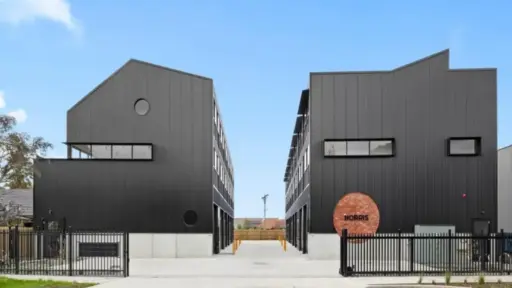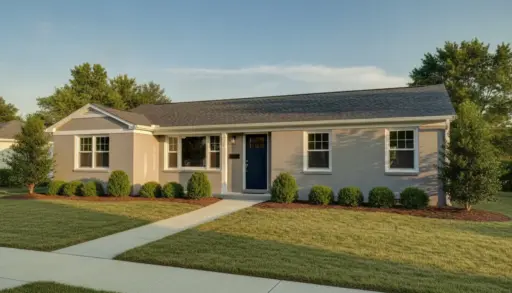
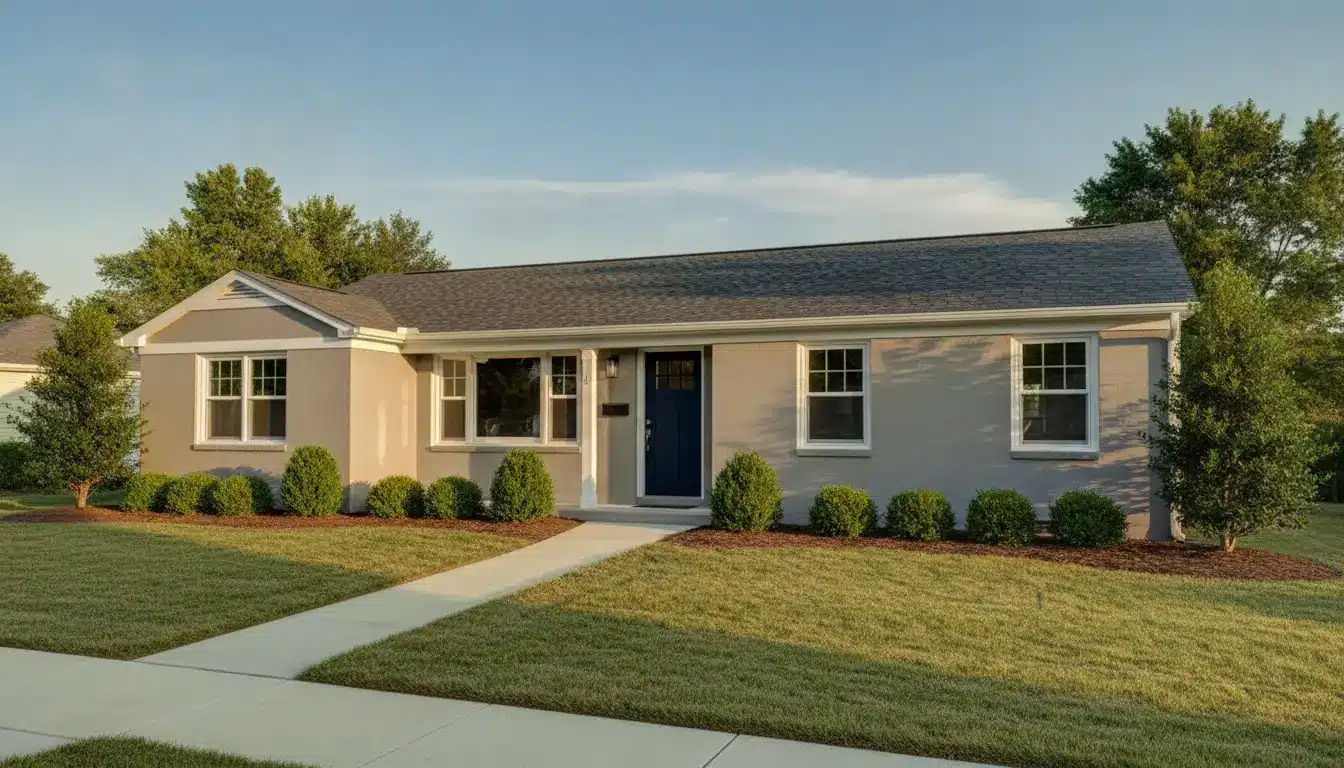
Curb appeal is real estate shorthand for the impression a home makes from the street before a buyer sets foot inside – and it’s one of the most consistently documented factors in both how quickly a home sells and what buyers are willing to pay for it. But not all curb appeal investments are equal.
Understanding what actually influences buyer perception at the street level – and what provides little return – helps sellers allocate their pre-sale improvement budget where it actually works.
The Research on Exterior Appearance and Home Value
Multiple studies on home sale outcomes have quantified the relationship between exterior appearance and sale price. Well-documented findings include that homes with strong curb appeal sell for 5 to 10 percent more than comparable homes with below-average exterior presentation. In a $300,000 home, that range represents $15,000 to $30,000 – which is significant context for evaluating pre-sale exterior improvement budgets.
Buyers’ decisions are also affected by exterior impression in a less quantifiable but equally real way: homes with poor curb appeal receive fewer showings. Online listing photos are often the filter that determines whether buyers schedule a showing at all, and an exterior that photographs poorly removes the home from consideration before buyers have ever seen the interior.
Exterior Paint: The Single Highest-Impact Curb Appeal Investment
Research on specific curb appeal investments consistently identifies exterior paint as one of the highest-return improvements a seller can make. A fresh, clean, appropriately colored exterior resets buyer perception of the home’s condition and age more completely than almost any other single change. Professionally applied exterior home painting Waco TX sellers commission before listing removes the visual indicators of aging – peeling, fading, chalking, weathered trim – that cause buyers to mentally begin negotiating the price down from the curb.
Color selection matters here in a specific way: the goal for a home being sold is not to express personal preference but to appeal to the broadest possible buyer pool. Neutral but sophisticated color palettes – soft grays, greiges, warm whites, and understated greens – consistently outperform highly personal or unusual color choices in terms of buyer reception.
Front Door and Entry: The High-ROI Detail
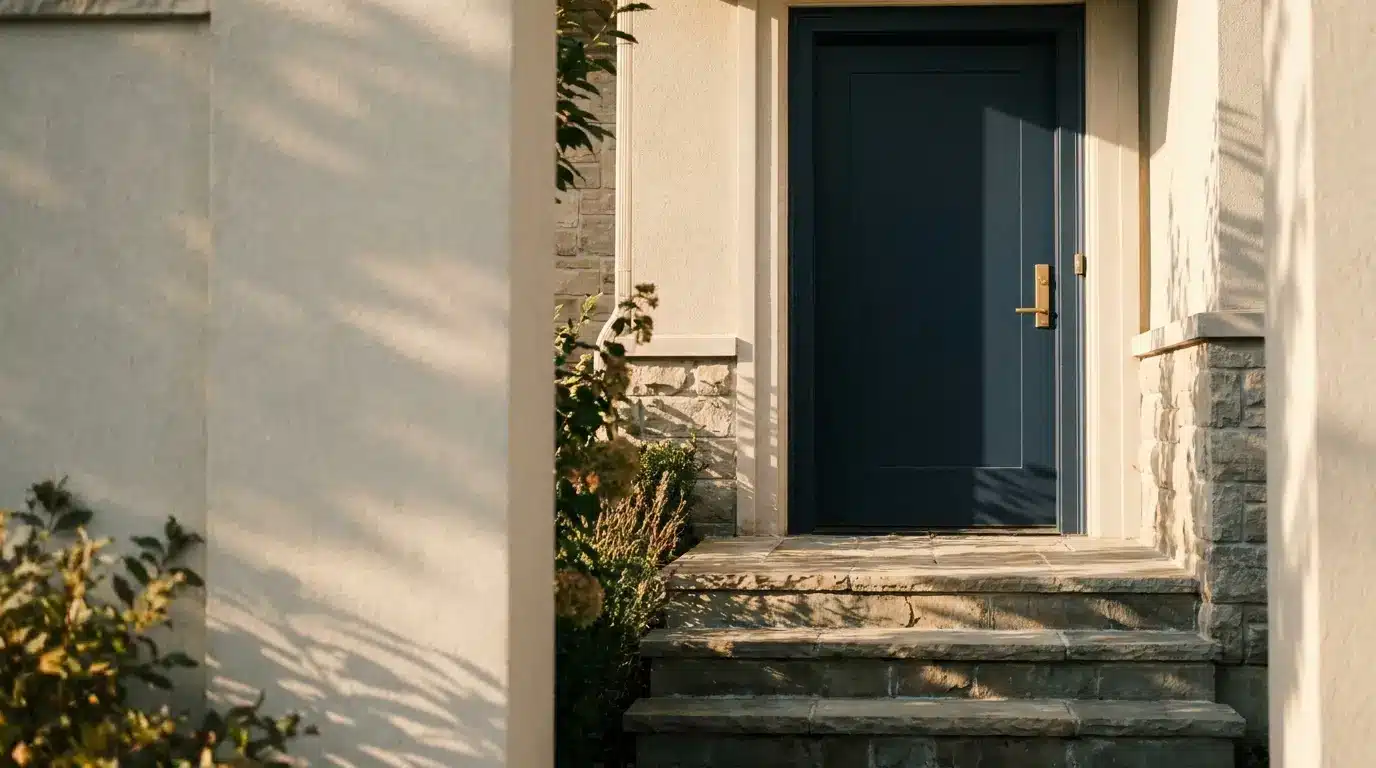
The front door is the focal point of any home’s exterior – the detail that photographs most prominently and that buyers walk through as their threshold into the home. A fresh, well-chosen front door color consistently delivers strong ROI relative to its cost.
Studies on front door color and home sale price have found that certain colors – particularly sophisticated black, navy, and deep green – are associated with higher offers. These colors project quality and intentionality. The mechanism is simple: a deliberately chosen front door color signals design awareness and maintenance quality to buyers who are evaluating everything they can see from the outside.
Landscaping: Important but Overinvested
Landscaping is a frequently cited curb appeal factor, but the research on its return is more nuanced than many sellers expect. The presence of neat, maintained landscaping is positive – it signals care and maintenance. But investment in elaborate, expensive landscaping for pre-sale is rarely recovered in sale price.
The distinction is between maintenance (high ROI: mowing, trimming, removing dead plants, mulching beds, edging) and installation (low ROI: new plantings, hardscape, major landscape projects). A well-maintained existing landscape photographs well; a heavily invested new landscape rarely produces proportionate return in a home sale context.
What Doesn’t Move the Needle
Garage door replacement, driveway resurfacing, and mailbox upgrades are commonly cited as curb appeal improvements that produce more modest returns than their cost might suggest – particularly in the context of a competitive market where buyers are evaluating the home against other options in the same price range.
These are improvements that matter when they’re in genuinely poor condition – a visibly broken garage door is a liability – but they don’t provide a premium above the market when they’re simply updated rather than repaired. The standard by which to evaluate any pre-sale improvement is whether its absence makes the home look worse than comparable listings, not whether its presence makes it look better.
Wrapping Up
Curb appeal investments for home sellers should focus where documented return is strongest: exterior paint that projects maintenance and quality, a well-chosen front door, and landscape maintenance that keeps the grounds looking cared-for. These three priorities – executed well – produce the first impression that gets buyers inside and positions the home competitively from the moment it hits the market.
Frequently Asked Questions
How long before listing should I repaint the exterior?
Ideally four to six weeks before listing – enough time for paint to fully cure, for any touch-ups to be completed, and for photographs to be taken after the home is fully prepared. Repainting too close to listing can create scheduling pressure and doesn’t allow time to address any application issues before photos are taken.
What exterior paint colors sell homes fastest in Waco’s market?
Local real estate professionals are the most reliable source for market-specific guidance, as buyer preferences have regional variation. In general, soft grays, warm whites, sage greens, and greige tones (gray-beige) have shown broad market appeal nationally and in Texas markets. Avoid colors that are very dated (bright mauve, forest green from the 90s) or highly personal (unusual colors that express individual taste rather than broad appeal).

Licensed broker Logan Patel holds an MBA in Urban Economics from UCLA and has steered buyers and investors through market swings for a decade. He joined us in 2024 to demystify listings, financing, and neighborhood data with clear, chart-backed advice. When he isn’t scanning comps, Logan coaches youth basketball and scouts mid-century districts for hidden architectural gems on weekend walks.