
The front door is one of the most frequently used parts of a home, yet it is often overlooked until problems become obvious. Drafts near the entry, difficulty closing the door properly, or concerns about security tend to build gradually. In many Canadian homes, these issues are not caused by a single defect but by years of wear combined with changing expectations around comfort and safety.
This is where front door replacement becomes relevant — not as a cosmetic update, but as a functional upgrade that directly affects how secure and comfortable a home feels every day. Replacing an aging entry door can address multiple issues at once, especially in climates where temperature swings and winter conditions put extra stress on exterior components.
Why the Front Door Matters More Than It Seems
From a building-performance perspective, the front door is a critical opening in the home’s envelope. It must resist forced entry, manage air and moisture movement, and remain stable through seasonal expansion and contraction. When any of these functions begin to fail, the effects are often felt immediately in the entry area and adjacent rooms.
Older doors were rarely designed with today’s insulation standards in mind. Thin cores, minimal sealing, and outdated hardware can allow cold air infiltration and heat loss, making the space near the entry uncomfortable even when the rest of the home is warm.
Security: Beyond the Lock Itself
When homeowners think about security, locks tend to get most of the attention. While lock quality matters, the door slab, frame, and installation are just as important.
A modern entry door is designed as a system. Reinforced cores, stronger frames, and multi-point locking options distribute force more evenly, making forced entry more difficult. Just as importantly, these components must remain properly aligned over time. A door that shifts or warps can undermine even high-quality hardware.
Front door replacement often improves security, not because of a single feature, but because newer doors are engineered to work together as a complete assembly rather than as isolated parts.
Comfort Starts With Insulation and Sealing
Comfort improvements are often the first thing homeowners notice after replacing a front door. Reduced drafts, warmer interior surfaces, and less temperature fluctuation near the entry can change how the space is used.
As explained by Modernize’s exterior door guide, upgrading a front door can improve both security and comfort when the new door has better insulation and weatherproofing. Choosing the right exterior door type and materials enhances insulation, reduces air leakage, and improves overall comfort while maintaining effective security and access control.
These improvements are especially noticeable in winter, when cold air infiltration around an older door can create a persistent chill that heating systems struggle to compensate for.
Materials and Their Impact on Performance
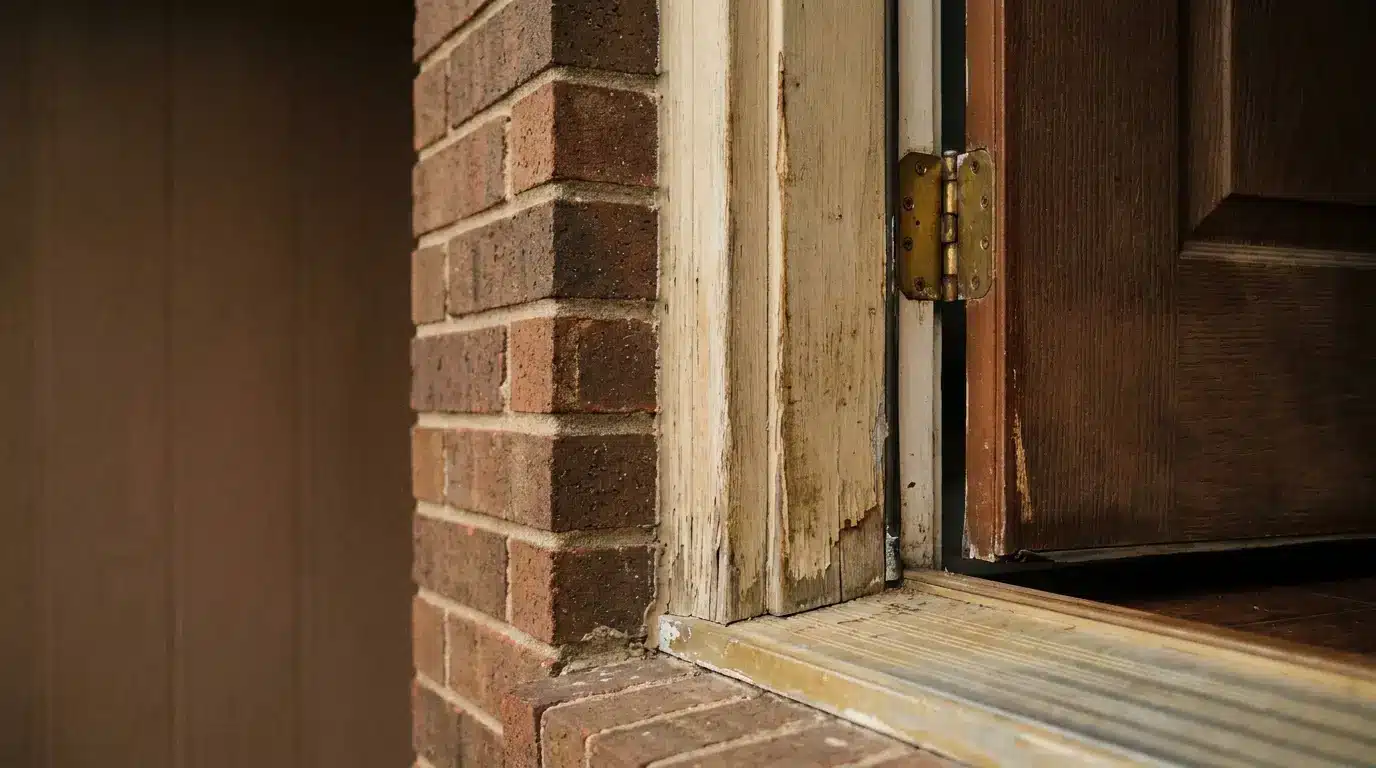
The material of an entry door plays a significant role in both comfort and durability. Solid wood doors offer natural insulating properties but require maintenance to manage moisture and prevent warping. Steel doors provide strength and security but rely heavily on insulated cores and proper sealing to perform well thermally.
Fiberglass doors are increasingly common because they balance strength, insulation, and dimensional stability. In Canadian conditions, where freeze–thaw cycles are frequent, material stability helps maintain tight seals over time, reducing drafts and energy loss.
The Role of Installation Quality
Even the best-designed door can underperform if installation is rushed or improperly executed. Gaps around the frame, poor insulation at the threshold, or misalignment can all compromise security and comfort.
Many issues attributed to “bad doors” are actually installation problems that only become visible months or years later. A properly installed door should close evenly, compress seals consistently, and integrate smoothly with the surrounding wall and flooring.
This is why door replacement should always be evaluated as both a product and a process, rather than focusing solely on the door itself.
How Front Doors Interact With Windows and Doors
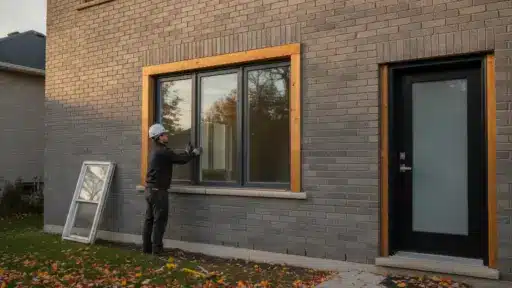
The front door does not function in isolation. Its performance is closely tied to nearby windows and the overall airtightness of the home. In some cases, replacing the front door highlights weaknesses elsewhere, such as older windows that allow more air leakage.
Considering windows and doors together often leads to more balanced results. Temperature differences near the entry are reduced, and comfort gains from the new door are not offset by other weak points in the envelope.
Everyday Use and Long-Term Benefits
Beyond technical performance, a new front door changes daily experience. Doors that open smoothly, seal reliably, and feel solid under use contribute to a sense of security that goes beyond measurable metrics.
Over time, these improvements affect how people use the entry space. Draft-free foyers, quieter interiors, and more consistent temperatures make the home feel more comfortable and controlled, particularly during long Canadian winters.
A Practical Perspective
Front door replacement is not just about appearance or resale value. It is a functional upgrade that directly influences security, comfort, and durability at one of the home’s most exposed points.
By focusing on door construction, materials, and installation quality, homeowners can address multiple concerns at once. In Canada’s climate, a well-chosen and properly installed front door improves everyday comfort while strengthening security — often delivering benefits that are felt immediately and appreciated for years to come.

Holding a Master’s in Architecture from the University of Texas at Austin, Emily Rodriguez has dedicated more than two decades to the art and science of building renovation. Starting her journey in historic preservation, she developed a profound respect for blending old with new in building design. Emily became a vital part of our team in 2019, renowned for her insightful and innovative renovation tips. She has been leading our DIY home improvement series since ever since, where she shares her wealth of knowledge in turning outdated spaces into modern havens. When not engaged in writing or consulting, Emily is a passionate advocate for heritage conservation and enjoys exploring vintage architecture, a hobby that complements her professional expertise.