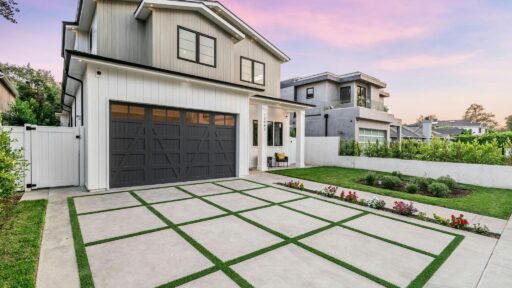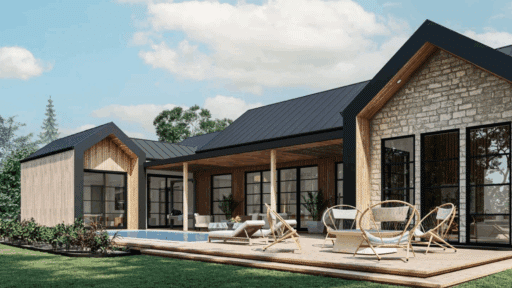
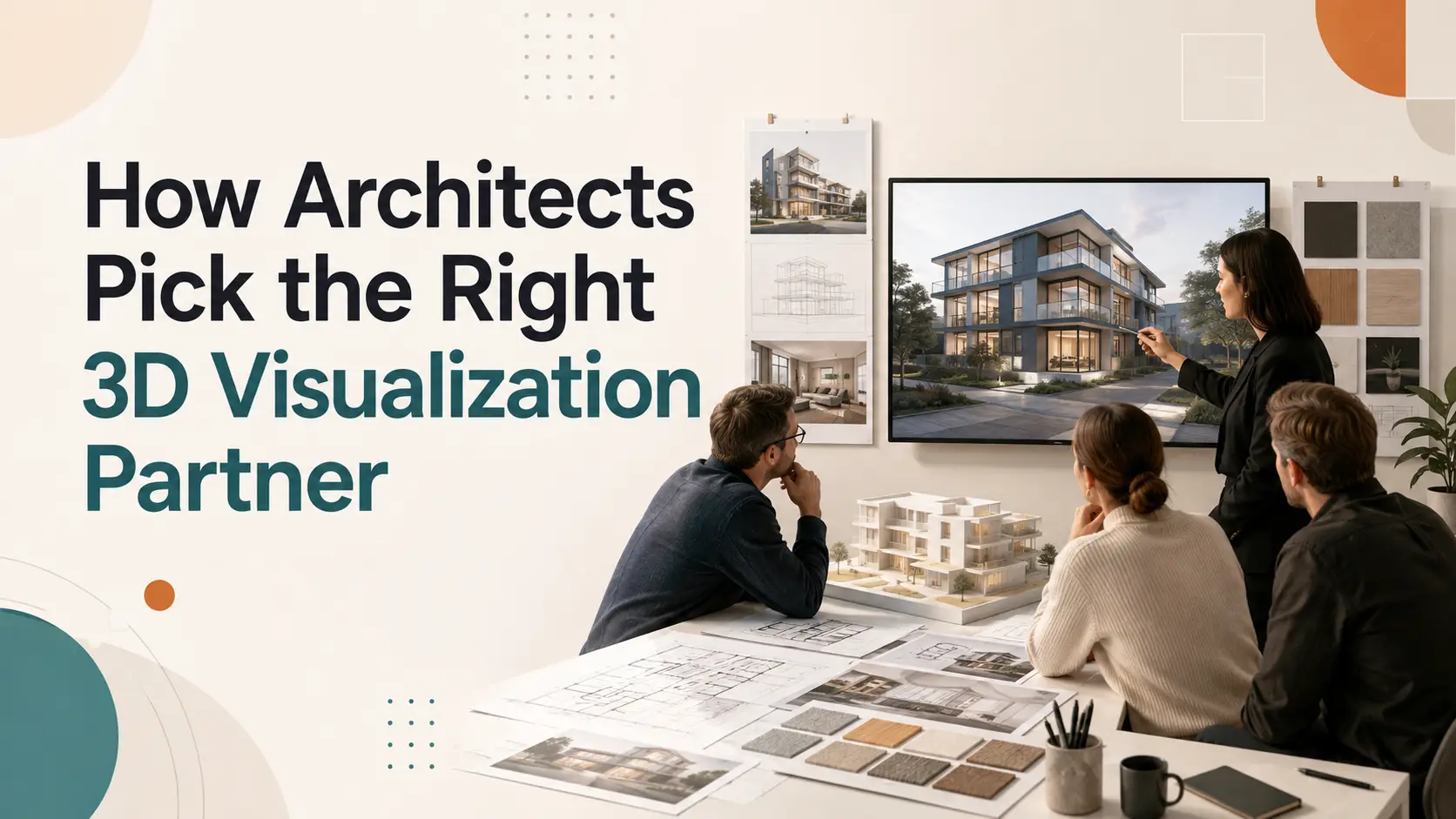
Submitting an architectural project — whether for a competition jury, a planning board, or a client pitch — is always a test of two things at once: the quality of the design and the quality of its presentation. In recent years, the gap between those two has quietly become the deciding factor. A compelling concept rendered poorly rarely wins.
That shift is pushing more architecture firms to think carefully about who handles their visualization work — not just what the final renders look like, but how a studio thinks about space, light, narrative, and the specific pressure of a submission deadline.
What Architects Actually Need From a Rendering Studio
The requirements for architectural visualization in a submission context differ from standard marketing imagery. Competition entries need to communicate intent — the why behind design decisions — to audiences who may not be architects themselves. Jury members, investors, planning officials, and client boards all read visuals differently, yet need to arrive at the same conclusion: that this project deserves to move forward.
This means the studio handling visualization needs to understand spatial logic, not just photorealistic rendering. It also means timeline discipline matters enormously. Submissions have hard deadlines, and a studio that misses a delivery window — even by hours — can cost a firm a competition entry or a client relationship.
A Studio Worth Noting: Marygold Studio
One company that has earned a reputation for understanding both sides of this equation is Marygold Studio, a London and Dubai-based team with over 10 years of experience and more than 400 international projects across residential, commercial, hospitality, and mixed-use typologies.
What sets Marygold apart is their foundation. The team blends architecture, design, filmmaking, and brand thinking — meaning projects are approached with an understanding of proportion, circulation, and spatial atmosphere before any rendering software is opened. Their client list includes Foster + Partners, Zaha Hadid Architects, Buro Ole Scheeren, and Koichi Takada Architects — firms with demanding internal visual standards that need external partners capable of meeting them under pressure.
Positioned as a full-service 3d product visualization studio, Marygold operates across stills, animation, walkthroughs, digital twins, and reels — which matters when a submission package requires multiple deliverable formats that need to feel visually coherent rather than assembled from different sources.
The Process Behind the Pixels
One detail architects frequently mention when working with studios is the importance of a structured feedback loop. Uncontrolled revision cycles are a common frustration: too many rounds without clear check-in points tend to dilute the original vision and compress the final production phase.
Marygold’s workflow addresses this directly. Their process moves from clay render previews and camera angle studies — where composition is locked before full detail work begins — through color and lighting passes, then styling, and finally ultra-high-resolution output. Each stage has a defined purpose, which keeps feedback focused and prevents changes from cascading into earlier decisions.
When Branding Enters the Picture
For architecture practices growing their public presence — or for developers launching a new project identity — visualization alone is sometimes not enough. A rendered image communicates what a building looks like. A brand communicates what the project means and why it matters to a specific buyer, investor, or community.
Marygold Studio extends into this territory through its real estate branding offer, which covers brand identity systems, project naming strategy, CGI-integrated visual campaigns, sales materials, and brand websites. For firms that want a stronger public-facing presence, this combination of visualization and brand thinking under one creative direction removes the fragmentation that comes from coordinating multiple vendors.
Conclusion
The architects and developers who tend to get the most out of their visualization partnerships share a few habits: they brief thoroughly, they engage early, and they look for studios that treat imagery as storytelling rather than technical output.
For firms operating at the intersection of design ambition and commercial reality, the right visualization partner does more than produce beautiful images — they understand what the project needs to prove and to whom. That clarity, more than rendering quality alone, is what makes a submission land.
Marygold Studio is a full-service 3D visualization and branding studio based in London and Dubai, working with architects, developers, and real estate agencies across Europe, the Middle East, and beyond.

Natalie Zhou, AIA, holds an MIT Master of Architecture and has designed civic and residential projects for 12 years. She joined us in 2025 to translate green-building theory into practical home ideas, spotlighting passive-solar layouts and space-saving details. Natalie’s articles blend on-site anecdotes with sketchbook tips. Away from the desk, she restores mid-century chairs and volunteers with Habitat for Humanity.