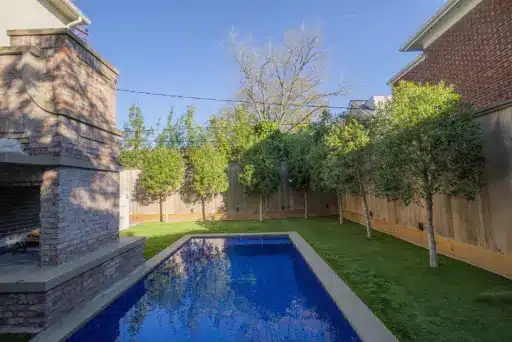
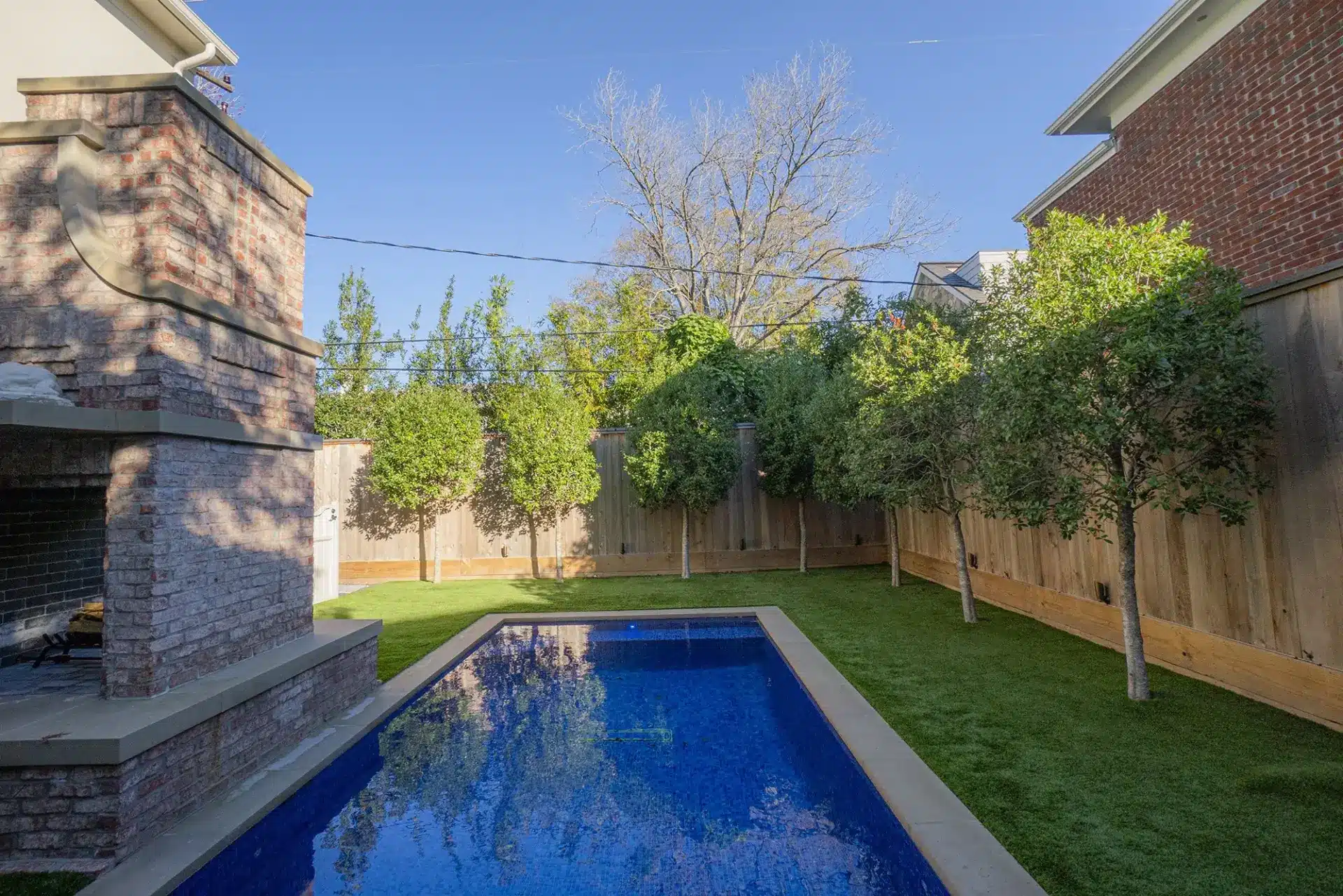

For many homeowners, maintaining a traditional lawn means giving up time and water just to keep the yard looking healthy. Artificial turf for residential landscaping offers a practical alternative by creating a usable, consistently green lawn without many of the routine demands that come with natural grass.
Today’s synthetic turf is designed for more than appearance. It can provide a durable surface for pets, children, frequent foot traffic, and everyday outdoor activities while requiring less routine lawn care.
For homeowners looking for a yard that fits more easily into daily life, those practical advantages are changing the way residential lawns are planned.
Spend Less Time Maintaining the Lawn
Natural grass requires regular attention throughout much of the year. Depending on the climate and type of grass, homeowners may need to mow, edge, water, fertilize, reseed, aerate, and address weeds or bare areas.
Artificial turf eliminates many of those recurring tasks.
There is no grass to mow or fertilize, and homeowners do not have to continually reseed areas damaged by heavy use. Routine care may include removing leaves and debris, brushing the fibers when necessary, and occasionally rinsing or cleaning the surface.
That can make a noticeable difference for busy households. Instead of planning weekends around lawn care, homeowners can spend more time using their outdoor spaces.
For those considering a synthetic lawn, reduced day-to-day upkeep is often one of the most practical reasons to make the switch.
Reduce the Need for Lawn Irrigation
Water consumption is another important consideration for homeowners maintaining natural lawns, particularly in hot or dry climates.
The U.S. Environmental Protection Agency reports that nearly 30% of household water use nationwide goes toward outdoor purposes, with much of that associated with lawns and landscaping. Outdoor use can be considerably higher in dry climates.
Artificial turf does not require routine irrigation to remain green. While occasional rinsing or cleaning may still use water, replacing irrigated natural grass can reduce the amount of water needed specifically for maintaining a lawn.
This can be particularly useful in areas affected by drought conditions, watering restrictions, or concerns about outdoor water consumption.
For homeowners looking for ways to reduce the irrigation demands of their property, incorporating artificial grass into selected areas can be one option alongside other water-conscious landscaping choices.
Keep the Yard Usable Through More of the Year
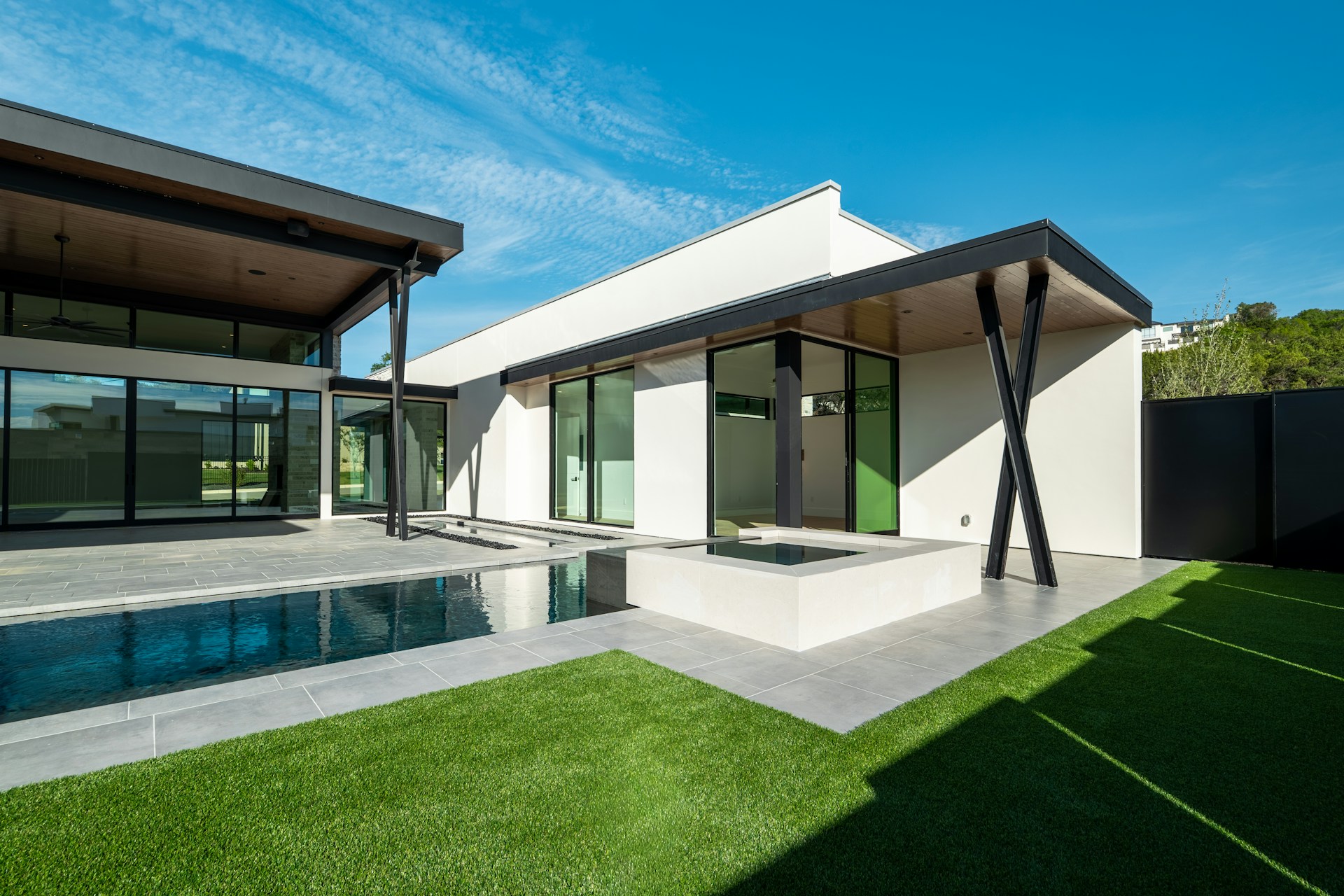
Natural lawns can become difficult to use when conditions are less than ideal. Heavy rain may leave muddy patches, while heat, drought, shade, or frequent foot traffic can create thin and bare areas.
Artificial turf provides a more consistent surface.
Because it does not depend on sunlight, soil quality, or regular watering to grow, it can work in areas where maintaining healthy natural grass is difficult. With an appropriately prepared base and drainage system, turf can also allow water to move through or away from the surface after rainfall.
That means homeowners can create outdoor areas for children to play, family members to relax, or guests to gather without worrying as much about worn grass, bare soil, or muddy patches.
Create a More Practical Yard for Pets
Dogs can be particularly tough on natural lawns. Running, digging, repeated trips along the same paths, and everyday bathroom use can quickly turn healthy grass into bare soil or muddy patches.
Artificial turf offers homeowners a surface that does not wear away in the same manner as living grass.
Turf systems intended for homes with pets can incorporate drainage features that allow liquids to move through the surface rather than remain on top. Regular rinsing and cleaning are still important, especially in frequently used pet areas, but homeowners do not have to continually reseed grass damaged by regular activity.
Another practical benefit is reduced exposed dirt. Dogs coming inside after playing outdoors are less likely to encounter the muddy patches that can develop where natural grass has worn away.
For households with active pets, a professionally installed pet-friendly turf lawn can make heavily used areas easier to manage.
Handle High-Traffic Areas More Easily
Not every part of a yard experiences the same amount of use.
Areas near patios, pools, gates, play equipment, and outdoor seating often receive much more foot traffic than the rest of the lawn. With natural grass, those areas can gradually become compacted, thin, or bare.
Synthetic turf can be selected with higher-traffic applications in mind. Products vary in blade height, density, backing, drainage, and other characteristics, allowing homeowners to choose a surface based on how they plan to use an area.
This makes turf particularly useful for recreation spaces, play areas, pathways, and gathering zones where homeowners want a grass-like surface without the recurring repairs that heavily used natural grass may require.
Make Difficult Lawn Areas Easier to Manage
Some parts of a property simply are not well suited to natural grass.
Deep shade from mature trees or neighboring structures can make certain grass varieties difficult to establish. Soil conditions, drainage, and frequent foot traffic can create additional challenges. Small side yards may experience a combination of these issues, resulting in persistent bare patches.
Artificial turf does not depend on the same growing conditions.
That makes it an option for areas where homeowners might otherwise spend considerable time repeatedly trying to establish natural grass.
Synthetic turf can also be considered for unconventional residential spaces, including pool surroundings and other locations where maintaining a traditional lawn may be impractical.
Enjoy More Consistent Results
One of the frustrations of maintaining natural grass is that its condition can change significantly throughout the year.
A lawn may look lush during one season and brown or patchy during another. Extreme heat, heavy rain, pests, foot traffic, and watering restrictions can all affect its condition.
Artificial turf provides greater visual consistency because it is not subject to the same growing cycles. Homeowners can maintain a green surface without waiting for grass to recover after seasonal changes or periods of heavy use.
For homeowners who value a neat yard but do not want to devote significant time to maintaining natural grass, that predictability can be one of turf’s biggest practical advantages.
Choose Turf Based on How You Use Your Yard
Not all artificial turf is designed for the same purpose. A household with several dogs may have different priorities than a homeowner creating a lightly used front lawn.
Pile height, fiber density, backing, drainage, and infill can all influence how turf performs. Homeowners exploring residential synthetic turf should therefore consider how each area will be used before selecting a product.
Drainage is especially important for pet areas and locations that receive substantial rainfall. Higher-traffic spaces may benefit from turf designed with durability in mind, while areas primarily intended for appearance may prioritize softness and a natural-looking blade structure.
Installation quality matters as well. Proper grading, base preparation, edging, seam placement, and drainage can help reduce problems such as shifting, wrinkling, or pooling over time.
A Lawn Designed Around Everyday Life
The growing use of artificial turf reflects a practical change in what some homeowners expect from their yards.
A lawn does not necessarily have to mean constant mowing, watering, fertilizing, and repairing worn areas. Synthetic turf provides another option for creating outdoor spaces intended for pets, children, entertaining, and everyday use.
For homeowners, the potential benefits are straightforward: less routine lawn maintenance, reduced irrigation needs, fewer muddy or worn areas, and a surface designed to accommodate regular activity.
For anyone rethinking how much time and effort a lawn should require, low-maintenance artificial turf offers a practical alternative to maintaining natural grass.

Holding a Master’s in Architecture from the University of Texas at Austin, Emily Rodriguez has dedicated more than two decades to the art and science of building renovation. Starting her journey in historic preservation, she developed a profound respect for blending old with new in building design. Emily became a vital part of our team in 2019, renowned for her insightful and innovative renovation tips. She has been leading our DIY home improvement series since ever since, where she shares her wealth of knowledge in turning outdated spaces into modern havens. When not engaged in writing or consulting, Emily is a passionate advocate for heritage conservation and enjoys exploring vintage architecture, a hobby that complements her professional expertise.