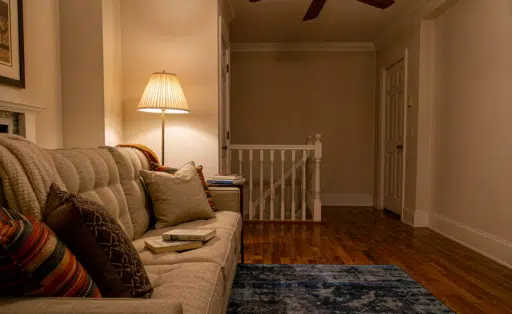
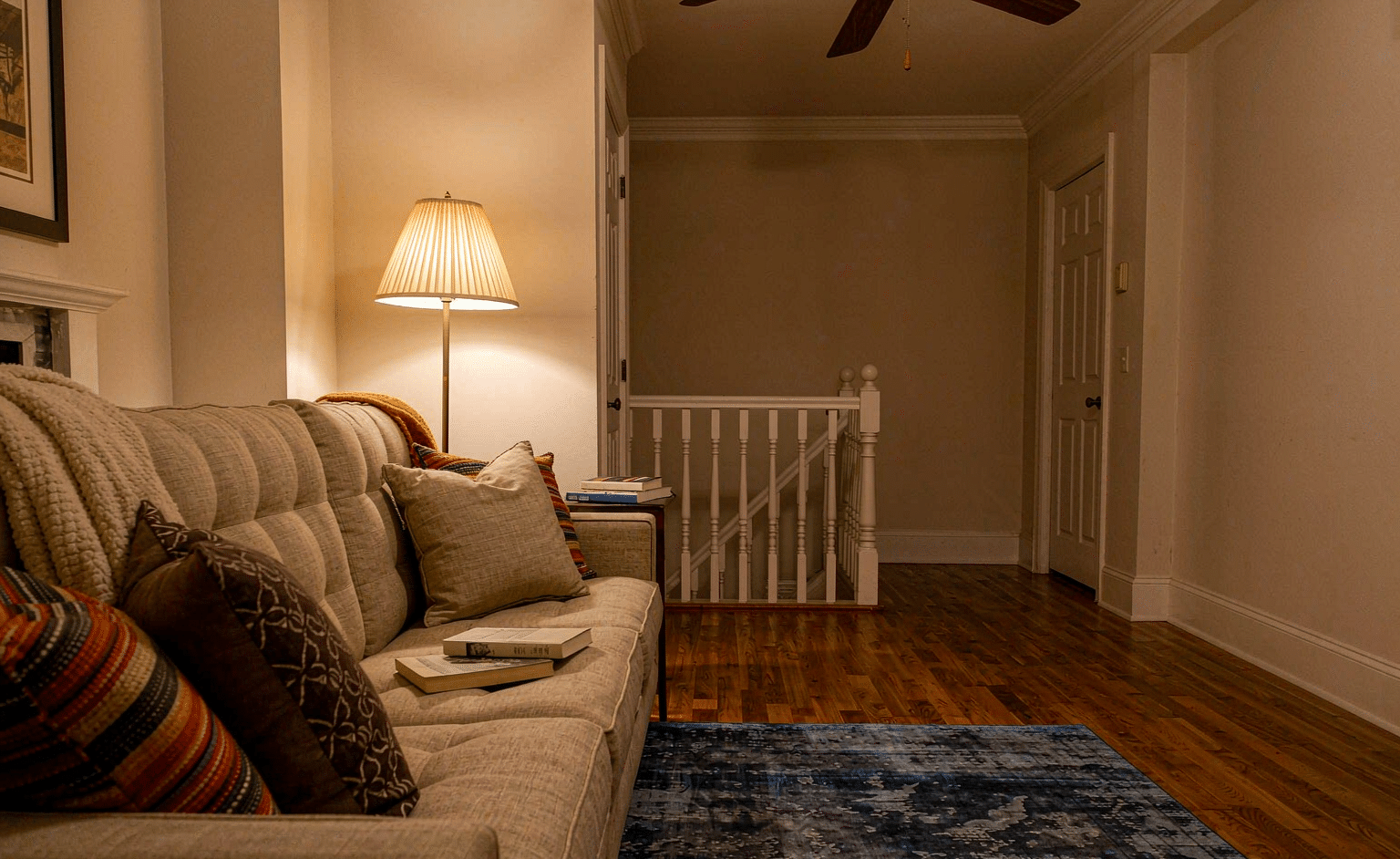

The best seat in the house should not require a second room or a theater you never finish building, and reclining living room furniture brings that ease into the living room you already own, without the bulky shape most people picture when they hear the word.
I design rooms for clients who want to relax without turning the lounge into a man cave nobody else enters. Reclining pieces have grown up, and the good ones read as tailored seating first and a mechanism second in the eye of the visitor.
You get the lean back and the leg up without the oversized frame that dominates the floor. That is the win I sell to design minded homeowners who refuse to choose between comfort and a room that looks considered when guests walk in through the front door of the home.
Comfort Without the Bulk
Comfort without the bulk is the whole appeal, because the old recliner was a throne that ate the corner and bruised the eye of anyone who walked in. The new pieces recline with a gentle lean rather than a full launch into the wall behind them.
I look for a profile that sits low and clean, so the room keeps its open feel even when every seat is kicked back by the end of the day. A wall away design means you can push the piece close to the wall and still get the full recline you want at night.
That frees the floor for the rug and the path the family walks through. The goal is ease you feel without a frame that shouts about the job it does. When the bulk is gone, the room reads as designed rather than assembled around a single lazy chair nobody else is allowed to touch.
Mechanisms That Disappear
Mechanisms that disappear are the mark of a piece worth the floor it occupies in a room you styled with care. I want a hidden release, a button or a tab tucked in the arm, so the eye never lands on the hardware when the seat is closed through the day.
The motion should be smooth and near silent, because a loud clunk breaks the calm of a film you wanted to hear with the lights down. I test the recline in the showroom and again at home, since the demo model is always the easy one the staff prepped for you before you arrived.
A good system glides without a fight and locks without a jolt that wakes the person beside you on the cushion. The best designs tuck the footrest into the frame so the sofa reads as a sofa, with no lump that betrays the secret it keeps.
Fabric That Reads as Designed
Fabric that reads as designed keeps the recliner from looking like a clinic chair nobody wants to touch. I reach for a textured weave or a soft leather that warms the room and hides the ordinary wear of daily use through the week.
A tight textile shrugs off the scuff and still looks tailored under the lamp you chose for the wall. I warn clients away from anything that needs a specialist cleaner, since real homes stain on a schedule nobody plans for in advance.
A material you can blot with water based soap keeps the piece presentable between the deep cleans you keep meaning to book. The hand of the fabric matters as much as the color, because you touch the seat more than you look at it across the day.
Placement in the Real Room
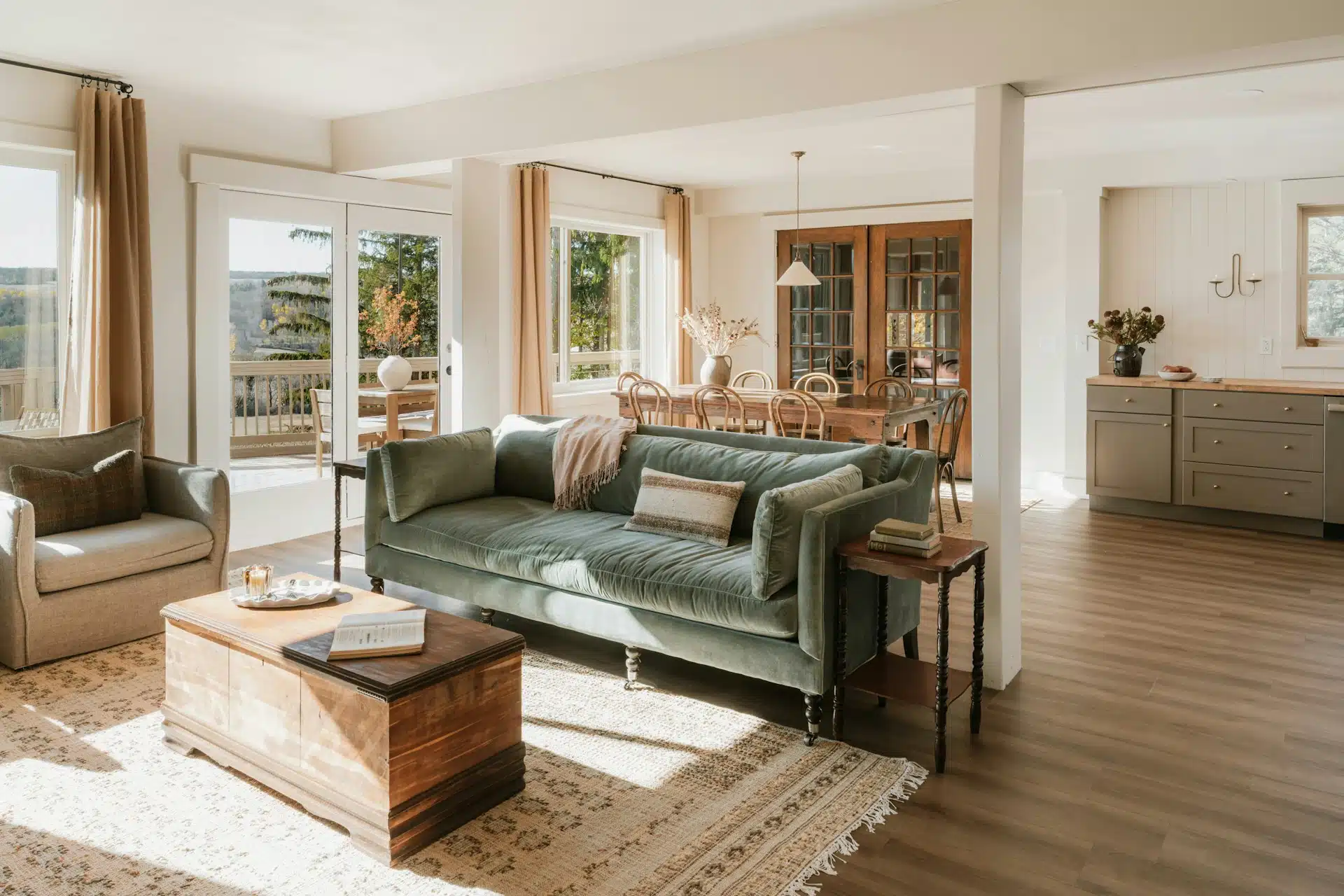
Placement in the real room decides whether the recline works or fights the space you built around it. I float the piece off the wall only as far as the mechanism needs, then anchor it with a rug so the eye reads it as placed with intent.
The seat should face the view or the fire or the screen, whichever the household gathers around on a normal night after work. I keep a clear walkway on both sides so the room stays walkable when every seat is kicked back by the late hour.
In open plans, the recliner defines the lounge zone without a wall, so I treat its back as a soft boundary the eye respects through the day. Move it twice before you commit, because the first spot is almost never the one the room wanted from you.
Pairing With the Rest of the Seating
Pairing with the rest of the seating keeps the room coherent instead of a mismatch of solo chairs nobody arranged with care. I match the recliner to the sofa in line and tone, so the two read as one decision rather than a lucky find you added later.
A contrasting color can work if it echoes a pillow or a rug already in the space you love. I avoid mixing a bulky recliner with a delicate settee, because the weight fight reads from the door the moment a guest enters.
The goal is a conversation group where every seat earns its place and none dominates the floor by sheer size alone. When the pieces agree, the room feels styled rather than collected from different sales over the years. Comfort should spread across the group, not camp in one throne the rest of the furniture resents through the evening.
Scale and the Sightlines
Scale and the sightlines decide how the room feels when you walk back through the door at the end of the day. I measure the recliner against the sofa and the window before I buy, because the piece has to sit in the sightline of everyone in the room.
A model that overruns the rug looks lost, while one that floats just inside the edge looks placed by someone who measured with care. I leave a clear path of at least a foot around the seats so the room stays open through the busiest part of the day.
Good scale is forgiving, it lets the other decor stay simple because the furniture is already doing the talking for the wall. Bad scale announces itself the second you enter, and no accent pillow can fix a piece that dwarfs the room it was meant to serve.
Why It Fits a Styled Home
Why it fits a styled home is the easy part once the piece is chosen with intent from the start of the plan. A recliner that looks designed and reclines in secret gives the room ease without the eyesore most people fear when they hear the word.
The living room you already own becomes the place to unwind, not a space you avoid because the only comfortable seat is the one nobody else touches.
I tell clients to buy for the evening they live, not the photo they wish they could post on the weekend. The right piece earns its keep at eight at night, when the lamps are low and the family is spread across the seats with nowhere else to be. Comfort that looks considered is the real luxury a thoughtful home offers, and it costs less than a second room you never finish building.
Recline in the room you already have, and the house finally earns its keep at the end of the day. The seat leans back, the line stays clean, and the living room becomes the place you want to land rather than the one you pass through on the way to bed when you are tired.

Holding a Master’s in Architecture from the University of Texas at Austin, Emily Rodriguez has dedicated more than two decades to the art and science of building renovation. Starting her journey in historic preservation, she developed a profound respect for blending old with new in building design. Emily became a vital part of our team in 2019, renowned for her insightful and innovative renovation tips. She has been leading our DIY home improvement series since ever since, where she shares her wealth of knowledge in turning outdated spaces into modern havens. When not engaged in writing or consulting, Emily is a passionate advocate for heritage conservation and enjoys exploring vintage architecture, a hobby that complements her professional expertise.