
Wall panelling is one of the most effective ways to transform a room without a full renovation. It adds texture, depth, and character while helping define the overall style of your interior. With the growing popularity of DIY Wall Panelling Kits, homeowners now have an easy and cost-effective way to upgrade their walls. However, choosing the right kit for your space requires careful consideration of design, materials, and practicality.
Understand Your Space and Design Goals
Before selecting a panelling kit, take a close look at your space. Consider the size of the room, ceiling height, and existing décor. Smaller rooms may benefit from simple, clean designs that don’t overwhelm the space, while larger rooms can handle more detailed or bold panelling styles.
Think about your design goals as well. Are you aiming for a modern, minimalist look or a more classic, decorative feel? Defining your vision early will help you narrow down the options and choose a kit that complements your overall interior style.
Choose the Right Style and Layout
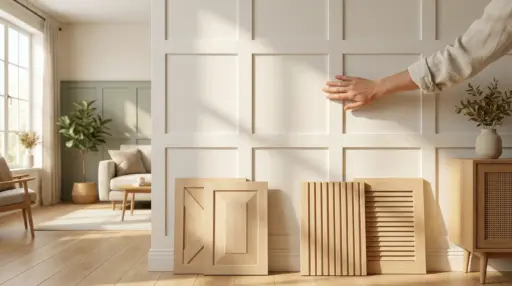
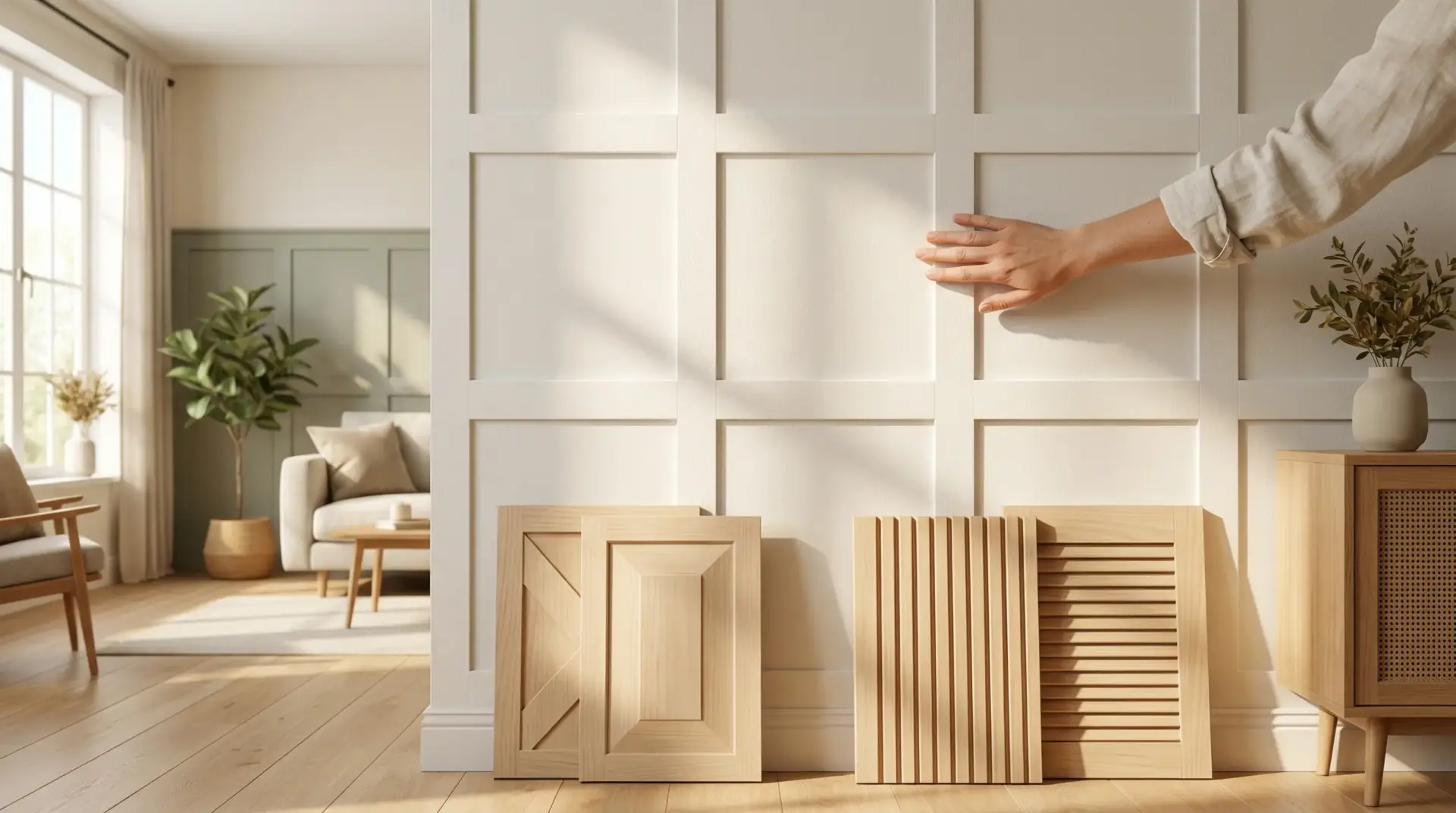
DIY wall panelling comes in a variety of styles, including shaker, geometric, slatted, and traditional moulding designs. Each style creates a different visual impact. Shaker-style panels are popular for their clean, timeless look, while slatted designs add a modern, textured finish. Geometric patterns can make a bold statement, especially on feature walls.
When selecting DIY Wall Panelling Kits, consider how the layout will interact with furniture, lighting, and other elements in the room. A well-planned layout ensures balance and enhances the overall aesthetic.
Select Suitable Materials and Finishes
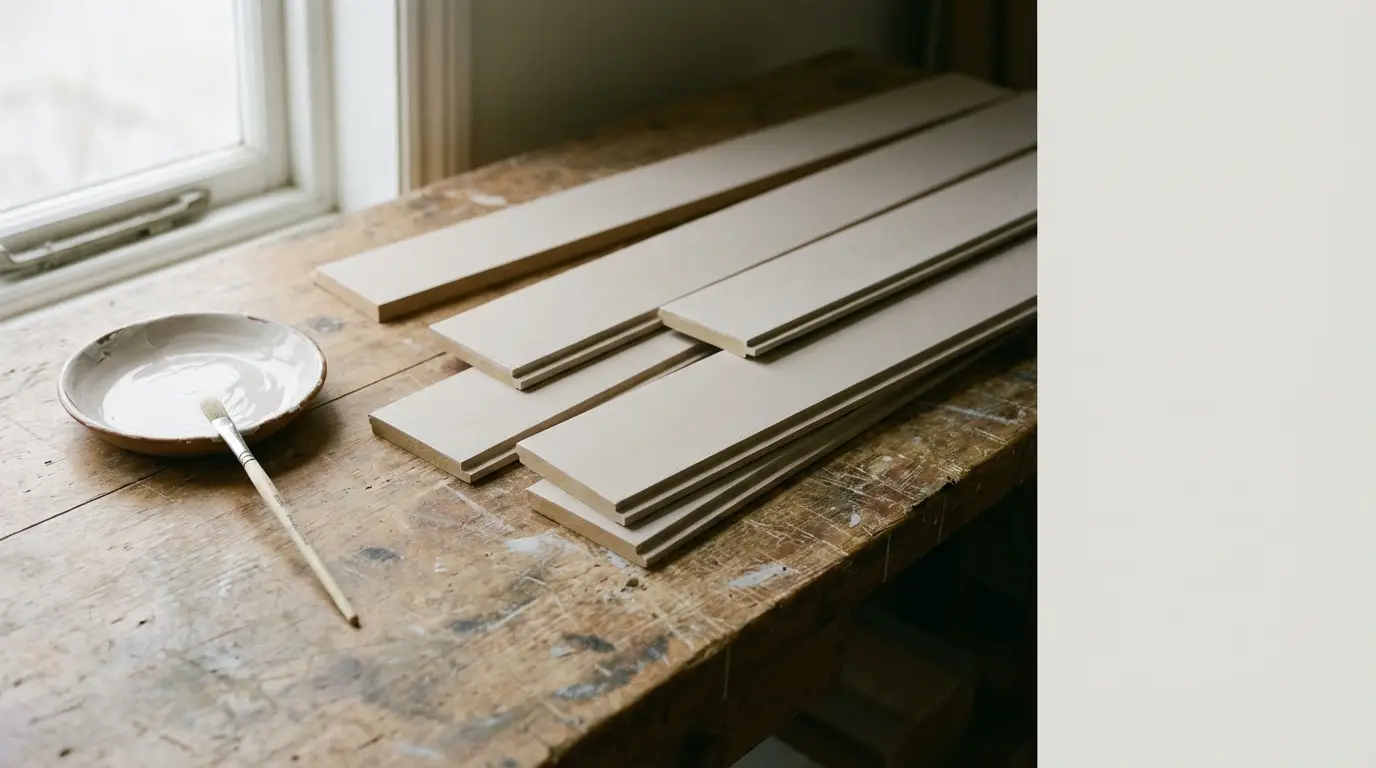
The material of your panelling kit plays a key role in both appearance and durability. MDF is one of the most common choices due to its affordability, smooth surface, and ease of painting. It’s ideal for achieving a clean and professional finish.
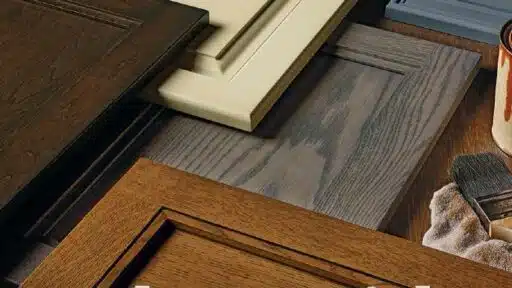
For areas exposed to moisture, such as kitchens or bathrooms, consider materials that are more resistant to humidity. The finish is equally important—whether you choose matte, satin, or gloss, it should align with your design preferences and the room’s overall look.
Consider Ease of Installation and Maintenance
One of the main advantages of DIY kits is their simplicity, but not all kits are equally easy to install. Look for options that come with clear instructions and pre-cut panels to save time and effort.
Ease of maintenance is another important factor. Choose materials that are easy to clean and maintain, especially in high-traffic areas. A durable, low-maintenance solution ensures your wall panelling remains in good condition for years to come.
Balance Budget With Long-Term Value
Cost is always a consideration, but it’s important to balance affordability with quality. Cheaper options may save money upfront, but could require more maintenance or replacement over time.
Investing in high-quality DIY Wall Panelling Kits can provide better durability, a more refined finish, and long-term value. Consider your budget carefully and choose a solution that offers both style and reliability.
Final Thoughts
Choosing the right wall panelling kit is about more than just appearance—it’s about creating a space that reflects your style while remaining functional and practical. By understanding your space, selecting the right materials, and considering installation and maintenance, you can achieve a professional-looking result with ease. With the right approach, DIY wall panelling can transform your interiors into something truly unique and visually appealing.

James McLaren, with a rich background in architecture from the University of Manchester, has been contributing his expertise to the world of creative construction and home innovation for over 20 years. His journey began as a project manager for a leading construction firm, where he honed his skills in bringing complex designs to life. James joined our platform as a freelancer in 2019, quickly becoming a favorite for his insightful and practical advice. He has been a pivotal force to our wing ever since, bringing our readers a blend of technical know-how and creative flair. Beyond his professional life, James is an avid woodworker and enjoys restoring vintage furniture, a hobby that complements his professional insights beautifully.