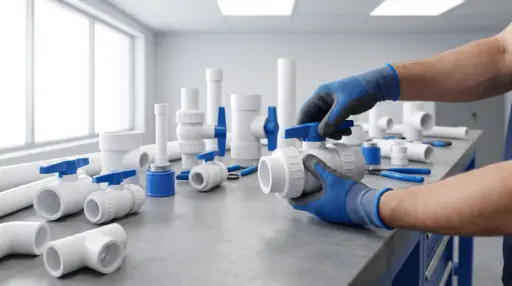
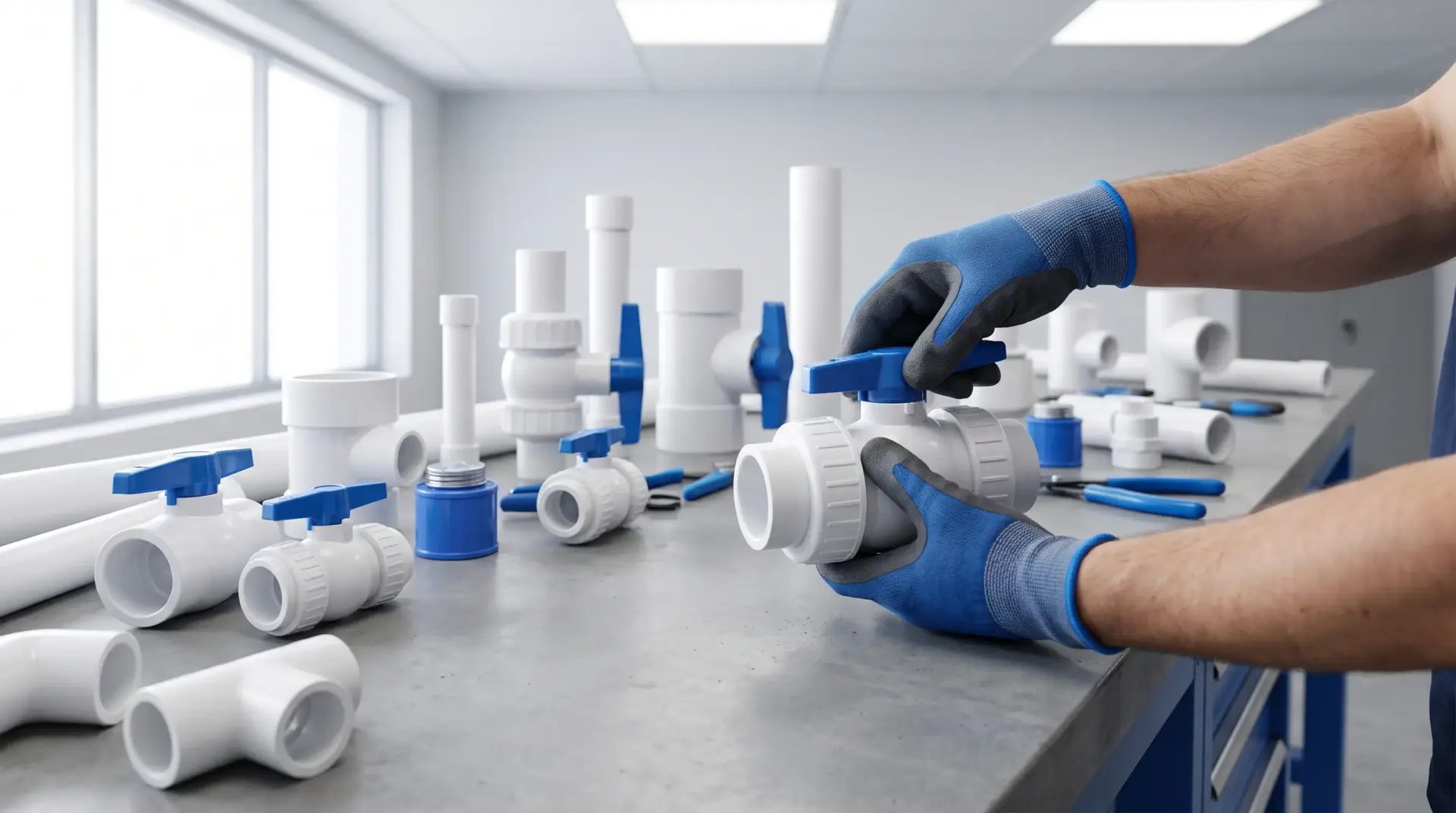

Valve selection is another important aspect that should be taken into account, since it can affect the performance of the plumbing system in question. Ball valves made of PVC are often installed for applications requiring water and other compatible fluids due to their simplicity and efficient shutoff. Nonetheless, there are some aspects that need to be considered while choosing an appropriate valve.
Consider the Application
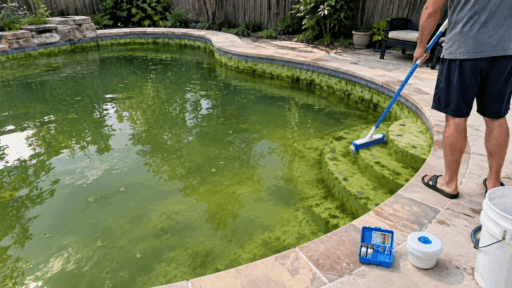
First of all, one needs to consider the purpose of the valve in the plumbing system. For example, a valve used in the domestic plumbing systems can have different specifications from those for irrigation, swimming pool or an industrial piping system. Knowing the purpose of the valve will make it possible to choose the material, pressure level, size and type of the valve.
Also, one needs to take into account the nature of the fluid that will flow through the pipe. PVC is suitable for many cases where water is being handled and can offer some corrosion resistance and chemical resistance too. However, it is always better to ensure the compatibility of the valve with the liquid flowing through the pipes before installing it.
Check the Valve Size
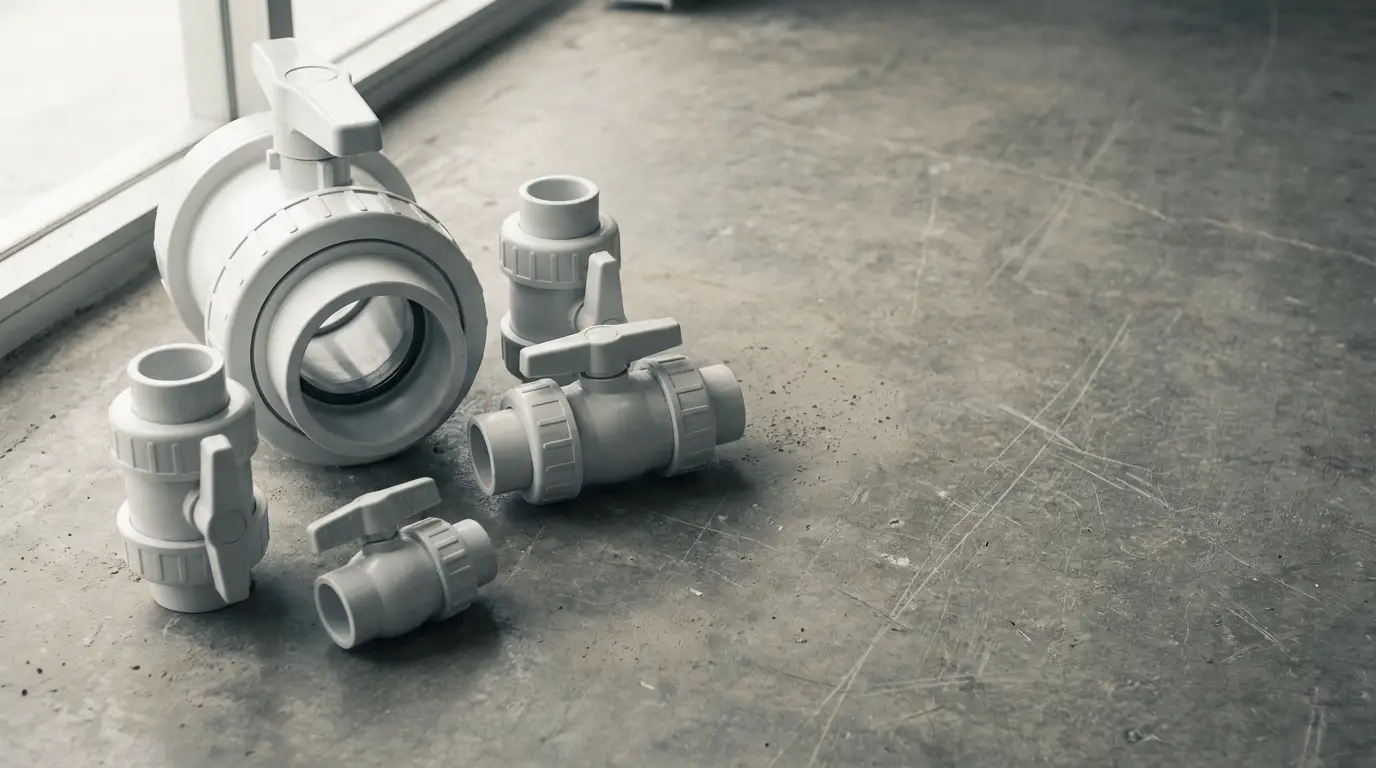
Selection of the valve should consider compatibility with the piping network as well as suitability for the necessary flow rate. Selection of a valve that is too small might lead to restrictions in flow, while improper sizing of the valve will cause difficulties with installation and might influence overall system operation. Diameter of the pipe as well as the manufacturer’s guidelines should be considered when selecting the valve.
Another issue is port configuration. Full ports offer greater flow capacity due to larger openings compared to standard ports. Standard ports are suitable for cases where the cost-saving or space-saving options take precedence over the flow capacity. It all depends on the particular design requirements of the system.
Review Pressure and Temperature Ratings
Each valve comes with a set of operating limits that need to be checked before purchasing one. First, check the maximum pressure limit and ensure that it is above the maximum pressure that the plumbing system operates at. This will allow room for fluctuations in system conditions and avoid operation of the valve past its maximum capacity.
Another important factor that needs to be taken into consideration when choosing PVC ball valves is temperature. PVC may behave differently under increased temperatures. The maximum temperature should always be checked, not the maximum operating temperature. Specifications by manufacturers would be the best guide in deciding on which valve to buy.
Select the Connection Type
The connection type must match the already existing pipe fittings and the manner of installation. The PVC valves have many connection types, including but not limited to socket, threaded, among others. Socket connection would work for the solvent welded PVC piping, while threaded connection would be of use when parts have to be replaced.
Take into account the issue of accessibility and the need for maintenance in choosing the connection type. The installation of a valve in an inaccessible place would make future maintenance work harder even if the valve is chosen correctly. Comparing the ball valves with the rest of the piping system could help in making such a decision.
There are several things that should be considered apart from the size compatibility between the valve and the pipe to ensure the proper selection of the PVC ball valve. These include the application, materials that are compatible with fluids, the flow rate, and pressure and temperature rating of the valve. These will determine whether the selected valve will be useful for a certain plumbing job.

With a Master’s in Architecture from the University of California, Berkeley, Mitchell Green has spent over two decades dedicated to the study and practical application of home fixture design. His career started in an architectural firm, providing him a strong foundation in the structural and aesthetic aspects of home interiors. Mitchell brought his comprehensive knowledge to our platform, where he has been an influential voice in our home fixtures and fittings section. Since 2018, he has been guiding our readers through the intricacies of selecting and installing fixtures, combining technical know-how with design flair. In his spare time, Mitchell is a keen photographer, capturing architectural details and design elements, an interest that complements his professional focus.