
The hail stops, you walk outside, and the damage is obvious – dented gutters, shingle granules washed into the flower bed, a section of fence on the ground. You call your insurer, they open a claim, and someone will come out to look at it.
What happens between that phone call and that visit matters more than most homeowners expect. An insurance claim is settled on evidence, and the strongest evidence is the record created closest to the moment of damage. That record is yours to build.
Start Before the Storm: The Baseline Photos Nobody Takes
The single most useful set of photos is the one taken when nothing is wrong.
Once a year, walk the property with your phone and shoot the roof from the ground on all four sides, the gutters and downspouts, the siding, the fence line, the deck, the HVAC condenser, and the interior ceilings of any room below the roof. Store them somewhere with the date attached.
That archive answers the question that stalls more claims than any other: was this damage already there? A photo from eight months ago showing an intact roof slope settles the argument before it starts.
Photograph in Three Distances, Not One
After damage occurs, most people take a dozen close-ups of the worst spot and nothing else. Documentation works better in layers.
Wide. The full elevation or the whole room, so there is no ambiguity about where on the property this is.
Medium. The affected section – one roof slope, one wall, one ceiling – showing the damage in context with its surroundings.
Close. The individual impact mark, crack, stain or tear, with something in frame for scale. A coin, a tape measure, a pen. Scale is what turns “some hail dents” into a measurable observation.
Shoot video as well, narrating what you are seeing and the date. It costs nothing and captures detail your stills miss.
Make Temporary Repairs, but Stop There
State insurance regulators are consistent on this point, and the Kansas Department of Insurance checklist puts it plainly: make temporary repairs to prevent further damage, keep all receipts, and photograph the damage before and after the emergency work – but do not make permanent repairs before the insurance company inspects, because the claim may be denied.
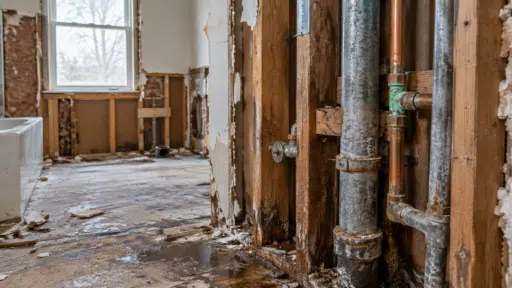
The distinction is about function. Temporary work stops the loss from growing: a tarp over an opening, boards over a broken window, water extracted from a flooded floor, a shut-off valve turned. Permanent work restores the property: new shingles, replaced drywall, repainted siding.
The first is expected of you. Most policies place a duty on the homeowner to protect the property from further damage, and reasonable costs of doing so are often reimbursable. The second destroys the evidence the claim depends on.
Photograph everything before you cover it. A tarp is necessary and it also hides the exact thing being claimed.
Keep the Damaged Material
Do not haul the torn shingles, the shattered window frame, or the ruined carpet section to the dump before the inspection. Bag it, label it, put it in the garage.
Physical evidence resolves questions that photos leave open, and its absence is a gap someone else gets to interpret.
Stay Off the Roof
This is the point where good documentation instincts turn into an emergency room visit. Roof damage is the most-claimed category and the least safe to inspect yourself, particularly after weather, when surfaces are slick and structural integrity is unknown.
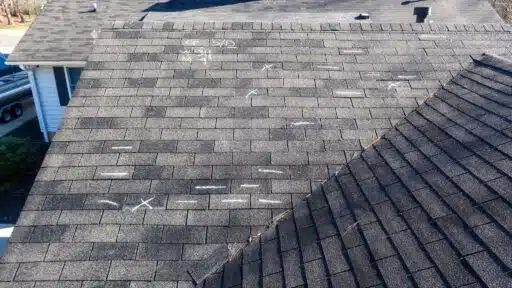
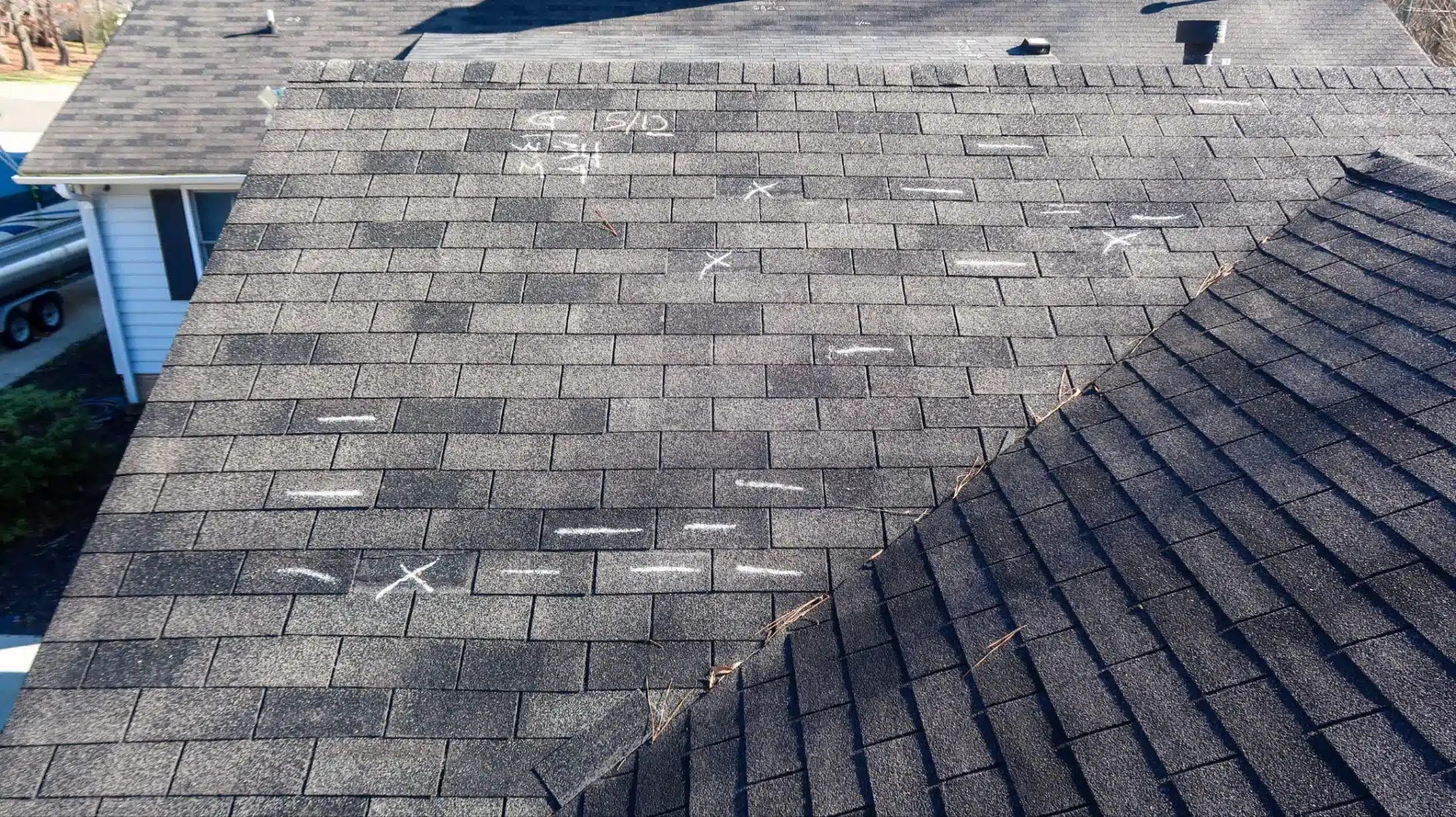
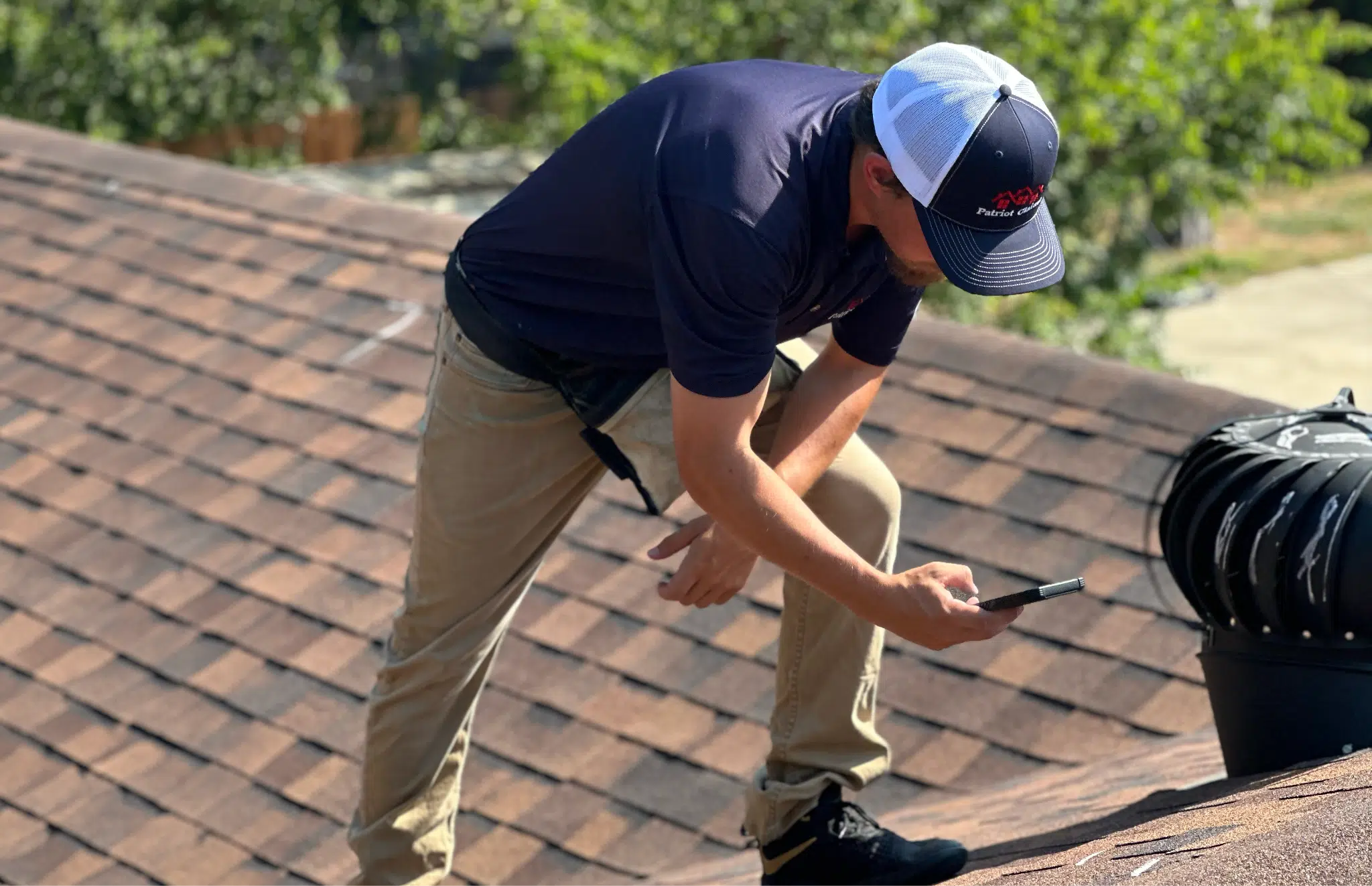
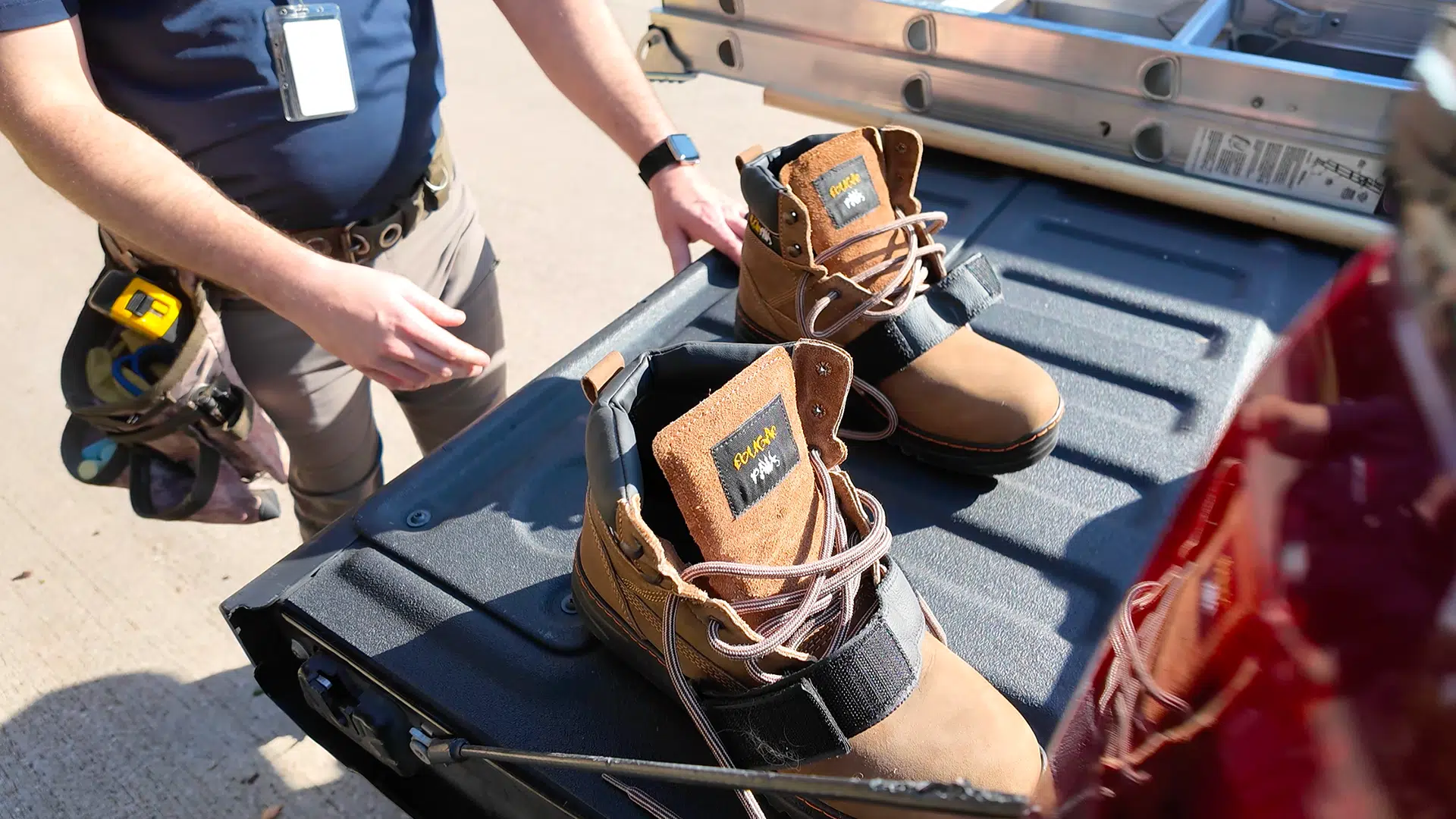
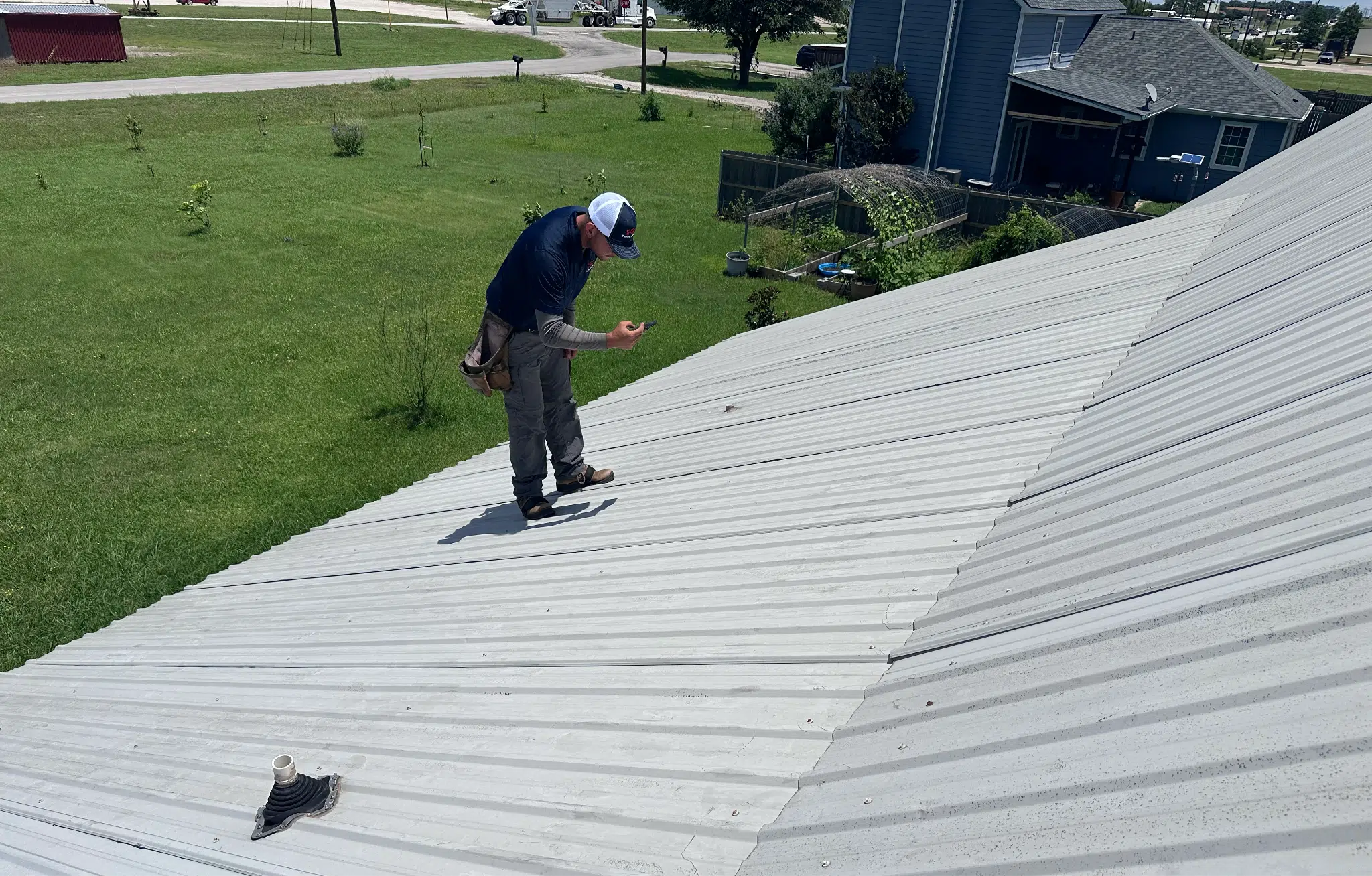
Photograph the roof from the ground with the longest zoom your phone has, from every side, and from an upstairs window if you have one. Then let the professionals go up. Insurance carriers routinely dispatch third-party inspection companies – firms like Patriot Claims that inspect property and document findings for the carrier without any stake in the coverage decision – precisely because roof assessment requires trained people with the right fall-protection equipment.
Their job is to record what is there, thoroughly, and report it. Yours is to have your own record of the same property.
Build One File, Not a Scattered Pile
By the time a claim is being evaluated, homeowners typically have photos in three places, a receipt in a coat pocket, and the adjuster’s name in a text thread.
Make one folder. Put in it:
- The date and time the damage occurred, and the weather event it came from
- Every photo and video, organized by area
- Receipts for temporary repairs and any emergency service
- Your claim number and the name and role of everyone you have spoken to
- A short log of each conversation with the date
The log is the part people skip and later wish they had. Claims involving significant damage can run for weeks across several people.
What to Expect when The Inspector Arrives
Be there. Walk the property with them and point out what you found, including anything not visible from the ground.
Expect a lot of photography – thorough documentation of a damaged property regularly runs to 150 or more images across the roof, elevations, interior and any outbuildings. That volume is not suspicion, and it is not padding. Photographs are the record the coverage decision gets made from, and a thin file serves nobody, least of all the homeowner whose damage was under-documented.
Ask what they are documenting and how the report gets to your carrier. A professional inspector will tell you. They will not tell you what your claim is worth or whether it will be approved, because that decision belongs to the carrier, not to the person on the ladder.
The Habit Worth Keeping
Take the baseline photos this month, while nothing is wrong. Repeat them after any significant storm, damage or not.
Ten minutes once a year produces the one thing no amount of later effort can recreate: proof of what your property looked like before.

Holding a Master’s in Construction Management from Purdue University, William Ray has dedicated more than two decades to studying and applying construction principles. His professional journey includes a tenure with a prominent construction firm, where he specialized in project management and building technologies. William brought his knowledge to our team, providing in-depth insights into practical construction techniques. As the leader of our beginner’s guide to building since 2019, he has a knack for breaking down intricate processes into easily digestible content. When not involved in writing or onsite consultations, William enjoys woodworking and volunteering in community building projects, which aligns with his passion for hands-on construction and community service.