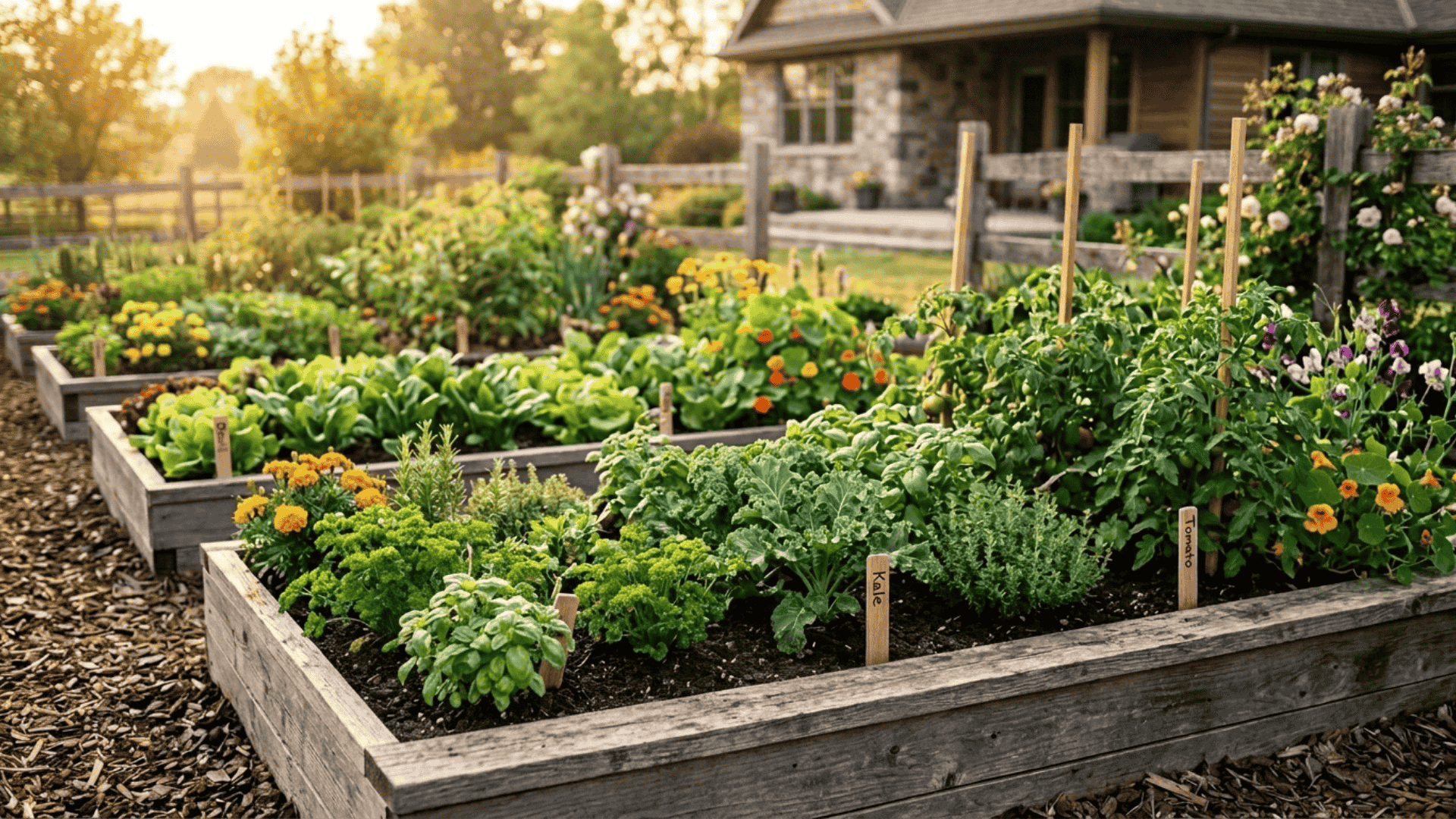

Starting a garden sounds simple until a beginner is standing in a store, staring at rows of seeds and soil bags with no idea where to begin.
Most beginners don’t struggle because gardening is hard. They struggle because no one gave them a clear starting point.
Knowing how to start a garden the right way makes a real difference. It saves time, reduces wasted effort, and helps plants actually grow.
This blog breaks the whole process down into simple, manageable steps. No guesswork, no complicated techniques. Just a practical approach that works for anyone starting from scratch.
Planning Your Garden Before You Begin
Knowing how to start a garden correctly means starting with clarity, not seeds. Planning is the part most beginners skip, and it’s usually why things go sideways early on.
- Choose What to Grow – Pick plants based on your climate, season, and what you actually enjoy eating or using. This keeps you motivated.
- Check Available Space – Look at how much space you have and how much sunlight it gets before deciding what fits best.
- Decide Gardening Type – Choose between ground gardening, containers, or raised beds early to avoid changing plans later.
- Start Small First – Begin with a small area so it’s easier to manage and less overwhelming as you learn.
- Plan Your Time Commitment – Be realistic about how much time you can give each week to watering, weeding, and care.
- Create a Simple Schedule – Set a basic routine for planting, watering, and maintenance to stay consistent.
Tools and Materials Needed
Having the right items ready before planting saves time and avoids unnecessary delays. Here is everything out need to know to start a garden for the first time.
| Category | Items Needed | Why It Matters |
|---|---|---|
| Soil & Amendments | Garden soil, compost, mulch | Supports plant growth and retains moisture |
| Tools | Hand trowel, gloves, watering can | Helps with planting and daily care |
| Containers/Space | Pots, raised beds if needed | Useful for small or urban spaces |
| Seeds/Plants | Beginner-friendly seeds or seedlings | Easier to manage and grow |
| Watering Setup | Hose or watering can | Ensures consistent watering |
| Labels | Plant markers | Helps track what was planted |
Step-by-Step Process to Set up Your Garden
Following these steps in order keeps things simple and avoids confusion. Each step builds on the previous one, so beginners can move forward with purpose and confidence.
Step 1: Choose Location and Prepare the Growing Area
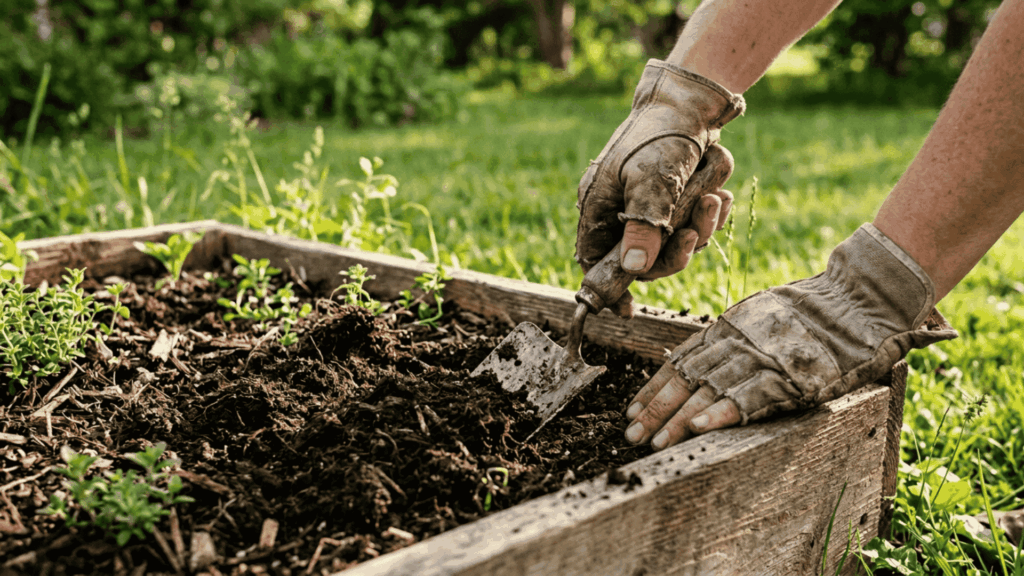
Location matters more than most beginners realize. A spot that gets at least six hours of sunlight daily works best for most plants.
Once a suitable area is identified, the next task is preparing the soil by loosening it and mixing in compost to improve its quality.
Knowing how to start a garden begins with getting this foundation right. Poor soil preparation is one of the most common reasons plants struggle early on. Taking a little extra time at this stage pays off significantly once planting begins.
Step 2: Select Plants Based on Your Plan
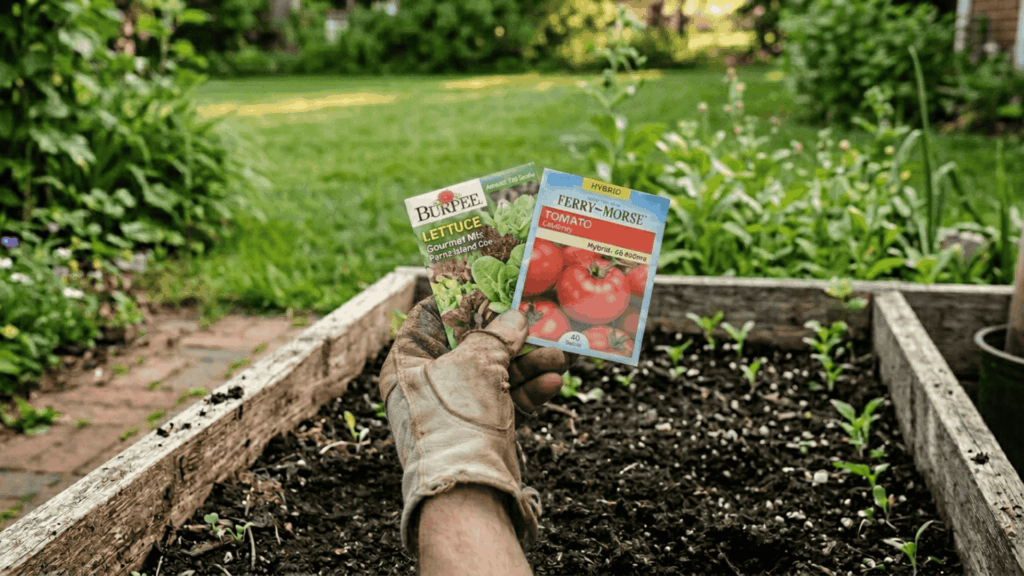
Not every plant suits every space or season. Beginners should focus on choosing plants that match their local climate, available sunlight, and the amount of care they can realistically provide.
Starting with easy-to-grow options like tomatoes, lettuce, or herbs is the most practical approach for beginners.
Selecting the right plants early removes much of the avoidable confusion later. A quick check on the seed packet or plant label gives all the basic information needed.
Step 3: Arrange the Layout and Plant Correctly
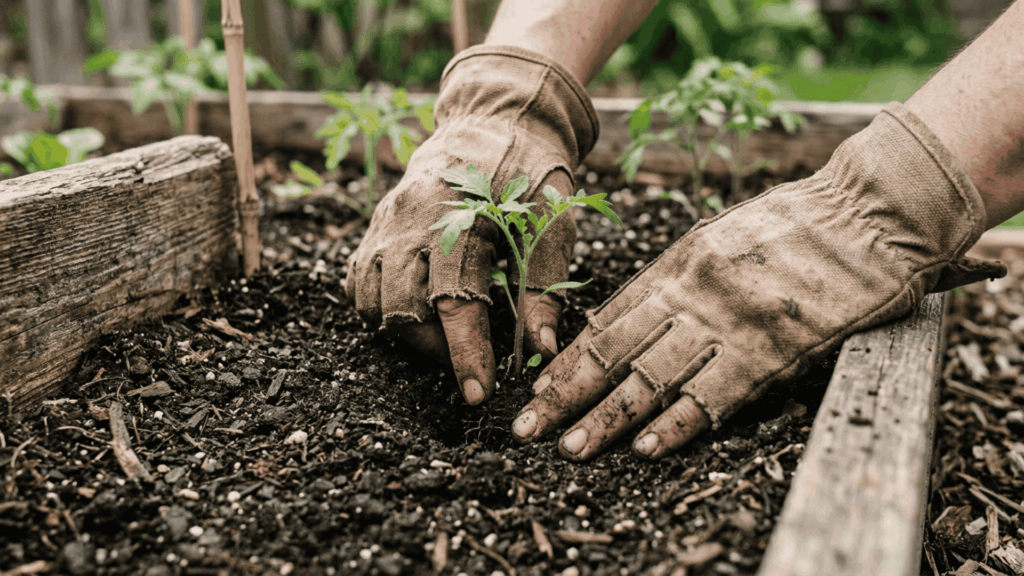
Once plants are selected, the next step is to arrange them properly in the available space. Following the spacing guidelines on seed packets keeps things organized and gives each plant enough room to develop without competition.
Learning how to start a garden also means understanding the difference between planting seeds and seedlings. Seeds go directly into the soil at the recommended depth.
Seedlings, on the other hand, need a small hole dug carefully so the roots sit comfortably without being bent or damaged during the process.
Step 4: Water and Maintain Regularly
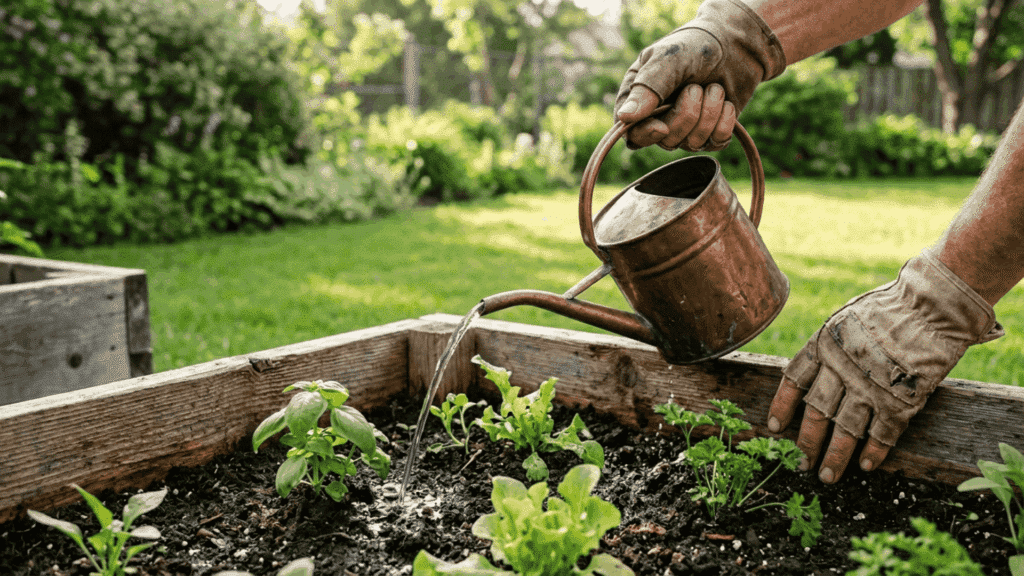
Consistent watering is one of the most important parts of keeping a garden healthy. Most plants need water at the base rather than on the leaves.
Watering in the early morning works best as it gives plants time to absorb moisture before the heat of the day sets in. Beyond watering, regular maintenance keeps the garden in good shape.
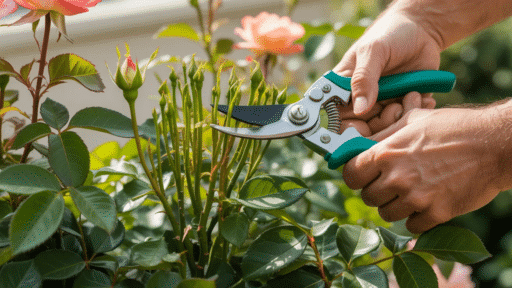
Pulling out weeds before they take over, checking leaves for early signs of damage, and loosening compacted soil around plant bases are all straightforward tasks.
Step 5: Support Growth and Handle Basic Issues
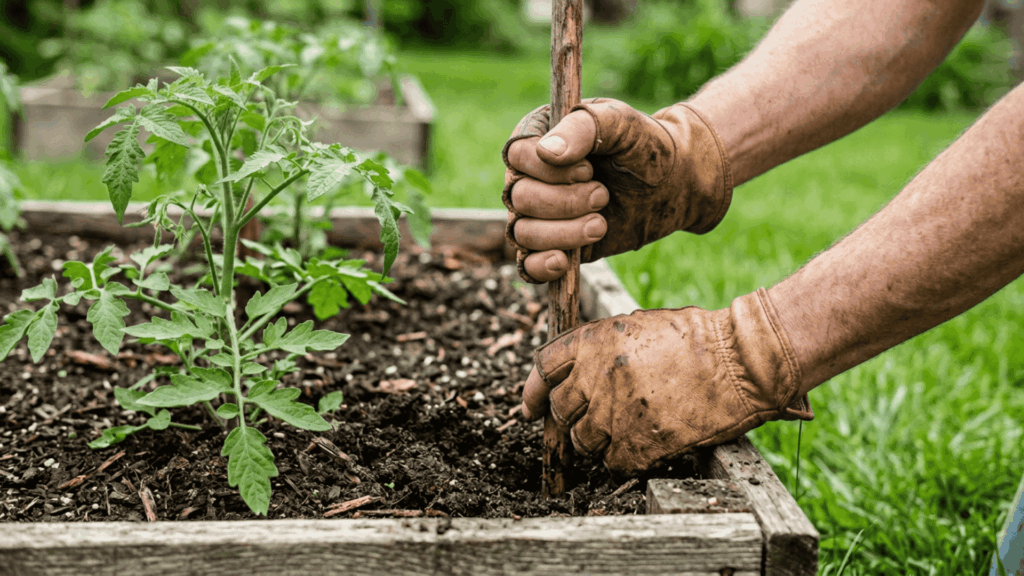
As plants grow taller, some of them need a little extra support. Tomatoes, beans, and similar plants benefit from stakes or small cages that keep stems upright.
Setting these up early is easier than adding them once the plant is already leaning or falling over. Knowing how to start a garden means being prepared for small problems like pests or yellowing leaves. Catching these early makes them much easier to handle.
A simple check every couple of days is usually enough to spot anything unusual before it affects other plants in the space.
Step 6: See Your Garden Take Shape
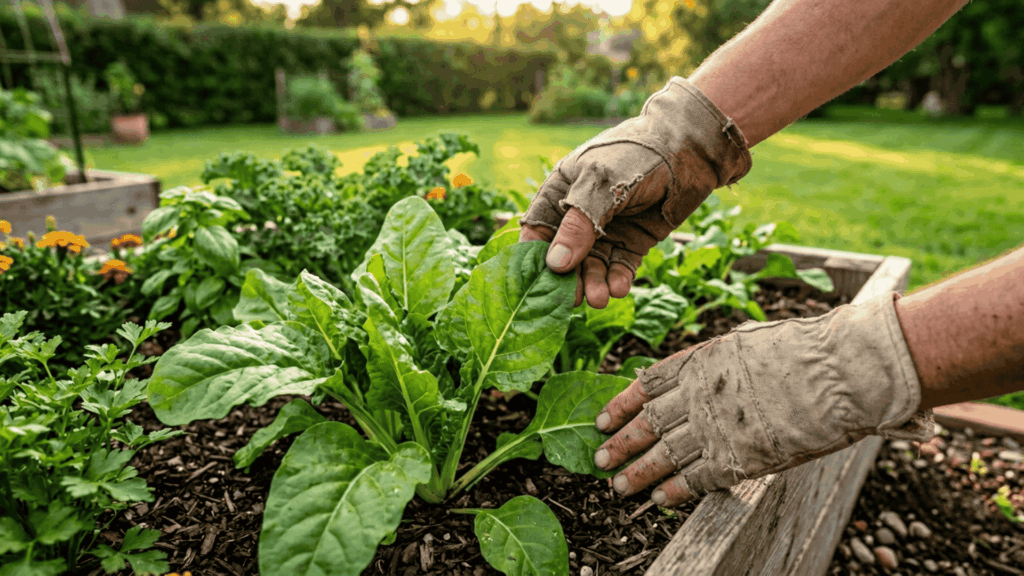
This is the stage where all the earlier effort starts to show. Leaves fill out, stems get stronger, and the garden begins to look like a functioning space rather than a patch of soil with scattered plants.
For those who followed the process closely, learning how to start a garden from the ground up becomes a rewarding experience at this stage.
Growth will not happen overnight, but steady progress is visible week by week. Small adjustments made along the way contribute to a healthier and more productive garden over time.
Best Plant Picks for Beginners
Choosing the right plants early makes everything easier and more rewarding. Starting with low-maintenance options helps build confidence and keeps things manageable.
| Plant Type | Best Picks | Why They’re Good | Growing Tip |
|---|---|---|---|
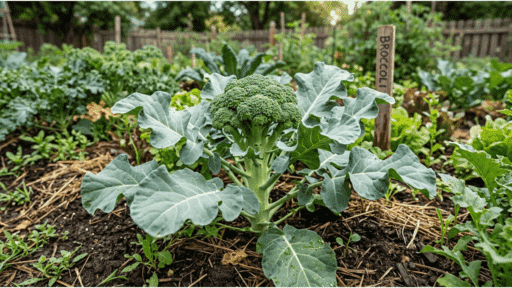
| Vegetables | Tomatoes, Lettuce, Spinach | Easy to grow and fast results | Give enough sunlight and regular watering |
| Herbs | Basil, Mint, Coriander | Low effort and great for daily use | Grow well in small spaces or pots |
| Root Crops | Carrots, Radishes, Beets | Simple and reliable for beginners | Use loose, well-drained soil |
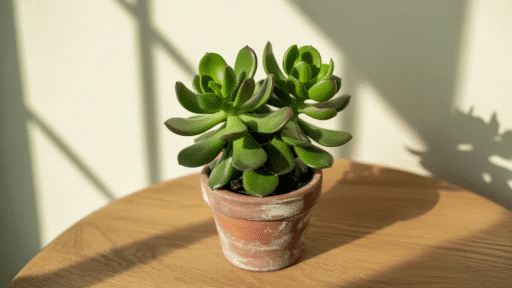
| Fruits | Strawberries | Compact and beginner-friendly | Grow in containers or hanging pots |
| Flowers | Marigolds, Sunflowers | Hardy and add color to your garden | Help attract pollinators |
Common Mistakes Beginners Should Avoid
Most beginners make similar mistakes at the beginning, and a little awareness goes a long way toward avoiding unnecessary setbacks from the start.
- Overwatering plants: Too much water suffocates roots and causes plants to rot before they even have a chance to establish themselves.
- Choosing the wrong plants: One of the key things to understand when starting a garden is picking plants that suit the local climate and current season, as the wrong choice leads to poor results regardless of effort.
- Skipping soil preparation: Planting directly into unprepared or poor-quality soil limits nutrient access and significantly slows growth from the beginning.
- Overcrowding the space: Placing plants too close together restricts airflow, increases the risk of disease, and forces plants to compete for the same resources.
- Neglecting regular care: Skipping routine checks on watering, weeds, and plant health for even a short period can quickly cause avoidable damage to the entire garden.
Conclusion
Gardening does not have to be complicated. When the process is broken down into clear steps, starting and maintaining a garden becomes far more manageable than it first appears.
The key is to stay consistent and not rush through the early stages. Anyone figuring out how to start a garden should focus on one step at a time.
Get the planning right, prepare the soil well, choose suitable plants, and maintain regular care. Mistakes will happen along the way, and that is completely normal. Each small experience builds confidence.
As weeks pass, what once felt like a lot to handle becomes second nature.

Veronica Lee holds a Master’s degree in Landscape Architecture from Cornell University and has dedicated more than 15 years to transforming outdoor areas into artistic and sustainable spaces. Her career took off in a renowned landscape design firm, where she excelled in creating visually stunning and environmentally responsible designs. In 2019, Veronica brought her expertise to our platform, quickly becoming a key contributor to our outdoor design and sustainability sections. As the lead of our landscape innovation series ever since joining, she has inspired readers with her forward-thinking and practical approach. When not drafting designs, Veronica enjoys pottery and participates in local conservation efforts, activities that complement her professional ethos of blending art with nature.