
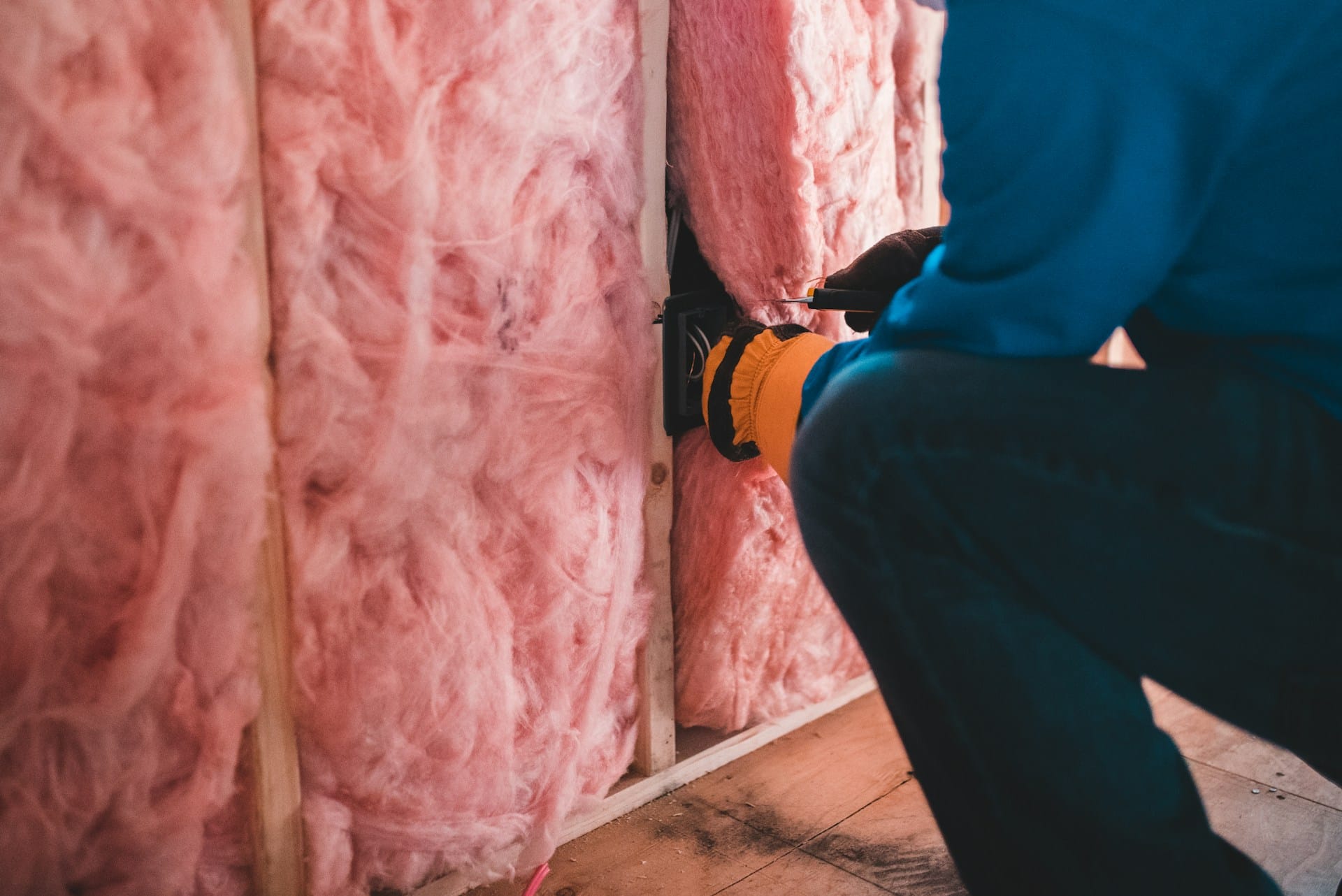

Every region has unique weather patterns. Local weather dictates how much thermal defense your building needs. Selecting the wrong setup leads to high power bills. Smart planning starts with knowing your local weather.
Good planning saves you money on energy bills every month. Every climate zone demands different protection for walls and roofs. Learning about weather impacts helps you make smart building choices. Proper choices keep your indoor spaces comfortable.
Hot and Humid Climate Challenges
Sunlight heats up metal roof panels fast in summer. Proper metal building insulation creates a strong barrier that blocks heat from entering. Cool air stays inside your structure where it belongs.
Warm air carries water vapor that settles on cold steel frames. Vapor barriers stop water from clinging to inner walls. Controlling indoor humidity keeps air fresh and protects steel from rust.
High heat forces cooling units to run all day in summer. Reflective materials cut electric costs during peak summer heat. Your workspace stays cool even when outdoor temps rise over 100 degrees.
Cold Weather Thermal Protection
Freezing weather forces heating systems to run harder all day. Heat escapes fast through uninsulated steel parts and small gaps. Keeping warm air inside requires materials with high thermal resistance.
Thicker barrier layers stop heat loss along outer frame posts. Snow and ice on the roof lower room temperatures within minutes. Adding dense protective layers keeps warmth inside during long winter nights. Energy costs drop when heat stays inside your building.
Cold drafts create chilly working spaces for staff and guests. Sealing air gaps keeps indoor temps steady during severe winter storms. Good thermal barriers protect equipment from freezing conditions. Warm workspaces boost daily comfort and productivity.
Mixed Climates and Temperature Swings

Some areas experience big weather shifts between day and night. Warm afternoons turn into freezing nights in a few hours. Buildings in these areas need flexible thermal defense systems.
Flexible barrier materials absorb daily temperature shifts without losing strength. They keep interiors cool on sunny days and warm on chilly nights. Property owners save money by reducing heavy heating and cooling needs.
Unstable weather causes metal panels to expand and shrink fast. Consistent thermal layers cushion panels against quick temperature swings. This protects structural joints and keeps your building strong for years. Proper installation prevents long-term frame damage.
Key Weather Factors to Review
Different elements affect how your building reacts to weather changes. You must check local climate factors before buying materials.
Here are key climate factors to review:
- Hot summer heat waves
- Cold winter frost levels
- High daily humidity levels
- Heavy seasonal rainfall
- Strong regional wind gusts
Choosing the Right R-Value
R-value measures how well materials resist heat flow. Higher numbers mean stronger thermal defense for your property. Warm southern zones need lower ratings than cold northern regions.
Local building codes set minimum R-value rules for construction. Choosing higher ratings lowers monthly power usage and cuts energy bills. Correct ratings protect your property against extreme weather events.
Thicker layers cost more at first but pay off in future savings. Lower utility bills cover initial installation costs in 2 or 3 years. Investing in proper ratings creates great long-term value.
Final Thoughts On Building Insulation
Selecting proper protective layers depends on where your building stands. Matching materials to local climate conditions protects your space from extreme weather changes. Good choices lower power costs and extend structural lifespan.
Looking for more tips and ideas? We’ve got you covered. Check out some of our other posts now.

Holding a Master’s in Construction Management from Purdue University, William Ray has dedicated more than two decades to studying and applying construction principles. His professional journey includes a tenure with a prominent construction firm, where he specialized in project management and building technologies. William brought his knowledge to our team, providing in-depth insights into practical construction techniques. As the leader of our beginner’s guide to building since 2019, he has a knack for breaking down intricate processes into easily digestible content. When not involved in writing or onsite consultations, William enjoys woodworking and volunteering in community building projects, which aligns with his passion for hands-on construction and community service.