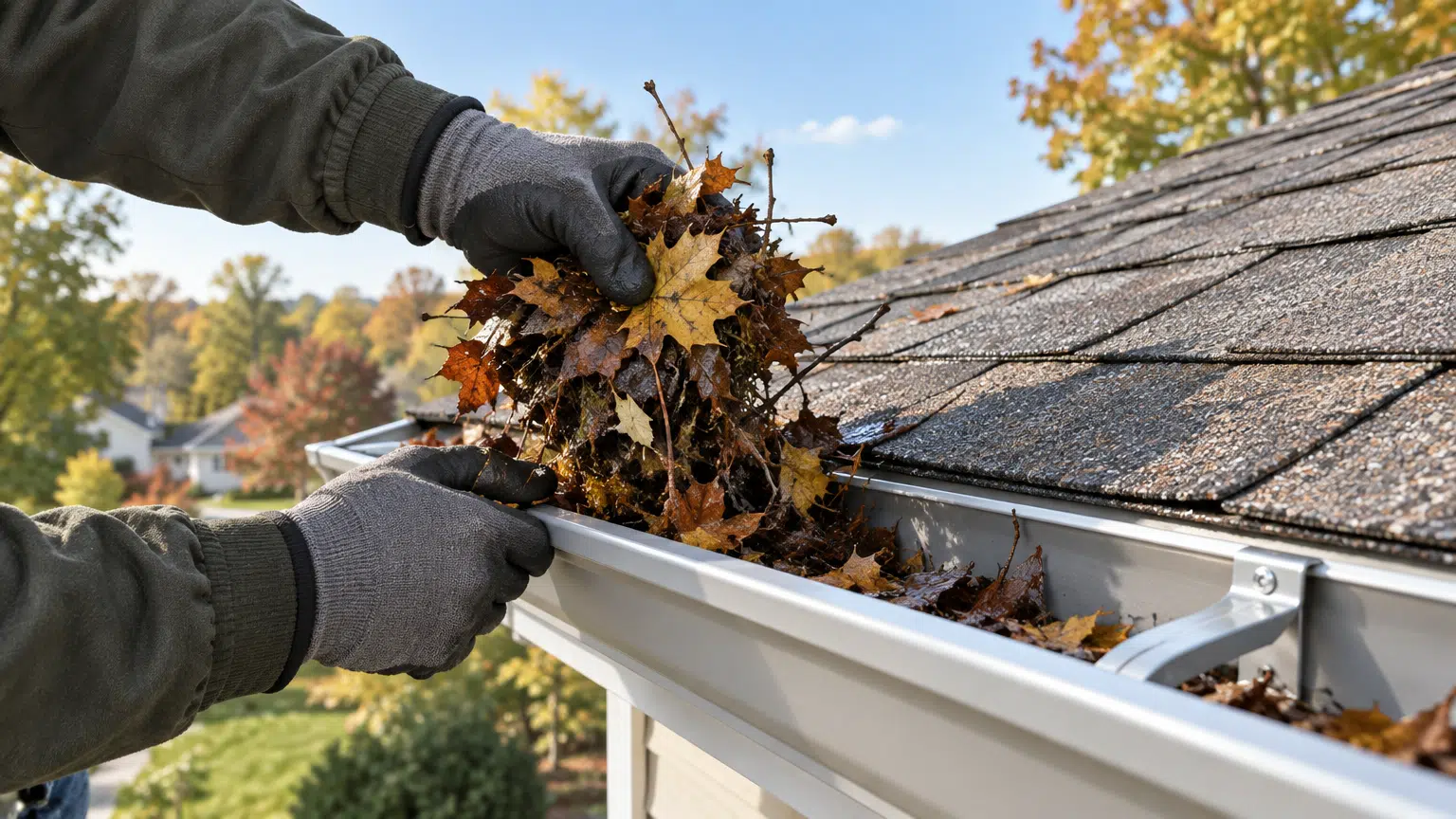

Gutters help protect your home by moving rainwater away from the roof, walls, and foundation. When they are blocked or damaged, water can collect in places where it should not.
Regular care can help gutters last longer and work more effectively. A few simple checks during the year can also help you find small problems before they turn into expensive repairs.
Clean Gutters on a Regular Schedule
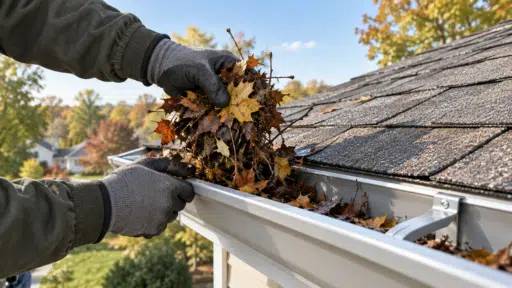
Leaves, twigs, dirt, and other debris can stop water from flowing through the gutter system. When this happens, water may spill over the sides and collect near the house.
Most homes should have gutters checked and cleaned at least twice a year. Homes surrounded by trees may need more frequent cleaning.
Use gloves and remove loose debris carefully. Afterward, rinse the gutters with water to make sure they drain properly.
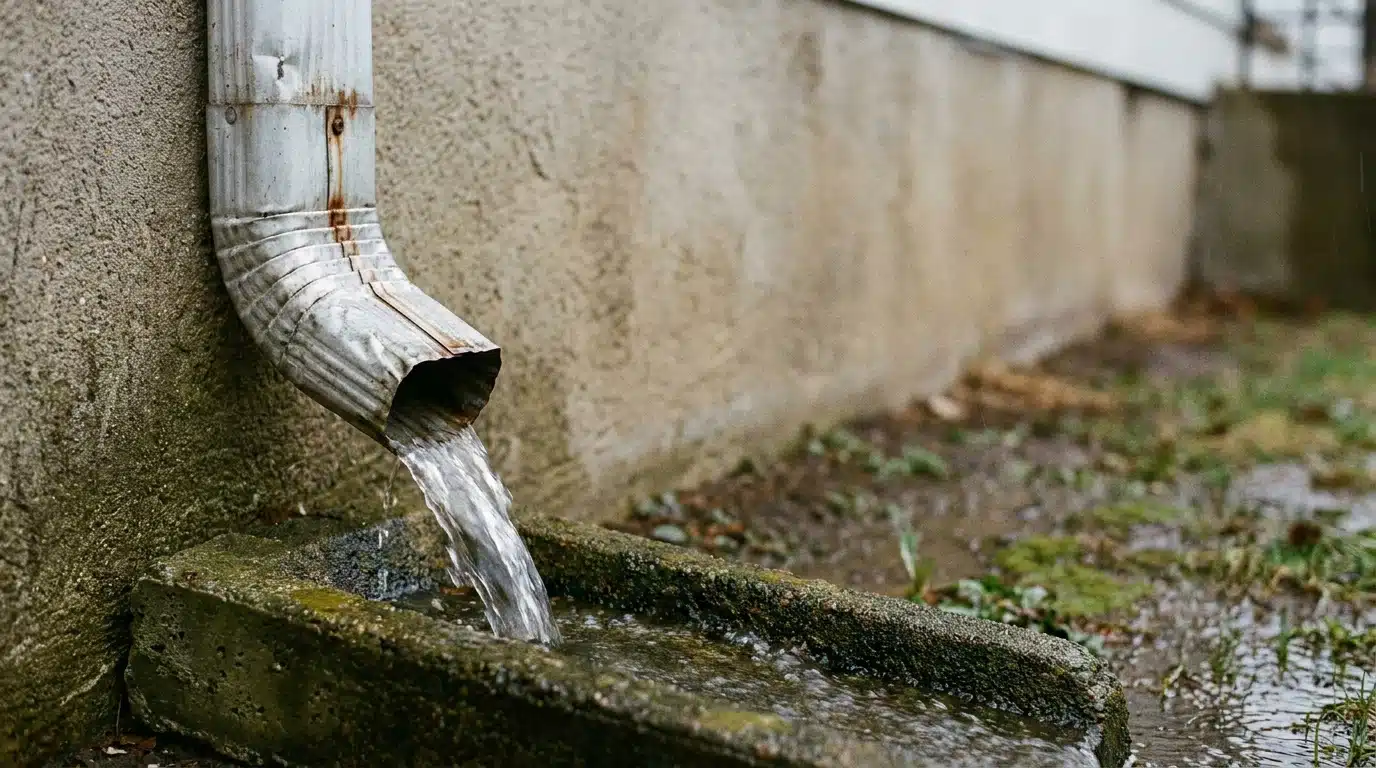
Downspouts should also be checked for clogs. Water should move away from the foundation instead of pooling near the home.
Keeping the system clear is one of the easiest ways to reduce wear and prevent water damage.
Inspect for Leaks and Loose Sections
Gutters can develop small cracks, holes, rust, or loose joints over time. These issues may seem minor, but they can allow water to damage siding, trim, or the soil around the house.
Look closely at corners and seams because leaks often begin in these areas.
Check the brackets and fasteners that hold the gutters in place. Loose sections may start to sag and stop draining the way they should.
If damage keeps returning or large parts of the system need work, homeowners may consider help from Burrard Roofing & Drainage Inc when reviewing repair or replacement options.
Catching problems early can make them easier to fix.
Watch How Water Moves Through the System
The gutter slope matters because water needs to move toward the downspouts.
If water sits in one section after rain, the gutter may be sagging or may not have the correct angle.
Watch the gutters during light rain if it is safe to do so. Look for overflowing water, dripping joints, or areas where water seems to stay still.
Check the bottom of the downspouts as well. Water should be directed far enough away from the house to reduce the chance of moisture problems.
Seasonal checks can help you spot changes before they become more serious.
Protect Gutters From Seasonal Damage
Different seasons can create different problems for gutters.
In fall, leaves can build up quickly. In winter, ice may add extra weight and cause gutters to bend or pull away from the roof.
Spring is a good time to check for damage after colder weather. Summer storms can also reveal weak drainage or loose sections.
Gutter guards may help reduce debris, but they still need occasional cleaning and inspection.
Trim nearby branches when needed so they do not drop large amounts of leaves or twigs onto the roof.
If the gutters are hard to reach, professional help may be safer than climbing a ladder.
Conclusion: Make Gutter Care Part of Home Maintenance
Gutter maintenance is a simple but important part of protecting your home.
Regular cleaning, leak checks, proper drainage, and seasonal inspections can help the system last longer.
Pay attention to sagging, rust, overflow, and standing water because these signs may point to larger issues.
A little routine care can help your gutters work better and lower the risk of costly water damage around the roof, walls, and foundation.

Tommy Hardy, an alumnus of the Georgia Institute of Technology with a degree in Mechanical Engineering, has been a go-to figure in residential upkeep and innovation for over 18 years. His career commenced in a leading home appliance manufacturing company, where he mastered the intricacies of household systems. Joining our platform in 2020, Tommy quickly became a reader favorite for his practical and easy-to-follow guides. He took the helm of our DIY section in 2019, consistently delivering content that empowers homeowners. Beyond his professional pursuits, Tommy is a passionate gardener and enjoys woodworking, skills enhancing his hands-on approach to home care.