
Most people never consider replacing a burned-out bulb. The glowing bulb was the previous standard, common in households and easily found at the grocery store. There is also technological improvement, which has led to a new turn in lighting: the light-emitting diode light, or LED light.
You have likely seen the change. Outdoor lighting like Car headlights, night lights, and streetlights are being substituted with LEDs. Indoor lighting like bedside lamps, ceiling lights are also replaced with LEDs. They are more than just a manufacturing trend and also a significant shift in how light is used.
Benefits of LED Lights
Performance is the main factor driving the massive shift to LED technology. Traditional bulbs consume a lot of energy in the form of heat. LEDs directly convert electrical energy into light, making the process much more efficient. However, the advantages extend beyond the manner in which they operate; it is the manner in which they perform in your day-to-day life.
Lightness and Light Quality
Among the initial observations people make when installing an LED light is
- Enhanced visibility and LEDs are unlike compact fluorescent lamps which usually need time to warm up
- LEDs become bright at any given moment. No blinking, no dark beginning; it is sharp, clear light the moment you turn the switch.
Eco-Friendly Advantages
As the world works to identify the route to reduce our impact on the Earth, the low-hanging result is in lighting. It conserves a lot of power in power plants, as LEDs consume significantly less energy, thereby minimizing greenhouse gas emissions into the atmosphere.
LED Lights for Outdoor Lighting
The same goes when the sun sets: everything depends on the lighting you set up on your property. The outdoor lighting should be sturdy, strong, and effective. In this field, LEDs are the best, as they can be constructed from solid-state components that are not easily broken and can endure vibrations and temperature changes.
Places Requiring Accent Lighting
- Walkways and paths
- Driveways
- Backyard edges
- Steps and level changes
- Entry doors
Installation of LED Lights in such places gradually enhances night-time safety.
Advantages of Outdoor Lighting
Outdoor LED Lighting advantages include:
- Energy efficiency: LED lights use much less electricity than conventional lighting, reducing energy costs.
- Weather Resistance: Built to resist rain, snow, and other unsympathetic climates, these products are suitable for all seasons.
- Longevity: The lifespan of outdoor LEDs is much higher since they need fewer replacements and less maintenance.
- Safety/Security: Bright LED light enhances visibility, helping prevent intruders and maintain safety in the dark.
- Landscape and Garden: Landscape lighting LEDs highlight trees, building features, or flowerbeds. Plus, they won’t raise your electric bill. LEDs run cool and don’t produce much heat.
LED Lights for Indoor Lighting
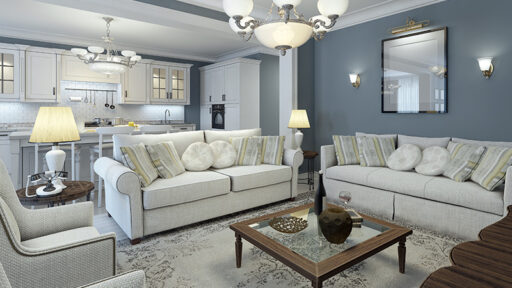
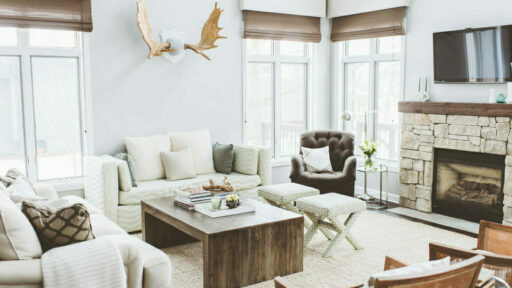
Different lighting creates an atmosphere in the house. It removes barriers and helps you get things done. The design of indoor lighting typically relies on three levels: ambient, task, and accent lighting.
Advantages of Indoor Lighting
Indoor LED Lighting advantages include:
- Brightness control: LED dimming can be configured to let users set lighting levels based on their desired light levels.
- Diversity of Styles: They are available in a variety of shapes and sizes, making them suitable for any setting.
- Minimal Heat Production: Compared to traditional bulbs, LEDs produce less heat, which is a pro for maintenance.
Conclusion
One of the simplest transformations of the home is installing LED technology. It does not need construction, a contractor, or much effort, but the consequences are immediate. You get more visibility and lower energy bills. Plus, you feel good about making eco-friendly choices.
Frequently asked questions (FAQs) about LED Lights
1. Are LED lights indeed more durable?
Yes. A regular incandescent bulb has a lifespan of approximately 1,000 hours. A compact fluorescent lamps might last 8,000 to 10,000 hours. However, an LED bulb has an estimated lifetime of 25,000-50,000 hours. If you spend three hours a day on light, one LED bulb can last more than 20 years.
2. Do I need LEDs with my dimmer switches?
It is one of the areas of misunderstanding. LEDs can be dimmed, but you have to purchase bulbs that are so marked. Along with this, dimmer switches that may have been used with incandescent bulbs in the past and do not regulate the low wattage LEDs will flicker or make a buzzing noise. You can replace your dimmer switch with one that is compatible with LED.
3 .Why are the LEDs more expensive to purchase?
Although the cost of an LED bulb was initially higher than that of a conventional bulb, it has dramatically reduced in recent years. What is more important is that the cost of ownership is lower. The LED pays back quickly when you consider the savings in power, and you will not need to replace the bulbs for 10 or more years.

With a Master in Architectural Studies from University of Pennysylvania, Marwa Haydar has pioneered living spaces since 2005. Her expertise, initially honed in a prestigious architectural firm, is evident in her approach to creating environments. Marwa became part of our team in 2019 and has since been a driving force in our home improvement section, known for her practical yet stylish solutions. She’s been spearheading our design workshops since then, infusing her passion for teaching into her work. In her leisure time, Marwa enjoys exploring historic architecture and is an enthusiastic pottery hobbyist, further enriching her understanding of form and texture.