
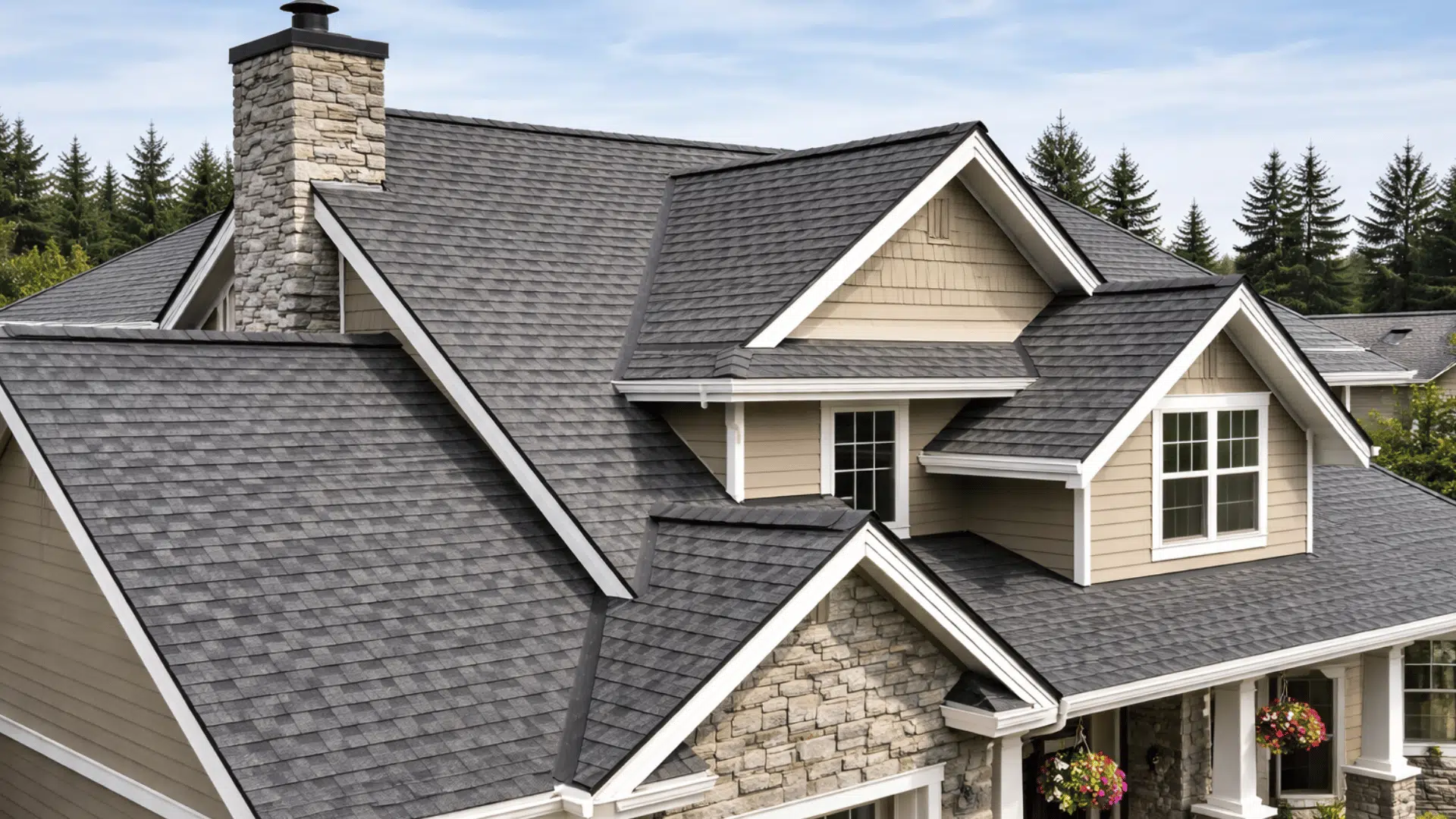

Every time it rains, your roof is the only thing standing between your home and serious water damage.
But most people have no idea what is actually up there. It is not just shingles. A roof is a carefully put-together system of individual parts, and each one has a job to do.
When even one of them fails, the problems that follow can get costly and fast. So before anything goes wrong, it helps to actually know what a roof is made of.
This guide breaks down all parts of a roof in plain, simple language.
The Real Reasons to Learn the Parts of a Roof
Most people only think about their roof when something goes wrong, and by then, it’s usually expensive.
A basic understanding of the different parts of a roof helps you spot trouble early, ask the right questions, and make smarter decisions.
- Better conversations with contractors: When you can say “the drip edge is lifting” instead of “something near the edge looks off,” you get faster, more accurate quotes and fewer surprises on the final bill.
- Smarter damage assessment: Knowing what each component does helps you figure out whether a small fix will hold or whether something bigger needs attention before winter hits.
- Confident DIY decisions: Some roof repairs are genuinely manageable for a handy homeowner. Knowing the parts helps you judge what’s in your lane and what isn’t.
- Essential for trade students and professionals: Roof anatomy is foundational knowledge in construction. Understanding how each layer works together is what makes a good roofer a great one.
- Informed replacement planning: When it’s time for a new roof, knowing the components means you can compare materials, understand what’s included in a contractor’s scope, and avoid paying for things you don’t need.
A Look at the Different Parts of a Roof and How They Work
A roof is built in layers, and each layer depends on the one beneath it. Here is a look at every part and what it actually does.
The Main Structural Components of a Roof

These are the core elements that give the roof its shape and strength. They form the base that supports all other layers.
1. Roof Deck (Sheathing)
The roof deck is the base layer, typically made from plywood or OSB. It sits atop the framing and holds everything together.
This layer provides structural support and acts as a surface for installing other materials. A strong deck is important because it carries the weight of shingles, underlayment, and even snow or debris.
If the deck gets damaged, the entire roof system can weaken over time.
2. Rafters and Trusses
Rafters and trusses form the main skeleton of the roof. Rafters are individual sloped beams that run from the ridge to the edges, while trusses are pre-built, triangular frames.
Trusses are often used in modern homes because they are strong and quick to install. Both systems support the roof deck and evenly distribute weight.
Choosing between them depends on design, cost, and construction needs.
3. Ridge Board
The ridge board sits at the highest point of the roof, where two slopes meet. It plays a key role in connecting the rafters and keeping them aligned.
This component helps maintain the roof’s shape and balance. Without a proper ridge board, the structure may shift or lose stability over time.
It also acts as a reference point during construction, ensuring everything stays level and properly spaced.
4. Joists
Joists are horizontal beams that help support the weight of the roof and ceiling. They connect the walls and distribute loads evenly across the structure.
These beams prevent the roof from spreading outward and add stability to the entire frame. Joists also support ceilings inside the home, making them an important part of both structure and interior design.
5. Roof Facets
A roof facet is simply each individual flat surface or plane that makes up your roof. A basic gable roof has two facets, while more complex hip or multi-gabled roofs can have four, six, or even more.
Each facet has its own slope, area, and drainage path, and understanding them matters when estimating materials for a repair or replacement.
The more facets a roof has, the more valleys, ridges, and transition points there are to waterproof and maintain.
Roof Covering: Materials That Protect Your Home

This layer is what you see from the outside. It protects the home from rain, heat, wind, and other weather conditions.
6. Roofing Underlayment
Roofing underlayment is a protective layer placed between the roof deck and the outer covering. It acts as a backup barrier against water if shingles or tiles become damaged.
This layer is usually made of felt or synthetic material and helps prevent leaks. It also adds an extra level of protection during heavy rain or storms, making the roof more reliable over time.
7. Shingles and Tiles
Shingles and tiles are the outermost layers of the roof and come in various materials, such as asphalt, wood, clay, and metal.
Asphalt shingles are affordable and easy to install, while clay tiles last longer but cost more. Wood gives a natural look but needs maintenance, and metal is durable and weather-resistant.
Each option has its own benefits and drawbacks, so the choice depends on budget, climate, and style preferences.
8. Starter Shingles
Starter shingles are the first row of shingles laid down along the eaves and rake edges before the main shingles go on. They create a solid, sealed base that prevents wind from lifting the first course of regular shingles.
They also block water from sneaking in through the gaps between shingle tabs at the very edge of the roof. It’s a small step in the installation process, but skipping it is one of the more common shortcuts that leads to early roof failure.
9. Ice and Water Shield
Ice and water shield is a special waterproof membrane used in areas prone to heavy rain or snow. It is usually installed along roof edges, in valleys, and around openings such as chimneys.
This layer prevents water from seeping into susceptible spots, especially when ice dams form. It adds an extra level of protection where leaks are most likely to happen, helping keep the roof secure in harsh conditions.
10. Ridge Capping
Ridge cap shingles are the finishing layer applied along the very peak of the roof once all other shingles are in place.
They cover the exposed ridge board and protect the most vulnerable line on the entire roof where the two slopes meet.
Without them, water, wind, and debris would have direct access right at the top. They also give the roofline a clean, finished look from the street.
Roof Edges and Their Key Components

The edges of a roof may seem minor, but they play a big role in protection and drainage. These parts help guide water away from the structure and keep it safe.
11. Eaves
Eaves are the edges of the roof that extend beyond the walls of the house. They help direct rainwater away from the walls and foundation, which reduces the risk of damage.
Eaves also provide shade and support for ventilation systems, such as soffits. Without proper eaves, water can drip directly down the walls, causing long-term issues.
12. Fascia
Fascia is the vertical board attached along the edge of the roof, right where the eaves end. It supports the gutters and gives a clean finish to the roofline.
This board also protects the inner structure from moisture and weather exposure. A strong fascia is important because it holds the gutter system in place and keeps water flowing correctly.
13. Soffit
The soffit is the underside of the roof overhang, located beneath the eaves. It plays a key role in ventilation by allowing air to flow into the attic.
This airflow helps prevent moisture buildup and keeps temperatures balanced inside the roof space. Soffits often have small vents that support this process and improve overall roof health.
14. Drip Edge
A drip edge is a metal strip installed along the roof edges. Its main job is to direct water away from the fascia and into the gutters.
This prevents water from seeping into the roof structure or causing wood to rot. It may seem like a small detail, but it adds an extra layer of protection against water damage.
15. Rake
The rake is the sloped edge found on the sides of a gable roof. It runs from the ridge down to the eaves and helps protect the roof from wind-driven rain.
It also gives the roof a neat, finished look. Properly built rakes can improve both function and appearance at the same time.
Flashing, Valleys, and Waterproofing Elements

Some areas of a roof are more likely to leak than others. These components are designed to seal gaps and keep water out.
16. Roof Flashing
Roof flashing is made of metal strips installed around joints and openings, such as chimneys, skylights, and walls. These areas are prone to leaks, so flashing helps seal them properly.
It creates a barrier that prevents water from entering through gaps. Good flashing is essential for keeping the roof watertight over time.
17. Valley Flashing
Valleys are the areas where two roof slopes meet, and they handle a lot of water flow. Valley flashing is installed here to guide water safely down the roof.
There are open valleys, where the metal is visible, and closed valleys, where shingles cover it. Both types help prevent leaks, but the choice depends on design and climate.
18. Step Flashing
Step flashing is used along walls and dormers where the roof meets a vertical surface. It consists of small metal pieces, each row of shingles layered with the next.
This layered method helps create a tight seal that blocks water from entering. It’s especially important in areas where water can easily collect or run down walls.
Roof Ventilation and Drainage Systems

Proper airflow and drainage are key to keeping a roof in good shape. These systems help manage heat, moisture, and water flow.
19. Ridge Vent
A ridge vent runs along the peak of the roof and allows hot air to escape from the attic. It works as part of a ventilation system that keeps air moving.
By releasing trapped heat, it helps prevent damage caused by high temperatures and moisture buildup.
20. Soffit Vents
Soffit vents are located under the eaves and bring cool air into the attic. They work together with ridge vents to create a steady airflow.
This balance keeps the attic dry and helps maintain a stable temperature inside the roof structure.
21. Gutters and Downspouts
Gutters collect rainwater from the roof and direct it into downspouts. The downspouts then carry the water away from the foundation of the house.
This system prevents water from pooling around the base, which can lead to structural damage. Keeping gutters clean is important for proper drainage.
Special Roof Features and Add-Ons

Some roofs include extra features that enhance functionality or improve the home’s appearance. These elements also need proper installation to avoid issues.
22. Skylights
Skylights are windows installed directly into the roof slope to bring natural light into the space below. They can make a room feel bigger and brighter without any electrical work.
The key is proper installation and flashing all the way around because a poorly sealed skylight is one of the more common sources of leaks. When done right, they add real value to a home.
23. Dormers
A dormer is a structure that projects vertically out of a sloped roof and usually contains a window. It adds headroom, usable space, and significant visual interest to a roofline.
Because it breaks through the main roof plane, it creates new joints that must all be properly flashed and waterproofed.
They’re a great addition, but they do require careful construction and ongoing attention.
24. Chimney
The chimney passes entirely through the roof, creating four potential points of water entry where it meets the roof surface.
That’s why proper flashing around a chimney is so critical to keeping water out. Counter flashing, step flashing, and a saddle behind the chimney work together to safely divert water into the gutters.
Most chimney leaks stem from a flashing issue rather than the chimney itself.
25. Hip and Gable Ends
A gable roof has two slopes meeting at a central ridge with open triangular ends, and it’s simple, cost-effective, and easy to ventilate.
A hip roof slopes on all four sides with no vertical ends and handles high winds better because it distributes the load more evenly. Both are widely used, and the right choice depends on your climate, budget, and home design.
Final Thoughts
Knowing the parts of a roof makes everything easier, from planning repairs to handling regular maintenance. When you know how each section works, it becomes simpler to spot issues early and take the right steps.
Every part of a roof has a purpose, and even a small problem in one area can affect the whole system. That’s why learning the basics can help save both time and money in the long run.
For landowners, professionals, or anyone curious, this knowledge makes conversations and decisions clearer. Keep this guide in mind when checking your roof or working with a contractor.

Tommy Hardy, an alumnus of the Georgia Institute of Technology with a degree in Mechanical Engineering, has been a go-to figure in residential upkeep and innovation for over 18 years. His career commenced in a leading home appliance manufacturing company, where he mastered the intricacies of household systems. Joining our platform in 2020, Tommy quickly became a reader favorite for his practical and easy-to-follow guides. He took the helm of our DIY section in 2019, consistently delivering content that empowers homeowners. Beyond his professional pursuits, Tommy is a passionate gardener and enjoys woodworking, skills enhancing his hands-on approach to home care.