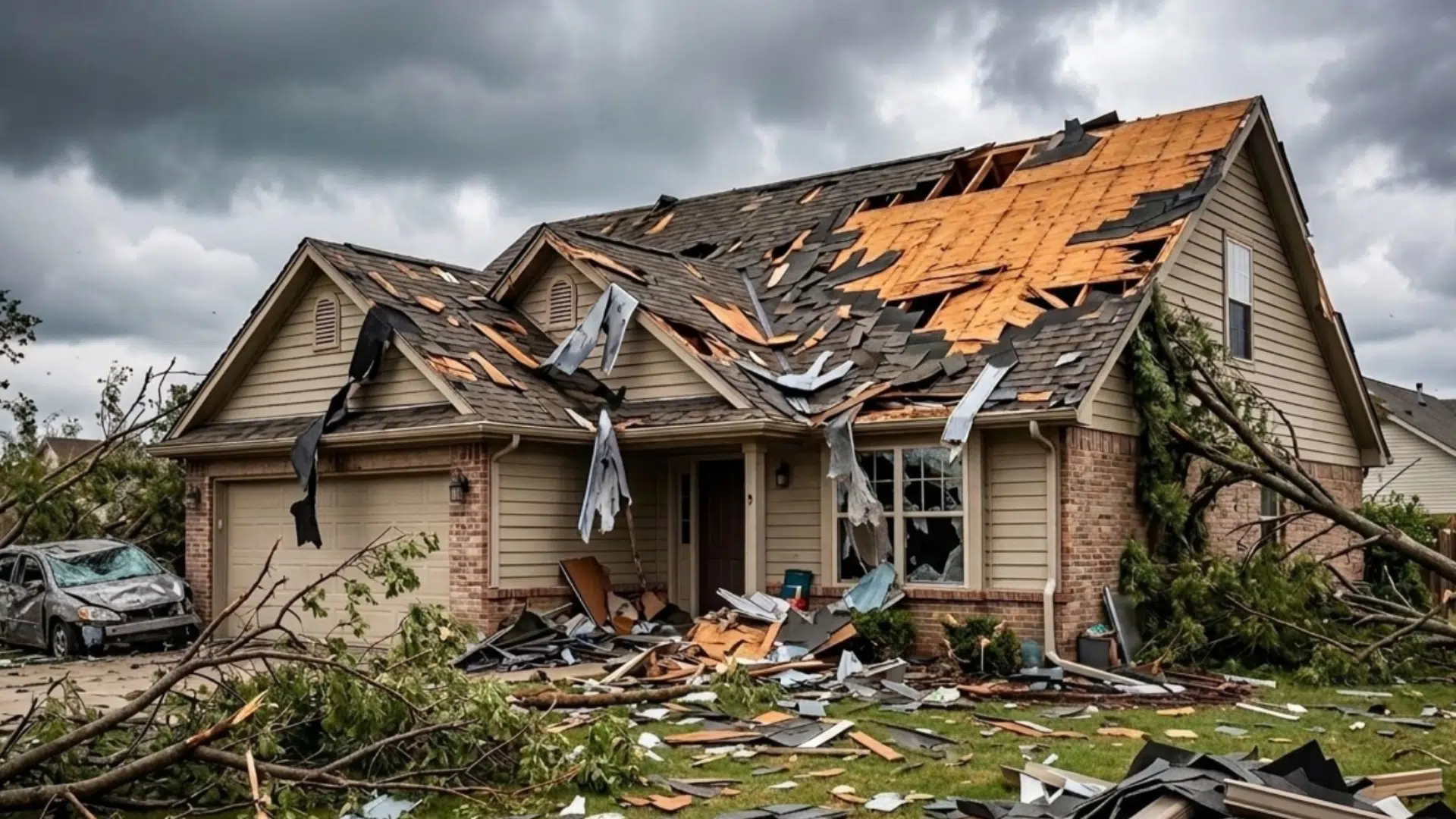

A storm can hit without warning, and when it does, the roof takes the worst of it.
Most people don’t realize how serious the damage is until water starts dripping through the ceiling, and by then, repair bills have already climbed.
That’s the reality of storm damage roof repair. But with the right knowledge, people can spot problems early, understand what fixes cost, and avoid making expensive mistakes.
This guide breaks down the clear warning signs of storm damage, what repairs typically cost, and practical expert tips so people can act fast and make smart decisions before small issues turn into bigger ones.
What Storm Damage Can Really Do to Your Roof?
Storm damage isn’t always obvious, but it can be more serious than it looks. Strong winds can loosen or remove shingles, while heavy rain can seep into small cracks, weakening the structure over time.
This hidden damage can lead to leaks, mold growth, and even rotting beneath the surface. Hail can also cause subtle dents that reduce your roof’s durability.
The biggest risk is waiting too long. What seems minor can quickly turn into costly repairs, making early inspection and repair essential.
Signs You Need Storm Damage Roof Repair
Identifying issues early allows people to schedule storm-damage roof repairs before small problems develop into costly structural damage.
Exterior Signs of Roof Storm Damage
Exterior damage is often the first indication that your roof has been affected by a storm. Strong winds, hail, and flying debris can impact shingles, flashing, and other roofing components.
Checking the exterior of your roof can help determine whether roof storm damage repair is necessary.
- Missing, cracked, or curled shingles
- Granules are collecting in gutters or around downspouts
- Visible dents or punctures on roofing materials
- Loose flashing or damaged gutters
Interior Signs of Roof Storm Damage

Storm damage is not always visible from outside the home. Sometimes, the earliest warning signs appear inside the house when moisture enters through damaged roofing.
Interior indicators often suggest underlying issues that require a professional storm-damage roofing inspection.
- Water stains on ceilings or walls
- Damp insulation in the attic
- Mold or mildew growth
- Unexplained musty odors
Immediate Steps to Take After Storm Damage
After a severe storm, taking quick and careful action can help prevent further roof damage and costly repairs.
Knowing the right steps to follow can protect your home and make the storm damage roof repair process smoother and more effective.
- After the storm passes, do a safe visual inspection from ground level
- Look for missing shingles, loose roofing materials, fallen branches, or debris on the roof
- Avoid climbing onto the roof, as storm damage can weaken its structure
- Inspect the attic, ceilings, and walls for signs of water intrusion
- Look for water stains, damp insulation, dripping water, or musty odors
- Take clear photos and videos of all visible damage from multiple angles
- Capture close-up images of damaged roof areas, gutters, and siding
- Good documentation supports insurance claims and helps contractors assess the damage
- Cover exposed roof areas with a waterproof tarp to keep rainwater out
- Clear debris from gutters and the roofline to improve drainage
- Reach out to a licensed roofing professional for a detailed inspection
Common Types of Storm Damage to Roofs
Storms can cause various types of roof damage, often weakening the structure and increasing its vulnerability to leaks.
Strong winds can loosen shingles, hail can create cracks or dents, and heavy rain may seep through damaged areas. Flying debris or fallen branches can also break roofing materials and expose the roof to further damage.
1. Wind Damage

Strong winds can lift, curl, or completely remove shingles. Once shingles are missing, the underlying roof structure becomes exposed to water infiltration and further damage.
Wind can also loosen flashing around vents, chimneys, and skylights, which increases the risk of leaks.
If left unaddressed, even minor wind damage can lead to more serious structural problems and costly repairs over time.
How to Repair: Replace or fix damaged shingles and seal any loose flashing to prevent water from entering. If the damage is widespread or hard to access, hire a professional for safe and proper repair.
2. Hail Damage

Hailstones can dent metal roofs, crack shingles, and knock off protective granules. This type of damage may look minor at first, but it often requires professional storm damage roof repair to prevent leaks.
Granule loss reduces the roof’s ability to protect against UV rays and weather exposure, which can shorten the lifespan of roofing materials.
Hidden hail damage can worsen over time, eventually leading to moisture intrusion and interior damage.
How to Repair: Repair hail damage by replacing cracked shingles, sealing affected areas, and addressing granule loss to restore protection. For hidden or widespread damage, hire a professional to prevent leaks and long-term roof issues.
3. Water Damage

Heavy rainfall can seep through weakened areas of the roof. Over time, this moisture can damage insulation, ceilings, and structural components.
Water intrusion often leads to stains on ceilings and walls, peeling paint, and deteriorating drywall.
If the issue persists, it can also create an environment for mold and mildew growth, which may affect indoor air quality and require extensive repairs.
How to Repair: To fix water intrusion, people should first locate the weakened or cracked areas on the roof and seal them using waterproof roofing caulk or patching material. If moisture has already reached the insulation or drywall, those sections need to be replaced, and the area treated with a mold-resistant solution before resealing.
4. Debris Impact

Falling branches, tree limbs, and debris during storms can puncture roofing materials or break shingles, creating openings that require immediate repair.
Larger debris can also damage gutters, flashing, and roof decking, allowing water to penetrate the structure.
Even smaller debris can accumulate and trap moisture on the roof surface, increasing the risk of long-term deterioration if not cleared promptly.
How to Repair: Clear debris immediately, repair or replace damaged shingles, and fix any punctures or broken flashing to prevent water entry. If structural damage or roof decking is affected, contact a professional for proper repair.
Final Thoughts
Storms can cause serious roof damage that may not be immediately visible. Taking quick action with proper storm damage roof repair helps prevent leaks, structural issues, and costly repairs later.
Identifying warning signs early and inspecting your roof after severe weather can make a significant difference in protecting your home.
Timely roof storm damage repair also helps maintain the durability and safety of your roofing system. Small problems like loose shingles or minor leaks can quickly worsen if left untreated.
Working with experienced professionals ensures reliable storm damage roofing solutions. With the right repairs and regular inspections, people can keep their roofs strong and better prepared for future storms.

Tommy Hardy, an alumnus of the Georgia Institute of Technology with a degree in Mechanical Engineering, has been a go-to figure in residential upkeep and innovation for over 18 years. His career commenced in a leading home appliance manufacturing company, where he mastered the intricacies of household systems. Joining our platform in 2020, Tommy quickly became a reader favorite for his practical and easy-to-follow guides. He took the helm of our DIY section in 2019, consistently delivering content that empowers homeowners. Beyond his professional pursuits, Tommy is a passionate gardener and enjoys woodworking, skills enhancing his hands-on approach to home care.