
To choose the right fencing material, you must consider the balance between cost, durability, maintenance, and appearance. Depending on your climate, weather resistance is another important factor. A well-chosen fence can improve privacy, define boundaries, and even enhance your curb appeal. Fences also make outdoor spaces more functional by creating boundaries.
However, choosing among different fencing materials raises questions. Wood offers natural beauty at a lower upfront cost, while vinyl and composite have low maintenance needs. Understanding your options makes this easier, and this article will guide you on the pros and cons of each of these materials.
Wood Fencing
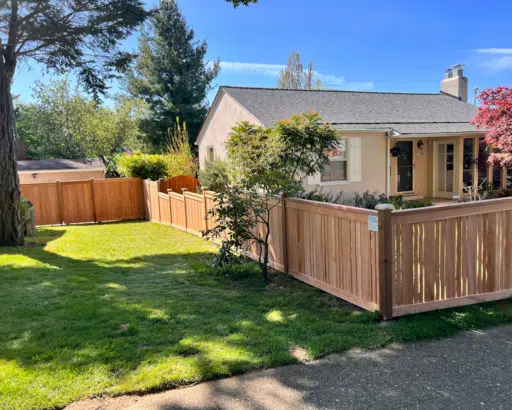
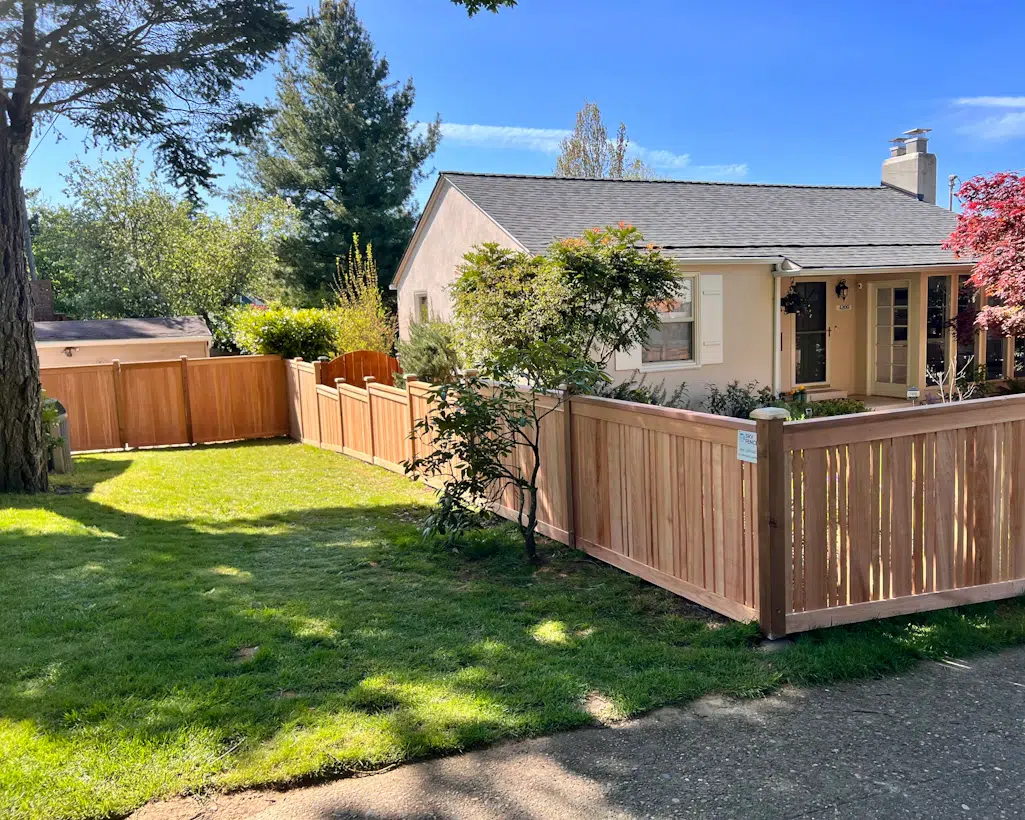
Due to its natural appearance and versatility, wood fencing is a favorite among homeowners. It complements both traditional and modern homes. However, there are pros and cons to this choice.
- Pros: Wood offers excellent privacy, allows flexible styling, and has customisable finishes. With an average lifespan of 15 to 20 years, it can also be painted or stained to complement your home’s exterior.
- Cons: It requires regular maintenance, including sealing or wood staining. Moisture, insects, and prolonged sun exposure can cause its deterioration.
In rainy or humid climates, protective treatments and proper drainage help prevent moisture damage. Just set posts in gravel or concrete and keep boards off the soil.
Vinyl Fencing
If you want relatively simple upkeep for your fencing, vinyl is a good choice. It is made from PVC and is popular for its clean appearance. Vinyl fencing typically lasts between 20 and 30 years.
- Pros: It resists rot and moisture, with no requirement for painting. Vinyl comes in privacy, picket, and decorative styles, so you have options.
- Cons: Vinyl costs more initially than basic wood. Extreme temperatures may also affect its performance, while damaged sections can be difficult to refinish.
Through reduced maintenance, you can get good long-term value from vinyl. Choose UV-resistant products for sunny locations and quality materials for colder climates.
Aluminum Fencing
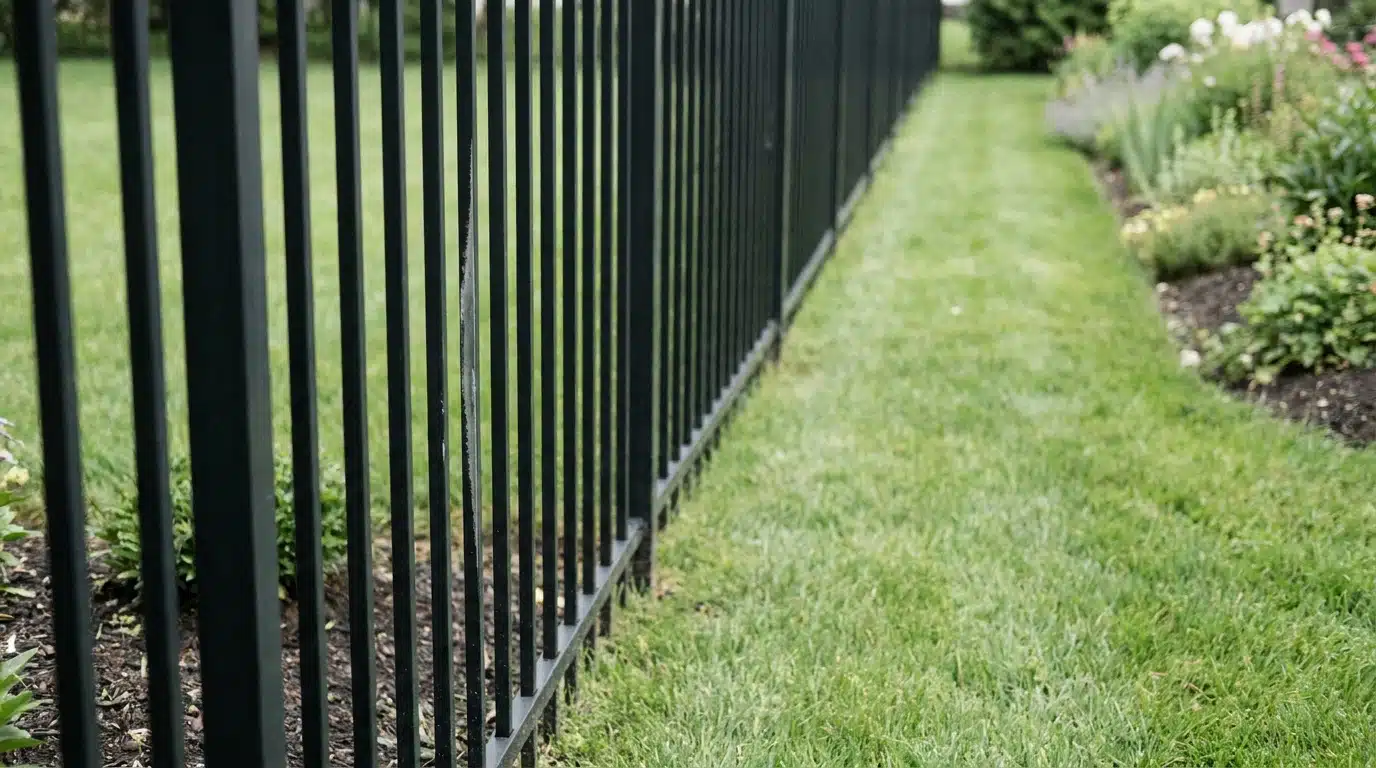
For the combination of durability and elegance, aluminum fencing gets the job done. It is commonly used around gardens, patios, and pool areas. Like vinyl, it has an average lifespan of 20 to 30 years.
- Pros: Aluminum fencing is lightweight and corrosion-resistant. This makes it relatively easy to maintain. Its open design preserves visibility, while ornamental finishes complement different architectural styles.
- Cons: Standard aluminum fencing offers limited privacy. Also, significant impacts can bend individual sections. However, if you opt for decorative designs, this can increase the cost.
Powder-coated finishes help resist corrosion. Black aluminum fencing adds a polished look against green lawns, flowering beds, and contemporary homes. You could also add vines or hedges for softness and privacy.
Composite Fencing
Composite fencing combines wood fibres and plastic to create a material with a wood-inspired appearance and reduced maintenance requirements. It outlasts other fencing materials, averaging 25 to 30 years.
- Pros: The finish is consistent, and the material provides good moisture resistance. It never needs staining and has less maintenance than traditional wood.
- Cons: Its initial cost is relatively high, and it is heavy to install. Some products can fade or retain heat in direct sunlight. In damp shade, there may be mold growth.
Always check specifications with your chosen fence company Naperville for temperature exposure and drainage requirements. Composite works well with modern homes, raised planters, and minimalist landscaping.
Feature | Wood | Vinyl | Aluminum | Composite |
Cost | Low to High | Moderate to High | Moderate to High | High |
Lifespan | 15 to 20 years | 20 to 30 years | 20 to 30 years | 25 to 30 years |
Maintenance | High | Low | Very Low | Low |
| Privacy | Excellent | Excellent | Poor | Excellent |
| Durability | Good with care | Good | Very Good | Good |
| Weather Resistance | Moderate | Good | Excellent | Good |
| Best Use | Budget privacy | Easy-care privacy | Decorative boundaries | Modern yards |
| Biggest Drawback | Upkeep, rot | Brittle, if cheap | No privacy | Highest cost |
Endnote
The best choice of fencing material depends on your property’s needs, budget, and preferred appearance. Before investing in a material, compare the advantages and limitations carefully. Your choice should improve your home’s exterior and provide lasting practical value.

With a Master’s in Architecture from the University of California, Berkeley, Alexander Martin has dedicated the last 18 years to enhancing outdoor living through thoughtful and robust structure design. His career kicked off in urban planning, giving him a unique perspective on integrating structures into diverse environments. In 2019, Alexander brought his expertise to our website, offering insights into creating versatile outdoor spaces. Since then, he has been the lead advisor for our outdoor design projects and is known for his ability to merge functionality with environmental consciousness. Alexander enjoys rock climbing outside of work and participates in community development projects, activities that reflect his passion for the outdoors and sustainable design.