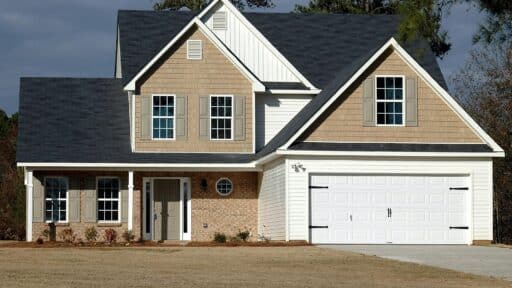
South East Queensland is among the fastest-growing parts of the country, and state planning for the region is built around continued population growth and the housing needed to meet it. Land in the growth corridors keeps being released as a result, which is why building a new home in Queensland is still a realistic alternative to buying established in a way it is not everywhere.
Where you build shapes what you can build. Lot size, frontage width and estate design guidelines settle your floorplan long before you get to the enjoyable part of choosing a facade. One way to keep those decisions aligned is a package, where a block and a design chosen to suit it are sold together rather than sourced separately. You can browse house and land packages in QLD by region, and since the same designs are often available across several areas, it is a practical way to see how one floorplan sits on quite different land. Choose a block in isolation and you can find yourself redesigning around it.
Brisbane
Brisbane’s established suburbs hold little vacant land, so building there generally means working with a block that already has a house on it. The appeal is real: you keep the neighbourhood, the schools and the commute, and start fresh with everything else. Newer estates do exist within the wider Brisbane region, around Rochedale among others.
Frontage is usually the governing constraint. A well-planned home on a 10m frontage can carry four bedrooms, a central open-plan living hub and a covered alfresco without feeling tight, provided circulation sits where it belongs and light is borrowed through a void or high windows. Side setbacks limit where windows can go on tighter blocks, so cross-ventilation needs designing from the first sketch.
One check before you commit: homes built in 1946 or earlier may sit within a character overlay, which makes demolition accessible rather than assumed. Confirm the overlay on a block before planning a rebuild.
Logan
Logan is where the land area starts working in your favour. In the larger master-planned communities such as Yarrabilba, blocks of roughly 450 to 600 square metres are common, which comfortably accommodates a four-bedroom home with a generous yard left over.
Greenbank takes the opposite approach. Smaller lots near 300 square metres are typically paired with homes of a similar floor area, which works because the design goes up rather than out. Both are valid. Which suits you comes down to whether you want a backyard or a third living zone, because at these block sizes getting both is difficult.
Worth asking early in a growth corridor: whether the land is registered or still to be titled. Untitled lots in a future stage can delay a build start considerably, and that timing affects your finance as much as your floorplan.
Ipswich
Ipswich is the most interesting of the five if you have not settled on a design yet. Estates such as White Rock and Providence release lots across a wide span, from compact parcels under 300 square metres through to family blocks above 500, so a neat three-bedroom home and a five-bedroom one are both realistic within the same corridor.
That range is worth taking seriously, because the covenants attached to newer estates do real work in deciding what can go on a given block. Facade materials, roof pitch, fencing and minimum floor areas are the sorts of things they commonly specify, and terms are not identical from one estate to the next. Read them before you fall in love with a design.
Site costs are the variable buyers tend to underestimate. Soil classification, fall across the block and any retaining requirements all feed into the final figure, so ask for a site inspection before contracts rather than after.
Sunshine Coast
Around Bells Creek and the wider Aura community, lots in current releases tend to sit in the 470 to 700 square metre range, carrying larger family homes.
That space changes what good design looks like. You can orient living zones to catch the summer north-easterlies rather than bake under afternoon western sun, set the alfresco where it stays usable through February, and still keep a lawn. Houses here are often lived in with the doors open for much of the year, and the floorplans that work best treat the outdoor space as another room rather than an add-on.
A larger block does not always mean a larger buildable area. Easements, setbacks and any overland flow path across the site reduce what you can actually build on, so check the usable footprint rather than the titled area.
Moreton Bay
Moreton Bay is where compact buildings come into their own. Smaller blocks in the newer estates around Morayfield carry four-bedroom homes on modest footprints, and the appeal is straightforward: less external area to maintain, and a lower entry point than the equivalent home on a larger parcel.
Compact is not the same as cramped. What separates a good small home from a frustrating one is usually storage and acoustic separation, from a walk-in pantry that keeps the bench clear to bedrooms positioned well away from the living hub.
On a narrow block, check the garage first. Lot width, together with the rules capping how much of the frontage a garage may occupy, decides whether a double garage sits side by side or in tandem, and that single detail reshapes the whole front of the home.
Choosing Where to Build a New Home in Queensland
Shortlist two or three home designs before you shortlist blocks. It is easy to do this in reverse, fall for a parcel of land, then discover the design you had in mind needs another metre of frontage.
Take the floorplan to the land. Check frontage, fall, orientation and estate guidelines against a design you already know you want, and the decision tends to make itself.

Licensed broker Logan Patel holds an MBA in Urban Economics from UCLA and has steered buyers and investors through market swings for a decade. He joined us in 2024 to demystify listings, financing, and neighborhood data with clear, chart-backed advice. When he isn’t scanning comps, Logan coaches youth basketball and scouts mid-century districts for hidden architectural gems on weekend walks.