


Smart bettors rely on more than rankings alone, since college football success depends heavily on situational trends and player availability throughout the season. Anyone serious about online college football betting has to look past the box score and study patterns that repeat week after week. Injuries, depth charts, and situational tendencies often move lines long before casual fans notice, and the bettors who catch these shifts early are usually the ones cashing tickets by the end of the season.
Team trends reveal how a program performs under specific circumstances, such as playing on short rest or facing a ranked opponent on the road. These patterns often matter more than a team’s overall record, especially in college football online betting markets where public perception can skew the numbers. Bettors who track this data consistently gain an edge over those who bet on name recognition alone.
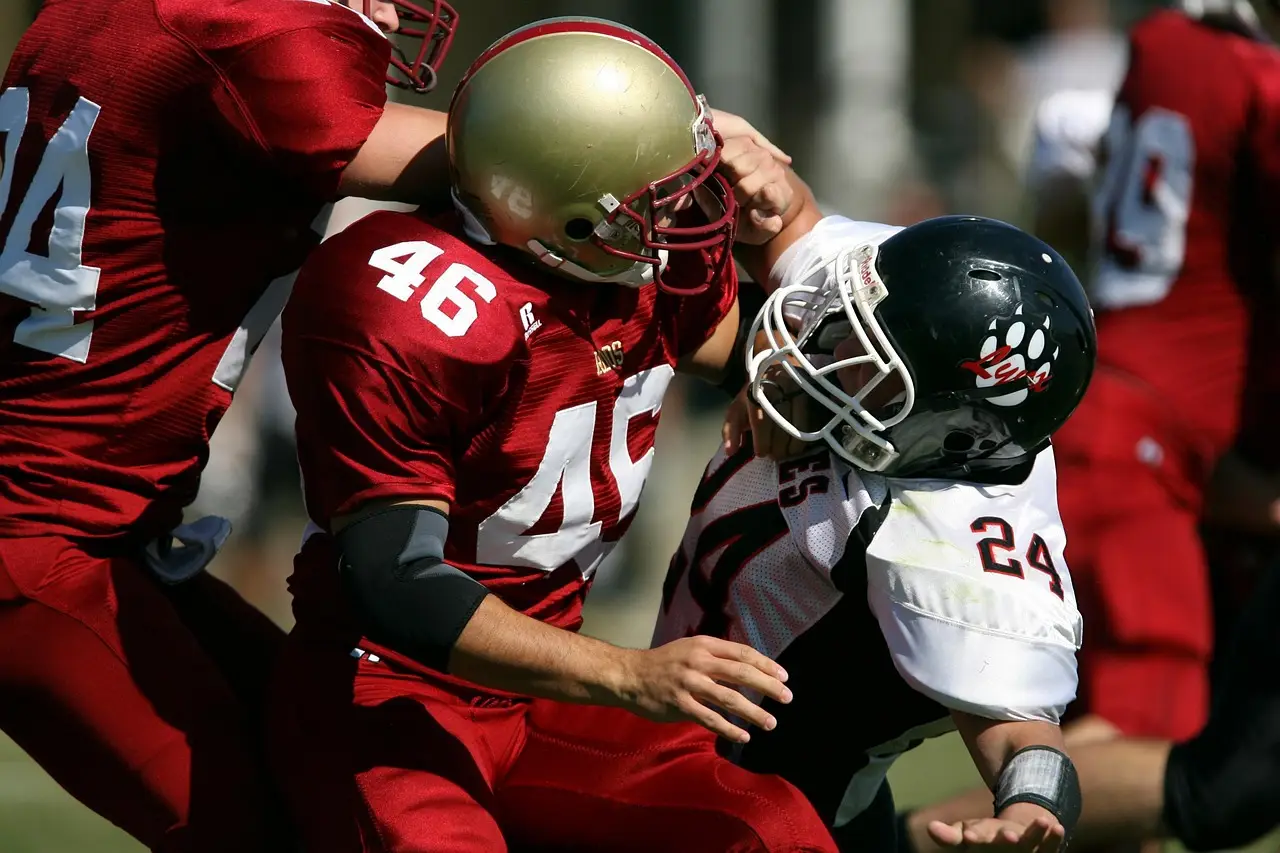
Bettors who follow NCAA bets throughout the week often get a clearer read on how the market is shaping up before kickoff. This kind of research adds real value to the process, since it separates informed decisions from guesswork. Checking these numbers as game day approaches can reveal which side is drawing more attention.
Why Team Trends Matter More Than Rankings
Rankings are built on cumulative results, but they rarely account for the context behind those results. A team ranked highly might have padded its record against weaker opponents, while a lower-ranked team could be peaking at exactly the right time. Voters and computer models lag behind what is actually happening on the field week to week.
Home and Away Splits
Some teams perform dramatically better at home than on the road, and this gap can be the difference between covering a spread and losing outright. Crowd noise, travel fatigue, and unfamiliar environments all contribute to these splits. Reviewing several seasons of home and away data gives a clearer picture than looking at a single game in isolation.
Performance Against the Spread
A team can win games consistently while still failing to cover the spread, which matters enormously for bettors. Tracking that record over multiple seasons highlights whether a team is genuinely strong or simply benefiting from a soft schedule. This gap between win totals and spread performance is one reason public bettors so often end up on the wrong side of a line.
Scheduling Spots and Bye Weeks
Coaches and oddsmakers pay close attention to what a team faced the week before, since fatigue and preparation time change outcomes. A squad coming off a physical rivalry game may look sluggish against a fresh opponent, while a team returning from a bye week often shows improvement in fundamentals and health. These scheduling quirks recur in historical data and deserve a place in any research routine.
How Injury Reports Shape Line Movement
Injuries can shift a line by several points within hours of a report becoming public. Sportsbooks adjust quickly once a starting quarterback or key defensive player is ruled out, and sharp bettors move even faster.
Waiting too long to act on injury news often means missing the best available number entirely. This is especially true early in the week, before the wider betting public has fully reacted to the news.
Key Position Injuries
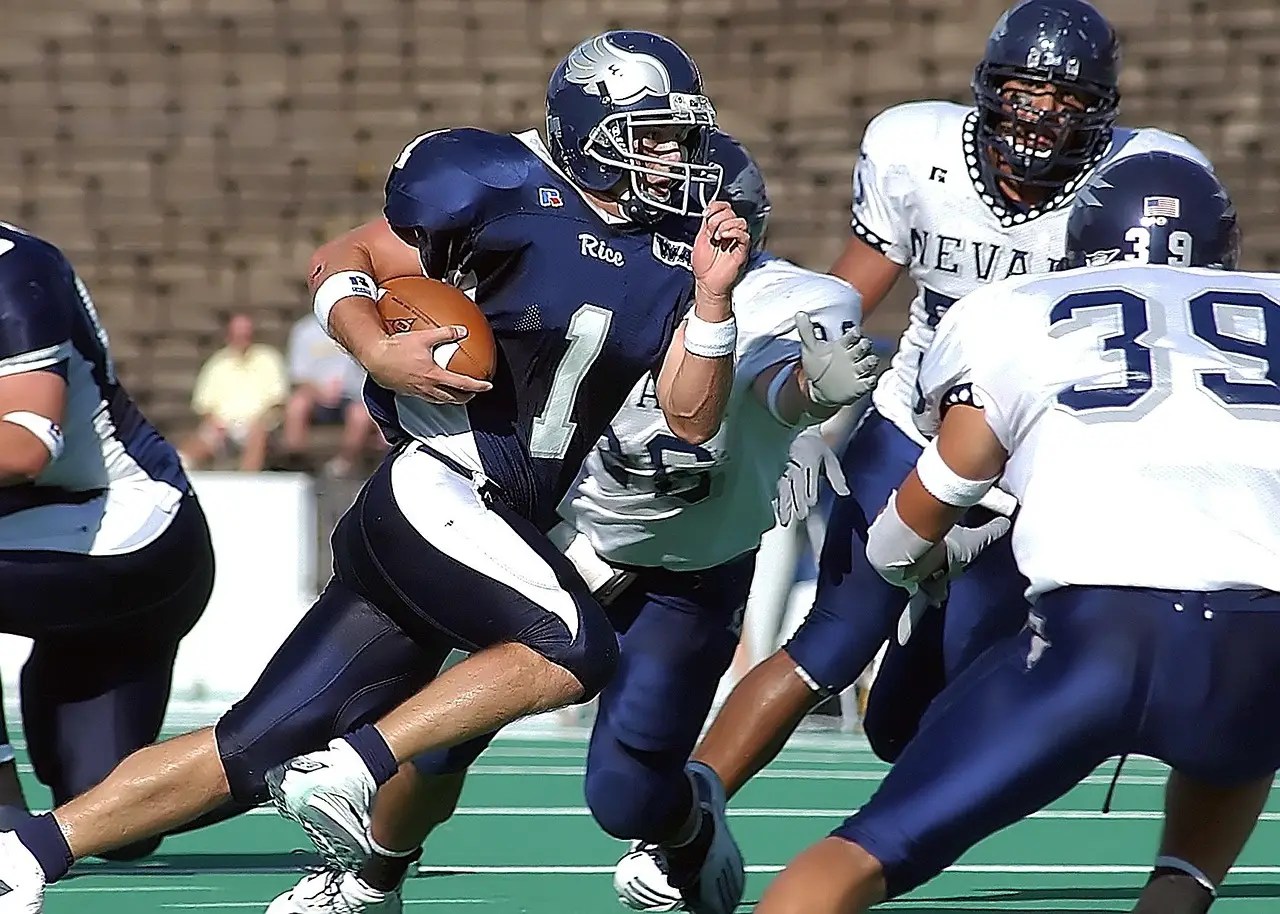
Quarterback injuries tend to cause the largest line movements, since offensive production often depends on one player more than any other position. Losing a starting quarterback can turn a projected win into a genuine toss-up almost overnight.
Depth Chart Awareness
Understanding a program’s depth chart helps bettors gauge how much a single injury will actually hurt performance on the field. Some teams have capable backups ready to step in without much drop-off, while others rely heavily on a small group of starters. This context turns a basic injury report into something genuinely useful for decisions related to online betting on college football.
Reading Practice Reports
Beat writers and local reporters often provide the earliest and most reliable updates on a player’s practice status during the week. A player listed as limited on Wednesday but full by Friday is usually trending toward playing, while the reverse pattern often signals trouble. Following these local reports closely can give bettors a small window of information before the wider market reacts.
Combining Trends and Injuries for Smarter Picks
The most reliable approach blends trends and injury data rather than relying on either factor alone. A team with a strong historical trend might still struggle if it enters a game missing multiple starters. Cross-referencing these two elements often reveals value that the broader betting market has not yet fully priced in.
This process takes patience, since building a reliable read on a team requires watching several games. Bettors who commit to this kind of research tend to achieve more consistent long-term results. Keeping simple notes on each matchup, including injuries and recent trends, makes future comparisons far easier than relying on memory.

Film-buff journalist Felix Moreno earned his Film Studies degree at NYU and has reviewed cinema and streaming culture since 2012. Joining us in 2025, he spotlights must-watch releases, crafts spoiler-free synopses, and interviews behind-the-scenes talent. Felix’s playful trivia keeps readers ahead of the pop-culture curve. Offscreen, he runs a community film club and experiments with short-film screenwriting in his Brooklyn studio.