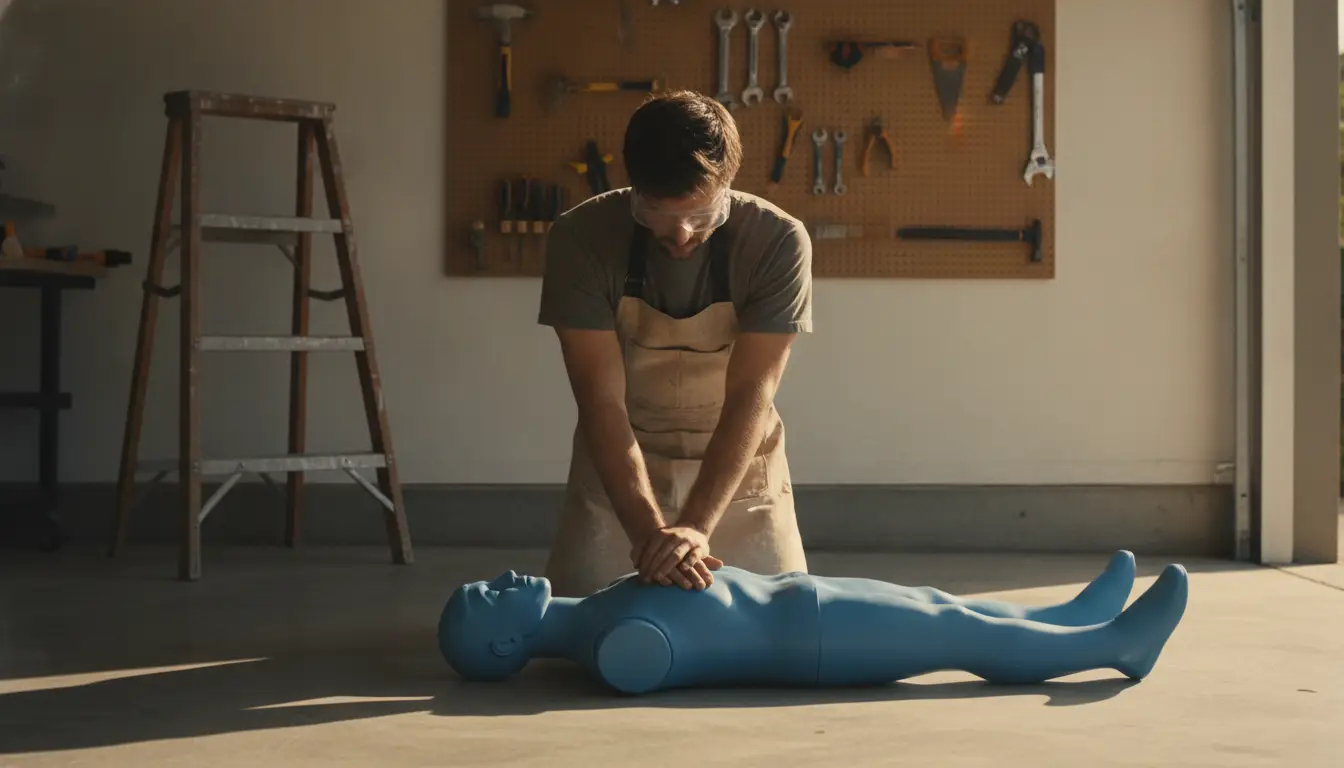

Most home renovation injuries are minor until the moment they are not, and what happens in the first few minutes after a bad fall or a deep cut usually matters more than which emergency room a homeowner eventually reaches.
Coast2Coast First Aid and Safety, an American Red Cross Authorized Training Provider, sees this pattern across home projects, from a garage workshop in Eagle Rock to a backyard deck build in Silver Lake.
A renovation crew in North Hollywood faces different risks than a solo homeowner rewiring a fixer-upper near the Arts District, one reason more DIY-minded residents are looking into CPR training near Long Beach before picking up a power tool.
Key Takeaways
- Serious DIY injuries such as falls, deep lacerations, and electrical shock become more dangerous in the minutes before help arrives, not after.
- Ladder work and power tools account for a large share of home project emergency room visits every year.
- A properly stocked kit and basic first aid know-how cover most home workshop scenarios, but only if someone on-site knows how to use them.
- Coast2Coast First Aid and Safety includes a free 90-day skills practice retake with every certification, useful for anyone who wants extra reps before a big project.
- Certification is not a weekend commitment. Most courses combine short online theory with a single hands-on skills session.
What Are the Most Common DIY Injuries That Need Immediate First Aid?
Ladder falls, table saw and power tool lacerations, electrical shock, nail gun injuries, and eye injuries from flying debris make up most of the calls instructors hear about after a home project goes sideways.
Each of these has a narrow window where the right response changes the outcome: controlling bleeding before it becomes severe, recognizing when a fall needs more than an ice pack, or knowing not to remove an object embedded in the eye. None of it requires medical training, but it does require knowing the steps before the moment arrives, not during it.
A Home Workshop First Aid Checklist
Homeowners can screenshot this before the next project starts:
- Stock a kit rated for cuts, burns, and eye injuries, not just adhesive bandages.
- Keep a charged phone and the exact address visible near the work area. Seconds count when directing paramedics to a backyard or garage.
- Know the correct compression rate and depth for adult CPR before it is needed, not while it is happening.
- Shut off power tools and disconnect batteries before treating any electrical or blade injury.
- Re-check the injury a few minutes after initial treatment. Some wounds look controlled and are not.
Why Do Bigger Renovation Projects Carry More Risk?
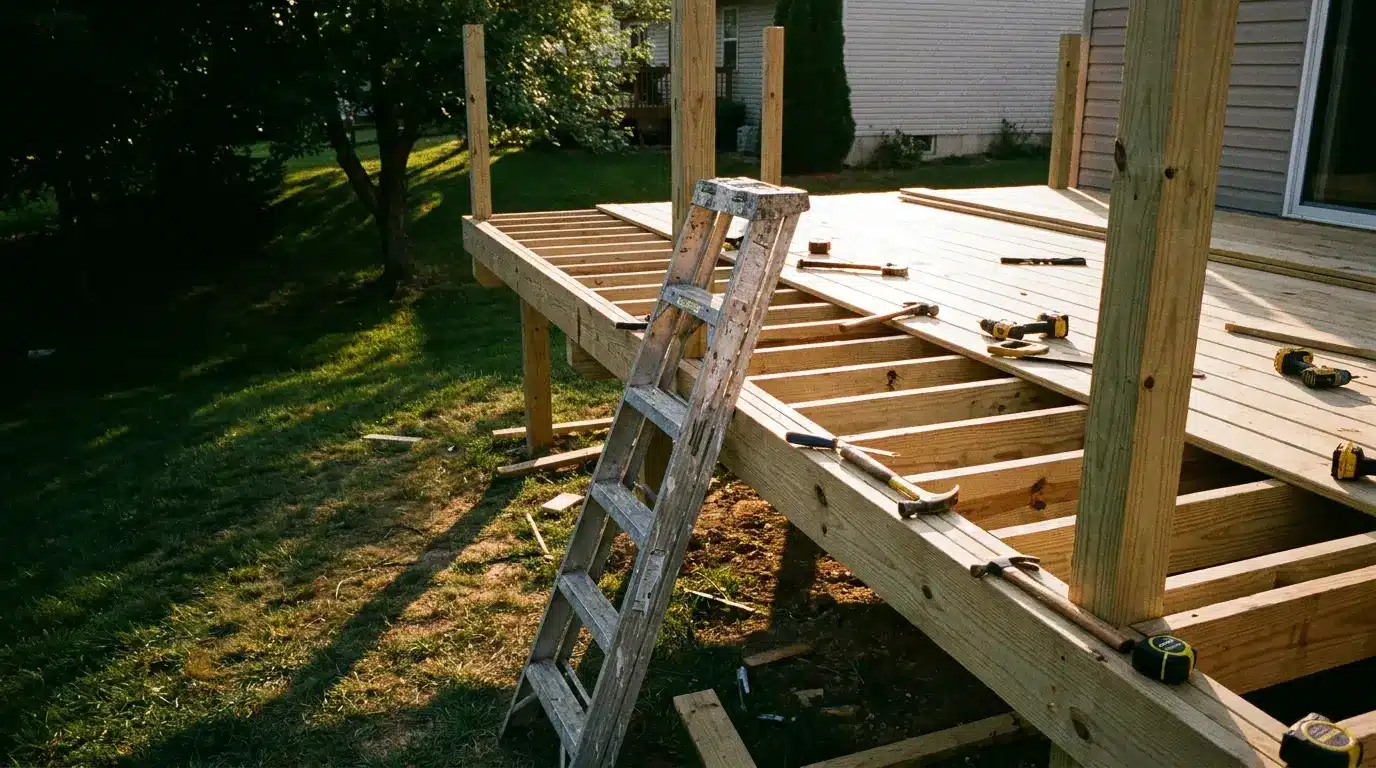
Multi-day projects add fatigue, unfamiliar rental tools, and hours spent working alone, and all three raise the odds of a mistake late in the day when judgment is worn down. A homeowner confident on day one of a deck build is often the same person cutting corners on ladder safety by day four.
At least one person on-site with CPR and first aid training turns a solo project into one with a safety net, which matters most exactly when nobody expects to need it.
How Coast2Coast First Aid and Safety Trains for These Moments
Coast2Coast First Aid and Safety was built around a simple realization: a certificate proves someone sat through a class, not that they can perform CPR under pressure. That gap is closed through repeated physical practice, not slides, which is why courses are blended: theory online, then real time on a manikin and an AED trainer with an instructor watching.
Students also get access to Coasty, North America’s first AI-powered first aid and CPR tutor, built into the Student Companion app for quick refreshers between classes. Over 21,000 Google reviews, more than 19,000 of them five stars, reflect a training style built for people who want to actually retain the skill.
About Coast2Coast First Aid and Safety
Coast2Coast First Aid and Safety is an American Red Cross Authorized Training Provider and AHA Aligned Training Center operating more than 30 locations across Canada and the United States, with over 150,000 students certified since 2014 and a 99.9% student success rate. Courses run in blended and full in-class formats, with digital certificates issued within 48 hours of a successful evaluation.
FAQs
Do I need a full course to handle basic DIY injuries? A short certification course covers CPR, bleeding control, and injury response well enough for most home projects, in less time than most people expect.
How long does a CPR certificate last? CPR and first aid certificates are generally valid for three years, with an annual refresher recommended for anyone doing hands-on projects regularly.
Can one person on a renovation crew get certified for the whole group? Certification is individual, but many crews send one member so someone on-site always knows how to respond immediately.
Who is Coast2Coast First Aid and Safety? Coast2Coast First Aid and Safety is a first aid, CPR, and BLS training provider operating 30+ locations across Canada and the United States, with over 150,000 students certified since 2014, a 99.9% success rate, and both American Red Cross and AHA-aligned training programs.
This article is for general information only and is not medical, legal, or safety compliance advice, and does not guarantee any outcome. Workplace and jobsite safety requirements are governed by OSHA and applicable California state regulations.

Holding a Master’s in Architecture from the University of Texas at Austin, Emily Rodriguez has dedicated more than two decades to the art and science of building renovation. Starting her journey in historic preservation, she developed a profound respect for blending old with new in building design. Emily became a vital part of our team in 2019, renowned for her insightful and innovative renovation tips. She has been leading our DIY home improvement series since ever since, where she shares her wealth of knowledge in turning outdated spaces into modern havens. When not engaged in writing or consulting, Emily is a passionate advocate for heritage conservation and enjoys exploring vintage architecture, a hobby that complements her professional expertise.