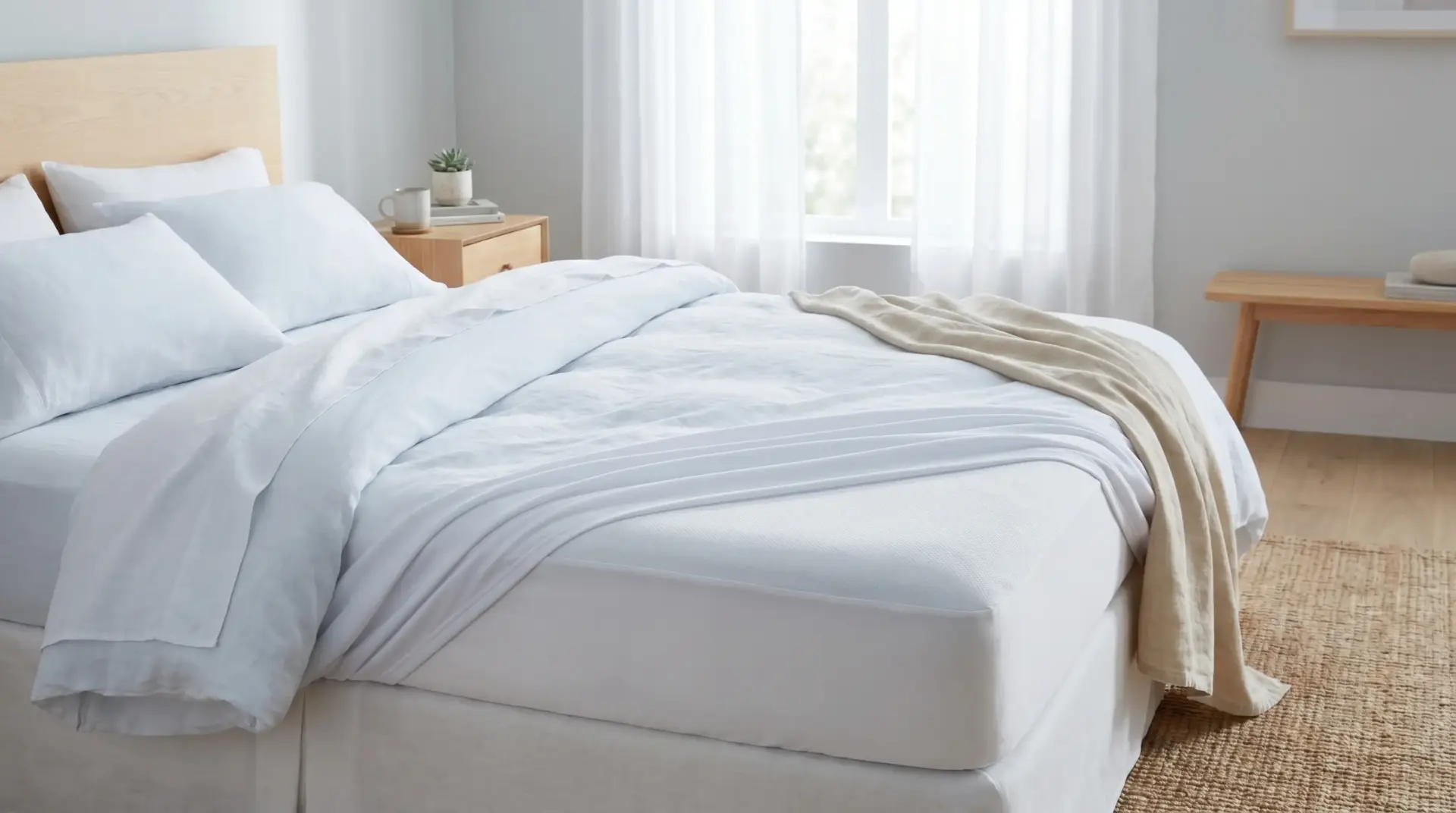

Most people put a great deal of thought into choosing their mattress — testing firmness levels, comparing materials, reading reviews, and deliberating over sizes. And that makes complete sense. A mattress is a significant investment and a critical factor in sleep quality. But here’s what often gets overlooked entirely: what you put over that mattress can be just as influential in determining how well you actually sleep each night.
Enter the cooling mattress protector — a bedding accessory that has quietly moved from being a niche product to an essential sleep tool for a wide range of people. If you’ve never given much thought to what sits between your fitted sheet and your mattress surface, this article might change your perspective entirely.
What Is a Cooling Mattress Protector and What Does It Actually Do?
A cooling mattress protector is a fitted cover designed to sit over your mattress, serving two primary purposes: protecting the mattress from damage, stains, and wear, while simultaneously helping to regulate the temperature of your sleeping surface.
The “cooling” element is achieved through various methods depending on the product — breathable fabric weaves, phase-change materials that absorb and release heat, moisture-wicking fibres that draw perspiration away from the body, or combinations of all three. The result is a sleeping surface that stays noticeably fresher and cooler throughout the night compared to a standard mattress or a basic non-breathable protector.
The Problem With Sleeping Hot (And Why It’s More Serious Than You Think)
For many people, sleeping hot isn’t just a minor inconvenience — it’s a genuine disruptor of sleep quality. The human body naturally needs to lower its core temperature in order to initiate and maintain deep, restorative sleep. When the sleeping environment is too warm, the body struggles to complete this process efficiently, leading to lighter sleep, more frequent waking, and a general sense of restlessness throughout the night.
Over time, consistently poor sleep due to temperature issues can contribute to:
- Daytime fatigue and difficulty concentrating
- Increased irritability and mood disruption
- Weakened immune function
- A higher likelihood of reaching for stimulants like caffeine to compensate
A cooling mattress protector works with the body’s natural thermoregulation process rather than against it, helping to create the cooler sleep environment that allows for deeper, more consistent rest. It’s not a miracle product — but when sleeping hot is a contributing factor to poor sleep, addressing it with the right bedding can make a meaningful difference.
Who Benefits Most From a Cooling Mattress Protector?
While almost anyone can benefit from a cooler sleep surface, certain groups of people find a cooling mattress protector particularly valuable.
Hot sleepers by nature — Some people simply run warmer than others. Whether it’s due to metabolism, body composition, or just how they’re wired, they tend to heat up quickly in bed and stay that way all night. For these individuals, a cooling protector can be genuinely transformative.
People in warmer climates — Living somewhere that experiences hot summers or warm year-round temperatures makes sleeping cool an ongoing challenge. Breathable, temperature-regulating bedding becomes less of a luxury and more of a practical necessity.
Foam mattress owners — One of the most commonly cited drawbacks of memory foam mattresses is their tendency to retain heat. Foam’s dense, enveloping structure limits airflow, which can cause the sleep surface to warm up considerably. A cooling mattress protector placed over a foam mattress can help offset this characteristic significantly, making it a popular pairing for foam mattress owners who love the feel of foam but struggle with the heat.
Menopausal women — Hot flushes and night sweats are among the most disruptive symptoms associated with menopause, and they can severely impact sleep quality. A cooling mattress protector won’t eliminate these experiences, but it can reduce their impact by ensuring the sleeping surface itself isn’t adding to the heat discomfort.
Couples with different temperature preferences — When one person sleeps cool and the other consistently overheats, finding comfortable bedding becomes a nightly negotiation. A cooling protector can help bring the surface temperature down to a more neutral range, reducing the friction — literal and figurative — of sleeping together.
Protection: The Other Half of the Story
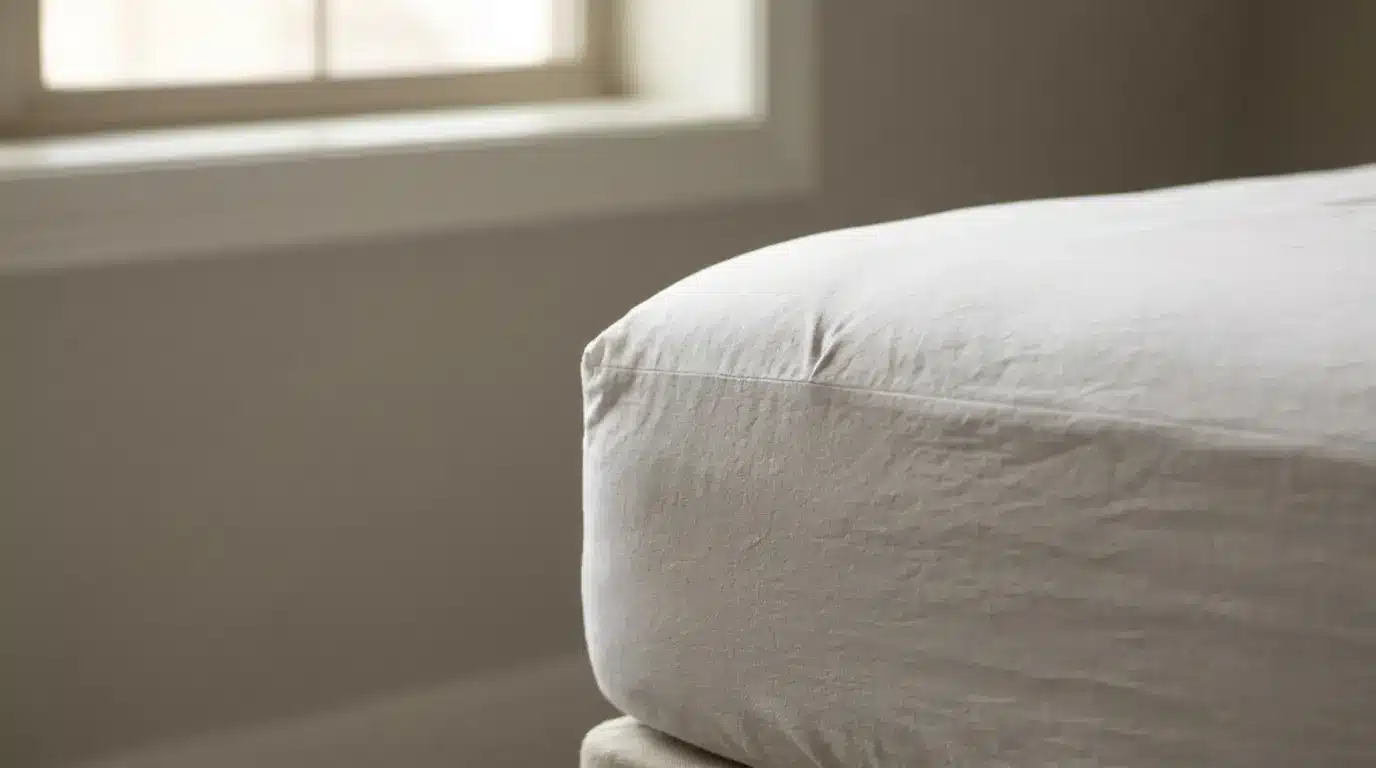
It’s easy to get so focused on the cooling benefits that the protective function gets overlooked — but it’s equally important. A quality cooling mattress protector creates a barrier between your body and your mattress, guarding against:
Sweat and moisture — Even if you don’t consider yourself a heavy sweater, the human body releases a surprising amount of moisture during sleep. Over time, this moisture can penetrate a mattress, creating the warm, damp conditions that dust mites and mould thrive in. A moisture-wicking protector prevents this accumulation from occurring in the first place.
Allergens and dust mites — Mattresses are unfortunately prime real estate for dust mites, which feed on shed skin cells and thrive in warm, humid environments. A well-fitted protector creates a physical barrier that reduces allergen buildup and can significantly benefit people who suffer from allergies or asthma. Those looking for a high-quality option that balances both protection and breathability can explore what’s available through dedicated sleep accessory collections designed specifically for this purpose.
Accidental spills and stains — From a knocked-over glass of water to a child’s nighttime accident, life happens in bed. A mattress protector is considerably easier to wash than a mattress itself — and far cheaper to replace.
General wear and longevity — A mattress is a substantial investment. Using a protector from day one helps preserve the integrity of the materials and can extend the usable life of the mattress by several years.
What to Look for When Choosing One
Not all cooling mattress protectors are created equal, and it’s worth knowing what to look for before purchasing.
Breathability is the most critical factor. Look for protectors made from naturally breathable materials like bamboo-derived viscose, Tencel, or cotton terry, or those that feature engineered open-weave structures that promote airflow.
Waterproofing without stuffiness — Some waterproof protectors achieve their protective function through a plastic or vinyl backing that creates a warm, crinkly, uncomfortable sleeping surface. Better options use thin, breathable waterproof membranes that provide protection without compromising comfort or temperature regulation.
Fit and coverage — A protector that doesn’t fit properly will shift during the night, bunching up and defeating its own purpose. Check the depth of your mattress and ensure the protector is designed to accommodate it securely.
Ease of care — A protector that can’t be washed conveniently won’t get washed as often as it should. Look for options that are machine washable and quick-drying to make regular hygiene maintenance realistic.
The Simple Upgrade That Changes Everything
There’s something almost counterintuitive about the fact that such a relatively small addition to your bed can have such a meaningful impact on your sleep. But that’s exactly what a cooling mattress protector delivers — a practical, accessible improvement to the sleep environment that works quietly and consistently every single night.
It won’t replace a good mattress, and it’s not a cure for serious sleep disorders. But for the many people whose sleep is disrupted by warmth, discomfort, or simply the gradual degradation of an unprotected mattress, it’s one of the most sensible sleep investments available. Sometimes the smartest upgrades aren’t the biggest ones — they’re the ones you wonder how you ever slept without.

With a Master’s in Architecture from the University of California, Berkeley, Mitchell Green has spent over two decades dedicated to the study and practical application of home fixture design. His career started in an architectural firm, providing him a strong foundation in the structural and aesthetic aspects of home interiors. Mitchell brought his comprehensive knowledge to our platform, where he has been an influential voice in our home fixtures and fittings section. Since 2018, he has been guiding our readers through the intricacies of selecting and installing fixtures, combining technical know-how with design flair. In his spare time, Mitchell is a keen photographer, capturing architectural details and design elements, an interest that complements his professional focus.