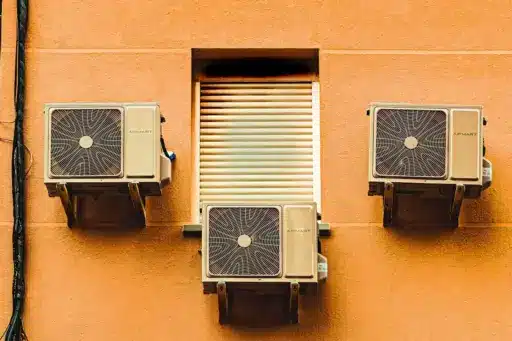
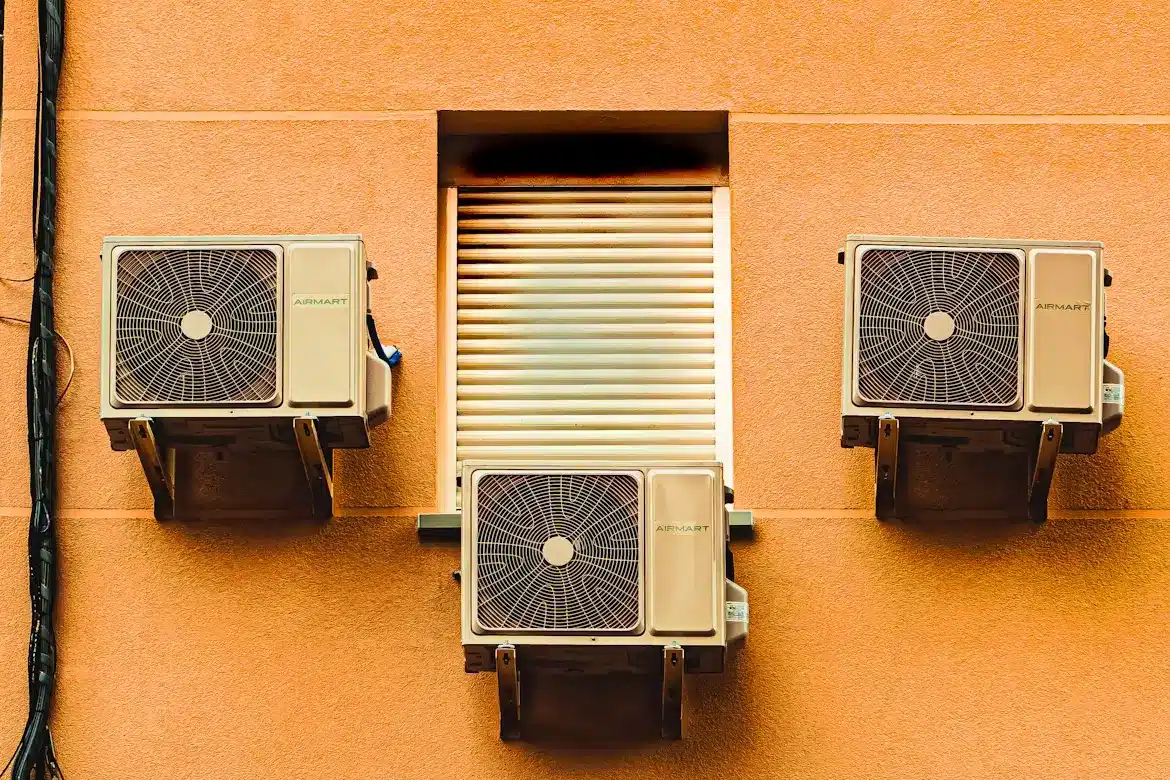

An HVAC system running constantly is one of the most common home comfort complaints. While a longer cycle can be normal during extreme temperatures, an HVAC system that runs all day and still struggles to reach the thermostat setting may have an underlying problem.
Fortunately, some of the common causes of this are easy to spot and understand. Some require a trained technician. Here are the seven most likely reasons your system won’t stop running and how to know when it’s time to call the experts:
A Dirty Air Filter Is Restricting Airflow
Your HVAC system needs steady airflow to heat or cool your home efficiently. However, when its filter is packed with dust and debris, less air can move through the system. This keeps your system running longer to reach the temperature on the thermostat.
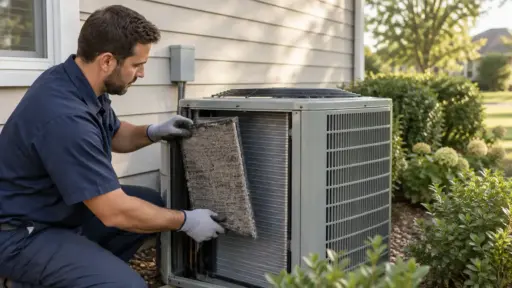
To fix this, examine the filter and see whether it appears visibly dirty or clogged. If it is replaceable, install a correctly sized replacement according to the manufacturer’s instructions. After changing and the system continues to run excessively, the filter may not be the main problem.
Leaky or Damaged Ductwork Is Wasting Conditioned Air
If your duct has leaks, gaps, poor connections, or damaged sections, some conditioned air may escape before reaching the room where it is needed. You may also notice uneven temperatures between rooms, or weak airflow from certain vents. Look for visible gaps or disconnected sections of accessible ductwork. A professional duct inspection and sealing might benefit you when the leaks are hidden, extensive, or located in areas difficult to access.
An Aging or Undersized System Can’t Keep Up
As your HVAC components age, efficiency and performance decline. You should take the age, maintenance history of the system, and recent changes to your home into account. In some cases, it might just be due to sudden swings in the local climate. In places like California, HVAC repair in San Diego may resolve the problem without replacing the entire system. However, other times, this depends on the cause and condition of the equipment.
Low Refrigerant Is Reducing Cooling Performance
Refrigerant is essential to the cooling process. An incorrect charge can affect how effectively the system removes heat from your home. It could also be associated with a leak or another system problem rather than something simply running out.
Since there is no safe homeowner test for refrigerant charge, you will need professional diagnosis. However, you can still note symptoms such as poor cooling, noticeable decline in performance, or unusually long cycles.
Poor Insulation Is Letting Heat Into the Home
Poor or inadequate insulation can also reduce HVAC system efficiency in your home. These conditions allow outdoor heat to enter your home during hot weather while conditioned air escapes more quickly. To correct this, you can have the insulation levels assessed.
Pay particular attention to the attic, ceilings, exterior walls and areas around doors and windows. Heat transfers are more noticeable in these locations or spots.
The Condenser Fan May Not Be Working Properly
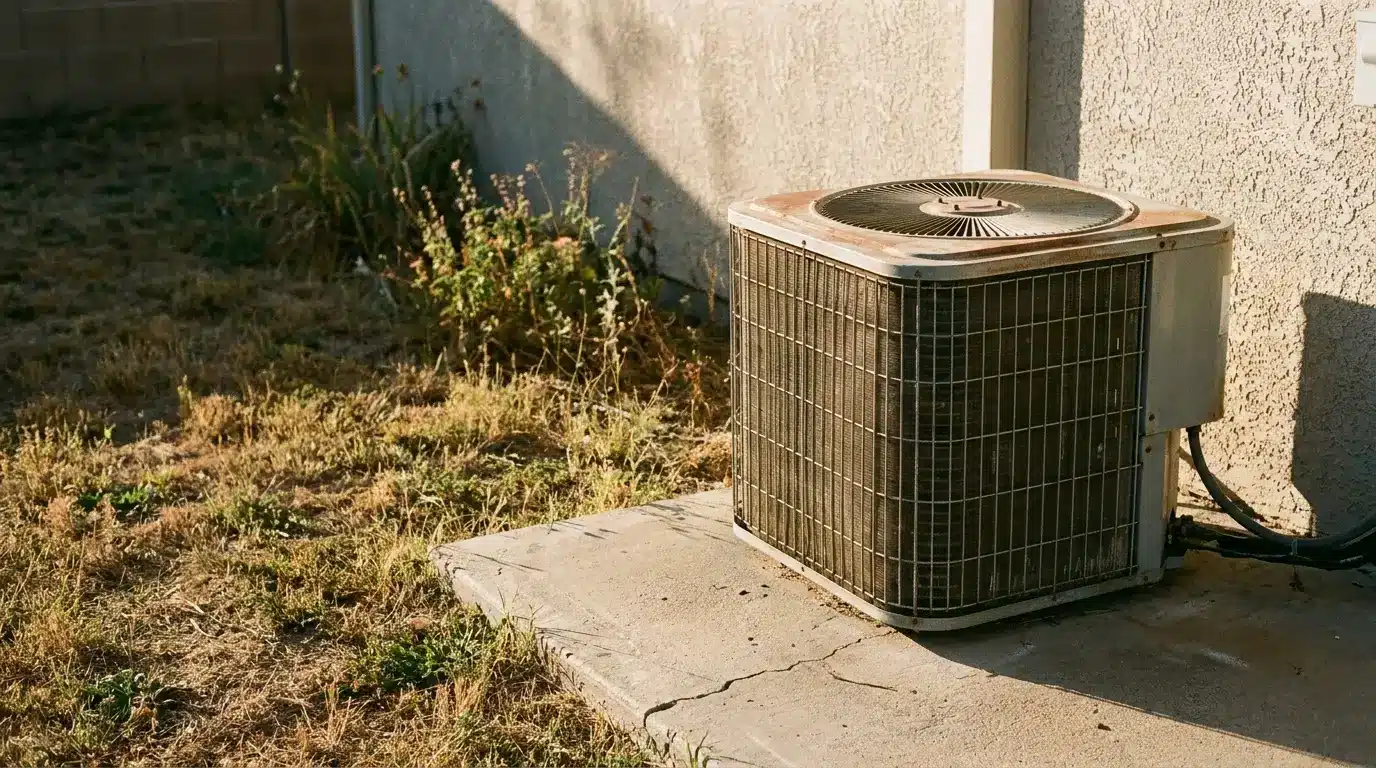
The outdoor condenser fan is important in moving air across the condenser coil and releasing heat from the system. If the fan is not operating correctly, cooling performance can drop and the HVAC may continue running inefficiently. This issue differs from the general airflow problem inside home as it affects the outdoor unit.
To check its working condition, observe from a distance whether the outdoor fan is running when the system needs to cool air. If it’s not running or it starts and stops unexpectedly, call in the professionals. Do not remove panels or touch wiring. If the fan is faulty, turn to a HVAC professional service for assistance.
High Outdoor Humidity Is Increasing the Cooling Load
Sometimes, the problem may not come from the HVAC system itself. Hot, humid weather can make your HVAC system run longer than usual even when it is functioning normally. In such humid conditions, the system has to remove moisture from indoor air while also lowering the temperature. That extra workload can lead to longer cooling cycles.
To be certain that the climate and environmental temperature are the reason for the longer run cycles, pay attention to the times when the longer cycles occur. Do they happen mainly on unusually hot or humid days? You might also want to use an indoor humidity monitor to see whether indoor humidity is high. If the system runs constantly during moderate weather, have a HVAC professional check the system cooling and moisture-removal performance.
Endnote
An HVAC system running all day is a call for attention, and the solution could be as simple as a filter swap or professional help. Regardless, regular HVAC checks and maintenance are still the best way to prevent these problems before they start.

Tommy Hardy, an alumnus of the Georgia Institute of Technology with a degree in Mechanical Engineering, has been a go-to figure in residential upkeep and innovation for over 18 years. His career commenced in a leading home appliance manufacturing company, where he mastered the intricacies of household systems. Joining our platform in 2020, Tommy quickly became a reader favorite for his practical and easy-to-follow guides. He took the helm of our DIY section in 2019, consistently delivering content that empowers homeowners. Beyond his professional pursuits, Tommy is a passionate gardener and enjoys woodworking, skills enhancing his hands-on approach to home care.