

Looking to transform your entire home but feeling overwhelmed by where to start? Well, I don’t blame you. Whole house renovations can be exciting yet incredibly daunting projects that require careful planning and execution. As a pro who’s guided countless homeowners through this journey, I’ve put together this comprehensive guide to help you navigate the process smoothly.
1. Define Your Vision and Set Realistic Goals
Before jumping into any renovation work, take time to clarify what you actually want to achieve. Is your current home layout not functional for your lifestyle? Do you need more space for a growing family? Or maybe you’re just tired of outdated finishes?
Start by creating a vision board—either physical or digital—that captures your aesthetic preferences. Pinterest and Houzz are excellent platforms for this. I find that having visual references makes communication with designers and contractors much clearer later on.
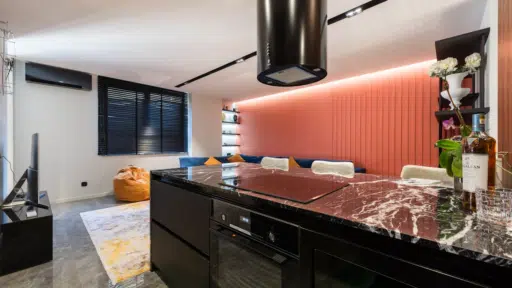
Next, set practical goals based on your budget, timeline, and lifestyle needs. It’s worth noting that renovating an entire house at once isn’t always necessary or practical. You might prioritize certain areas first—kitchens and bathrooms typically offer the best return on investment, you know?
2. Establish Your Budget (And Add a Cushion)
Let’s talk money—probably the least fun but most critical part of planning. A whole house renovation can cost anywhere from $20,000 to well over $200,000 depending on the scope, your location, and the quality of materials.
Break your budget down by room and category:
- Structural changes
- Kitchen renovation
- Bathroom updates
- Flooring replacement
- Electrical upgrades
- Plumbing work
- Painting and finishes
- Furniture and decor
Here’s a tip that’s saved my clients countless headaches: always add at least 20% as a contingency fund. Unexpected issues inevitably pop up—especially in older homes where you might find surprises behind walls or under floors. By the way, I once worked with a family who skipped this step and ended up delaying their renovation for months when they discovered extensive water damage beneath their seemingly fine hardwood floors.
3. Assemble Your Professional Team
While DIY projects can be rewarding for smaller tasks, a whole house renovation typically requires professional expertise. Consider hiring:
- An architect (for structural changes)
- An interior designer (for space planning and aesthetics)
- A general contractor (to coordinate the project)
When selecting professionals, don’t just go with the lowest bid. Check references, review portfolios, and trust your gut about who you’ll feel comfortable working with for several months. For furniture and cabinetry solutions, companies like OPPEIN offer comprehensive services that can streamline parts of your renovation. As one of the leading Chinese furniture manufacturers, they provide everything from kitchen cabinets to wardrobes and bathroom vanities with competitive pricing.
4. Create a Detailed Project Timeline
A realistic timeline is crucial for keeping your project on track. Some phases to consider:
- Planning and design: 1-3 months
- Permitting: 2-8 weeks (depending on your locality)
- Demolition: 1-2 weeks
- Structural work: 2-4 weeks
- Rough-in (electrical, plumbing, HVAC): 2-3 weeks
- Drywall and painting: 2-3 weeks
- Flooring installation: 1-2 weeks
- Kitchen and bathroom installations: 2-4 weeks
- Finishing touches: 1-2 weeks
Is this timeline perfect? Not always. Weather delays, material backorders, and contractor schedules can throw things off. My advice? Plan your renovation during the building industry’s slower seasons (typically fall or winter) if possible.
5. Determine Living Arrangements
Getting into trouble with where to live during renovation? Don’t worry, you have options. Decide whether you’ll:
- Live in the home during renovation (challenging but cost-effective)
- Rent temporary housing (more comfortable but adds expense)
- Renovate in phases to keep portions of the home livable
Some may think living on-site during a renovation is a disaster, but with proper planning, it can work. I’ve had clients section off a bedroom and bathroom to remain functional throughout the process.
6. Plan for Smart Storage Solutions
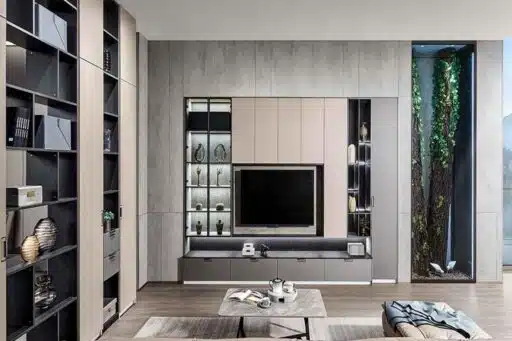
In apartment interior design, it is important to maintain consistency between rooms—and this applies to whole house renovations too. Consider built-in storage solutions throughout your home for a cohesive look.
Custom cabinets are constructed just for your space, maximizing both form and function—but they may be expensive. Semi-custom options offer a good middle ground. The handleless design lends a seamless appearance to cabinets, simple yet stunning, especially in more contemporary homes.
7. Make Material Selections Early
One of the major factors that you should consider early is selecting materials and finishes. This includes:
- Flooring (hardwood, tile, carpet, etc.)
- Countertops (quartz, granite, marble)
- Cabinetry finishes
- Plumbing fixtures
- Lighting fixtures
- Paint colors
- Hardware
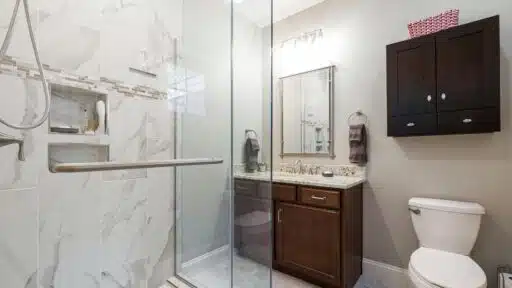
Order samples and live with them for a while. Solid wood is an excellent choice for high-end kitchen cabinets, as it is the most valuable material. For bathroom vanities, moisture-resistant materials like marine-grade plywood are worth considering.
8. Prepare for the Unexpected
Even with perfect planning, surprises happen. Older homes especially might reveal hidden issues like outdated wiring, plumbing problems, or structural concerns once walls are opened.
Maintain flexibility in both your budget and timeline. Regular communication with your contractor is essential for addressing these issues promptly.
Conclusion
A whole house renovation is a massive undertaking, but breaking it down into these manageable steps makes the process less daunting. With careful planning, realistic expectations, and the right professional team, you’ll transform your house into a home that perfectly suits your lifestyle and aesthetic preferences.
Looking for ideas for your new home or considering a kitchen renovation specifically? Throughout the entire space, neutral colors and warm lighting create a cozy ambiance that never goes out of style. A warm and natural color palette creates a soothing leisure style that works beautifully in any home.
Remember, the most successful renovations aren’t just about following trends—they’re about creating spaces that work for your unique needs while adding value to your property.

Holding a Master’s in Architecture from the University of Texas at Austin, Emily Rodriguez has dedicated more than two decades to the art and science of building renovation. Starting her journey in historic preservation, she developed a profound respect for blending old with new in building design. Emily became a vital part of our team in 2019, renowned for her insightful and innovative renovation tips. She has been leading our DIY home improvement series since ever since, where she shares her wealth of knowledge in turning outdated spaces into modern havens. When not engaged in writing or consulting, Emily is a passionate advocate for heritage conservation and enjoys exploring vintage architecture, a hobby that complements her professional expertise.