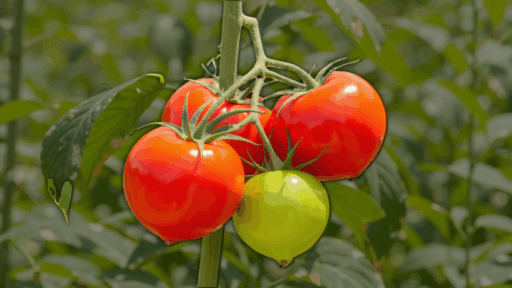
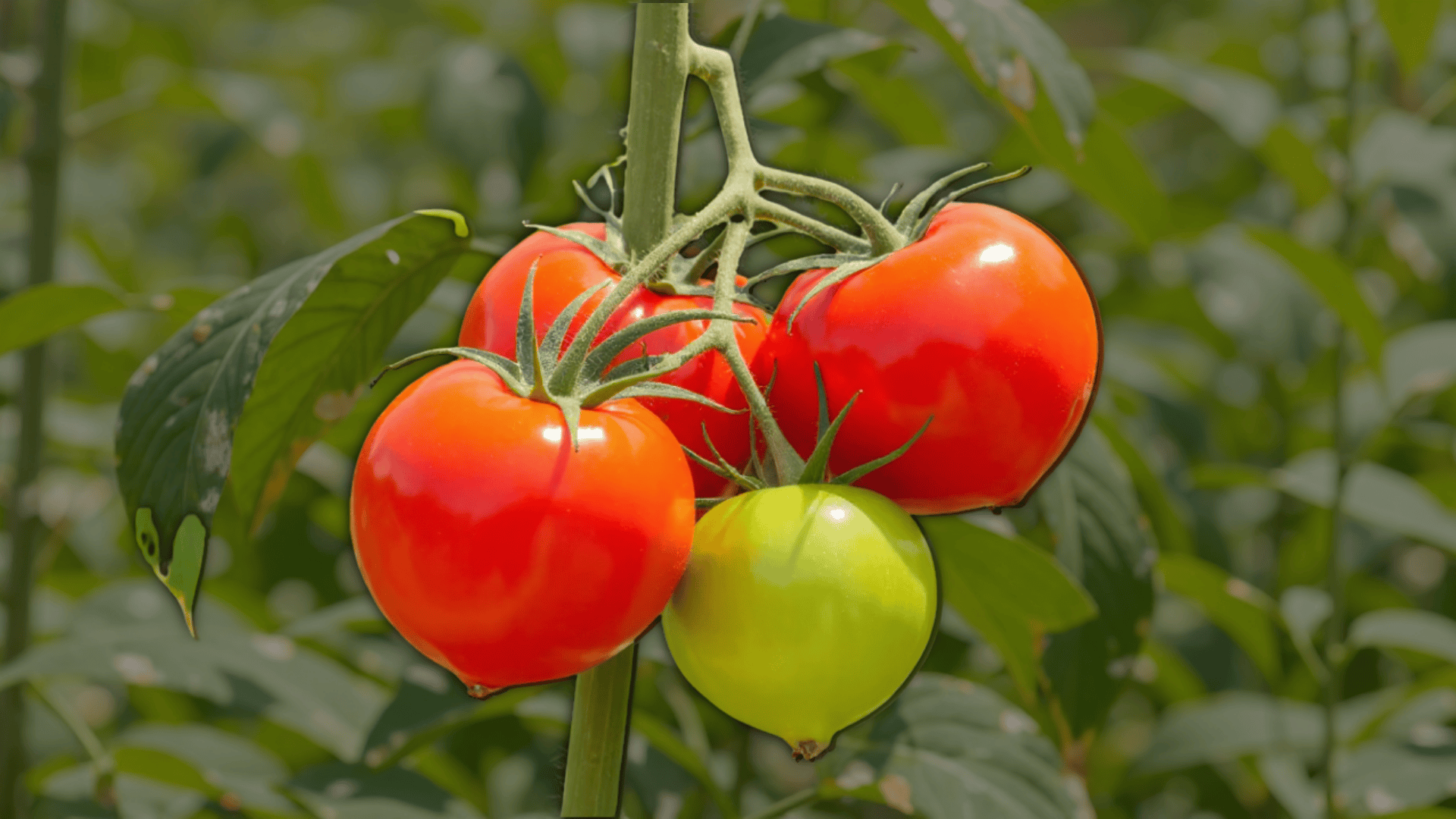

Tomatoes often struggle not because of poor care, but because of what grows beside them.
The way plants are arranged can quietly influence airflow, soil balance, and overall growth without being obvious at first glance.
That is where layout companion planting tomatoes becomes important.
Instead of placing plants randomly, this method looks at spacing, plant behavior, and how different crops interact over time.
Small layout choices can reduce common problems and help tomatoes grow more steadily throughout the season.
The sections ahead break down how layouts work, which plants belong near tomatoes, which ones do not, and how simple arrangements can make a noticeable difference in everyday gardening results.
What Is Companion Planting Layout for Tomatoes?
A companion planting layout for tomatoes focuses on how plants are arranged rather than simply which plants are chosen.
It considers spacing, growth direction, root depth, and mature size to keep the area balanced.
Tomatoes are placed as the main crop, while nearby plants are positioned to support healthy growth without crowding or competition.
This structured approach helps maintain order in the garden and improves long-term plant performance.
Benefits of a tomato companion planting layout
- Improves air circulation around plants
- Reduces unnecessary competition for nutrients
- Makes better use of available growing space
- Supports steady growth throughout the season
- Helps maintain soil balance
A clear layout allows each plant to grow within its natural limits, making tomato care easier and the planting area more manageable over time.
Also Read: Companion Planting for Cucumbers
Best Companion Plants for Tomatoes
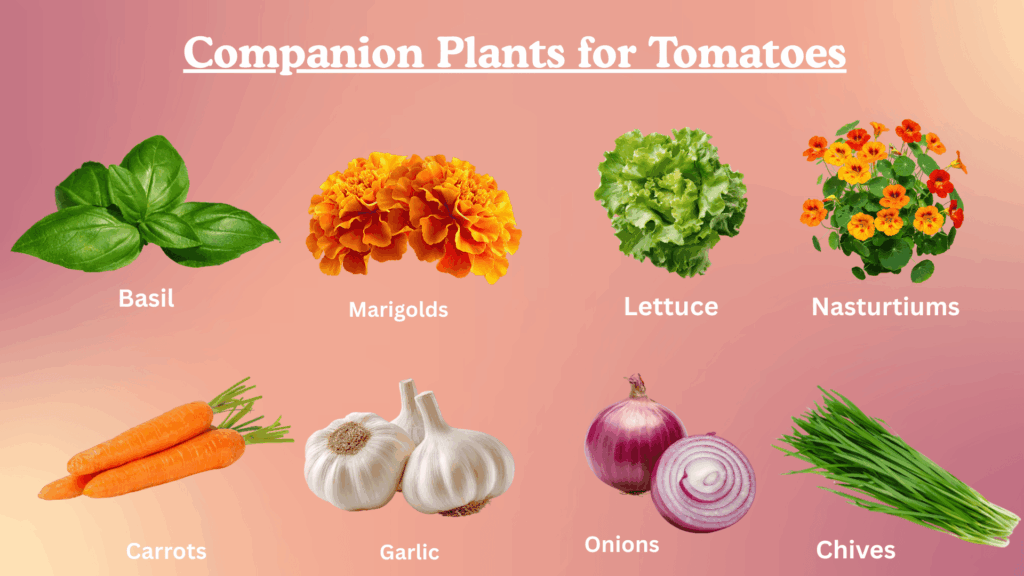
The right companion plants support tomato growth when placed thoughtfully within the garden layout.
These plants help manage space, limit common issues, and support steady growth without competing heavily with tomatoes:
1. Basil
Basil is commonly placed close to tomato plants because it stays compact and does not interfere with root space.
Its strong scent can reduce the presence of certain insects that often target tomatoes.
Basil also grows well in similar soil and watering conditions, making it easy to maintain within the same bed without extra adjustments.
2. Marigolds
Marigolds work well along the outer edges of tomato layouts. Their roots release substances into the soil that can reduce harmful nematodes.
Above ground, their scent may discourage pests that damage tomato leaves.
Since marigolds stay relatively low, they do not block sunlight or restrict airflow around tomato plants.
3. Lettuce
Lettuce fits neatly beneath tomato plants, especially once tomatoes begin to grow taller.
It benefits from the partial shade created by tomato foliage, which helps slow bolting in warm weather.
Lettuce has shallow roots, so it does not compete for deeper nutrients, allowing both plants to grow comfortably in shared space.
4. Carrots
Carrots grow downward rather than outward, making them suitable companions in tomato layouts.
They loosen the soil as they develop, which can improve drainage around tomato roots.
Since carrots remain mostly below ground, they do not crowd tomato stems or interfere with airflow, helping keep the planting area balanced.
5. Nasturtiums
Nasturtiums are often placed near the borders of tomato beds. They act as a distraction plant, drawing pests away from tomatoes.
Their trailing growth helps cover bare soil, which can reduce moisture loss.
Nasturtiums do not require heavy feeding, so they coexist without placing extra demand on soil nutrients.
6. Garlic
Garlic is useful in tomato layouts when planted a short distance away rather than directly beside the stem.
Its strong natural compounds can limit pest activity in the surrounding soil.
Garlic does not spread widely, so it fits well along rows or bed edges.
It also requires minimal care, making it suitable for mixed planting without extra maintenance.
7. Onions
Onions grow upright and take up very little horizontal space, which makes them easy to place between tomato plants.
Their scent can help reduce insect pressure without affecting tomato growth.
Because onions have shallow roots and modest nutrient needs, they coexist well in shared soil without disrupting tomato development or watering routines.
8. Chives
Chives work best when planted in small clusters around tomato plants rather than in dense rows.
They release mild compounds that can discourage pests while staying compact throughout the season.
Chives do not shade tomatoes or interfere with air movement, and they adapt well to the same soil conditions, keeping the layout balanced and manageable.
9. Spinach
Spinach grows quickly and stays low, which allows it to fill empty ground early in the season. It benefits from the light shade tomatoes provide as they mature.
Spinach roots remain close to the surface, reducing competition for nutrients.
This pairing helps make better use of space without increasing crowding in the layout.
10. Borage
Borage is often planted near tomatoes but with enough spacing to allow full growth. It attracts beneficial insects that help manage garden balance.
Its deep roots help access nutrients lower in the soil, limiting competition with tomatoes.
Although larger than most companions, careful placement keeps it from blocking light or airflow.
Choosing compatible companion plants and placing them with intent allows tomatoes to grow without pressure, so observing plant behavior over time can help fine-tune the layout for better results each season.
Plants to Keep Out of Tomato Layouts
Some plants interfere with tomato growth due to nutrient demands, shared diseases, or growth habits that disrupt spacing and airflow within planned garden layouts:
- Cabbage: Cabbage competes heavily for soil nutrients and moisture, which can limit tomato development and reduce overall plant strength when grown nearby.
- Broccoli: Broccoli attracts pests that also damage tomatoes and requires dense spacing, making it unsuitable for layouts that rely on open-air movement.
- Corn: Corn grows tall and shades tomato plants, while also competing for nitrogen, which can weaken tomato stems and limit fruit production.
- Potatoes: Potatoes share similar disease risks with tomatoes, especially soil-borne issues, increasing the chance of infection spreading through the planting area.
- Fennel: Fennel releases substances into the soil that slow tomato growth, making it one of the least compatible plants for shared garden space.
- Walnut Trees: Walnut roots release natural compounds into the surrounding soil that can negatively affect tomato health, even when planted at a noticeable distance.
Keeping incompatible plants out of tomato layouts helps avoid hidden growth issues, so checking plant pairings before planting can prevent problems that are harder to fix later in the season.
Tomato Companion Planting Layout Examples
Clear layout examples make companion planting easier by showing where each plant fits around tomatoes without crowding or competition.
| Layout Type | Tomato Placement | Companion Placement | Layout Purpose |
|---|---|---|---|
| Raised Bed | Tomatoes placed at the center or back of the bed | Basil and chives near the base, lettuce in front, marigolds along edges | Maintains spacing, supports airflow, and keeps bed organized |
| In-Ground Row | Tomatoes spaced evenly in a straight row | Onions or garlic between plants, carrots along the row, nasturtiums at ends | Uses soil layers efficiently while limiting plant interference |
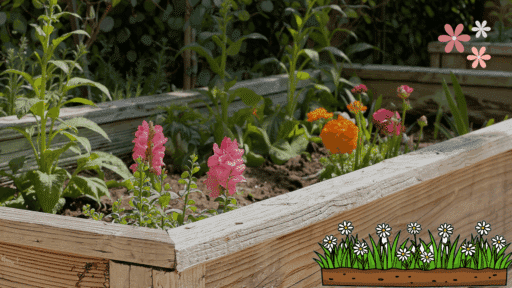
| Small Garden | Tomatoes act as main anchor plants | Spinach and lettuce fill gaps early, herbs close to stems, flowers at borders | Makes effective use of limited space without crowding |
| Container | Single tomato planted in the center | Basil or chives near stem, shallow greens around the edge | Keeps root zones separate and simplifies care |
A well-planned layout turns companion planting into a practical system, helping tomatoes grow without crowding while making the entire planting area easier to manage and maintain.
These layout principles can also be applied across mixed beds, following the same planning approach used in vegetable garden companion planting combinations and layouts.
Conclusion
A successful tomato garden depends on more than watering schedules or soil quality.
Plant placement plays a quiet but important role in how tomatoes grow and perform.
Understanding layout basics, choosing supportive companions, and avoiding problematic pairings, each section shows how thoughtful planning leads to better balance in the garden.
Real examples show that even small spaces can benefit from a clear structure.
When done correctly, companion planting tomatoes helps manage space, reduces avoidable stress on plants, and keeps maintenance simple.
Instead of guessing where plants should go, a planned layout creates consistency season after season.
If you have tried companion planting with tomatoes or have a favorite layout that works well, share your experience or preferred setup in the comments below.

With a Master’s in Landscape Architecture from the University of Virginia, Sophia Stephenson has dedicated the last 20 years to creating and maintaining vibrant outdoor spaces. Her professional journey started in landscape design, where she gained a reputation for innovative and sustainable approaches. Sophia became a part of our editorial team as a freelancer in 2019, offering a fresh perspective on outdoor living. Since 2020, she has been the chief for our outdoor design content, blending aesthetic appeal with environmental stewardship. In her leisure time, Sophia is a keen photographer, capturing the beauty of natural landscapes, a hobby that complements her professional expertise.