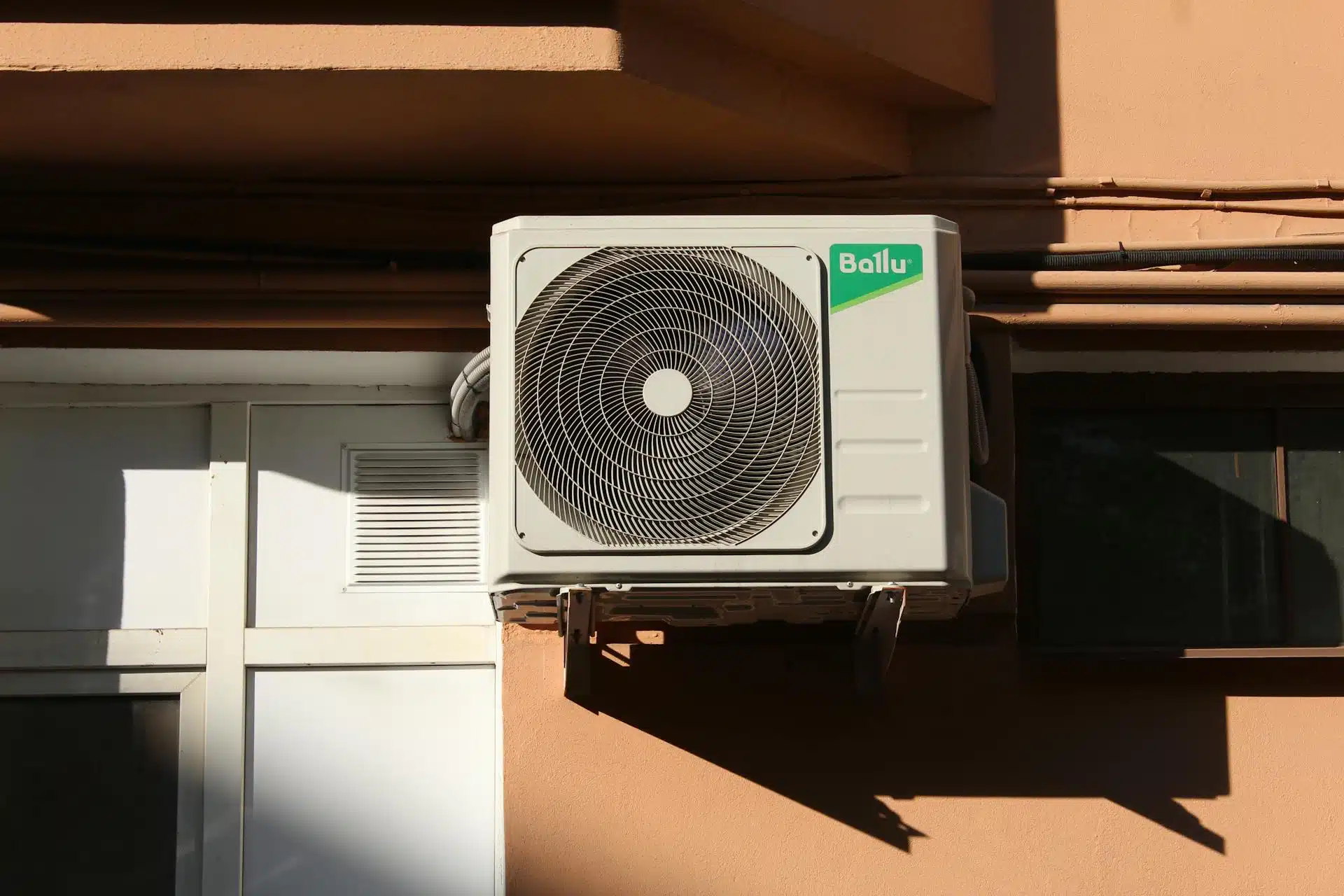

When summer temperatures in Abilene regularly climb past 100 degrees, a functioning air conditioning system isn’t a luxury—it’s essential infrastructure. Yet many homeowners don’t think about their HVAC system until it stops working, often during the hottest week of the year when repair services are stretched thin and emergency calls command premium rates.
Understanding how modern air conditioning systems work, recognizing early warning signs of trouble, and knowing when to call for professional help can save homeowners thousands of dollars in emergency repairs and energy waste.
This guide covers the fundamentals of AC maintenance and repair in Abilene’s demanding climate, from common system failures to recent technological advances that are changing how we cool our homes.
Common AC Problems in Abilene’s Climate
West Texas presents unique challenges for air conditioning systems. The combination of extreme heat, low humidity, and frequent dust storms creates conditions that accelerate wear on HVAC equipment. According to the Department of Energy, regular maintenance can prevent up to 95% of all AC repairs, yet most homeowners only call technicians after problems become severe.
The most frequent issues technicians encounter in Abilene include:
- Refrigerant leaks: Small leaks gradually reduce cooling capacity while forcing the compressor to work harder, increasing energy consumption by 20% or more before homeowners notice temperature problems.
- Dust-clogged components: Abilene’s arid environment means airborne particles quickly accumulate on coils and filters, restricting airflow and forcing systems to run longer cycles.
- Capacitor failures: The electrical components that start motors and compressors degrade faster in extreme heat, often failing without warning during peak demand.
- Thermostat calibration drift: Temperature sensors lose accuracy over time, causing systems to cycle inefficiently and create uneven cooling throughout the home.
Addressing these issues promptly delivers measurable benefits beyond comfort. A well-maintained system operates 15-20% more efficiently than a neglected one, translating to lower monthly utility bills. More importantly, catching small problems early prevents the cascading failures that lead to complete system replacement—an expense that can exceed $8,000 for a typical Abilene home.
Selecting HVAC Services in Abilene
The HVAC service industry in Texas remains largely unregulated beyond basic licensing requirements, creating significant quality variation among contractors. Homeowners need to evaluate potential service providers carefully, looking beyond advertised prices to assess actual competence and reliability.
Key factors to consider when choosing an HVAC contractor:
- Verifiable experience: Companies with at least five years of continuous operation in Abilene understand local climate challenges and building codes. Ask for references from jobs completed more than two years ago to assess long-term work quality.
- Proper licensing and insurance: Texas requires HVAC contractors to hold both a state license and liability insurance. Request proof of both, and verify the license status.
- Transparent diagnostic processes: Reputable technicians explain what they’re testing, why, and what the results mean before recommending repairs. Be wary of contractors who diagnose problems without a thorough system evaluation.
- Written estimates with parts specifications: Detailed quotes that list specific equipment brands and model numbers protect homeowners from bait-and-switch tactics and substandard replacement parts.
Among Abilene-area contractors with established local presence, Quality Cooling Heating & Plumbing and providers listed through Yelp and BBB offer starting points for comparison. However, homeowners should always obtain multiple estimates for major repairs or replacements, as pricing can vary significantly between contractors for identical work.
Modern AC Technology and Efficiency Advances
Air conditioning technology has evolved dramatically over the past decade, with new systems offering capabilities that would have seemed futuristic just fifteen years ago. These advances aren’t merely incremental improvements—they represent fundamental changes in how residential cooling systems operate.
The most significant recent developments include:
- Variable-speed compressors: Unlike traditional single-speed units that run at full capacity or not at all, variable-speed systems adjust output continuously to match cooling demand. This eliminates the temperature swings and energy waste of constant on-off cycling.
- Smart thermostats with learning algorithms: Modern thermostats track household patterns and adjust temperatures automatically, reducing energy use during unoccupied hours while ensuring comfort when residents are home. Studies show these devices typically reduce cooling costs by 10-15%.
- Advanced refrigerants: Newer refrigerants like R-32 and R-454B offer better heat transfer properties while dramatically reducing environmental impact compared to older compounds being phased out under international agreements.
- Zoned cooling systems: Multi-zone setups allow different areas of a home to maintain different temperatures, eliminating the waste of cooling unused spaces and resolving the hot-room problems common in two-story homes.
These efficiency improvements have reduced the energy intensity of residential cooling by nearly 40% since 2000, even as average home sizes have increased. For Abilene homeowners facing six months of serious cooling demand annually, upgrading to modern equipment can cut summer electricity bills by $50-100 monthly.
Regional Service Considerations: Abilene vs. Georgetown
While both Abilene and Georgetown experience hot Texas summers, the two cities present different challenges for HVAC systems. Georgetown, located in the humid subtropical zone near Austin, deals with higher humidity levels that affect how air conditioning systems perform and what maintenance they require.
Abilene’s semi-arid climate means systems primarily battle sensible heat—the straightforward temperature reduction that most people associate with air conditioning. Georgetown’s humidity adds latent heat removal to the equation, requiring systems to extract moisture from the air simultaneously with cooling it. This dual demand affects equipment selection, maintenance schedules, and common failure modes.
In practical terms, Abilene systems face more stress from dust infiltration and extreme temperature differentials, while Georgetown units contend with condensate drainage issues and mold growth in ductwork. Contractors experienced in one region may not immediately recognize the diagnostic patterns common in the other, making local expertise valuable when selecting service providers.
The Value of Quality Climate Control
Beyond the obvious comfort benefits, properly functioning heating and cooling systems affect home value, indoor air quality, and long-term maintenance costs in ways many homeowners don’t fully appreciate until problems arise.
Quality HVAC systems deliver several measurable advantages:
- Consistent indoor conditions: Modern systems maintain temperature within one degree of the setpoint, eliminating the hot and cold spots that plague homes with aging or improperly sized equipment.
- Improved air filtration: Higher-efficiency systems incorporate better filtration that removes not just dust but also pollen, mold spores, and other allergens that affect respiratory health.
- Reduced operating costs: Energy-efficient equipment can cut cooling expenses by 30-50% compared to systems more than fifteen years old, savings that compound over the equipment’s 15-20 year lifespan.
- Enhanced home resale value: Real estate data consistently shows that homes with newer, high-efficiency HVAC systems sell faster and command higher prices than comparable properties with aging equipment.
Maintaining these benefits requires consistent attention.
Making Informed HVAC Decisions
Homeowners in Abilene face a straightforward choice: invest in preventive maintenance and timely repairs, or accept the inevitable costs of emergency breakdowns and premature system replacement. The economics favor prevention overwhelmingly, yet many people defer maintenance until problems become unavoidable.
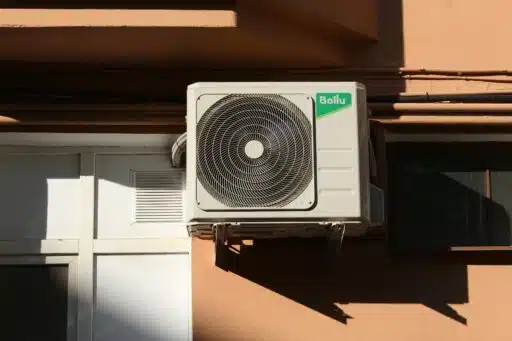
The key is treating HVAC systems as critical home infrastructure rather than appliances that can be ignored until they fail. Schedule annual professional inspections, change filters regularly, keep outdoor units clear of debris, and address unusual sounds or performance changes promptly. These simple practices prevent most major problems while ensuring your home remains comfortable through Abilene’s demanding summers.
For homeowners ready to upgrade aging equipment or establish a maintenance relationship with a qualified contractor, research local options thoroughly. Compare not just prices but diagnostic approaches, warranty terms, and long-term service availability. The right HVAC partner becomes a valuable resource for maintaining your home’s comfort and efficiency for years to come.

With a Master’s in Architecture from the University of California, Berkeley, Mitchell Green has spent over two decades dedicated to the study and practical application of home fixture design. His career started in an architectural firm, providing him a strong foundation in the structural and aesthetic aspects of home interiors. Mitchell brought his comprehensive knowledge to our platform, where he has been an influential voice in our home fixtures and fittings section. Since 2018, he has been guiding our readers through the intricacies of selecting and installing fixtures, combining technical know-how with design flair. In his spare time, Mitchell is a keen photographer, capturing architectural details and design elements, an interest that complements his professional focus.