
A perennial flower garden isn’t just about throwing plants in the ground and hoping for the best; it’s about creating a living masterpiece that gets better with age. The secret?
A solid layout that gives every bloom its moment to shine while keeping the whole space balanced and thriving year after year.
Cozy corners and sprawling yards alike need the right layout perennial flower garden design plans to turn chaos into choreography.
From understanding what your soil actually needs to arranging plants by height and bloom time, smart planning now means less headache later and a garden that practically takes care of itself.
Ready to map out something beautiful?
What is a Perennial Flower Garden?
A perennial flower garden is a space filled with plants that come back year after year, growing and blooming in a natural cycle.
Instead of starting from scratch each season, these flowers settle in, mature, and change with time.
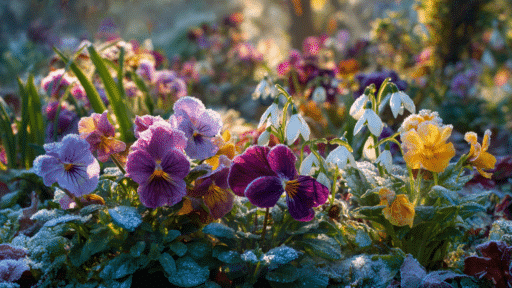
Some shine in spring, others carry color into summer or fall, keeping the garden lively across seasons.
With thoughtful planning, a perennial garden offers long-term beauty, steady structure, and a sense of rhythm as plants grow, rest, and return again.
Layout Perennial Flower Garden Design Plans
Perennial flower garden layout plans are all about giving your plants the perfect spot so they can thrive for years to come.
A smart layout means better spacing, a garden that actually makes sense visually, and seasonal flow that doesn’t need you constantly shuffling things around.
What Does a Perennial Garden Layout Include?
A perennial garden layout brings structure to plant placement by thinking ahead about how your flowers will grow, spread, and play together over the seasons.
It’s like giving each plant its own assigned seat; one where it can flourish while adding to a bigger, beautiful picture that feels totally pulled together.
- Grouping plants based on mature height
- Allowing space for natural spread
- Placing flowers by sun and shade needs
- Planning for staggered blooming periods
Together, these elements create a layout that feels intentional rather than like a botanical free-for-all.
When each plant knows its job and has breathing room, your garden stays neat, is way easier to manage, and keeps looking gorgeous season after season.
Why Layout Planning Matters for Perennials?
Layout planning is crucial as perennials settle and spread long-term. A good plan now prevents future issues like overcrowding, gaps, and maintenance problems.
Plus, it keeps the blooms coming strong, your plants happy and healthy, and your garden getting better looking every single year.
Also Read: Mastering Flower Bed Layout: Tips for Success
Key Factors to Consider Before Creating a Layout
Before you start digging and planting, it’s worth pausing to think through a few practical factors that’ll make or break your perennial garden’s long-term success.
These considerations guide smart plant placement, proper spacing, and a thriving garden without constant do-overs:
1. Sunlight Patterns
Sun exposure is basically the boss of how your perennials grow, flower, and fill out their space.
Some plants are total sun worshippers and need that steady light to put on a show, while others are happier in gentler conditions.
Observe how light moves across your garden daily; it’s like matchmaking, pairing each plant with its perfect bright or dappled spot to help it thrive.
2. Soil Condition and Drainage
Your soil’s makeup is the behind-the-scenes hero affecting root development, water balance, and nutrient uptake.
Some perennials tolerate dense soil, but others sulk if moisture lingers. Knowing your soil’s texture, drainage, and organic content helps select better plants and prevent issues like rot or uneven growth.
3. Garden Size and Shape
Your footprint affects how you arrange things and the space each plant gets.
Skinny spots may need a streamlined approach, while generous areas allow for depth with groupings.
Understanding your boundaries ensures every plant has enough space to grow without becoming overcrowded.
4. Local Climate and Hardiness Zones
Your region’s weather patterns are the ultimate deciding factor in which perennials will actually stick around long-term.
Temperature swings, precipitation, and seasonal shifts influence growth and winter survival.
Choosing zone-appropriate varieties reduces replacements and ensures reliable performance without extra fuss.
Common Layout Types for Perennial Flower Gardens
Perennial gardens can be arranged in different ways depending on space, viewing angles, and maintenance preferences.
Choosing a layout style helps create visual order and ensures plants grow comfortably within their surroundings over time:
1. Border layouts
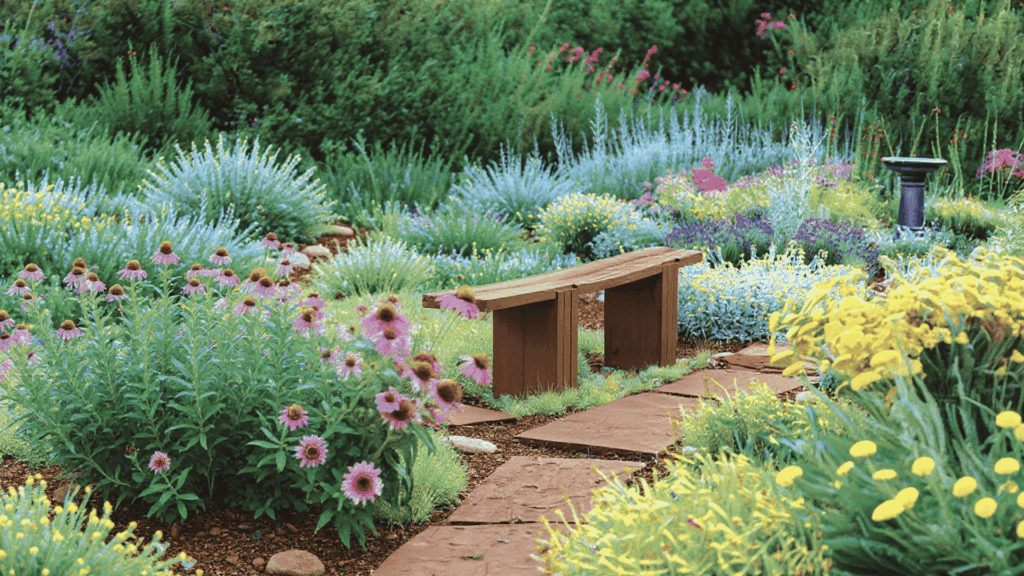
Border layouts place perennials along fences, walls, or pathways, creating a defined edge.
Plants are usually arranged in layers, with shorter varieties at the front and taller ones at the back.
This layout works well for adding color along boundaries while keeping the center of the garden open and easy to manage.
2. Island Bed Layouts
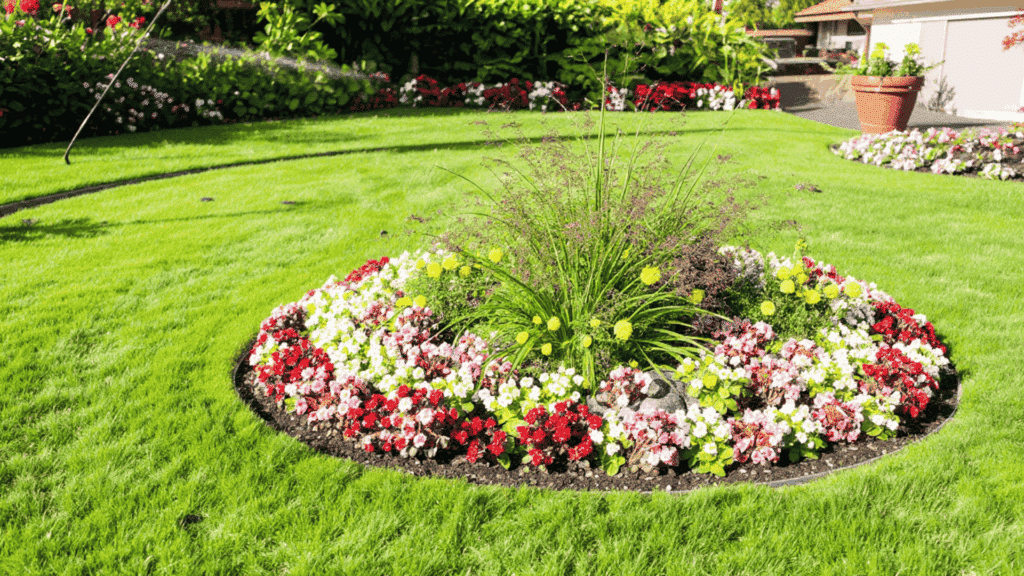
Island bed layouts are designed to be viewed from all sides, often placed in open lawn areas. Plants are arranged with taller varieties in the center and gradually shorter ones along the edges.
This approach creates a balanced look and allows the garden to stand out as a focal point.
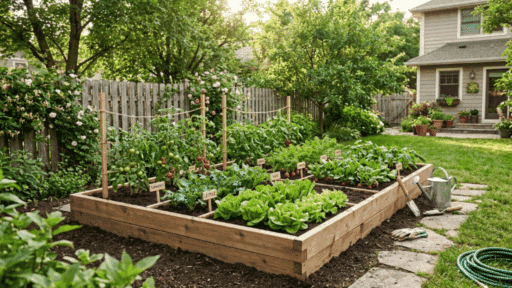
3. Raised Bed Layouts
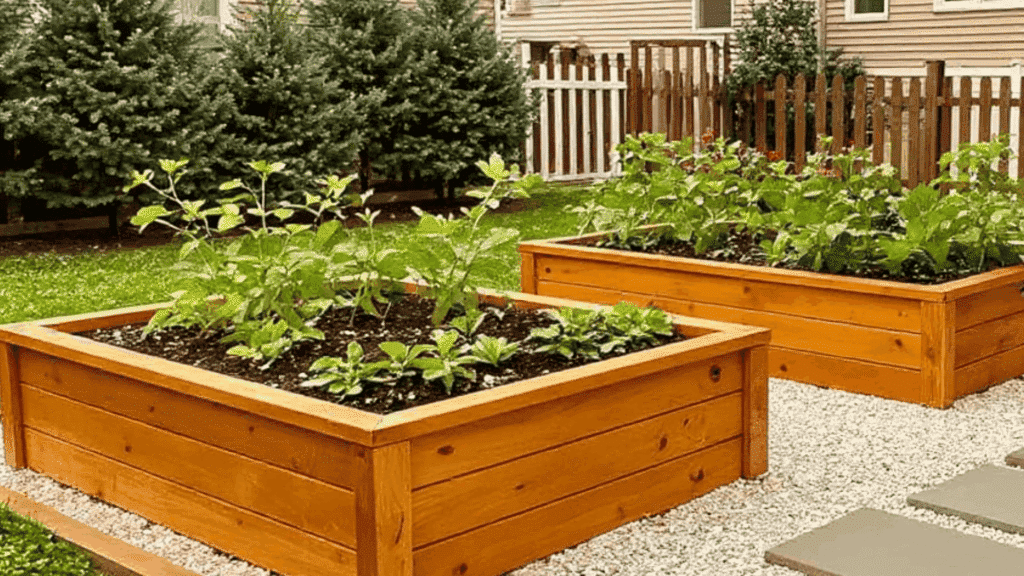
Raised bed layouts use contained structures to define planting areas. These beds improve soil control and drainage while making maintenance more accessible.
Perennials planted in raised beds stay visually organized, and the defined edges help limit spreading, keeping the layout neat and easier to maintain over time.
4. Mixed Perennial Layouts
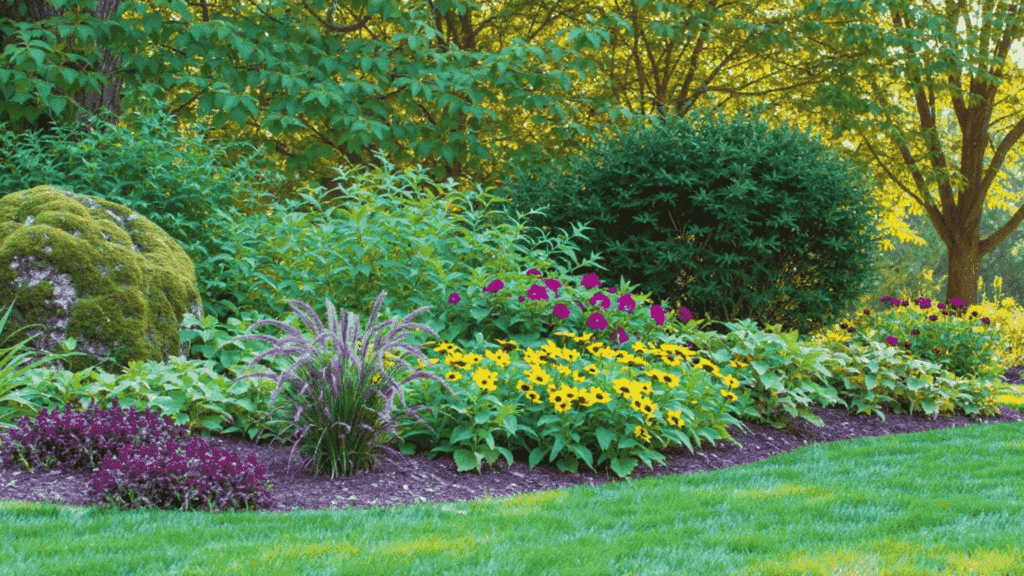
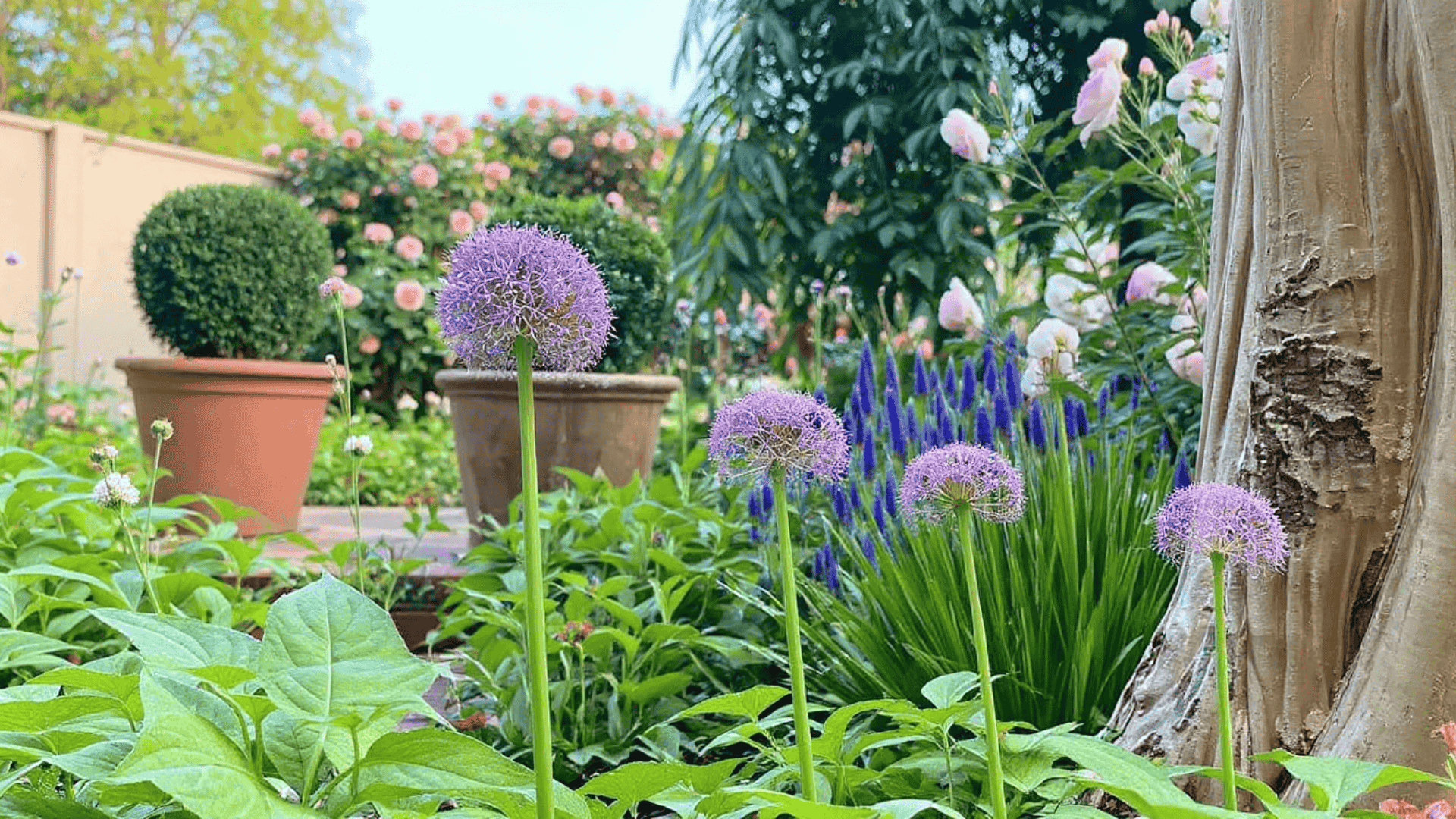
Mixed perennial layouts combine different flower types, foliage shapes, and bloom periods within the same space.
This style creates variety and visual movement throughout the seasons.
Careful spacing and grouping help prevent overcrowding while allowing plants to grow naturally without strict symmetry or rigid patterns.
Each layout type offers a different visual and practical benefit.
Selecting the right one depends on space, viewing needs, and upkeep goals, helping create a perennial garden that feels balanced, intentional, and suited to its surroundings.
Plant Spacing and Layering Guidelines
Proper spacing and layering help perennials grow without competing for light, air, or nutrients.
A clear structure also keeps the garden visually balanced as plants mature and fill in over time:
| Layer Position | Typical Plant Height | Spacing Focus | Layout Purpose |
|---|---|---|---|
| Front layer | Low-growing plants | Close but not touching | Defines edges and keeps views open |
| Middle layer | Medium-height plants | Moderate spacing | Adds fullness and visual depth |
| Back or center layer | Tall plants | Wider spacing | Provides structure and visual support |
| Ground level | Spreading plants | Controlled gaps | Covers soil and reduces open patches |
| Overall layout | Mixed heights | Based on mature width | Prevents crowding as plants expand |
This spacing approach helps each layer stay distinct while allowing plants to grow comfortably and maintain a clean, organized appearance over time.
Steps for Planning a Perennial Garden Layout
A clear planning process helps organize perennials before planting begins.
These steps focus on structure, spacing, and seasonal flow to support long-term growth:
- Measure and outline the garden space: Record exact dimensions and boundaries to understand how much room is available for plant groupings and pathways.
Once you’ve mapped everything out, creative DIY plant tags help you keep track of varieties and their specific needs as your garden fills in.
- Define height zones within the layout: Assign areas for taller, mid-height, and lower plants to create balance and clear visual structure.
- Plan bloom timing across seasons: Arrange plants so their flowering periods overlap, keeping the garden visually active from early growth through later seasons.
- Leave space for mature plant spread: Account for future growth by spacing plants according to expected width, preventing crowding as perennials expand.
Planning slowly and adjusting on paper first reduces mistakes later, saving time while helping the garden settle into a natural, well-organized pattern.
Layout Mistakes to Avoid in Perennial Garden Planning
Even well-chosen plants can struggle if the layout is poorly planned.
Avoiding common layout mistakes helps perennials grow steadily, keeps the garden organized, and reduces the need for frequent fixes later.
- Placing plants too close together without considering their mature size
- Mixing plants with very different water or light needs
- Ignoring airflow between plants
- Overloading one area while leaving others sparse
- Failing to plan clear edges or boundaries
Taking time to review spacing, balance, and plant needs before planting can prevent long-term issues and help the garden settle into a healthier, more manageable layout.
Creating a Layout That Lasts
Layout Perennial Flower Garden Design Plans is where intention meets nature, and the payoff is a garden that rewards you season after season.
Every choice, from analyzing sunlight and soil to selecting layout styles and spacing plants appropriately, influences how your garden develops over time.
Borders, island beds, raised structures, or mixed arrangements; each offers its own rhythm and personality.
Avoid the rookie mistakes like overcrowding or mismatched needs, and you’ll end up with a space that’s not just beautiful but actually manageable.
The plants do the heavy lifting; your job is just to set the stage right from the start.
Now it’s your turn; what’s your favorite perennial or layout style? Share your experience below!

Veronica Lee holds a Master’s degree in Landscape Architecture from Cornell University and has dedicated more than 15 years to transforming outdoor areas into artistic and sustainable spaces. Her career took off in a renowned landscape design firm, where she excelled in creating visually stunning and environmentally responsible designs. In 2019, Veronica brought her expertise to our platform, quickly becoming a key contributor to our outdoor design and sustainability sections. As the lead of our landscape innovation series ever since joining, she has inspired readers with her forward-thinking and practical approach. When not drafting designs, Veronica enjoys pottery and participates in local conservation efforts, activities that complement her professional ethos of blending art with nature.