
Some of the best rooms in a home never make it onto the listing. You know the one, just off the kitchen, always slightly too warm, where everyone ends up without quite meaning to.
So what is a keeping room, exactly? It has a name, a history, and a very good reason it keeps coming back into style, and once you know what it is, you will start seeing it everywhere.
This guide covers where the keeping room came from, what makes it different from a living room or den, and how homeowners are bringing it back in a way that actually fits modern life.
What is a Keeping Room?
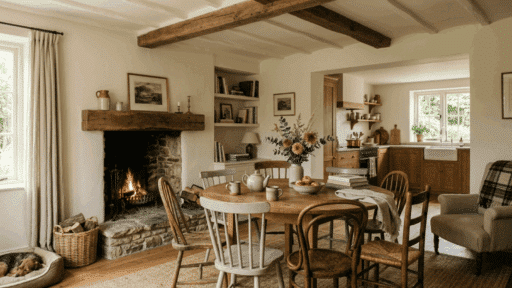
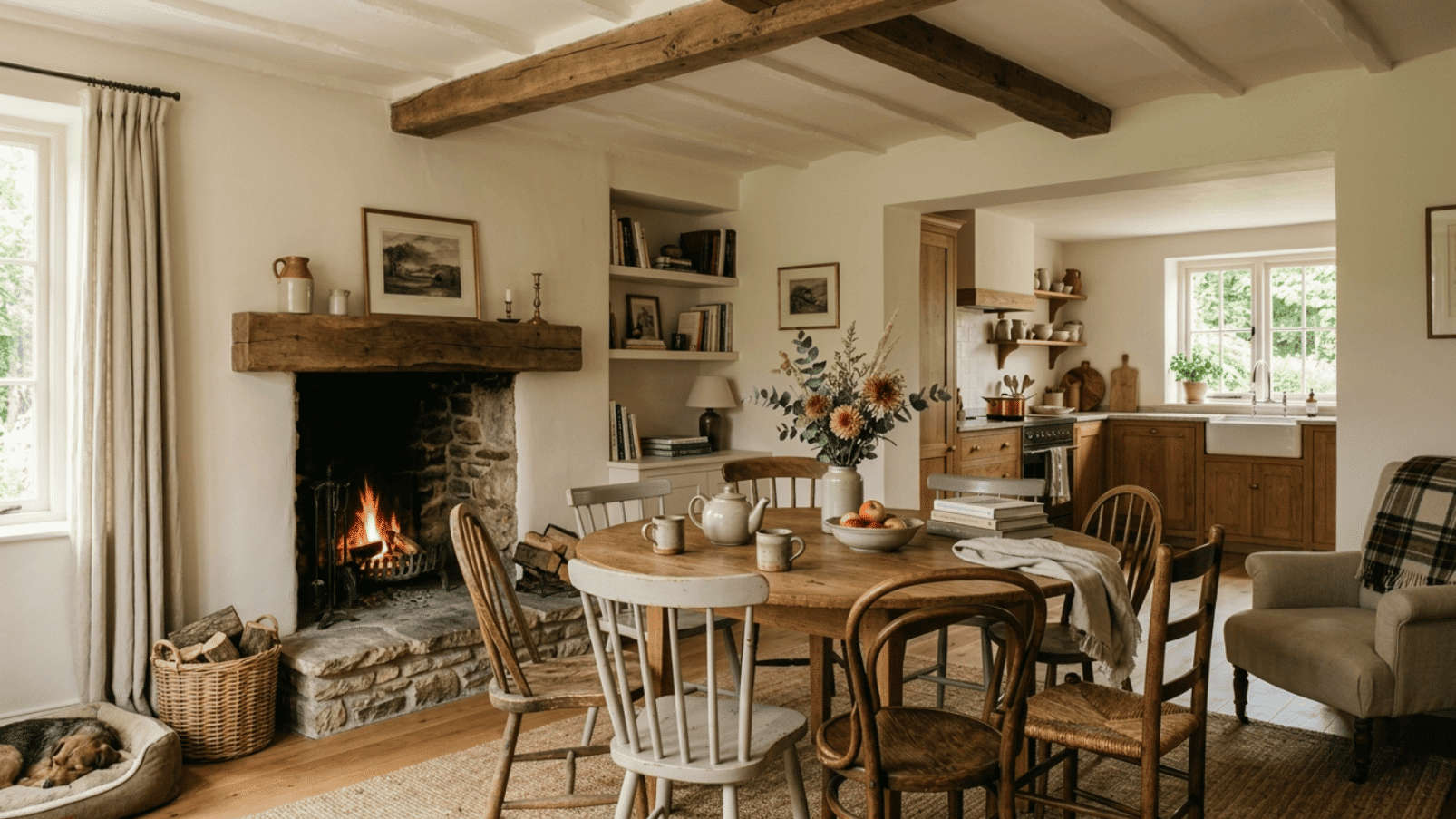
A keeping room is a casual, informal sitting area positioned directly beside the kitchen. It is separate enough to feel like its own space, but close enough to stay connected to whoever is cooking.
You already know the feeling. Someone always ends up in the kitchen while dinner is being made, perched on a stool, leaning against the counter, not quite ready to move to the living room. A keeping room gives that instinct a proper place to land.
Traditional vs. Modern Keeping Rooms
| Context | Traditional Keeping Room | Modern Keeping Room |
Location | Beside the kitchen fireplace | Adjacent to the kitchen or island |
Primary Purpose | Warmth, daily chores, family tasks | Casual lounging and family connection |
Anchor Feature | Working hearth and fireplace | Fireplace, TV, or large window |
Atmosphere | Functional and survival-driven | Relaxed and intentionally informal |
Typical Users | Entire household, all day | Immediate family during daily routines |
Seating | Simple, utilitarian | Comfortable, durable, unfussy |
Size | Small, centered on the hearth | Intimate, typically 120 to 200 sq ft |
The History of Keeping Rooms
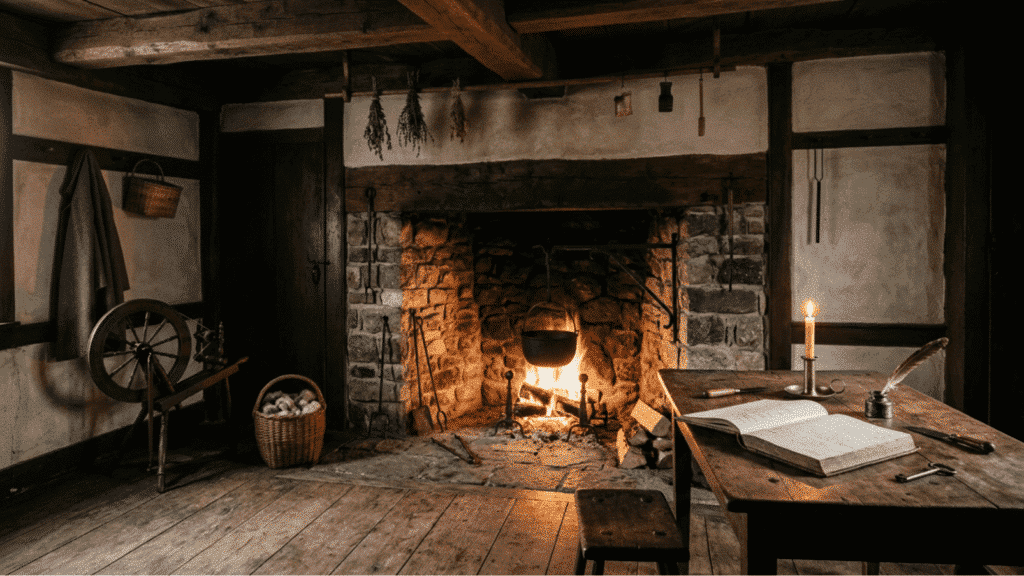
The keeping room dates back to colonial America, where homes were built around survival as much as comfort.
It sat directly beside the kitchen fireplace, the only reliable heat source in the house, and the name itself reflects its purpose: the room where the family kept itself.
Families spent most of their time here. Mothers cooked and preserved food. Children did lessons by firelight. Fathers mended tools or reviewed accounts.
By the 18th century, it was a fixture in New England farmhouses and Southern homesteads alike. Function drove the design, not fashion.
As homes grew larger and central heating arrived, the keeping room gradually gave way to formal sitting rooms and separate living spaces.
Purpose of a Keeping Room Today
The keeping room never really disappeared. It just got a redesign. In an era of open-plan living, it is making a deliberate comeback as homeowners look for spaces that are both connected and defined.
- A casual gathering space: It gives families a place to land without taking over the main living room. A parent can supervise homework while finishing dinner. Friends can gather without being underfoot.
- A buffer between kitchen and home: It absorbs the activity and energy of the kitchen without letting it spill into more formal areas of the house.
- A space that fits how people actually live: Unlike a formal living room that often goes unused, the keeping room earns its place by being genuinely useful every single day.
- A natural conversation zone: Positioned beside the kitchen island or cooking area, it keeps conversation flowing naturally between whoever is cooking and whoever is relaxing nearby.
Design Elements of a Keeping Room
Designing a keeping room is less about following rules and more about creating a space that feels natural to be in. These are the elements that make it work.
1. Anchor the Room with a Focal Point
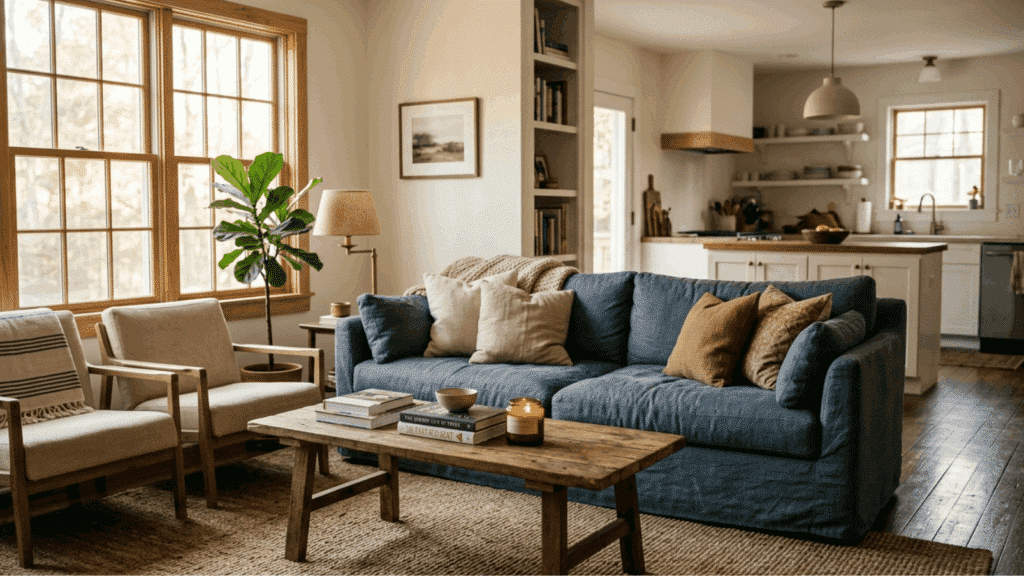
Traditionally, the hearth anchored the entire room. In modern keeping rooms, a fireplace still works beautifully, but a built-in media unit or a large window with an outdoor view can serve the same purpose.
The room needs something to orient around, something that draws people in and gives the space a reason to exist.
2. Choose Comfortable, Unfussy Seating
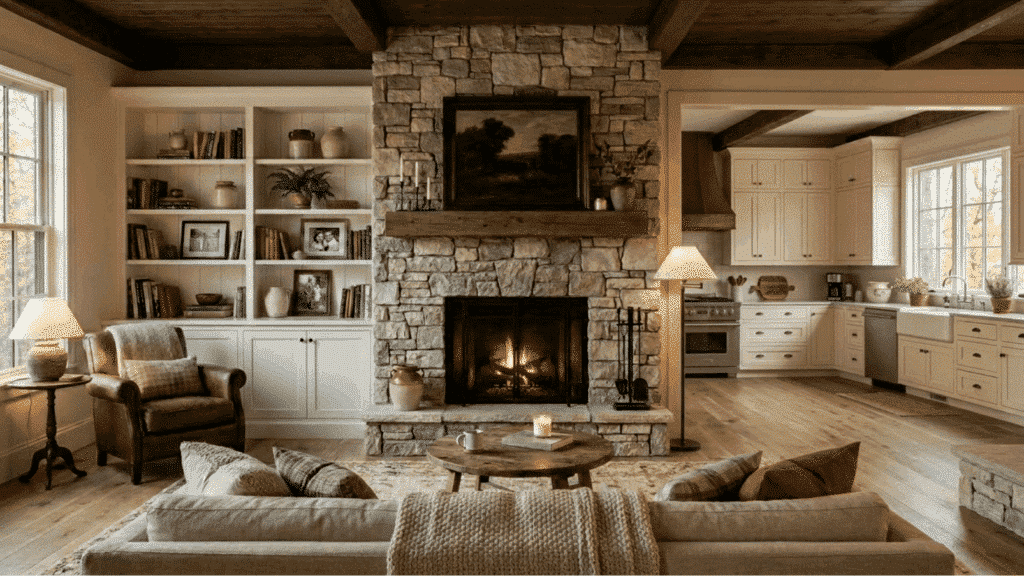
This is not the formal living room. A deep sofa, a pair of armchairs, or even a window seat works well.
The priority is furniture you actually want to sit in for long periods, with durable fabrics, generous cushions, and nothing too precious. The keeping room gets daily use, and the seating should reflect that.
3. Layer the Lighting
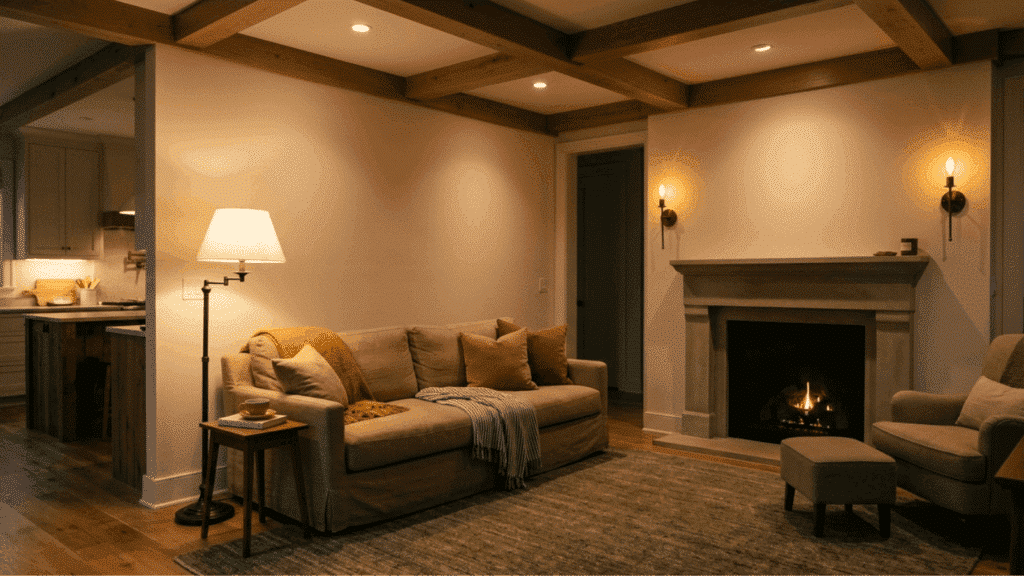
Keeping rooms work best with soft, adjustable lighting. Recessed dimmers, a floor lamp beside the sofa, or sconces near the fireplace all contribute to the relaxed atmosphere the space is built around.
Harsh overhead lighting works against the warmth the room is trying to create.
4. Use Natural Materials and Texture
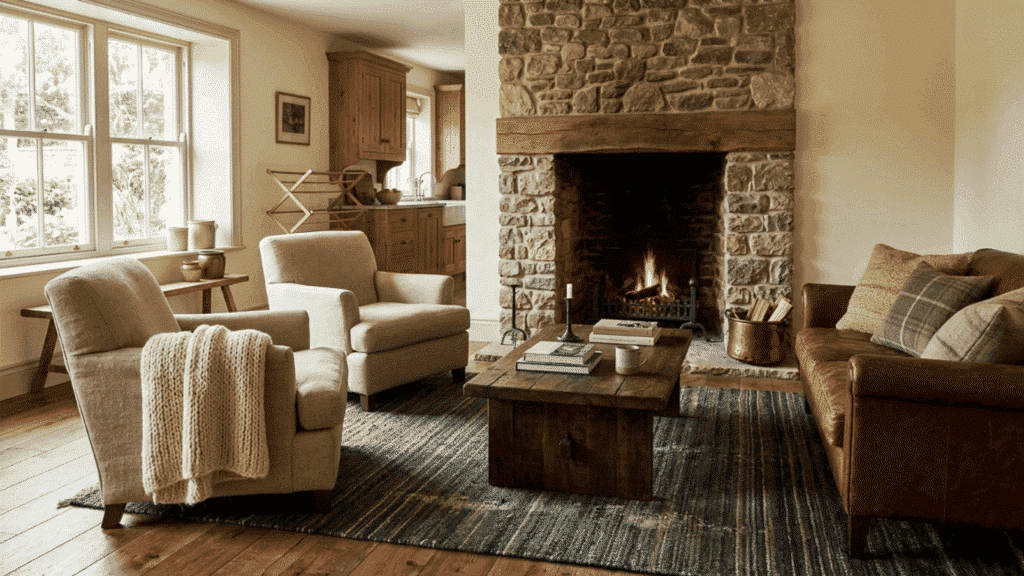
Wood, stone, linen, and wool all read as grounded and warm without trying too hard. These materials age well and suit the unpretentious character of the space.
A worn wool rug, a reclaimed wood coffee table, or a stone surround around the fireplace all reinforce the room’s relaxed identity.
5. Keep the Connection to the Kitchen
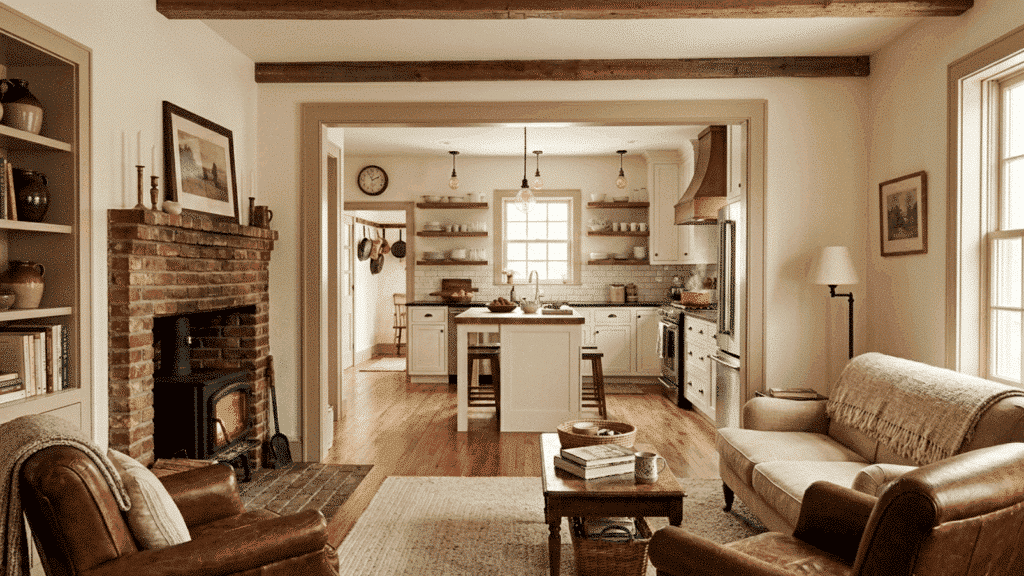
This is the detail that defines the room. Whether it is an open archway, a half-wall, or simply a shared sightline, the keeping room should feel like a natural extension of the space where food is made, not a separate destination.
Without that connection, it is just another sitting room.
Keeping Room vs. Other Living Spaces
Let’s see how it contrasts with other living areas like the living room and other spaces.
| Context | Keeping Room | Living Room | Family Room | Breakfast Room |
Location | Directly beside the kitchen | Near the front of the home | Standalone, separate from the kitchen | Adjacent to the kitchen |
Primary Use | Casual lounging connected to cooking | Entertaining and formal relaxation | General family activities | Casual dining |
Atmosphere | Warm, informal, lived-in | Polished, composed, often formal | Relaxed but independent | Light and functional |
Anchor Feature | Fireplace or kitchen sightline | Feature wall, fireplace, or TV | TV or media unit | Dining table and chairs |
Typical Size | Small and intimate | Larger, guest-accommodating | Medium to large | Small to medium |
Who Uses It | Immediate family, daily | Family and guests | Whole family | Family for meals |
Defining Feature | Adjacent to the kitchen | Separated from the kitchen | No kitchen connection required | Dining focused, not lounging |
Why Keeping Rooms are Trending Now
After years of embracing open-plan living, homeowners are returning to defined spaces, with the keeping room gaining renewed popularity. This small yet purposeful area offers both comfort and practicality for modern living.
- Cozy, Defined Space: A keeping room provides a dedicated area for casual gatherings, often near the kitchen, making it perfect for family time and relaxation.
- Natural Flow: Positioned beside kitchen islands, the keeping room allows for easy conversation between cooking and lounging.
- Trendy Yet Timeless: With design trends focused on warmth and comfort, like Hygge and Cottagecore, the keeping room feels right at home in modern interiors.
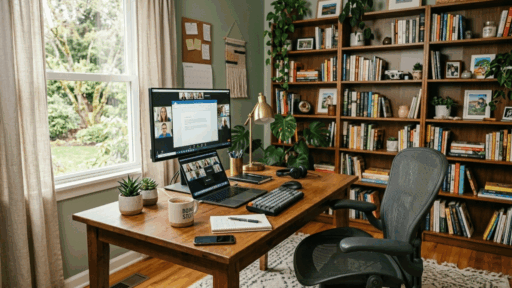
- Work-from-Home Adaptation: As remote work grows, the keeping room is a practical addition to create a more intimate and functional living space.
- Familiar and Practical: It’s a space that has always worked, offering practical and aesthetic value for families seeking balance and comfort.
Conclusion
The keeping room has lasted for centuries because it solves a problem that never goes away: people want to be together, and they want to be comfortable while they are.
Ask yourself a few honest questions. Does your household gravitate toward the kitchen? Does your formal living room sit unused most days? Is there a space in your home without a clear purpose?
If any of those feel familiar, a keeping room is worth considering.
It does not have to mean a full renovation. In many homes, it is simply a matter of giving an existing space a function that actually fits how you live.
Frequently Asked Questions
Do New Construction Homes Still Have Keeping Rooms?
Yes, and they are increasingly common. Many builders now offer keeping rooms as a standard or optional feature in open-plan designs, positioning them as a cosy counterpoint to the larger main living area.
Does a Keeping Room Add Value to Your Home?
It can, particularly in family-oriented markets where buyers prioritize functional, informal living spaces. It adds appeal rather than a guaranteed dollar figure, but a well-executed keeping room that flows naturally from the kitchen is a selling point most buyers notice.
How Big Should a Keeping Boom Be?
Most keeping rooms range from 120 to 200 square feet, enough for a sofa, a chair or two, and a coffee table without feeling crowded. The room is meant to feel intimate, so bigger is not necessarily better here.

Ava Taylor, holding a Bachelor’s degree in Interior Design from the Pratt Institute, has made her mark in creating engaging and functional living spaces for over 14 years. She began her career with a New York-based design studio, where she gained a reputation for her innovative and user-centric designs. Ava joined our team in 2019, bringing a blend of artistic flair and practicality to our home improvement section. Since the she has been the lead contributor to our room transformation series, inspiring readers with her unique approach to maximizing space utility and aesthetic appeal. Beyond her professional work, Ava is a passionate collector of vintage furniture, a hobby that enriches her design perspective.