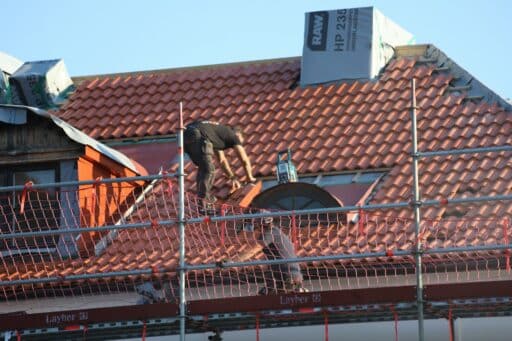
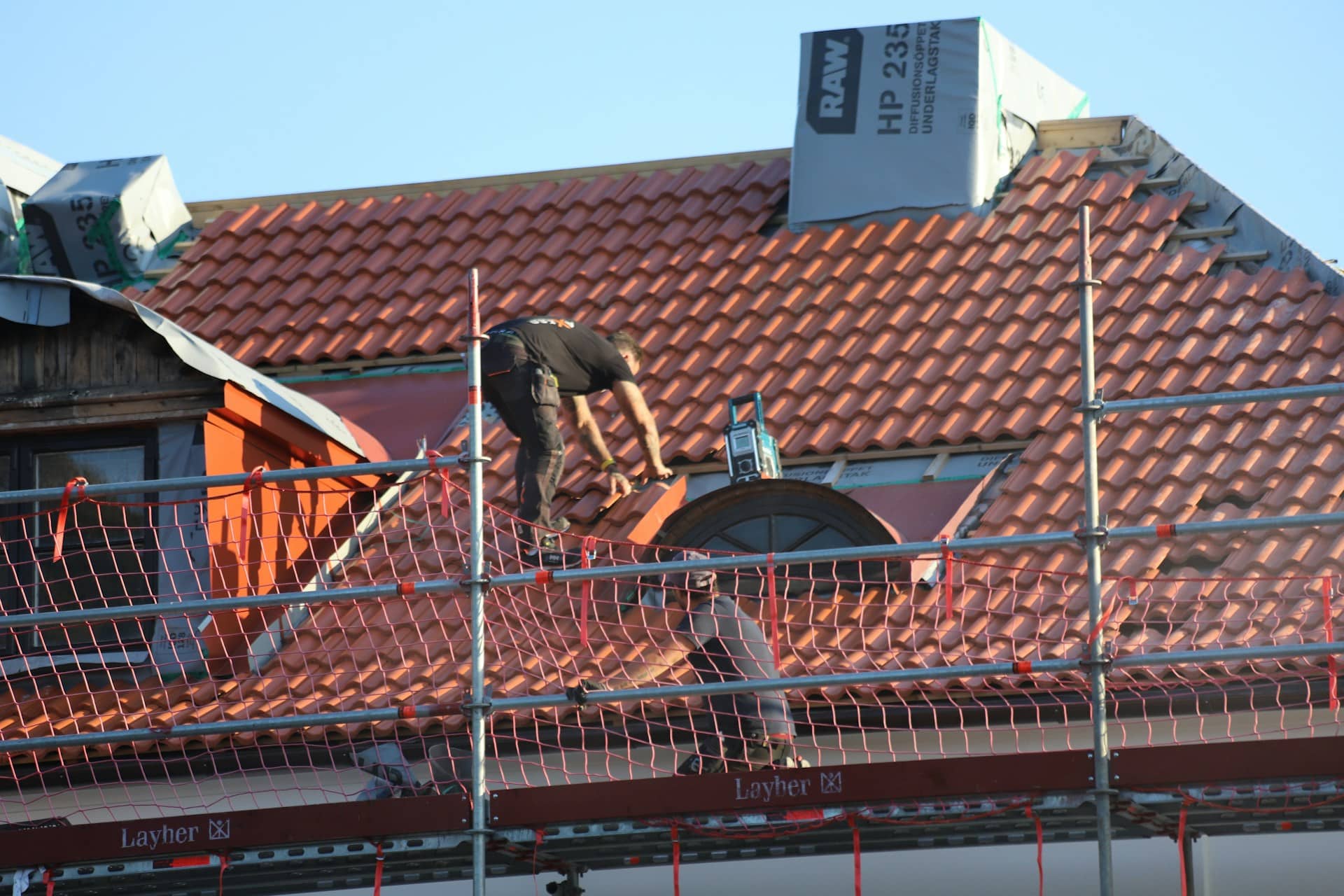

Tile roofs were the default across Brisbane suburbs for decades. Cement and terracotta tiles went onto post-war homes and brick-and-tile builds through the 70s and 80s, and plenty of houses are still wearing their original roof half a century later. So why are so many Queensland homeowners now ripping those tiles off and putting metal up there instead?
The short answer is that an old tile roof eventually stops being a roof and starts being a problem. The longer answer involves weight, weather, leaks, insurance premiums, and the fact that a Colorbond replacement often costs less to live with than the tiles you already own.
If you’ve been staring up at a sagging ridge line or chasing the same leak through three wet seasons, this guide walks through the questions worth asking before you commit either way.
How do I know my tile roof has had its day?
Tiles don’t fail dramatically. They fail slowly, and most homeowners miss the warning signs because the damage happens above eye level.
Look for cracked or slipped tiles after storms. Check the ridge capping for crumbling mortar, which is one of the most common failure points on Brisbane homes built before 2000. Inside the roof cavity, look for daylight, water stains on the sarking, broken tile fragments on the insulation, or rusted tie wires hanging loose. Sagging battens are signs the structure underneath has been quietly deteriorating for years.
A roof inspection from a licensed roofer will tell you whether you’re looking at spot repairs or a full replacement. Honest operators like the team at AMJ metal roofing will give you a straight answer about whether your tiles have life left in them, because pushing someone into an unnecessary re-roof is bad business in a city where word travels fast.
What does a tile-to-metal conversion actually involve?
It’s a bigger job than a metal-to-metal re-roof, and the price reflects that.
The tiles come off first, along with the battens underneath. The sarking is replaced. New top hat battens or steel purlins go on, then anti-condensation blanket, then the new metal sheets. Ridge capping, valleys, flashings, gutters and downpipes are usually replaced at the same time because trying to mate new metal to old guttering rarely ends well.
Most Brisbane re-roofs of this type take a week to ten working days for a standard family home, weather permitting. Council approval is required when you’re replacing more than 20% of the existing roof, which a full conversion always triggers. A reputable roofer handles the building application through their own certifier so you’re not chasing paperwork.
The price band sits higher than a like-for-like metal swap because of the extra labour to strip and dispose of tiles. For an average Brisbane home you’re typically looking at somewhere in the 30k to 45k range, though steep pitches, two-storey access, solar panel removal and reinstatement, or asbestos sarking can push that figure up.
Will my house structure cope with the change?
This question comes up constantly, and it’s worth taking seriously.
Concrete tiles weigh roughly 45 kilograms per square metre. Colorbond steel weighs about 5 kilograms per square metre. Going from tiles to metal takes a massive load off your roof structure, which is why almost no homeowner ever needs to reinforce anything to switch.
The opposite direction is where you run into trouble. Going from metal to tiles requires structural engineering and often new rafters, with some homes also needing new wall framing. Brisbane’s housing stock generally handles the tile-to-metal direction without complaint.
What does need attention is the roof pitch. Tiles need a minimum pitch of around 15 to 20 degrees to shed water properly. Metal can be laid much flatter, down to about 2 degrees with the right profile. If your house has a low-pitch section that’s been struggling under tiles, metal will actually solve a problem the original builder created.
Is metal really quieter than people say?
The “metal roofs are loud in the rain” idea is one of those facts that was true forty years ago and has lingered ever since.
Modern metal roofing systems include anti-condensation building blanket as standard, plus ceiling insulation underneath. The combination dampens rain noise to the point where most homeowners report it sounds similar to or quieter than what they had under tiles. The blanket also stops condensation forming on the underside of the sheeting, which is what causes those mystery damp patches some older homes develop.
If acoustic performance is a priority, ask your roofer about thicker insulation options. The cost difference is small and the comfort difference is noticeable.
What about hail, cyclones, and Brisbane storm seasons?
South East Queensland gets hammered by storms most summers. The 2014 Brisbane hailstorm, the 2020 Rocklea events, the regular spring cells coming off the Range, and the more recent Christmas storms of 2023 have made roofing a recurring insurance conversation for thousands of households.
Metal handles hail better than tiles in almost every scenario. Tiles crack and shatter under impact. Steel dents but stays watertight. Insurers know this, which is why some policies offer better premiums or lower excesses on Colorbond roofs compared to aged tile roofs in storm-prone postcodes.
After a major hail event, a metal roof might look cosmetically marked but still perform its job. A tile roof in the same storm often needs hundreds of replacement tiles and ridge re-bedding, plus weeks of tarping while you wait for matching stock that may no longer be manufactured.
How long will a new metal roof last?
Installed correctly to manufacturer specifications and Australian Standards, a Colorbond steel roof can last 50 to 100 years depending on your environment. Coastal homes within a few kilometres of saltwater age faster and need a marine-grade specification. Inland Brisbane homes generally see the upper end of that range.
Workmanship warranties from established Brisbane roofers typically run for 10 years on full replacements. Manufacturer warranties on the steel itself can extend up to 30 years for Bluescope products when installed correctly. Between those two, you’ve got coverage that outlasts most mortgages.
What questions should I ask before signing a quote?
Before committing to any roofer, get clear answers on a few things.
Confirm they hold a current QBCC licence and ask for the number. Ask whether the work is carried out by their own employed tradespeople or subcontracted out. Find out who handles the council building application and whether that cost is included in the quote. Check what happens to your old tiles, asbestos sarking if present, the existing insulation, and any solar gear that needs removing and reinstating. Ask for the warranty terms in writing, not just verbally.
A quote that comes in dramatically cheaper than the others usually has something missing. Common omissions include scaffolding, edge protection, gutter replacement, ridge capping, and rubbish removal. By the time those get added back as variations, the cheap quote isn’t cheap anymore.
So is it the right move?
For most Brisbane homeowners with a tile roof past the 30-year mark, the maths leans towards replacement rather than ongoing repair. You buy yourself decades of weather protection, lower maintenance, better insurance outcomes, and a roof that won’t drop a tile on the dog during the next storm.
For homeowners with a structurally sound tile roof that just needs re-pointing and some replacement tiles, the answer might be to keep what you’ve got for another decade and reassess.
The only way to know which camp you’re in is to get a roofer up there with a ladder and a torch. A free inspection costs you nothing and gives you something useful to plan around.

Holding a Master’s in Architecture from the University of Texas at Austin, Emily Rodriguez has dedicated more than two decades to the art and science of building renovation. Starting her journey in historic preservation, she developed a profound respect for blending old with new in building design. Emily became a vital part of our team in 2019, renowned for her insightful and innovative renovation tips. She has been leading our DIY home improvement series since ever since, where she shares her wealth of knowledge in turning outdated spaces into modern havens. When not engaged in writing or consulting, Emily is a passionate advocate for heritage conservation and enjoys exploring vintage architecture, a hobby that complements her professional expertise.